
Camponotus semirufus
- Nom. cient.
- Camponotus semirufus
- Subgénero
- Myrmentoma
- Tribu
- Camponotini
- Subfamilia
- Formicinae
- Autor
- Emery, 1925
- Distribución
- Encontrado en 0 países
Introducción
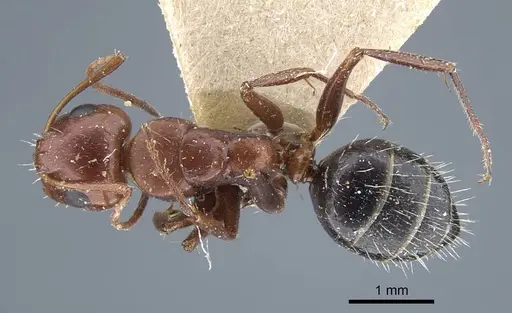
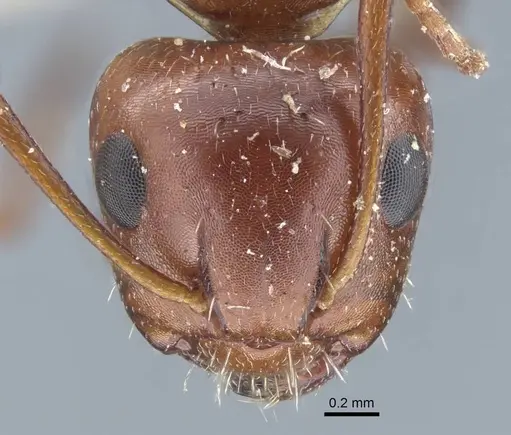
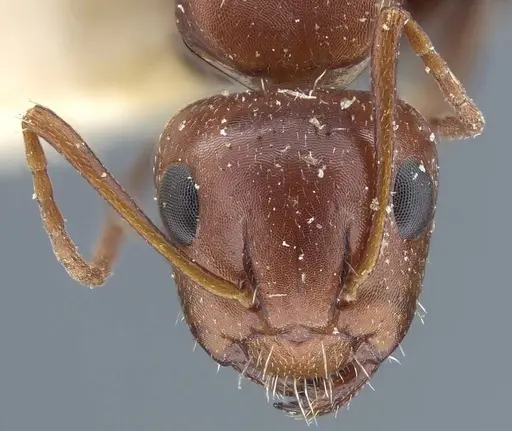
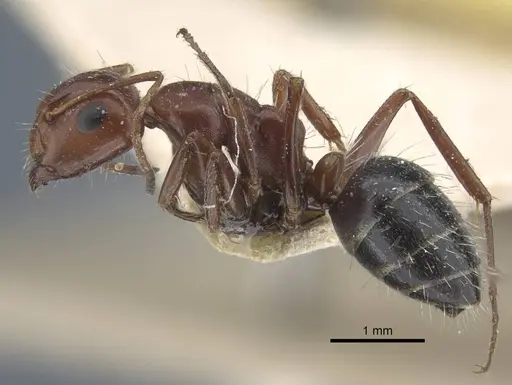
Camponotus semirufus is a small carpenter ant belonging to the Camponotus lateralis species group. Workers are dark with lighter reddish-brown coloration on the head and gaster. This species is related to the European Camponotus lateralis but is adapted to the harsh conditions of Central Asia. They inhabit semi-desert regions of China, Kyrgyzstan, Turkmenistan, Uzbekistan, and Afghanistan, where they build nests in soil beneath vegetation. Colonies are small, containing 100-300 workers with a single queen. Their diet is unusual - they primarily feed on fungal mycelium growing on green plant shoots and honeydew from aphids and scale insects, rather than hunting insects. Like other Formicinae ants, they lack a functional sting and defend by biting and spraying formic acid from their acidopore.
Quick Summary
- Difficulty: Easy
- Origin & Habitat: Central Asia, specifically Xinjiang (China), Kyrgyzstan, Turkmenistan, Uzbekistan, and Afghanistan. They inhabit saxaul and tamarix thickets in semi-desert environments, also found among poplar trees. Nests are built in soil with the entrance typically located under fallen branches [1][2][3].
- Colony Type: Monogyne (single-queen) colonies with 100-300 workers [1]. One egg-laying queen per colony.
- Size & Growth:
- Queen: ~9-11mm, inferred from Camponotus genus patterns
- Worker: ~4-7mm, inferred from Camponotus lateralis group [2]
- Colony: Up to 300 workers [1]
- Growth: Moderate
- Development: Estimated 6-8 weeks based on typical Camponotus development (Development time inferred from genus patterns, specific data not available for this species)
- Antkeeping:
- Temperature: Keep at room temperature (20-24°C) with a slight warmth gradient. Based on their Central Asian distribution, they tolerate cooler temperatures in winter and benefit from a mild diapause period.
- Humidity: Low to moderate. These ants come from semi-desert regions with dry conditions. Keep nest substrate moderately moist but allow it to partially dry between waterings. Avoid overly damp conditions.
- Diapause: Yes, based on Central Asian distribution with cold winters. Provide a cool period (around 10-15°C) for 2-3 months during winter.
- Nesting: Soil-based nests work well. They naturally nest in soil with passages reaching 1m depth, so a naturalistic setup with compact soil or a Y-tong/plaster nest with adequate depth works. They prefer having the nest entrance under cover or debris.
- Behavior: Generally calm and non-aggressive for a Camponotus species. Workers are moderately active and primarily forage for honeydew and fungal material rather than hunting live prey. They lack a functional sting but may bite and spray formic acid if threatened. Escape risk is moderate, they can climb smooth surfaces but are not extreme escape artists. They are primarily active during warmer months and reduce activity in winter.
- Common Issues: colonies are small (max ~300 workers), don't expect large colonies even when established, unusual diet means they may not accept standard protein foods readily, honeydew and sugar sources are important, nests in soil require proper escape prevention as workers can climb well, cold winter period is important for long-term colony health, skipping diapause may cause problems, slow founding phase, claustral queens may take time to establish first workers
Housing and Nest Setup
Camponotus semirufus does well in soil-based naturalistic setups or Y-tong/plaster nests with adequate depth. In the wild, they build single-chamber nests with vertical passages reaching 1m depth, so provide enough substrate depth for them to feel secure. The entrance is typically located under fallen branches or debris, so include some cover near the nest entrance. A test tube setup works for founding colonies, use a standard test tube with a cotton water reservoir. Once the colony reaches 20-30 workers, you can transition to a formicarium. Because they come from semi-desert regions, avoid overly humid conditions, the substrate should be moderately moist but not waterlogged. Provide a small outworld for foraging. [1]
Feeding and Diet
This species has an unusual diet for a Camponotus ant. In the wild, they primarily feed on fungal mycelium growing on green plant shoots and honeydew from aphids and scale insects [1]. This means they are more herbivorous/sugar-feeding than most carpenter ants, which typically hunt insects. In captivity, offer sugar water or honey regularly, this is more important than protein foods. You can also offer small amounts of fruit or seeds occasionally. For protein, they will likely accept small amounts of crushed insects or commercial ant food, but this should not be their primary diet. Keep sugar water available at all times in the outworld. Their small colony size (max ~300 workers) means they don't need large amounts of food, small portions fed 2-3 times per week are sufficient.
Temperature and Seasonal Care
Camponotus semirufus comes from Central Asia where temperatures vary dramatically between seasons. Keep them at room temperature (20-24°C) during the active season. A slight temperature gradient allows the colony to choose their preferred zone. During winter, they benefit from a diapause period, reduce temperature to 10-15°C for 2-3 months. This mimics their natural cycle in Kyrgyzstan and Turkmenistan where winters are cold. Do not feed during deep hibernation, but ensure the nest substrate doesn't dry out completely. After hibernation in spring, gradually warm them back up and resume feeding. Activity typically increases in spring as temperatures rise. [1]
Colony Development and Growth
Colonies remain relatively small compared to many other Camponotus species, maximum around 300 workers in established colonies [1]. This is normal for the species, not a sign of poor care. Founding is claustral, the queen seals herself in a chamber and raises the first workers alone, living off her stored fat reserves. First workers (nanitics) will be smaller than normal workers. Growth rate is moderate, expect 6-8 weeks from egg to first worker at optimal temperature. After that, colony growth depends on feeding and temperature. Because colonies stay small, you won't see the explosive growth that larger Camponotus species exhibit. Patience is key during the founding phase.
Behavior and Temperament
These ants are among the more docile carpenter ants. Workers are not particularly aggressive and rarely attempt to sting. They are primarily foragers rather than hunters, collecting honeydew and fungal material. Workers are moderately active and will explore the outworld for food. They can climb smooth surfaces reasonably well, so use standard escape prevention (fluon on rim edges). Their small colony size means you won't see massive worker swarms, this is a species for keepers who appreciate smaller, more modest colonies. The colony will be most active during warmer months and slow down significantly in winter, even without artificial cooling. [1]
Frequently Asked Questions
How long does it take for Camponotus semirufus to raise first workers?
Expect 6-8 weeks from egg to first worker at optimal room temperature (around 22-24°C). This is typical for Camponotus species. The queen is claustral, she seals herself in and raises the first brood alone using stored fat reserves.
What do Camponotus semirufus eat?
They have an unusual diet compared to other carpenter ants. They primarily feed on honeydew from aphids and scale insects, and fungal mycelium on plants. In captivity, keep sugar water or honey available at all times. They will accept some protein foods but these are less important than sugar sources.
How big do Camponotus semirufus colonies get?
Colonies are relatively small, maximum around 300 workers even in established colonies [1]. This is normal for the species, not a sign of problems. They are not a large colony species like some other Camponotus.
Do Camponotus semirufus need hibernation?
Yes, likely they do. Based on their Central Asian distribution (Kyrgyzstan, Turkmenistan), they experience cold winters. Provide a cool period around 10-15°C for 2-3 months during winter. This helps maintain natural cycles and promotes long-term colony health.
Are Camponotus semirufus good for beginners?
Yes, they are considered easy to keep. They are docile, don't require elaborate heating, and have straightforward diet requirements. Their small colony size makes them manageable, and they are forgiving of minor care mistakes. The main thing is providing sugar sources and a proper winter rest.
What type of nest is best for Camponotus semirufus?
A soil-based naturalistic setup or Y-tong/plaster nest works well. They naturally nest in soil with deep vertical passages, so provide adequate substrate depth. Include some cover near the nest entrance to mimic their natural habitat under debris or vegetation.
Can I keep multiple Camponotus semirufus queens together?
No, this species is monogyne, they have single-queen colonies in the wild [1]. Multiple queens would likely fight. Only keep one queen per colony setup.
When should I move Camponotus semirufus to a formicarium?
You can keep them in a test tube setup until the colony reaches 20-30 workers. After that, a small formicarium or naturalistic setup with soil works well. They prefer some depth and cover near the entrance.
Why is my Camponotus semirufus colony not growing?
First, check if they are getting enough sugar, honeydew feeders need constant sugar sources. Also ensure they have proper temperature (20-24°C) and a winter diapause period. Small colony size (max ~300) is normal for this species, don't expect large colonies.
Report an Issue
The current care sheet is based fully on literature. See inconsistencies, or something that's incorrect? Please , it will be resolved after review from an admin. Contributing to the blogs tab also helps providing information, to make us be able to further improve the caresheets. Thank you for your support!
References

Esta ficha de cuidados está bajo licencia CC BY-SA 4.0 .
Blogs de la comunidad
CASENT0882040
Ver en AntWeb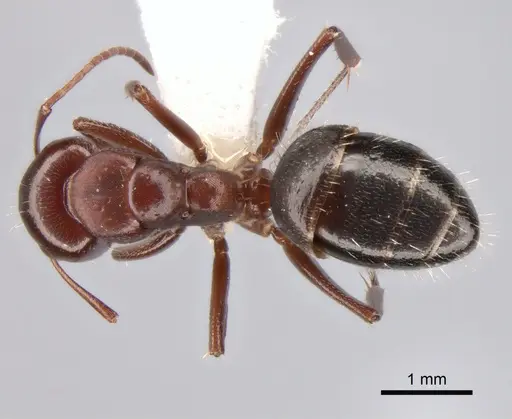
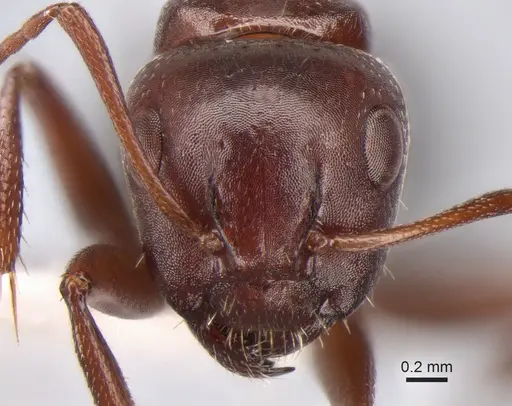
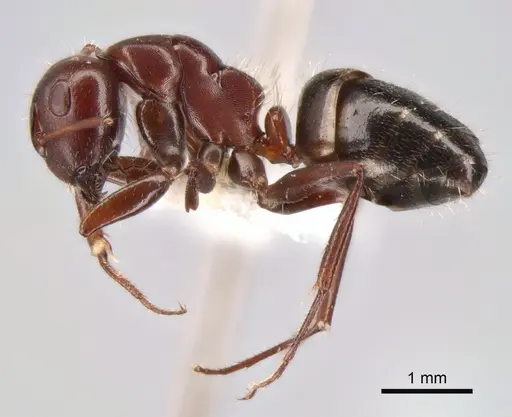
CASENT0917160
Ver en AntWeb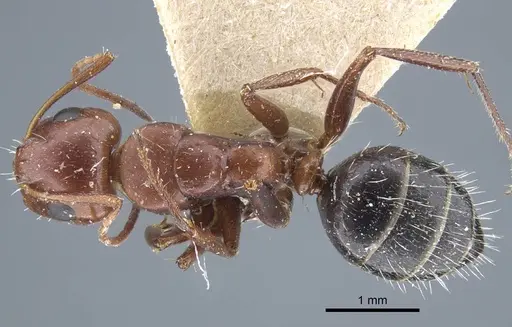
Literatura
Cargando mapa de distribución...Cargando productos...