
Camponotus riedeli
- Nom. cient.
- Camponotus riedeli
- Subgénero
- Tanaemyrmex
- Tribu
- Camponotini
- Subfamilia
- Formicinae
- Autor
- Pisarski, 1971
- Distribución
- Encontrado en 0 países
Introducción
Camponotus riedeli is a medium-sized carpenter ant belonging to the samius species complex within the Tanaemyrmex subgenus. Workers are brownish-black to black in color, with legs that are mostly dark but have yellowish to yellowish-brown coxae. The scape is black while the remaining funiculus segments are yellowish, giving these ants a distinctive two-toned antenna appearance. Major workers are larger with more robust heads, while minor workers are smaller and more slender. This species is native to Iraq in the Palaearctic region and was originally described as a subspecies of Camponotus festai before being elevated to full species status . This ant is poorly known in both scientific literature and antkeeping hobby circles. Workers have been collected from slopes of limestone hills in the Iraqi Kurdistan region, suggesting they prefer rocky, dry habitats in this Middle Eastern area .
Quick Summary
- Difficulty: Medium
- Origin & Habitat: Native to Iraq in the Palaearctic region. Workers have been collected from slopes of limestone hills in the Kurdistan region, indicating they prefer dry, rocky terrain in mountainous areas [1][2].
- Colony Type: Unconfirmed, specific colony structure data is not available for this species.
- Size & Growth:
- Queen: Size data unavailable for this species, inferred from Camponotus genus patterns as approximately 12-15mm
- Worker: Major workers approximately 8-12mm, minor workers approximately 5-7mm, inferred from related species in the samius complex
- Colony: Likely reaches several thousand workers at maturity based on typical Camponotus colony development
- Growth: Moderate, Camponotus species typically grow steadily but not rapidly
- Development: Estimated 6-8 weeks at optimal temperature based on typical Camponotus development (Development time is estimated from related species, specific data for C. riedeli is not available)
- Antkeeping:
- Temperature: Keep at 20-26°C with a slight gradient. Room temperature within this range is acceptable. A heating cable on one side of the nest can create a temperature gradient if your space runs cool.
- Humidity: Low to moderate humidity needs, these ants come from dry limestone hill habitats. Keep nest substrate moderately dry with occasional misting. Avoid overly damp conditions [1].
- Diapause: Yes, as a species from Iraq at temperate latitude, they likely require a winter hibernation period. Specific duration is unconfirmed.
- Nesting: Y-tong (AAC) nests or plaster nests work well for Camponotus. Provide narrow chambers and tight passages scaled to worker size. Avoid overly humid conditions. Naturalistic setups with stones can also work since they nest in rocky areas.
- Behavior: Generally calm and not overly aggressive. Like other Camponotus, they are primarily nocturnal foragers but can be active during the day. Workers are moderate in size and can defend the nest if threatened. They may spray formic acid as a defense mechanism since they belong to the Formicinae subfamily. Escape risk is moderate, ensure standard barrier precautions are in place.
- Common Issues: limited availability, this species is rarely available in the antkeeping hobby due to poor scientific documentation, slow colony establishment, Camponotus species typically take several months to produce first workers and years to reach large colony sizes, hibernation failure, improper winter cooling can weaken or kill colonies, overfeeding mold, their moderate humidity needs mean excess food can quickly lead to mold problems in the nest, limited species-specific information, much of care guidance is inferred from related species rather than documented for this exact species
Nest Preferences
Camponotus riedeli originates from rocky limestone hill habitats in Iraq, so they prefer dry to moderately humid nest conditions. In captivity, Y-tong (AAC) nests or plaster nests work well because they provide the dark, enclosed spaces these ants prefer while allowing you to control humidity levels. The chambers should be appropriately sized for the worker caste, major workers need slightly larger passages while minors can use standard-sized tunnels. Avoid naturalistic setups with excessive moisture, as these ants come from relatively dry habitats. A test tube setup can work for founding colonies, but be prepared to move them to a proper formicarium once the colony reaches 20-30 workers. Ensure the nest has some darkness, these ants are not light-averse but prefer dimmer conditions for their brood chambers [1].
Feeding and Diet
Like other Camponotus species, C. riedeli is omnivorous and will accept a variety of foods. Protein sources should form the primary diet: small insects like fruit flies, mealworms, and crickets are readily accepted. Sugar water, honey, or diluted jam provides essential carbohydrates for worker energy. In the wild, these ants likely forage for honeydew and small invertebrates. Feed protein-rich foods 2-3 times per week, and keep a constant sugar source available. Remove uneaten food after 24-48 hours to prevent mold. Unlike some tropical ants, they do not require specialized diets. Fresh water should always be available, a small water tube with a cotton plug works well.
Temperature and Seasonal Care
Maintain nest temperatures between 20-26°C for optimal brood development. Room temperature in most homes falls within this range, making this species relatively easy to keep warm. A heating cable placed on one side of the nest can create a beneficial gradient if your space tends to run cool. As a species from Iraq's temperate latitudes, they require a winter hibernation period. During autumn, gradually reduce temperatures over 2-3 weeks to around 5-10°C and maintain this for the winter months. Do not feed during hibernation but ensure some moisture is available. Sudden temperature drops or attempting to prevent hibernation can stress and weaken colonies.
Behavior and Colony Dynamics
Camponotus riedeli displays typical carpenter ant behavior: relatively docile workers that focus on nest maintenance and foraging rather than aggressive territorial behavior. Major workers have larger, more robust heads and can deal with larger prey items, while minor workers handle brood care and routine tasks. Workers are primarily nocturnal but will forage during daylight if food is available. The colony will establish a clear division of labor with older workers taking on outside foraging duties. Unlike some ant species, they do not exhibit extreme alarm behaviors, disturbance typically results in workers retreating with brood rather than mass aggression. Colonies grow steadily but not rapidly, patience is required as they establish themselves.
Frequently Asked Questions
How long does it take for Camponotus riedeli to produce first workers?
First workers (nanitics) typically appear within 6-8 weeks after the queen lays eggs, assuming optimal temperatures around 24°C. However, this is an estimate based on related Camponotus species, specific development data for C. riedeli is not documented. Founding colonies can take longer if temperatures are suboptimal or the queen is disturbed.
What is the best nest type for Camponotus riedeli?
Y-tong (AAC) nests or plaster nests work best because they provide appropriate humidity control and dark chambers these ants prefer. Test tubes are suitable for founding colonies but will need upgrading as the colony grows. Avoid naturalistic setups with excessive moisture or live plants, as this species prefers drier conditions than many tropical ants.
Are Camponotus riedeli good for beginners?
This species is rated as Medium difficulty. While not the easiest species for complete beginners due to their slower growth and hibernation requirements, they are more forgiving than some exotic species. Their moderate temperature needs and generalist diet make them manageable for antkeepers who have successfully kept a founding colony before. The main challenge is finding this species, as it is rarely available in the hobby.
Do Camponotus riedeli need hibernation?
Yes, they require a winter hibernation period. As a species from Iraq's temperate latitudes, they are adapted to seasonal temperature changes. Gradually reduce temperatures in autumn to around 5-10°C and maintain this through winter. Do not feed during hibernation but ensure some moisture is available. Skipping hibernation can weaken colonies over time.
How big do Camponotus riedeli colonies get?
Based on typical Camponotus patterns, colonies likely reach several thousand workers at maturity. Major workers can reach around 8-12mm while minors are around 5-7mm. Full maturity typically takes 2-3 years from founding. The queen can live for 10-15 years, allowing colonies to grow very large over time.
Can I keep multiple Camponotus riedeli queens together?
This species colony type is unconfirmed. Combining unrelated queens is not recommended and likely results in fighting. If you acquire a colony with multiple queens, they will likely resolve naturally through competition unless the colony is polygynous by design. Do not attempt to introduce new queens to an established colony.
What do Camponotus riedeli eat?
They are omnivorous like most Camponotus. Offer protein sources like small insects (fruit flies, mealworms, small crickets) 2-3 times per week, and provide constant access to sugar sources (honey water, sugar water, or diluted jam). Remove uneaten food after 24-48 hours to prevent mold. Fresh water should always be available.
Report an Issue
The current care sheet is based fully on literature. See inconsistencies, or something that's incorrect? Please , it will be resolved after review from an admin. Contributing to the blogs tab also helps providing information, to make us be able to further improve the caresheets. Thank you for your support!
References

Esta ficha de cuidados está bajo licencia CC BY-SA 4.0 .
Blogs de la comunidad
CASENT0917222
Ver en AntWeb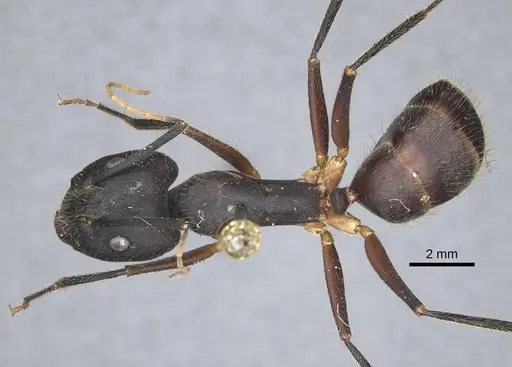
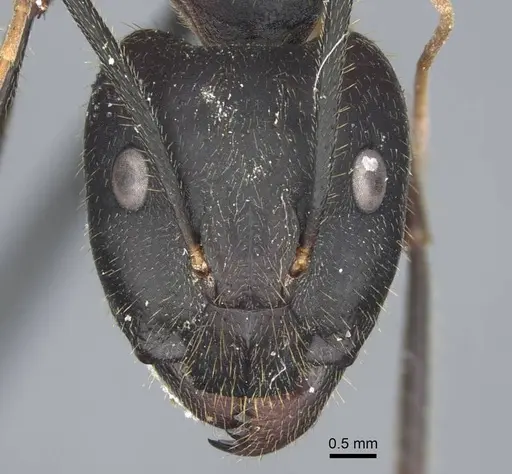
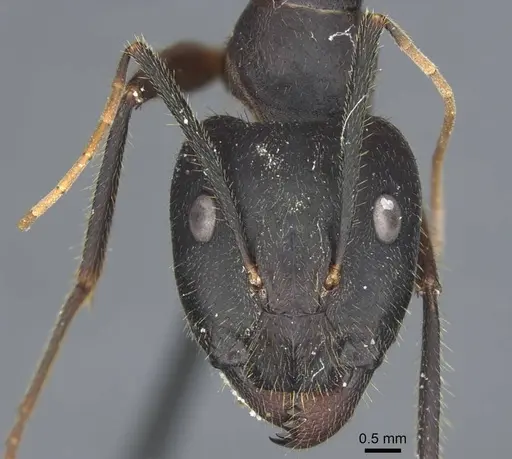
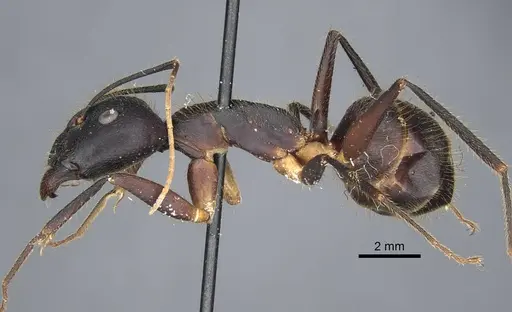
Literatura
Cargando mapa de distribución...Cargando productos...