
Camponotus kersteni
- Nom. cient.
- Camponotus kersteni
- Subgénero
- Tanaemyrmex
- Tribu
- Camponotini
- Subfamilia
- Formicinae
- Autor
- Gerstäcker, 1871
- Distribución
- Encontrado en 0 países
Introducción
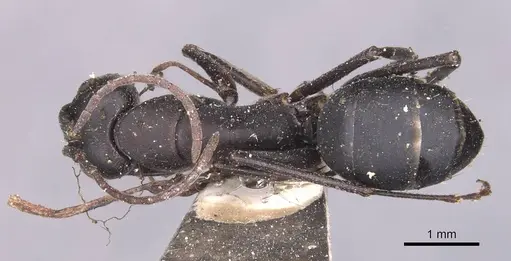
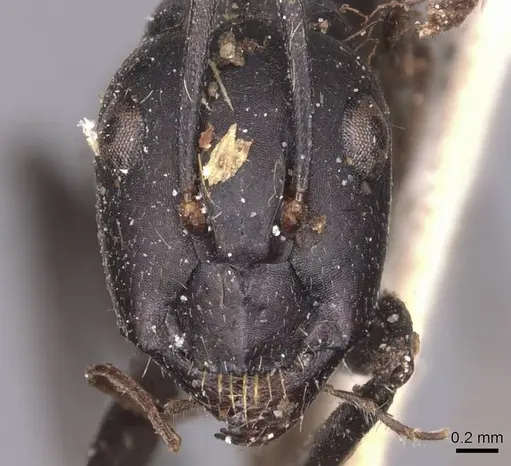
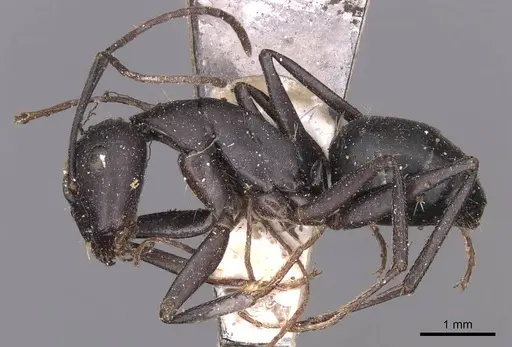
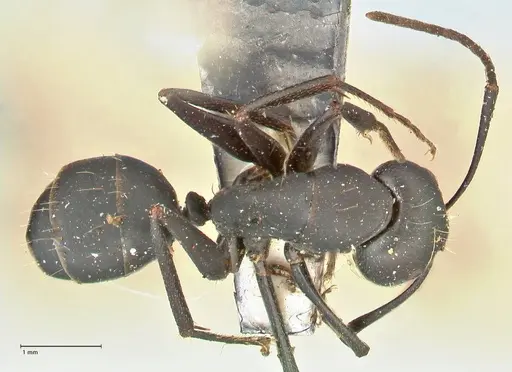
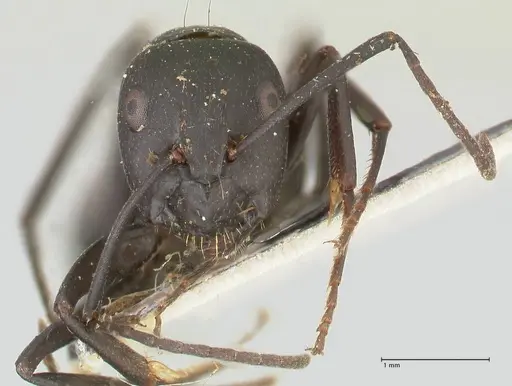
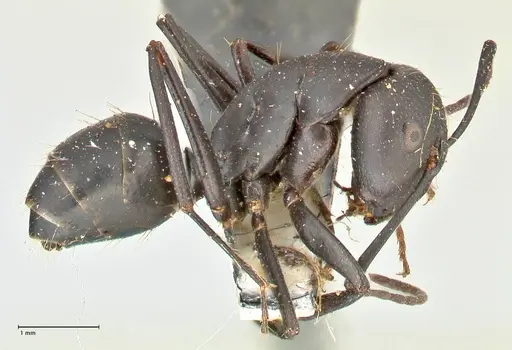
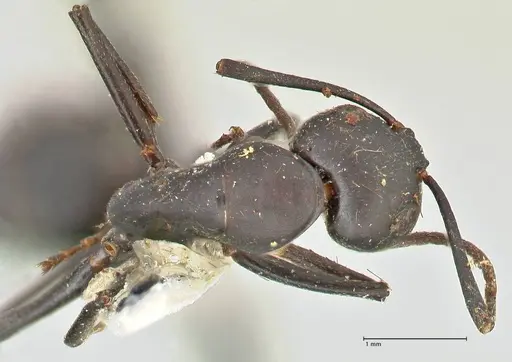
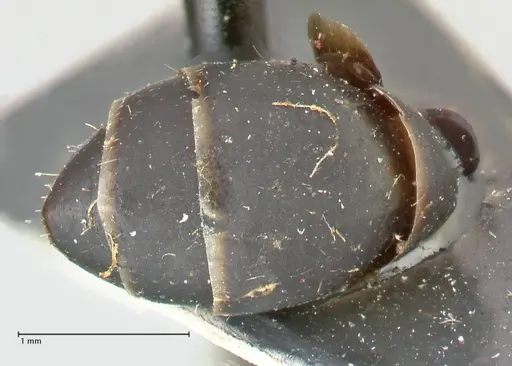
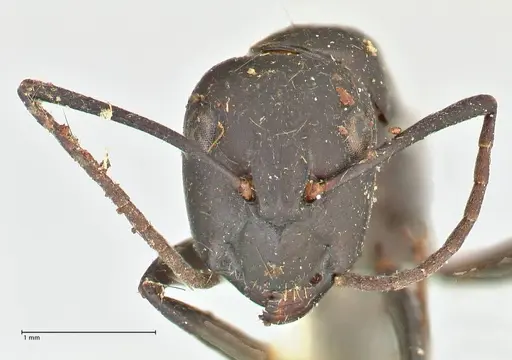
Camponotus kersteni is a medium-sized carpenter ant species native to East Africa, found in Kenya, Tanzania, and Yemen. Workers measure 5.5-6mm and are predominantly black and opaque with sparsely placed hairs. The head is oblong-quadrate in shape, and the prothoracic sides are rounded. The abdominal segment margins show lighter edges, while the antennae and tarsi toward the apex are dark reddish-brown. This species was originally described from specimens collected at 8000 feet elevation on Mount Kilimanjaro, indicating they can tolerate cooler temperatures than many tropical ants . As a member of the subgenus Tanaemyrmex, these ants are typical carpenter ants - they nest in soil, under stones, or in rotting wood rather than in wood like some Camponotus species. They are generalist foragers, accepting both sugar sources and protein. The species has a long taxonomic history, having been classified as both a subspecies of Camponotus maculatus and moved between several subgenera before being recognized as a distinct species .
Quick Summary
- Difficulty: Medium
- Origin & Habitat: East Africa, Kenya, Tanzania, and Yemen. Found in savannah environments, originally collected at 8000 feet elevation on Mount Kilimanjaro [1][2].
- Colony Type: Likely single-queen (monogyne) colonies based on typical Camponotus patterns, colony structure for this specific species has not been directly studied.
- Size & Growth:
- Queen: Size data unavailable, inferred from Camponotus genus (~12-16mm)
- Worker: 5.5-6mm [1]
- Colony: Colony size data unavailable for this species, typical Camponotus colonies reach several thousand workers
- Growth: Moderate, typical for Camponotus genus
- Development: Estimated 6-8 weeks at optimal temperature based on typical Camponotus development (Development time inferred from genus patterns, direct measurements for this species are unavailable)
- Antkeeping:
- Temperature: Keep at 22-26°C. The high-elevation origin (8000ft/2400m on Kilimanjaro) suggests they can tolerate slightly cooler conditions than typical tropical ants. A gentle temperature gradient is recommended.
- Humidity: Moderate humidity around 50-60%. They prefer drier conditions compared to many forest-dwelling ants, reflecting their savannah habitat.
- Diapause: Not confirmed, East African ants may have reduced activity during dry seasons rather than true hibernation. Monitor for seasonal slowdowns.
- Nesting: Will readily accept Y-tong (AAC), plaster, or naturalistic setups. Provide soil or sand as substrate for burrowing. They do not chew wood like some Camponotus, they nest in existing cavities.
- Behavior: Typical Camponotus temperament, generally calm and not overly aggressive. Workers are moderately active foragers, both on the ground and on vegetation. They are not known to be escape artists, but use standard barrier precautions. They accept sugar water and protein sources readily.
- Common Issues: colony collapse during founding if queen is disturbed, provide quiet, dark location, mold issues if substrate stays too wet, allow drying periods, slow growth can cause keepers to overfeed, leading to mold and colony loss, test tube setups work well for founding but need monitoring for water reservoir issues
Nest Preferences and Setup
Camponotus kersteni adapts well to various captive setups. For founding colonies, a standard test tube setup works well, fill one end with water reservoir and plug with cotton, providing a dark outer wrap. Once the colony reaches 15-20 workers, consider moving to a Y-tong (AAC) nest or a plaster formicarium.
These ants prefer nesting in soil or sand rather than chewing through wood, so provide a substrate chamber if using a naturalistic setup. They do well with a temperature gradient in the nest area, allow one side to be slightly warmer (around 24-26°C) while keeping another area cooler. This lets the colony regulate its own temperature.
Avoid overly humid conditions. The savannah origin means they prefer drier nest conditions compared to forest-dwelling ants. Allow the substrate to dry between waterings, and ensure good ventilation to prevent mold. [1]
Feeding and Diet
Like most Camponotus species, C. kersteni is a generalist feeder. They readily accept sugar sources, a mixture of sugar water (1:3 sugar to water ratio) or honey water should be provided constantly. Change sugar water every 2-3 days to prevent fermentation.
For protein, offer small insects such as fruit flies, small crickets, mealworms, or waxworms. Feed protein 2-3 times per week, adjusting based on colony size and brood development. Remove uneaten prey after 24 hours to prevent mold.
They are not specialized predators, so any small arthropods work well. In the wild, they likely forage for honeydew from aphids and scale insects, plus dead insects. This diet translates well to captive care with sugar water and feeder insects.
Temperature and Seasonal Care
Keep the nest area at 22-26°C, with 24°C being an ideal baseline. The high-elevation origin (8000 feet on Kilimanjaro) suggests they can tolerate temperatures as low as 18-20°C without issues, and may even benefit from slight seasonal temperature drops.
Use a heating cable or heating mat on one side of the nest to create a temperature gradient. Place the heating element on top of the nest, not underneath, to prevent excessive drying. Monitor the actual temperature in the nest with a thermometer.
For seasonal care, East African ants may not require true hibernation but can benefit from a cooler period during what would be their winter (roughly November-February). Reduce temperatures to around 18-20°C and reduce feeding during this period. Do not feed during the coldest weeks as the colony will be less active. [1]
Colony Founding and Early Growth
Like most Camponotus species, C. kersteni is presumed to be claustral, the queen seals herself into a chamber and raises her first workers on stored fat reserves. She does not leave the nest to forage during founding. Provide a quiet, dark location and do not disturb the founding chamber for at least 4-6 weeks.
After the first workers (nanitics) emerge, the colony enters a growth phase. The first workers are typically smaller than normal workers. Continue providing sugar water constantly and protein every few days. Growth rate is moderate, expect 6-12 months to reach 50 workers under good conditions.
The key to successful founding is patience and minimal disturbance. Many keepers fail by checking too frequently or moving the queen prematurely. Once workers are present and actively foraging, you can gradually increase attention.
Defense and Behavior
Camponotus kersteni has a typical carpenter ant temperament, generally calm and not prone to biting or stinging unless directly threatened. Workers are moderately active and will explore the outworld regularly.
They are not aggressive toward keepers and can be observed during foraging without significant defensive response. As members of the subfamily Formicinae, they lack a functional sting. Instead, they bite the target and spray formic acid from an acidopore into the wound if threatened.
Escape risk is moderate. While not as small as some ants, they can still squeeze through small gaps. Use standard barrier methods (fluon on container rims, tight-fitting lids) but you do not need the fine mesh required for tiny species.
Frequently Asked Questions
How long does it take for Camponotus kersteni to have first workers?
Expect first workers (nanitics) to emerge in 6-8 weeks after the queen lays eggs, at optimal temperature (around 24°C). This is typical for Camponotus species. The exact timing depends on temperature and whether the queen was fertilized before capture.
Can I keep multiple Camponotus kersteni queens together?
Not recommended. This species is likely single-queen (monogyne) based on typical Camponotus patterns. Combining unrelated queens has not been documented and would likely result in fighting. Start with one fertilized queen for best success.
What do Camponotus kersteni ants eat?
They are generalist feeders. Provide constant access to sugar water (or honey water) and offer small insects like fruit flies, mealworms, or small crickets 2-3 times per week. They readily accept both sweet and protein foods.
What temperature do Camponotus kersteni need?
Keep them at 22-26°C, with 24°C being ideal. They can tolerate slightly cooler temperatures (down to 18°C) due to their high-elevation origin. Use a heating cable on one side of the nest to create a gradient.
Are Camponotus kersteni good for beginners?
They are moderate difficulty, easier than some exotic tropical species but not as straightforward as common temperate ants. They require standard Camponotus care but are forgiving of temperature variations. Good for keepers who have successfully founded at least one colony.
When should I move Camponotus kersteni to a formicarium?
Wait until the colony has 15-30 workers and the test tube water reservoir is running low or the colony is clearly cramped. Moving too early can stress the colony. A Y-tong or plaster nest works well for this species.
Do Camponotus kersteni need hibernation?
True hibernation is not required, but they may benefit from a cooler period (18-20°C) during their winter months (roughly November-February in the Northern Hemisphere). Reduce feeding during this time. This mimics their natural seasonal cycle.
How big do Camponotus kersteni colonies get?
Colony size for this specific species is not documented, but typical Camponotus colonies reach several thousand workers. With good care, expect 2-3 years to reach several hundred workers.
Why is my Camponotus kersteni colony dying?
Common causes include: disturbance during founding (queen dies), mold from overwatering or excess food, temperatures too high or too low, or poor quality sugar water (fermented). Check that the queen is still present and healthy, reduce humidity if you see mold, and ensure sugar water is fresh.
Report an Issue
The current care sheet is based fully on literature. See inconsistencies, or something that's incorrect? Please , it will be resolved after review from an admin. Contributing to the blogs tab also helps providing information, to make us be able to further improve the caresheets. Thank you for your support!
References

Esta ficha de cuidados está bajo licencia CC BY-SA 4.0 .
Blogs de la comunidad
Literatura
Cargando mapa de distribución...Cargando productos...