
Camponotus kattensis
- Nom. cient.
- Camponotus kattensis
- Tribu
- Camponotini
- Subfamilia
- Formicinae
- Autor
- Bingham, 1903
- Distribución
- Encontrado en 0 países
Introducción
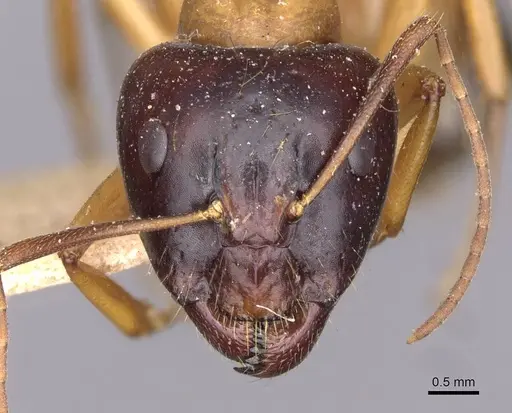
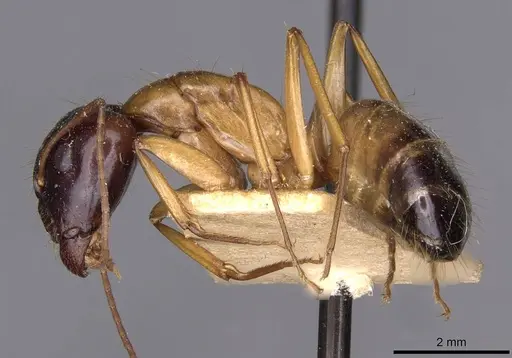
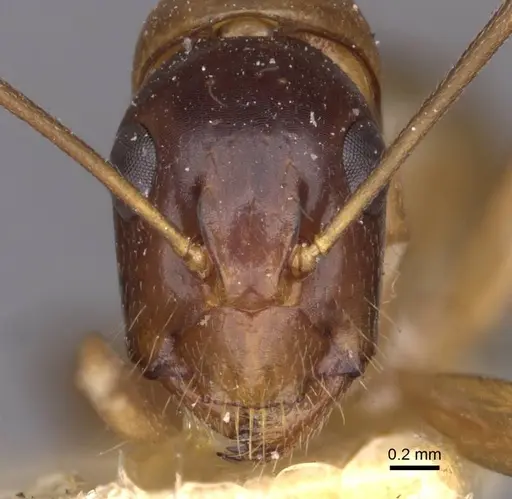
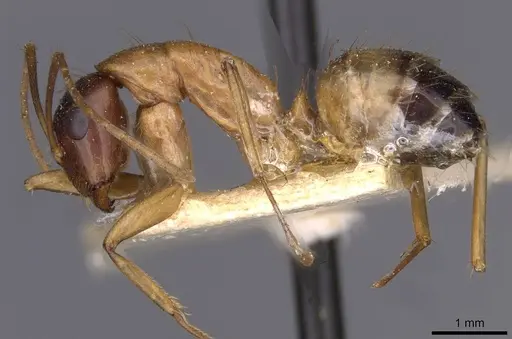
Camponotus kattensis is a carpenter ant species endemic to the Himalayan regions of India. Workers are variable in size with major workers reaching around 8-12mm and minor workers around 5-7mm - sizes inferred from typical Camponotus morphology. The body coloration shows distinctive patterns - the head is typically black, while the mesosoma and legs are ferruginous-red to reddish-brown, and the gaster ranges from reddish-brown to blackish-brown . Queens are robust, estimated in the 12-16mm range based on typical Camponotus morphology. This species is found at elevations around 1828 meters above sea level in the northwestern Himalayas, particularly in areas like Himachal Pradesh . They are recorded from Arunachal Pradesh, Assam, Himachal Pradesh, Sikkim, and West Bengal . As a carpenter ant, they nest in wood - both dead trees and wooden structures. They are a rare species in the antkeeping hobby due to their limited geographic range. Like other Camponotus species, they are generalist foragers that feed on honeydew, insects, and sugary liquids.
Quick Summary
- Difficulty: Medium
- Origin & Habitat: Himalayan regions of India, specifically recorded from Arunachal Pradesh, Assam, Himachal Pradesh, Sikkim, and West Bengal. Found at elevations around 1828 meters above sea level in mountainous areas [2][3]. They nest in wood, typically in dead trees or wooden structures.
- Colony Type: Colony type is unconfirmed. Based on typical Camponotus patterns, likely monogyne (single queen colonies).
- Size & Growth:
- Queen: Estimated 12-16mm based on typical Camponotus morphology
- Worker: Major workers around 8-12mm, minor workers around 5-7mm [1]
- Colony: Colony size data unavailable for this species
- Growth: Moderate, typical for Camponotus species
- Development: Development time is unconfirmed for this specific species. Based on typical Camponotus patterns, estimate 6-8 weeks at optimal temperature. (Development time is temperature-dependent, warmer temperatures within range speed development, cooler temperatures slow it down.)
- Antkeeping:
- Temperature: Keep around 20-24°C. As a Himalayan species, they prefer cooler conditions than tropical carpenter ants. A heating cable on one side of the nest creates a gentle gradient allowing workers to self-regulate [2].
- Humidity: Moderate humidity. Carpenter ants prefer drier nest conditions compared to tropical species. Provide a water tube but avoid overly damp substrates.
- Diapause: Yes, as a Himalayan species, they require a winter hibernation period. Reduce temperature to 10-15°C for 3-4 months during winter. This mimics their natural cycle at high elevation [2].
- Nesting: Y-tong (AAC) nests work well for carpenter ants. They prefer dry to moderately humid chambers. Plaster nests are also suitable. Avoid overly moist substrates as they prefer nesting in relatively dry wood.
- Behavior: Generally calm temperament, Camponotus species are not particularly aggressive. Workers are moderate foragers, actively searching for food both in the nest area and outworld. They accept a wide variety of foods including protein sources, sugar water, and honey. Escape risk is moderate, use standard escape prevention but they are not particularly prone to escaping like tiny species. Major workers can deliver a mild sting if handled roughly, but they are not considered dangerous. As Formicinae ants, they lack a functional sting and instead bite and spray formic acid from their acidopore.
- Common Issues: colonies often fail during hibernation if temperature is not properly reduced, they need a true cold period, slow initial growth during founding phase can cause beginners to abandon colonies, overheating is a risk, being from cool Himalayan elevations, they do poorly in hot conditions, queen may abandon or eat brood if disturbed during claustral founding phase
Housing and Nest Setup
Camponotus kattensis does well in Y-tong (AAC) nests or plaster formicariums. As a carpenter ant, they prefer relatively dry conditions, avoid setups that stay constantly wet. A test tube setup works well for founding colonies. For established colonies, provide a nest with chambers sized appropriately for the colony size. They do not require high humidity like tropical species, so a standard setup with a separate water tube for humidity is sufficient. The outworld can be simple, a plastic container with Fluon barrier works to prevent escapes. Since they come from cool Himalayan elevations, avoid placing their nest in warm rooms or near heating elements that would overheat them [2][3].
Feeding and Diet
Like other carpenter ants, C. kattensis is a generalist feeder. Offer protein sources such as small insects (fruit flies, small crickets, mealworms), and provide constant access to sugar sources like sugar water, honey, or diluted jam. They will also collect honeydew from aphids if available. Feed protein 2-3 times per week, and keep sugar water available at all times. Remove uneaten prey after 24-48 hours to prevent mold. During the founding phase, the queen does not eat, she relies on stored fat reserves. Once workers emerge, they will begin foraging and can be offered food in the outworld. Their Himalayan origin suggests they may have lower metabolic demands than tropical species, so avoid overfeeding.
Temperature and Seasonal Care
This is one of the most important aspects of keeping C. kattensis successfully. Being from the Himalayan region at around 1828m elevation, they are adapted to cool conditions. Keep the nest area at 20-24°C, this is warmer than room temperature for most homes, so you may need a small heating cable on one side of the nest to maintain these temperatures. During summer, room temperature may be sufficient. Most critically, they require a winter hibernation period of 3-4 months. In autumn, gradually reduce temperature to 10-15°C and maintain this through winter. This can be done in a garage, basement, or refrigerator designed for ant hibernation. Do not skip hibernation, it is essential for colony health and triggers reproductive development [2].
Colony Development and Growth
Camponotus kattensis follows the typical Camponotus founding pattern. The claustral queen seals herself in a chamber and raises the first brood alone using stored fat reserves. The first workers (nanitics) are typically smaller than normal workers. Growth is moderate. Colony growth speeds up significantly after the first major workers emerge. A mature colony may reach several thousand workers over several years. The development time from egg to worker is estimated at 6-8 weeks at typical Camponotus development rates, but this varies with temperature, cooler conditions slow development. Be patient during the founding phase as this is when colonies are most vulnerable.
Behavior and Temperament
These ants are generally calm and not aggressive toward keepers. Workers are moderately active, foraging both in the nest and in the outworld. They use chemical trails to recruit nestmates to food sources, so you may see them forming lines to new food discoveries. Major workers can deliver a mild sting if threatened, but they are not considered dangerous to humans. They are not particularly prone to escaping, standard escape prevention with Fluon on container edges is sufficient. Their moderate size makes them easy to observe, and their distinctive coloration (red mesosoma and legs with black head) makes them visually interesting. They are primarily nocturnal foragers but will forage during the day if food is available.
Frequently Asked Questions
How long does it take for Camponotus kattensis to produce first workers?
First workers typically emerge 6-8 weeks after the queen lays eggs, at optimal temperature of around 22°C. The founding phase can be slow, be patient. The queen will remain claustral (sealed in) until her first workers hatch.
What temperature is best for Camponotus kattensis?
Keep nest temperature around 20-24°C. They prefer cooler conditions than tropical carpenter ants due to their Himalayan origin. A small heating cable on one side of the nest can help maintain these temperatures. Avoid overheating [2].
Does Camponotus kattensis need hibernation?
Yes, as a Himalayan species, they require a winter hibernation period of 3-4 months. Reduce temperature to 10-15°C during autumn and winter. This is essential for colony health and triggers reproductive development. Skipping hibernation can harm the colony long-term [2].
What do Camponotus kattensis eat?
They are generalist feeders. Offer protein (small insects like fruit flies, small crickets, mealworms) 2-3 times per week, and keep sugar water or honey available at all times. They will also collect honeydew from aphids. Remove uneaten prey after 24-48 hours.
Are Camponotus kattensis good for beginners?
They are rated as medium difficulty. They require proper hibernation and cooler temperatures than many species, which adds complexity. However, they are not aggressive and have straightforward feeding requirements. Experienced beginners should do well with them.
How big do Camponotus kattensis colonies get?
Mature colonies likely reach several thousand workers over several years. This is typical for Camponotus species. Colony growth is moderate, expect 1-2 years to reach 100 workers, and several years to reach full size.
Can I keep multiple Camponotus kattensis queens together?
This species is likely monogyne (single queen). Combining unrelated queens is not recommended as they will likely fight. Only keep one queen per colony.
When should I move Camponotus kattensis from test tube to formicarium?
Move them when the colony reaches around 30-50 workers and the test tube is becoming crowded. Make sure the new nest provides appropriate conditions, dry chambers for carpenter ants. They adapt well to Y-tong or plaster nests.
Why is my Camponotus kattensis colony dying during hibernation?
Common causes include: temperature fluctuations (not stable at 10-15°C), substrate too wet causing fungal issues, or disturbance. Ensure stable, cool temperatures and moderately dry conditions. Also ensure the colony was healthy going into hibernation, weak colonies often don't survive [2].
Report an Issue
The current care sheet is based fully on literature. See inconsistencies, or something that's incorrect? Please , it will be resolved after review from an admin. Contributing to the blogs tab also helps providing information, to make us be able to further improve the caresheets. Thank you for your support!
References

Esta ficha de cuidados está bajo licencia CC BY-SA 4.0 .
Blogs de la comunidad
CASENT0910175
Ver en AntWeb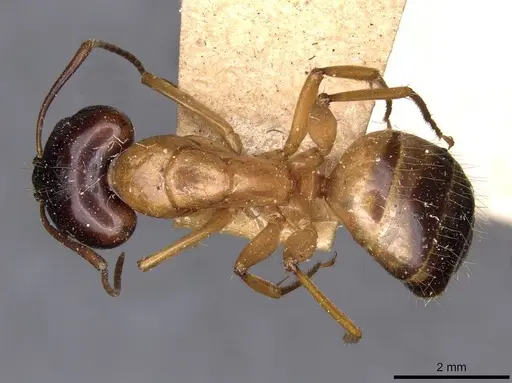
CASENT0910176
Ver en AntWeb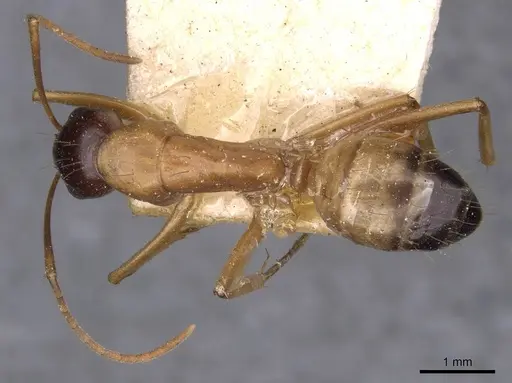
Literatura
Cargando mapa de distribución...Cargando productos...