
Autran's Carpenter ant
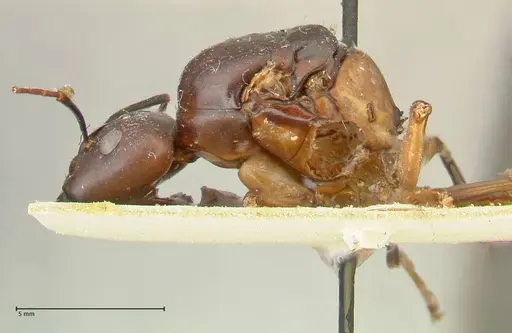
Camponotus autrani
- Nom. cient.
- Camponotus autrani
- Subgénero
- Tanaemyrmex
- Tribu
- Camponotini
- Subfamilia
- Formicinae
- Autor
- Forel, 1886
- Nombre Común
- Autran's Carpenter ant
- Distribución
- Encontrado en 0 países
Introducción
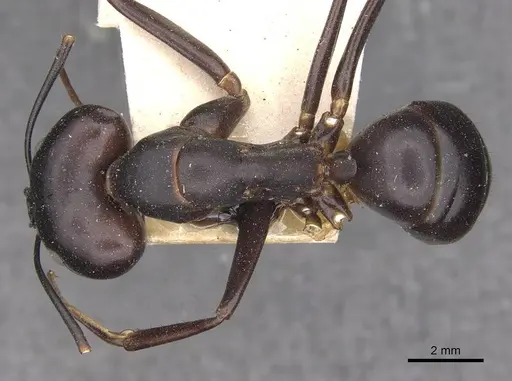
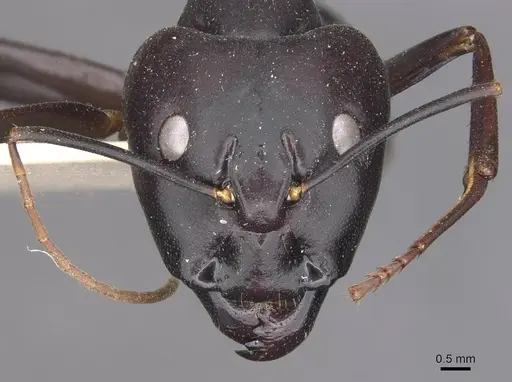
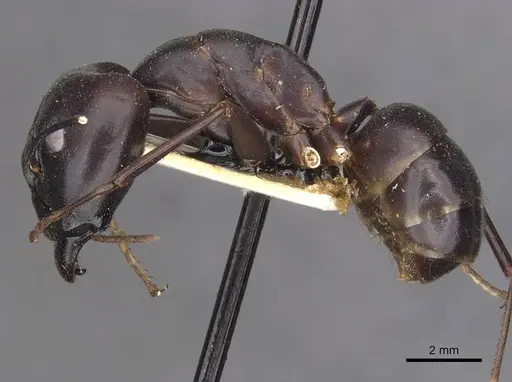
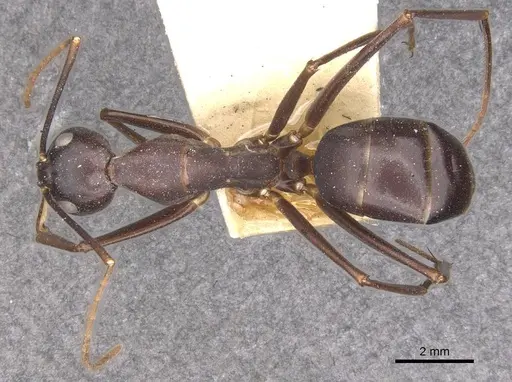
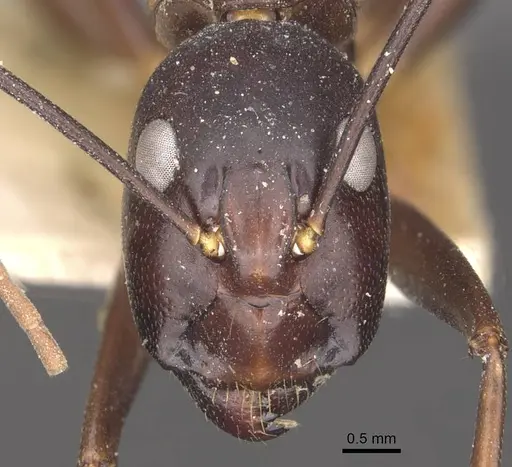
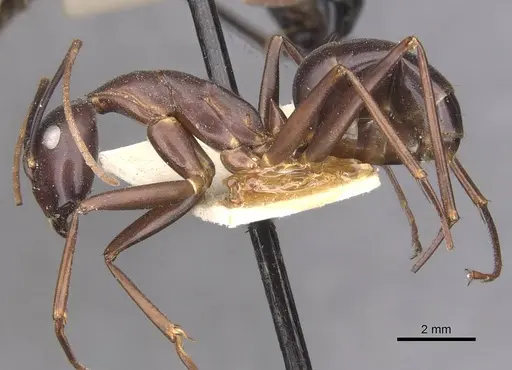
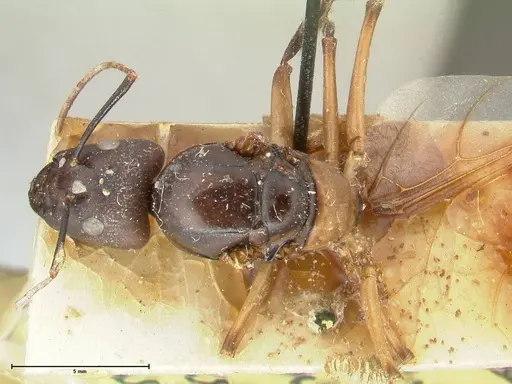
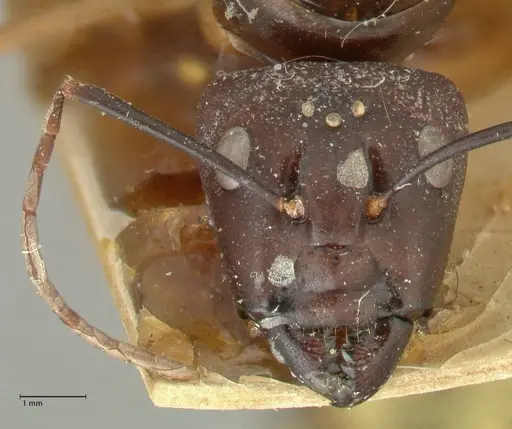
Camponotus autrani is a medium-sized carpenter ant species native to Southeast Asia, specifically found in Indonesia (Sumatra, Borneo) and Malaysia (Sarawak). This species belongs to the subgenus Tanaemyrmex. Workers vary in size, with major workers being larger than minors. The colony structure is unconfirmed, though most Camponotus species are monogyne. These ants nest in rotting wood or arboreal cavities, consistent with their tropical rainforest distribution in the Malay Archipelago.
Quick Summary
- Difficulty: Medium
- Origin & Habitat: Tropical Southeast Asia, Indonesia (Sumatra, Borneo) and Malaysia (Sarawak). They inhabit rainforest environments where they typically nest in rotting wood or arboreal cavities [1].
- Colony Type: Colony structure is unconfirmed. Based on typical Camponotus patterns, likely monogyne (single queen).
- Size & Growth:
- Queen: Size data unavailable for this species. Based on Camponotus genus patterns for medium-large Tanaemyrmex species, queens likely measure approximately 12-15mm.
- Worker: Minor workers: approximately 5-7mm, Major workers: approximately 7-9mm [1].
- Colony: Estimated up to several thousand workers at maturity based on typical Camponotus colony development.
- Growth: Moderate, Camponotus species typically grow more slowly than smaller ants.
- Development: Estimated 6-8 weeks at optimal temperature based on typical Camponotus development. (Development time varies with temperature, warmer conditions accelerate development while cooler temperatures slow it significantly.)
- Antkeeping:
- Temperature: Keep at 24-28°C (warm room temperature). Provide a temperature gradient so ants can self-regulate. Avoid temperatures below 20°C for extended periods.
- Humidity: Moderate to high humidity (60-80%). As a tropical species, they prefer humid conditions. Keep nest substrate slightly moist but not waterlogged. Provide a water source for drinking.
- Diapause: No true diapause required. As a tropical species from consistent warm climates, they do not need hibernation. Slight seasonal slowdowns may occur during cooler periods.
- Nesting: Y-tong (AAC) nests, plaster nests, or naturalistic setups with rotting wood work well. They prefer dark, secure nesting areas. Test tube setups are suitable for founding colonies.
- Behavior: Generally calm and non-aggressive foragers. Like most Camponotus, they are primarily nocturnal or crepuscular, with workers emerging at night to forage for honeydew and small insects. They are not aggressive defenders but will bite if their nest is threatened. They lack a functional sting but can spray formic acid from their acidopore after biting. Escape risk is moderate, standard escape prevention (fluon on rim edges) is sufficient.
Housing and Nest Setup
For founding colonies, a simple test tube setup works well. Fill a test tube one-third with water, plug with a cotton ball, and place the queen in the tube. The queen will seal herself into a dark corner and begin laying eggs. Once you have 10-20 workers, you can transition to a more permanent formicarium. Y-tong (AAC) nests or plaster nests are excellent choices because they provide the dark, humid environment these ants prefer. Naturalistic setups with rotting wood pieces also work well and mimic their natural arboreal nesting sites. Always ensure there's a water source. Cover all openings with fine mesh or fluon to prevent escapes, especially during the founding stage when the colony is small.
Feeding and Diet
Camponotus autrani is omnivorous with a preference for protein-rich foods. In captivity, offer sugar water or honey as an energy source, and protein sources such as mealworms, small crickets, or other insects. They typically forage at night, so placing food in the outworld during evening hours mimics their natural behavior. Feed protein prey 2-3 times per week, and keep a constant supply of sugar water available. Remove any uneaten prey after 24 hours to prevent mold. Ensure a small water source is always available.
Temperature and Seasonal Care
As a tropical species from Southeast Asia, Camponotus autrani prefers warm, stable temperatures between 24-28°C. Room temperature in most homes (20-24°C) is acceptable, but providing a slight warmth can accelerate colony growth. Create a temperature gradient so workers can move between warmer and cooler areas as needed. Unlike temperate species, they do not require hibernation. However, slight reductions in activity during cooler months are natural. Avoid sudden temperature drops and keep the nest away from air conditioning vents or drafty windows. High humidity (60-80%) is important, mist the outworld occasionally and ensure the nest substrate remains slightly moist.
Colony Development and Growth
Camponotus colonies grow more slowly than many common ant species. After the queen lays her first eggs, expect 6-8 weeks for the first workers (nanitics) to emerge. These first workers are typically smaller than normal workers. The colony will remain small for the first few months as the queen focuses on producing more workers. Growth accelerates once you have 30-50 workers, as more foragers can gather food. A mature colony may reach several thousand workers over 2-3 years. Patience is key, resist the urge to overfeed or disturb the nest during the founding phase. The queen may stop laying eggs temporarily if the colony is stressed, and this is normal recovery behavior.
Behavior and Temperament
Camponotus autrani is a relatively calm species that is pleasant to observe. Workers are primarily nocturnal, becoming active in the evening and throughout the night to forage. They are not aggressive and will typically flee rather than fight when threatened. However, they can bite and will spray formic acid from their acidopore into the wound. These ants communicate through chemical signals and use tandem running similar to other Camponotus species. They prefer to keep their nest clean and will remove dead workers and debris. Colonies establish distinct foraging routes once they find reliable food sources. The queen is robust and long-lived, potentially living 10-15 years in optimal conditions.
Frequently Asked Questions
How long does it take for Camponotus autrani to produce first workers?
Expect 6-8 weeks from egg to first worker at warm temperatures (24-28°C). This is typical for Camponotus species, they grow more slowly than smaller ants.
What do Camponotus autrani ants eat?
They are omnivorous. Offer sugar water or honey for energy, and protein sources like mealworms, small crickets, or other insects 2-3 times per week. They forage primarily at night.
What temperature do Camponotus autrani need?
Keep them at 24-28°C. A slight gradient is ideal, warm on one side, cooler on the other. They are tropical ants and need consistent warmth.
Are Camponotus autrani good for beginners?
They are moderate difficulty. The main challenges are their slower growth rate compared to smaller species and their need for warm, humid conditions. They are more forgiving than some species but require patience.
When should I move Camponotus autrani to a formicarium?
Move them once you have 15-30 workers and the test tube is becoming crowded. A Y-tong or plaster nest works well. Make sure the new enclosure is dark and humid.
Do Camponotus autrani need hibernation?
No, they do not require hibernation. As a tropical species from Southeast Asia, they prefer consistent warm temperatures year-round.
How big do Camponotus autrani colonies get?
Mature colonies can reach several thousand workers over 2-3 years. They are medium-to-large carpenter ants with a moderately fast growth rate once established.
Can I keep multiple Camponotus autrani queens together?
Not recommended unless you know the colony type. Multiple queens will fight if the species is monogyne. Only keep one queen per colony unless you confirm otherwise.
Why is my Camponotus autrani colony not growing?
Common causes include temperatures below 20°C, insufficient protein in diet, or disturbance during founding. Ensure warm temperatures (24-28°C), proper feeding, and minimal nest disturbance.
Report an Issue
The current care sheet is based fully on literature. See inconsistencies, or something that's incorrect? Please , it will be resolved after review from an admin. Contributing to the blogs tab also helps providing information, to make us be able to further improve the caresheets. Thank you for your support!
References

Esta ficha de cuidados está bajo licencia CC BY-SA 4.0 .
Blogs de la comunidad
Literatura
Cargando mapa de distribución...Cargando productos...