
Bothriomyrmex turcomenicus
- Nom. cient.
- Bothriomyrmex turcomenicus
- Tribu
- Bothriomyrmecini
- Subfamilia
- Dolichoderinae
- Autor
- Emery, 1925
- Distribución
- Encontrado en 0 países
Introducción
Bothriomyrmex turcomenicus is a small Dolichoderinae ant native to Central Asia, found in Kazakhstan, Turkmenistan, and southern Russia . This species is a temporary social parasite - the queen cannot establish a colony independently and instead infiltrates nests of Tapinoma ants, where she manipulates host workers to kill their own queen before raising the parasite's brood . The queen is ergatoid (worker-sized), and after invading the host nest, her abdomen becomes physogastric, expanding dramatically to produce large numbers of eggs .
Quick Summary
- Difficulty: Expert
- Origin & Habitat: Native to the Palaearctic region, specifically Turkmenistan, Kazakhstan, and southern Russia [1][2]. Inhabits dry steppe and desert-edge environments where Tapinoma host colonies are present.
- Colony Type: Temporary social parasite, requires a host Tapinoma colony to establish. The queen enters a Tapinoma nest, manipulates host workers to kill their host queen, and uses host workers until her own brood matures [3].
- Size & Growth:
- Queen: size data unavailable, ergatoid (worker-sized) queen [3]
- Worker: size data unavailable, small ant [3]
- Colony: up to several hundred workers once established [3]
- Growth: Fast, once established in host colony, growth is very rapid due to high egg production [3]
- Development: Unknown for this species (Development occurs within the host colony environment using host worker care.)
- Antkeeping:
- Temperature: Keep nest around 22-26°C. These are warm-climate ants from Central Asia. Inferred from habitat.
- Humidity: Moderate humidity. They come from semi-arid regions. Avoid overly damp conditions. Inferred from habitat.
- Diapause: Likely requires a mild winter rest period of 2-3 months at 10-15°C, consistent with temperate Central Asian species. Estimated based on genus patterns.
- Nesting: Cannot found colonies independently. Must be introduced to an established Tapinoma colony. After integration, they can be kept in standard formicariums. Y-tong or soil nests work well once colony is established.
- Behavior: Peaceful toward host Tapinoma workers initially, but the queen manipulates host workers to kill the host queen. Workers are small and non-aggressive. They do not sting. Escape risk is moderate due to small size, use standard barriers.
- Common Issues: establishment failure, queen may be rejected or killed by host colony, host colony death, without a healthy Tapinoma host, the parasite colony cannot establish, wrong host species, must use correct Tapinoma species as host, small colony collapse, founding colonies are vulnerable until established, escape due to small size, use fine mesh barriers
Understanding Temporary Social Parasitism
Bothriomyrmex turcomenicus is a temporary social parasite, this means the queen cannot start a colony on her own like most ants. Instead, she must find an established colony of a host species (in this case, Tapinoma ants) and infiltrate it. The parasitic queen enters the host nest and manipulates the behavior of host workers so that they kill their own queen. Once the host queen is gone, the host workers begin caring for the parasite's eggs and larvae instead. For a period, the nest contains workers of both species. Over time, as the original Tapinoma workers die off, they are replaced by Bothriomyrmex workers until only the parasite species remains [3]. This is one of the most fascinating ant behaviors to observe in captivity.
Establishing a Colony
Establishing Bothriomyrmex turcomenicus in captivity is challenging and differs fundamentally from keeping other ants. You cannot simply set up a queen in a test tube, she will not survive. Instead, you need an established Tapinoma colony to serve as the host. The parasite queen must be carefully introduced to the host colony, and success is not guaranteed. The queen may be rejected or killed by host workers. Some antkeepers recommend introducing the queen when the host colony is queenless, as this may increase acceptance rates. Once accepted, the transition period begins where both species coexist. This process requires advanced antkeeping experience and careful observation [3].
Host Colony Requirements
The success of Bothriomyrmex turcomenicus depends entirely on having a healthy Tapinoma host colony. Tapinoma ants are small, dark ants often found in homes and gardens. They are fast-moving and build nests in soil, under stones, or in small cavities. Your host colony should be well-established with at least 50-100 workers before introducing the parasite queen. Keep the host colony healthy with proper feeding (sugar water, small insects) and appropriate temperature (around 22-26°C). The host colony provides all the initial care for the parasite brood, so its health directly determines whether the parasite colony will survive [3].
Feeding and Care After Establishment
Once Bothriomyrmex turcomenicus has replaced the host colony (this takes several months to over a year), care is similar to other small ants. Feed them sugar water or honey regularly, and offer small protein sources like fruit flies, small mealworms, or other tiny insects. They are not aggressive and won't defend food sources vigorously. Remove uneaten food after 24-48 hours to prevent mold. Because they are small, escape prevention should include fine mesh barriers. The colony will grow rapidly once established due to the physogastric queen's high egg production, she can lay enormous numbers of eggs after establishing in the host nest [3].
Temperature and Seasonal Care
Keep Bothriomyrmex turcomenicus at warm temperatures, ideally 22-26°C. They come from Central Asian steppe regions which experience hot summers and cold winters. During winter, a mild diapause (rest period) of 2-3 months at 10-15°C is likely beneficial, mimicking their natural seasonal cycle. Reduce feeding during this period and allow the colony to slow down. Do not keep them actively growing through winter as this may weaken the colony long-term. Room temperature within their range is acceptable, but a slight heat gradient allows the ants to choose their preferred temperature zone.
Legal and Ethical Considerations
Bothriomyrmex turcomenicus is not widely available in the antkeeping hobby and is considered an expert-level species. If you obtain a colony, never release it into the wild outside its native range. As a parasitic ant that specifically requires a host species, accidental release is unlikely to establish populations anyway, but responsible antkeeping practices should always be followed. Ensure you have the correct Tapinoma host species before attempting to establish this parasite ant.
Frequently Asked Questions
Can I keep Bothriomyrmex turcomenicus in a test tube like other ants?
No. Unlike most ants, Bothriomyrmex turcomenicus cannot found colonies independently. The queen requires a host Tapinoma colony to survive and establish. You need an established Tapinoma colony first, then carefully introduce the parasite queen.
How do I establish a Bothriomyrmex turcomenicus colony?
You need two colonies: a host Tapinoma colony and the parasite Bothriomyrmex queen. Introduce the parasite queen to the host colony carefully. Success is not guaranteed, host workers may reject or kill her. Some keepers recommend introducing when the host colony is queenless.
What do Bothriomyrmex turcomenicus eat?
Once established, they eat sugar sources (honey, sugar water) and small protein (fruit flies, tiny insects). The physogastric queen lays eggs rapidly, so protein is important for brood development.
Are Bothriomyrmex turcomenicus good for beginners?
No. This is an expert-level species due to its parasitic lifestyle requiring a host colony. Beginners should start with simpler species like Lasius, Tetramorium, or Messor ants.
How long does it take for Bothriomyrmex turcomenicus to replace the host colony?
The transition takes several months to over a year. Initially, the nest contains both Tapinoma and Bothriomyrmex workers. As Tapinoma workers die off, they are replaced by Bothriomyrmex workers until only the parasite species remains.
What happens to the Tapinoma host queen?
The parasite queen manipulates the behavior of host workers, causing them to kill their own queen. This is a critical step that allows the parasite colony to take over the nest [3].
How big do Bothriomyrmex turcomenicus colonies get?
Once fully established, colonies can reach several hundred workers. The physogastric queen produces eggs very rapidly after taking over the host colony, leading to fast growth [3].
Do Bothriomyrmex turcomenicus need hibernation?
Likely yes, a mild winter rest of 2-3 months at 10-15°C is recommended, consistent with their Central Asian origin.
Why is my Bothriomyrmex turcomenicus queen dying?
The queen may have been rejected by the host colony. This is common and not fully understood. Host workers may attack and kill unfamiliar queens. Ensure the introduction is done carefully and consider introducing to a queenless host colony.
Report an Issue
The current care sheet is based fully on literature. See inconsistencies, or something that's incorrect? Please , it will be resolved after review from an admin. Contributing to the blogs tab also helps providing information, to make us be able to further improve the caresheets. Thank you for your support!
References

Esta ficha de cuidados está bajo licencia CC BY-SA 4.0 .
Blogs de la comunidad
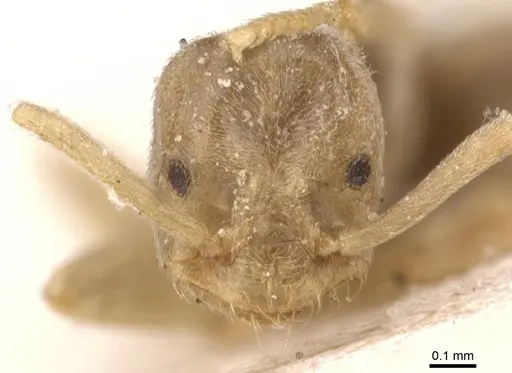
CASENT0905116
Ver en AntWeb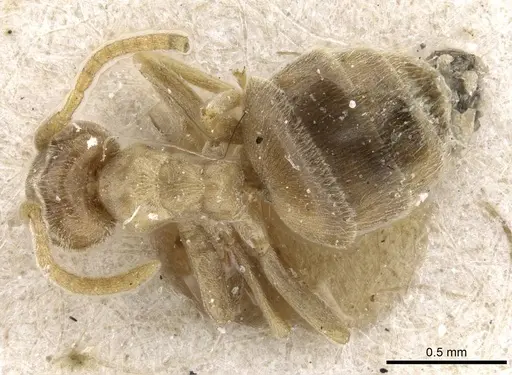
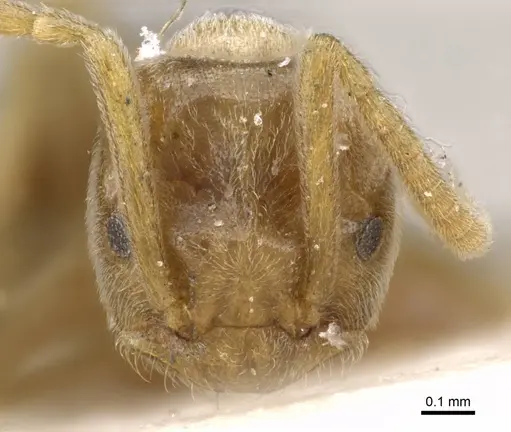
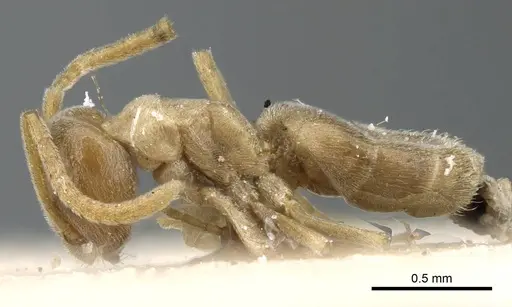
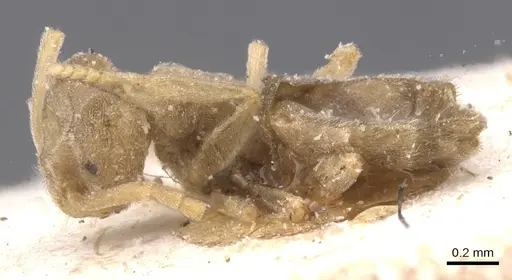
CASENT0911492
Ver en AntWeb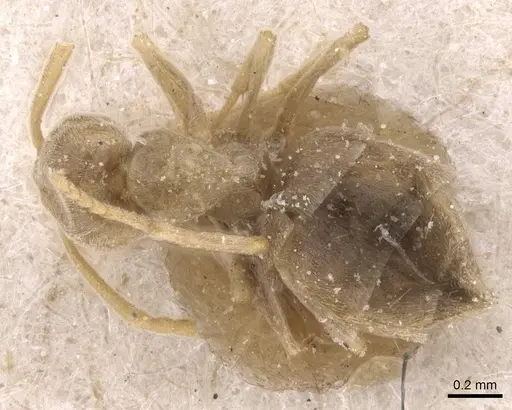
Literatura
Cargando mapa de distribución...Cargando productos...