
Aphaenogaster bressleri
- Nom. cient.
- Aphaenogaster bressleri
- Tribu
- Stenammini
- Subfamilia
- Myrmicinae
- Autor
- Csősz & Fisher, 2021
- Distribución
- Encontrado en 0 países
Introducción
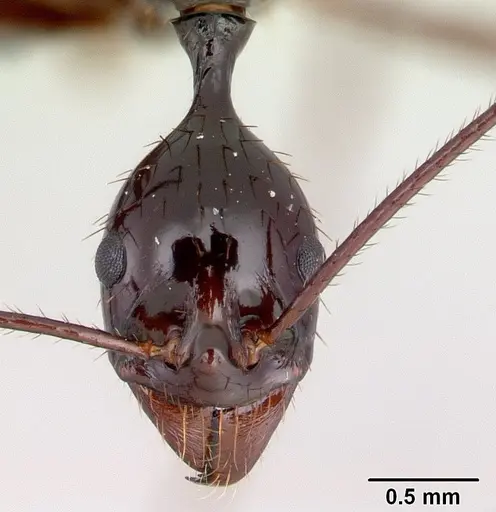
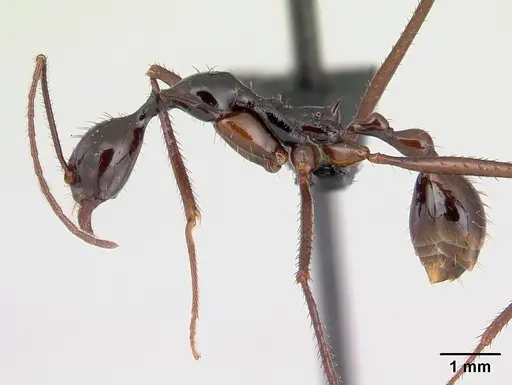
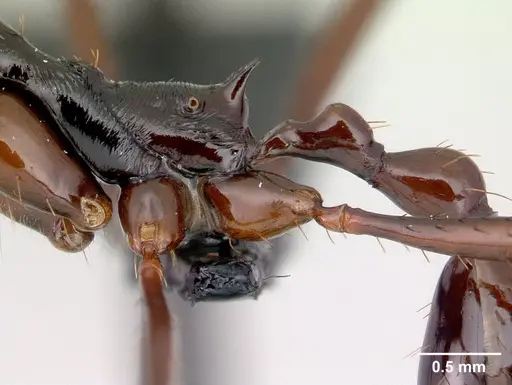
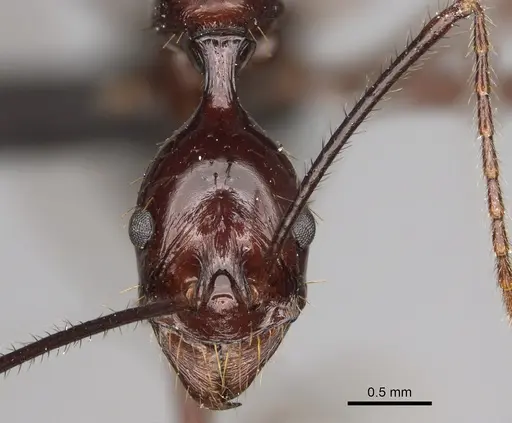
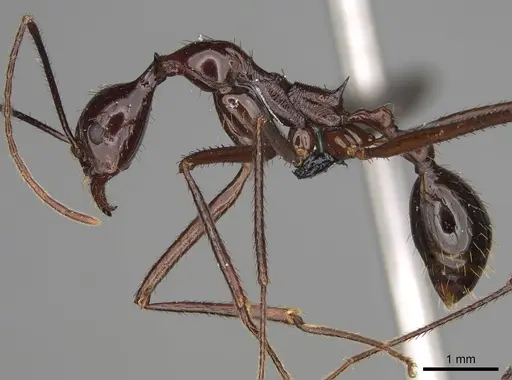
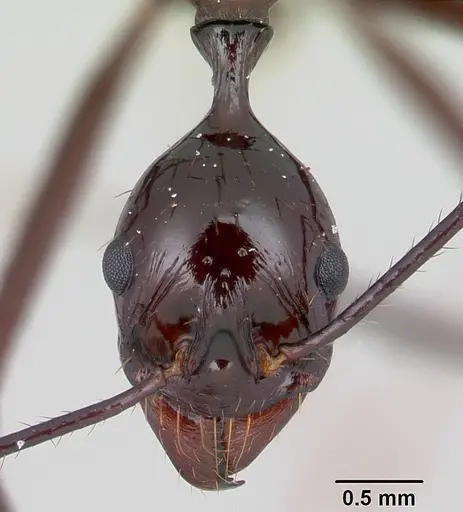
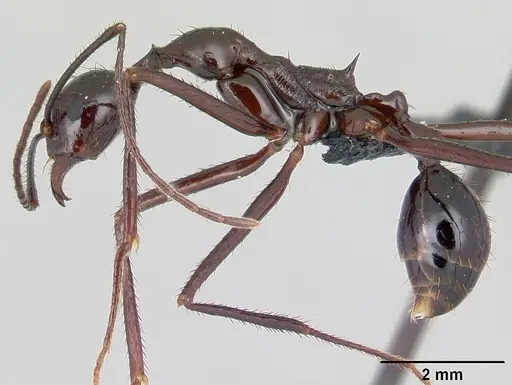
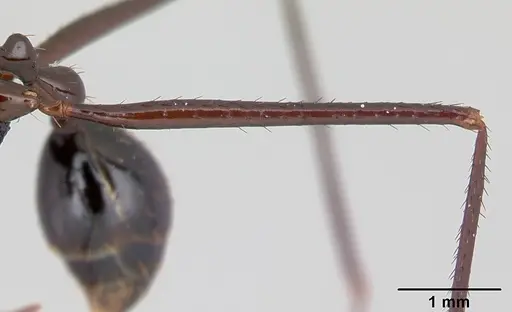
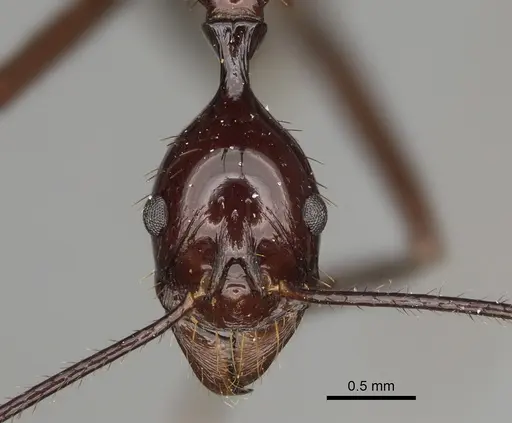
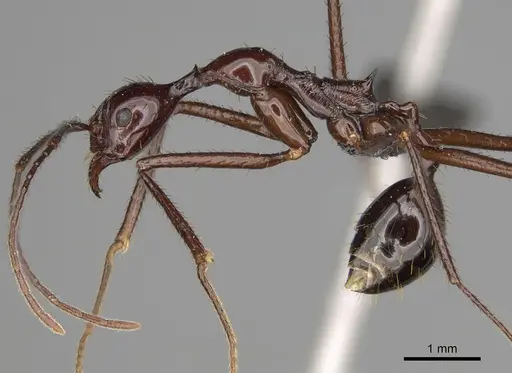
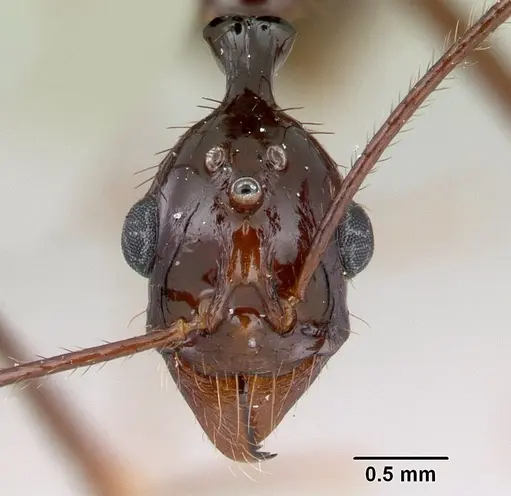
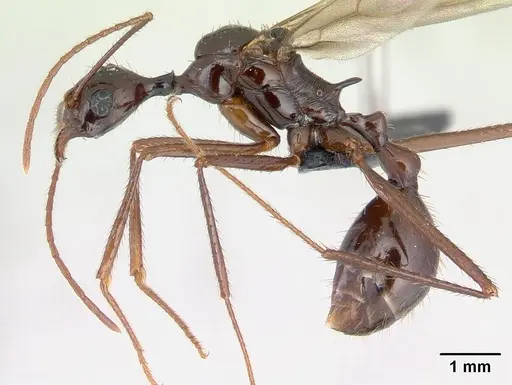
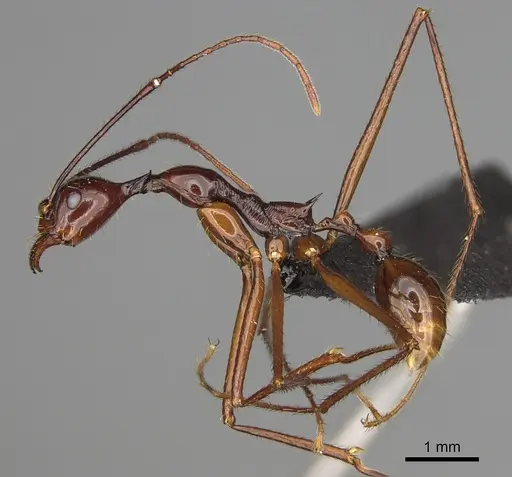
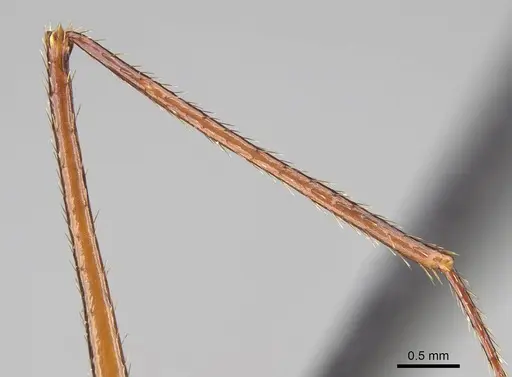
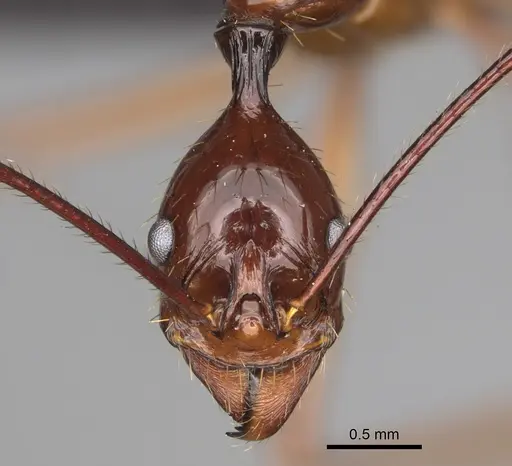
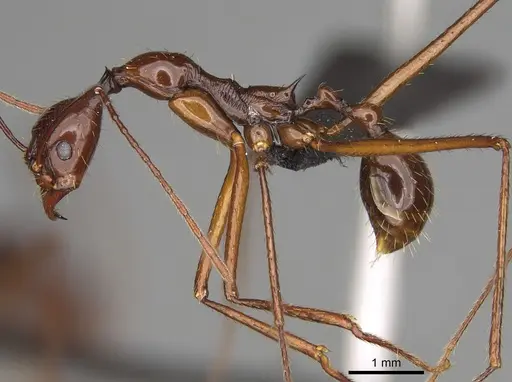
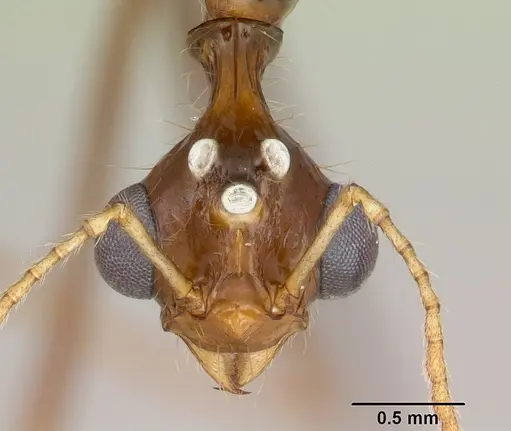
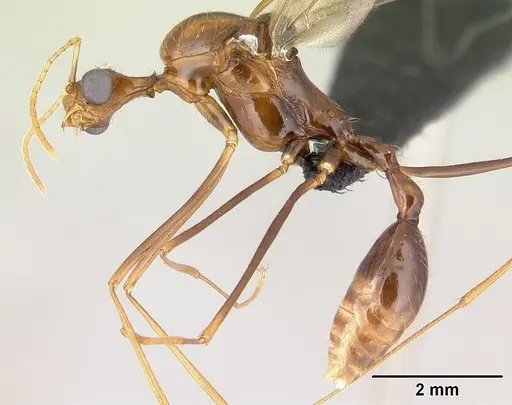
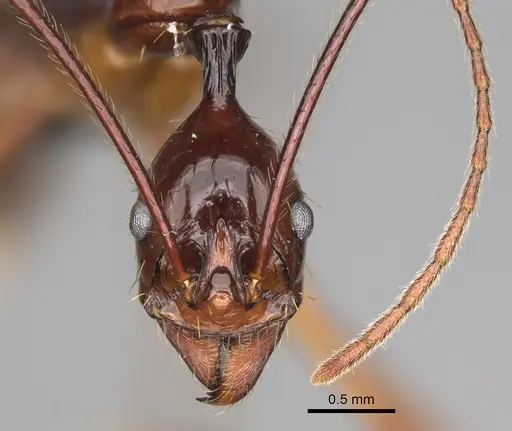
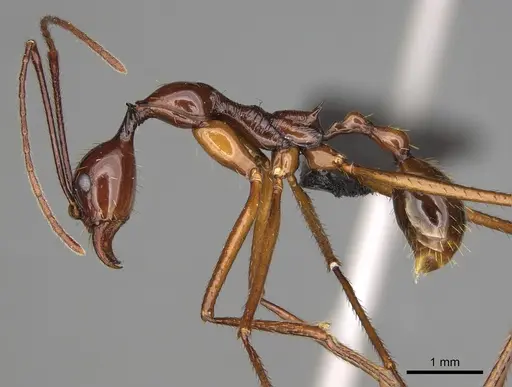
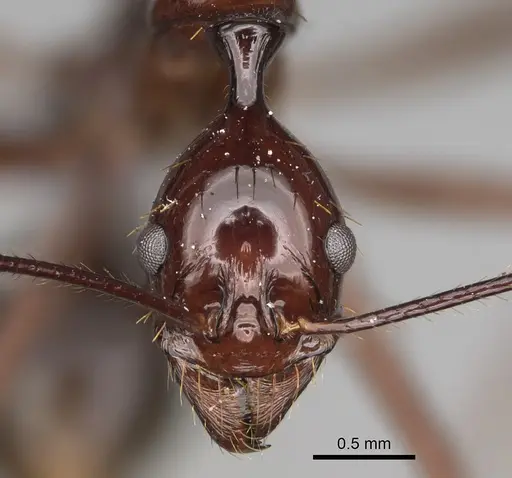
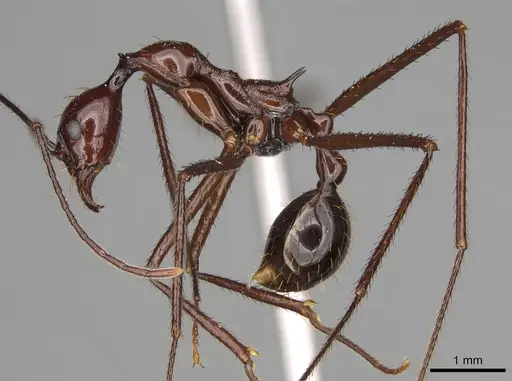
Aphaenogaster bressleri is a tropical ant species native to the rainforests of Madagascar, specifically found in the Betampona Reserve at around 520 meters elevation . This species belongs to the swammerdami species group, which forms a well-supported clade within the tropical Deromyrma lineage, evolutionarily separate from any West-Palearctic Aphaenogaster species . A remarkable feature of this species is that it serves as the model for four different Camponotus mimic species, Camponotus imitator, Camponotus jodina, Camponotus karaha, and Camponotus longicollis, which copy its physical form and foraging behavior when foraging alongside it in the wild .
Quick Summary
- Difficulty: Medium
- Origin & Habitat: Tropical rainforest in eastern Madagascar, specifically the Betampona Reserve [1][2].
- Colony Type: Unconfirmed. Colony structure has not been documented for this species.
- Size & Growth:
- Queen: Size data unavailable for this species.
- Worker: Size data unavailable for this species.
- Colony: Unknown. No documented colony size data exists for this species.
- Growth: Unknown. No captive breeding documentation is available.
- Development: Unknown for this species. (Development timeline has not been studied. Tropical Aphaenogaster species typically develop faster in warm conditions.)
- Antkeeping:
- Temperature: Keep warm year-round. Based on Madagascar tropical habitat, maintain 24-28°C. Avoid temperatures below 20°C.
- Humidity: High humidity required. Keep nest substrate consistently moist but not waterlogged, similar to damp rainforest floor conditions.
- Diapause: No. These tropical ants do not require winter dormancy.
- Nesting: In nature they likely nest in soil and rotting wood. In captivity, use test tubes for founding colonies, then move to a formicarium with humid nest materials like plaster or Y-tong with moisture chambers.
- Behavior: Active foragers. Based on typical Aphaenogaster behavior, they likely collect seeds and scavenge for dead insects. Workers are small, so escape prevention must be excellent.
- Common Issues: maintaining consistent tropical heat and humidity requires dedicated heating equipment, temperatures below 20°C can stress or kill the colony., small workers can squeeze through gaps in standard enclosures, requiring fine mesh barriers and tight-fitting lids., no captive breeding documentation exists for this species, so you must observe colony response carefully and adjust care based on behavior.
Natural History and Distribution
Aphaenogaster bressleri lives in the tropical rainforests of eastern Madagascar. The type specimens were collected in December at the Betampona Reserve, a lowland rainforest site at 520 meters elevation [1]. This species belongs to the swammerdami species group, which forms its own evolutionary branch within the tropical Deromyrma clade, separate from European Aphaenogaster species [2]. These ants participate in a remarkable mimicry system where four different Camponotus species copy their general form and foraging behavior. Camponotus imitator, Camponotus jodina, Camponotus karaha, and Colobopsis longicollis are frequently observed foraging alongside Aphaenogaster bressleri and its close relatives, though the exact benefit to the mimic ants remains unstudied [1].
Housing and Nest Setup
Start founding colonies in standard test tubes with water reservoirs, keeping them in a warm location. Once the colony grows beyond 20-30 workers, move them to a small formicarium. Because these ants come from rainforest habitats, they need humid nest conditions. Use nest materials that hold moisture well, such as plaster, Y-tong (autoclaved aerated concrete), or naturalistic setups with rotting wood and soil. Provide a humidity gradient within the nest so workers can choose their preferred moisture level. The outworld should have secure lids with fine mesh ventilation, as small workers can escape through surprisingly small gaps. [1]
Temperature and Humidity Requirements
As tropical rainforest ants, Aphaenogaster bressleri needs warm temperatures year-round. Keep the nest area between 24-28°C. You can create a gentle heat gradient by placing a heating cable or heat mat on one side of the nest, positioned on top to avoid drying out the water reservoir. Do not let temperatures drop below 20°C for extended periods. Humidity should remain high, keep the nest substrate damp to the touch, similar to a wrung-out sponge. Check moisture levels regularly and rehydrate when the surface begins drying out, rather than following a fixed schedule. These ants do not require hibernation or winter rest periods. [1]
Feeding and Diet
Based on typical Aphaenogaster patterns, these ants are omnivorous. Offer a mix of protein sources such as small insects, mealworms, or crickets, and carbohydrate sources like sugar water or honey water. They likely collect and store seeds as well, so small seeds can be offered occasionally. Feed protein twice weekly and keep sugar water available constantly. Remove uneaten food promptly to prevent mold growth in the humid conditions these ants require. Live prey should be small enough for workers to handle easily.
Colony Founding
Founding behavior is unconfirmed for this species. Set up founding queens in test tubes with water reservoirs and keep them undisturbed in warm, dark conditions. Keep the setup at 24-28°C. Monitor but do not disturb the queen until the first workers emerge.
Frequently Asked Questions
Can I keep Aphaenogaster bressleri in a test tube?
Yes, test tubes work well for founding colonies. Set up the queen with a water reservoir and cotton plug, keep her warm at 24-28°C, and avoid disturbing her until the first workers hatch.
How long until first workers for Aphaenogaster bressleri?
The exact timeline is unknown. No documented development time exists for this species.
Do Aphaenogaster bressleri need hibernation?
No. These ants come from tropical Madagascar and remain active year-round. Keep them warm consistently, they do not require a winter rest period or diapause.
What temperature do Aphaenogaster bressleri need?
Keep them at 24-28°C. Use a heating cable or heat mat on one side of the nest if your room is cooler. Avoid letting temperatures drop below 20°C for extended periods.
Can I keep multiple Aphaenogaster bressleri queens together?
Not recommended. The exact colony structure is unconfirmed, and combining unrelated queens will likely result in fighting and death.
What do Aphaenogaster bressleri eat?
They are likely omnivorous based on typical Aphaenogaster behavior. Feed protein such as small insects or mealworms twice weekly, and provide sugar water or honey water constantly. Small seeds may also be accepted.
Are Aphaenogaster bressleri good for beginners?
They are medium difficulty. While Aphaenogaster species are generally hardy, these require consistent tropical heat and humidity, and no captive care documentation exists, so you must observe carefully and adjust based on colony behavior.
How big do Aphaenogaster bressleri colonies get?
The maximum colony size is unknown. No documented colony size data exists for this species.
Why are my Aphaenogaster bressleri dying?
Common causes include temperatures that are too low (below 20°C), insufficient humidity causing desiccation, or escape attempts leading to desiccation outside the nest. Ensure consistent heating and high humidity levels.
Report an Issue
The current care sheet is based fully on literature. See inconsistencies, or something that's incorrect? Please , it will be resolved after review from an admin. Contributing to the blogs tab also helps providing information, to make us be able to further improve the caresheets. Thank you for your support!
References

Esta ficha de cuidados está bajo licencia CC BY-SA 4.0 .
Blogs de la comunidad
CASENT0006625
Ver en AntWeb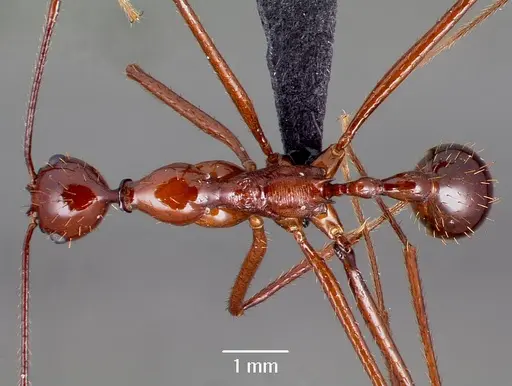
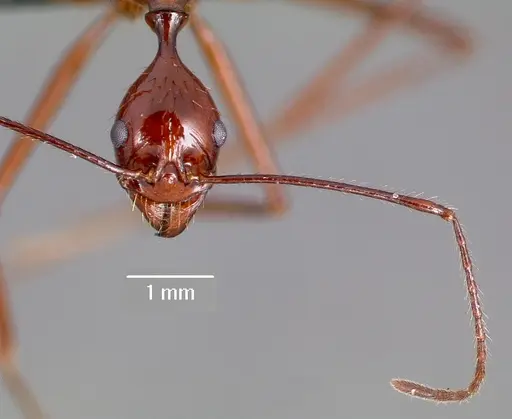
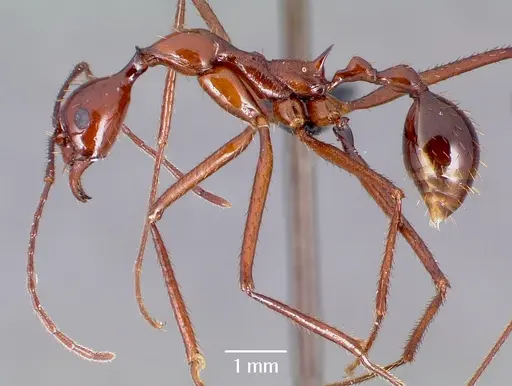
CASENT0063309
Ver en AntWeb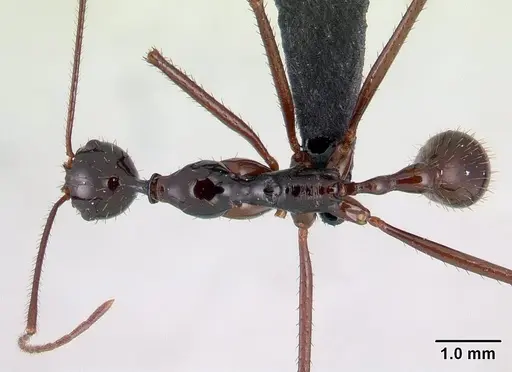
CASENT0066999
Ver en AntWeb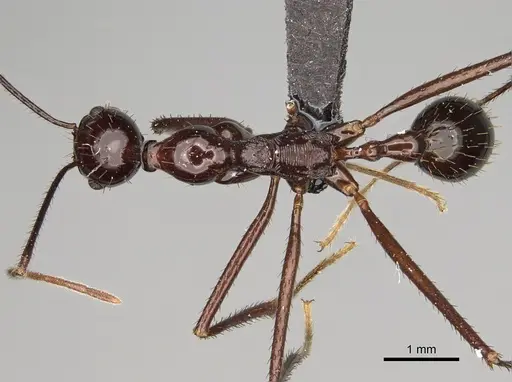
CASENT0067574
Ver en AntWeb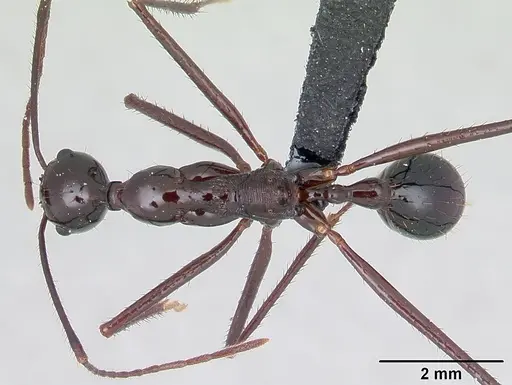
CASENT0067682
Ver en AntWeb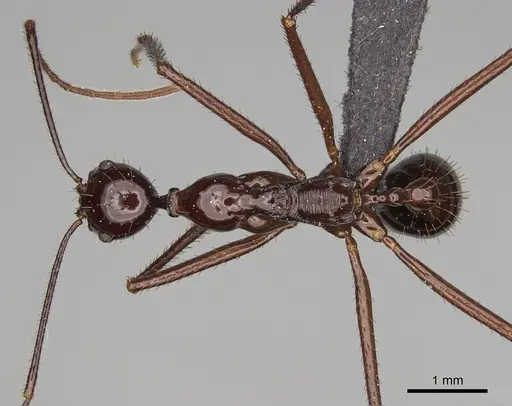
CASENT0178465
Ver en AntWeb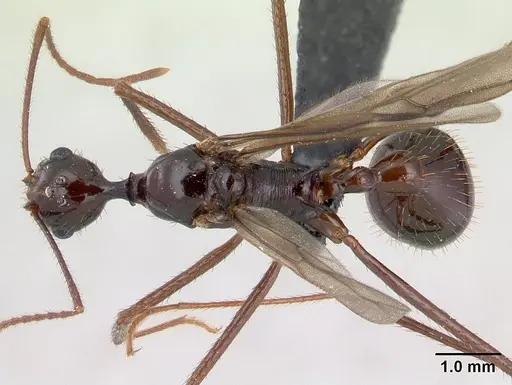
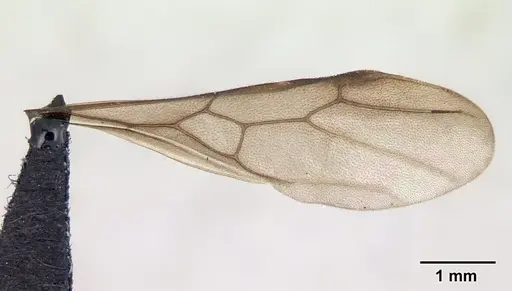
CASENT0495063
Ver en AntWeb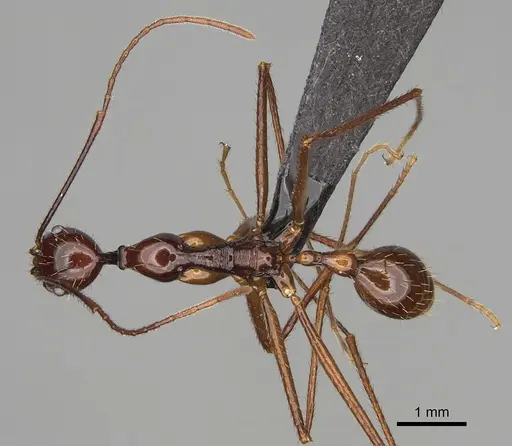
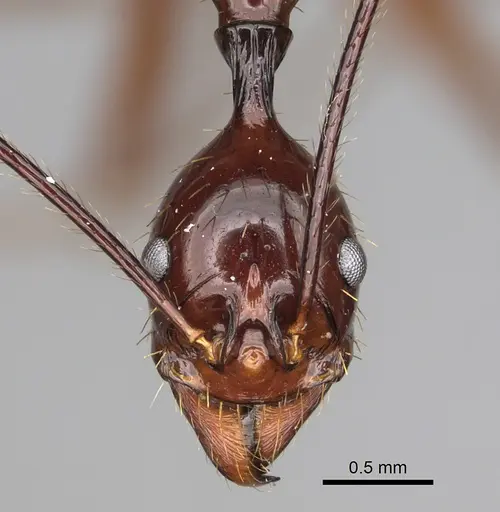
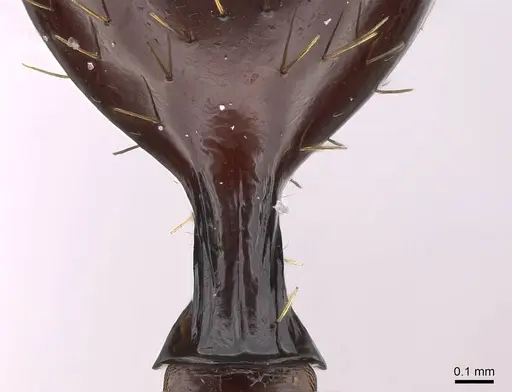
CASENT0495064
Ver en AntWeb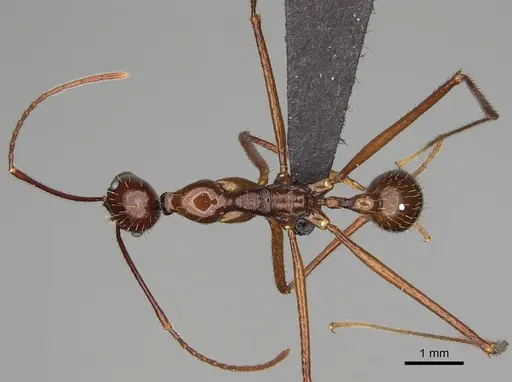
CASENT0495103
Ver en AntWeb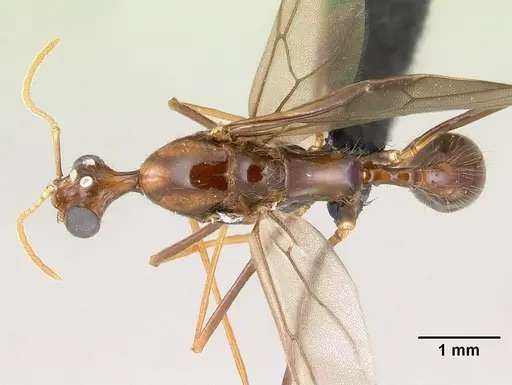
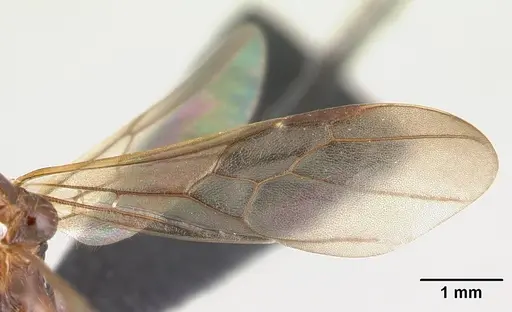
CASENT0822137
Ver en AntWeb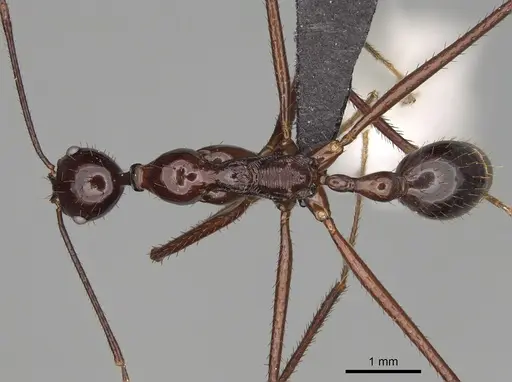
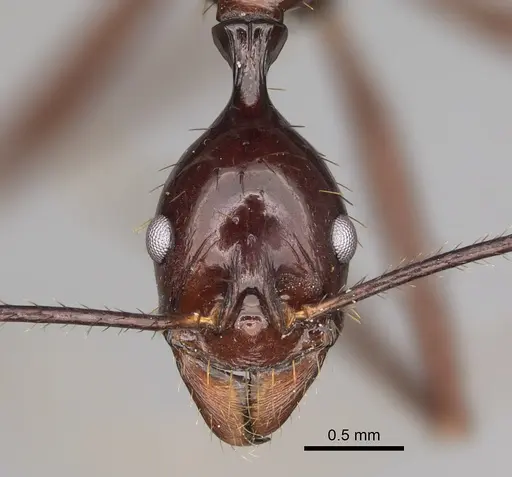
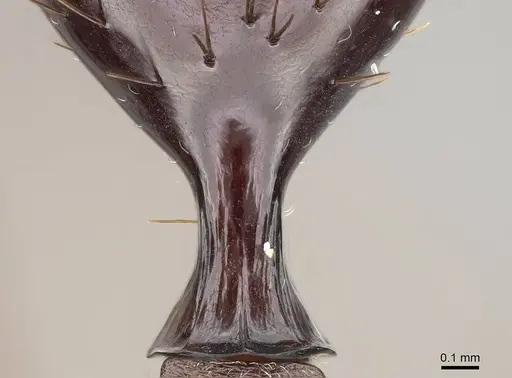
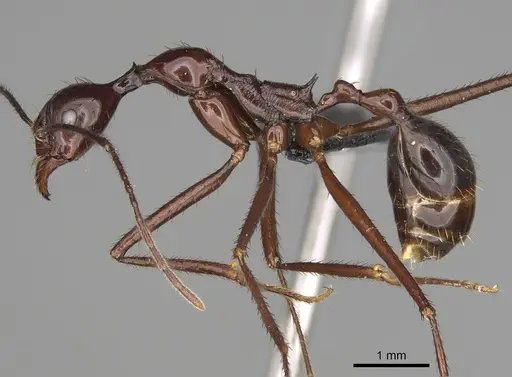
CASENT0822145
Ver en AntWeb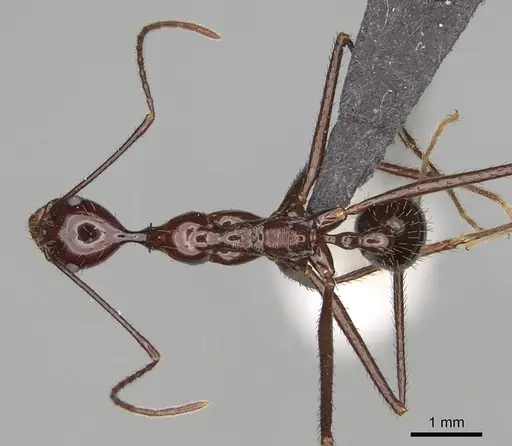
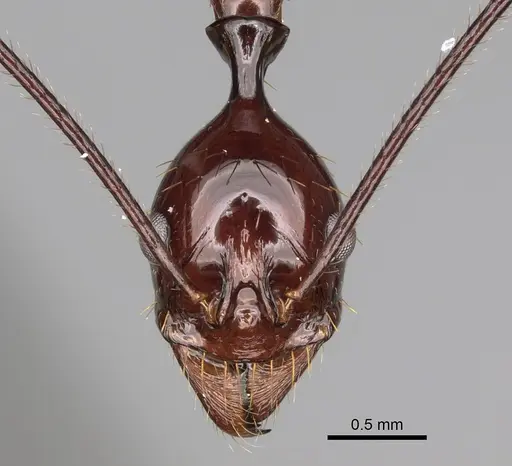
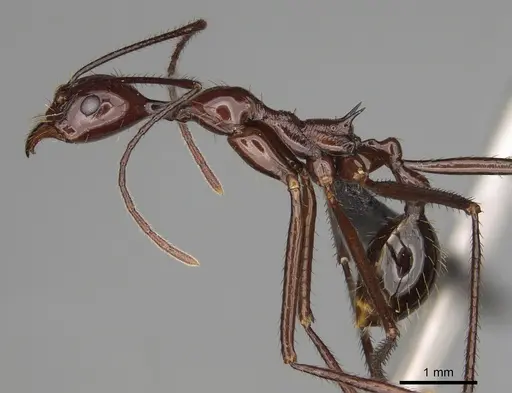
CASENT0822355
Ver en AntWeb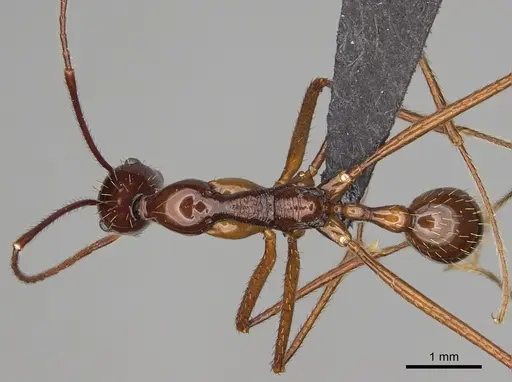
CASENT0822356
Ver en AntWeb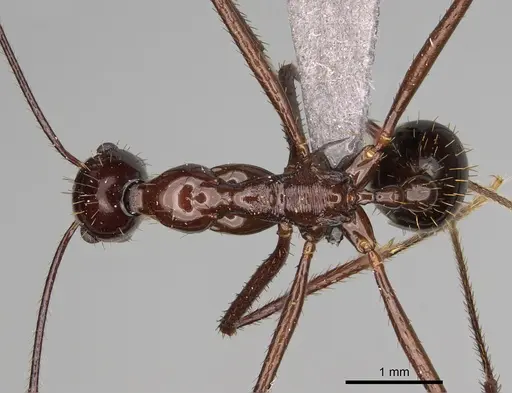
Literatura
Cargando mapa de distribución...Cargando productos...