
Aenictus fulvus
- Nom. cient.
- Aenictus fulvus
- Subfamilia
- Dorylinae
- Autor
- Jaitrong & Yamane, 2011
- Distribución
- Encontrado en 0 países
Introducción
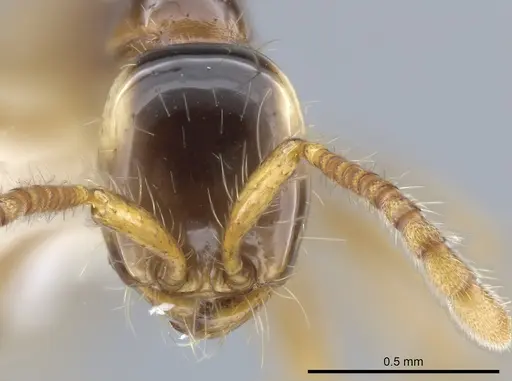
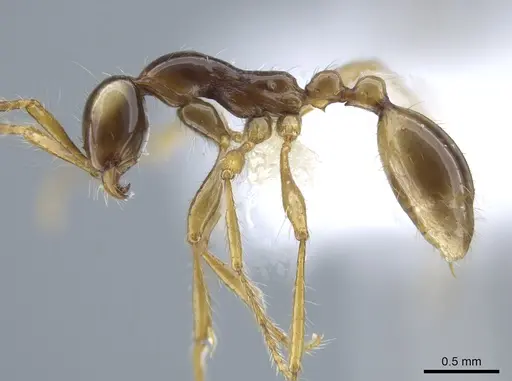
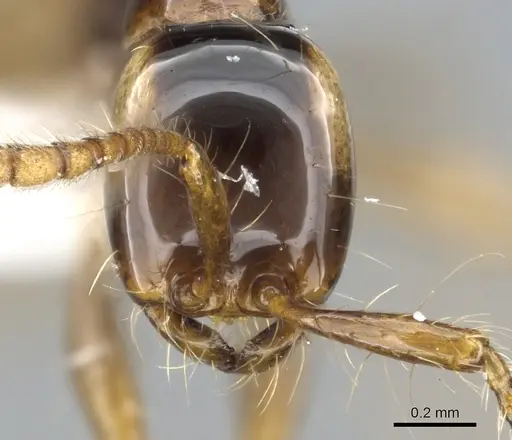
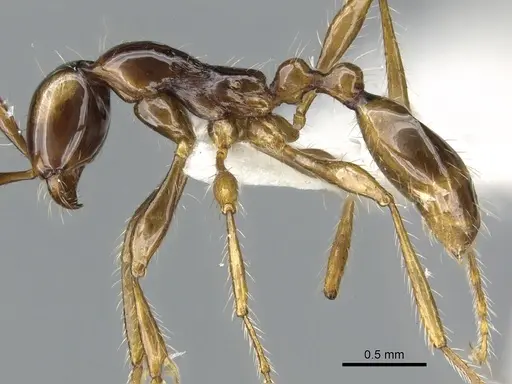
Aenictus fulvus are tiny army ants with smooth, shiny reddish-brown to yellowish-brown bodies. Workers measure 2.95-3.10 mm total length . They inhabit lowland rainforests and rubber plantations across the Malay Peninsula (southern Thailand, western Malaysia) and Borneo (Sabah, Sarawak, Brunei, East Kalimantan) . These ants are specialized predators that raid other ant colonies. Researchers discovered one colony preying on Crematogaster ants beneath a rotting log during the wet season . Scientists have only ever documented worker ants, no queens or males have been found . This means colonies cannot be founded in captivity through traditional methods.
Quick Summary
- Difficulty: Expert
- Origin & Habitat: Lowland rainforests and rubber plantations of the Malay Peninsula (southern Thailand, western Malaysia) and Borneo (Sabah, Sarawak, Brunei, East Kalimantan) [1].
- Colony Type: Only the worker caste has been documented. No queens or males are known, meaning traditional colony founding is not possible [1].
- Size & Growth:
- Queen: Unknown, queens have never been documented [1].
- Worker: 2.95-3.10 mm total length [1].
- Colony: Unknown, but related army ants maintain large colonies with hundreds to thousands of workers.
- Growth: Unknown
- Development: Unknown, no queens documented to observe development [1]. (Colonies cannot be founded from single queens since queens are unknown.)
- Antkeeping:
- Temperature: Tropical species requiring warm conditions. Based on native lowland rainforest habitat, keep around 24-28°C.
- Humidity: High humidity required, collected during wet season under rotting logs [1].
- Diapause: No, tropical species without winter dormancy.
- Nesting: Natural colonies form temporary bivouacs under logs. Standard formicaria cannot accommodate their nomadic army ant lifestyle.
- Behavior: Specialized predators that raid other ant colonies. Workers are extremely small, creating extreme escape risks.
- Common Issues: only workers are known, you cannot start a colony from a queen., they require live ant colonies (specifically Crematogaster) as food., workers are tiny and will escape through standard mesh or gaps., army ants need large spaces and frequent nest moves impossible in captivity.
Why Captive Keeping Is Not Recommended
You cannot keep Aenictus fulvus using standard ant-keeping methods because scientists have only ever found worker ants. No queens or males have been documented, which means there is no way to start a colony from a single foundress [1].
Even if you collected a wild colony, you would face impossible dietary requirements. These ants are specialized predators that hunt other ants. The only observed colony was attacking Crematogaster ants [1]. You would need to constantly supply live ant colonies as food.
Their tiny size creates additional problems. Workers are only about 3mm long, allowing them to escape through the tiniest gaps in standard formicaria [1].
Finally, Aenictus fulvus are army ants that likely follow a nomadic lifestyle with large colonies. They need space to form bivouacs and raid widely for food, requirements that cannot be met in captivity.
Natural History and Army Ant Biology
Aenictus fulvus lives in the lowland rainforests of Southeast Asia. Researchers found them in southern Thailand and across Borneo in habitats ranging from primary rainforest to rubber plantations [1].
The species belongs to the Aenictus laeviceps species group [2]. Like other army ants, they likely maintain large colonies with a nomadic phase where the entire colony moves frequently. The type series was discovered under a large rotting log during the wet season, with no worker activity visible on the surface [1].
These ants are active predators. The discovered colony was preying on Crematogaster ants, suggesting they specialize in raiding other ant colonies rather than scavenging for dead insects [1].
Housing Challenges
If you attempted to house Aenictus fulvus, you would face extreme technical challenges. Workers measure just 3mm long, making them escape artists that can squeeze through almost any gap [1]. You would need specialized barriers and extremely fine mesh.
They require tropical conditions with high humidity and temperatures around 24-28°C, matching their native rainforest habitat.
Standard nests like test tubes or Y-tong formicaria would not work. Army ants need open bivouac spaces where the colony clusters together, and they require room to roam for raiding. A standard setup would be too small and would not allow for their natural nomadic behavior.
Dietary Requirements
Aenictus fulvus are obligate ant predators. Unlike generalist ant species that accept honey water and dead insects, these ants require live ant colonies as prey. The only documented feeding behavior shows them attacking Crematogaster ants [1].
This dietary specialization makes captive keeping practically impossible for most ant keepers. You would need to maintain colonies of Crematogaster or similar ants specifically as food sources, and even then, the army ants might not accept prey outside their natural preferences.
They may also require specific chemical cues or brood from their prey species to trigger hunting behavior, though this has not been studied in detail.
Frequently Asked Questions
Can I keep Aenictus fulvus in a test tube?
No. Only worker ants are known for this species, no queens have ever been found. Without a queen, you cannot start a colony. Additionally, they need to raid other ant colonies for food, which is impossible in a test tube setup.
How long until first workers for Aenictus fulvus?
Unknown. Queens have never been documented for this species, so egg-to-worker development time has never been observed.
What do Aenictus fulvus eat?
They are specialized predators of other ants. Researchers observed them preying specifically on Crematogaster ants. They do not eat standard ant foods like honey water or dead insects.
Are Aenictus fulvus good for beginners?
No. They are not suitable for captivity due to unknown queens, specialized dietary needs requiring other ant colonies, and their extremely small size which makes escapes inevitable.
Do Aenictus fulvus need hibernation?
No. They are tropical ants from Southeast Asia and do not require winter rest.
Can I keep multiple queens together?
This is unknown. Queens have never been found for this species, so their colony structure and queen behavior remain undocumented.
How big do Aenictus fulvus colonies get?
Unknown. While the exact size has not been documented, related army ants typically maintain colonies of hundreds to thousands of workers.
Are Aenictus fulvus dangerous?
They are too small to harm humans, but they are aggressive predators of other ants. They pose no sting risk due to their minute size.
Report an Issue
The current care sheet is based fully on literature. See inconsistencies, or something that's incorrect? Please , it will be resolved after review from an admin. Contributing to the blogs tab also helps providing information, to make us be able to further improve the caresheets. Thank you for your support!
References

Esta ficha de cuidados está bajo licencia CC BY-SA 4.0 .
Blogs de la comunidad
CASENT0616591
Ver en AntWeb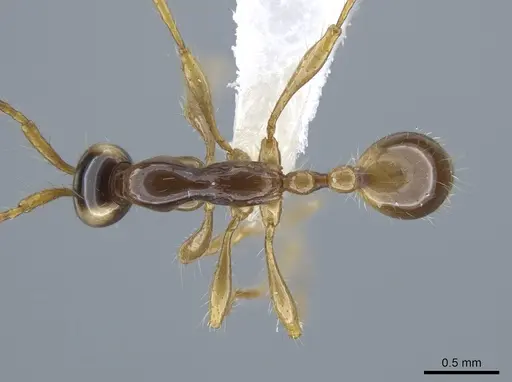
CASENT0903687
Ver en AntWeb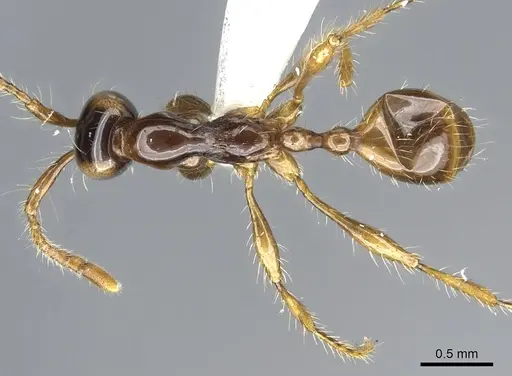
Literatura
Cargando mapa de distribución...Cargando productos...