
Zasphinctus steinheili
- Sci. Name
- Zasphinctus steinheili
- Subfamily
- Dorylinae
- Author
- Forel, 1900
- Distribution
- Found in 1 countries
Introduction
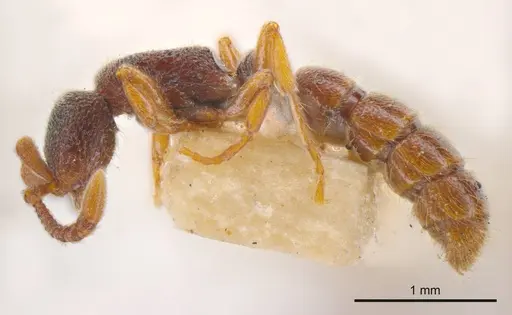
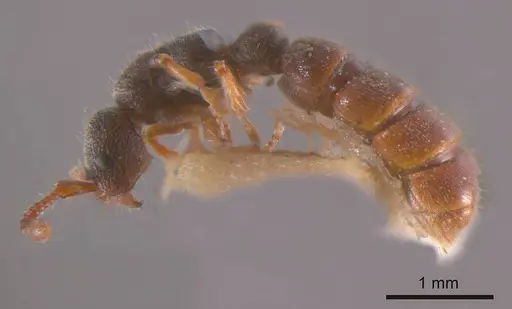
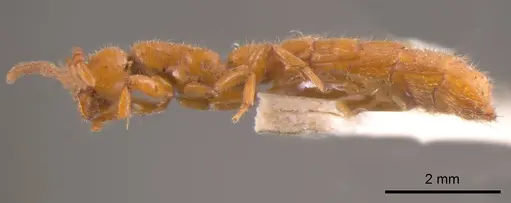
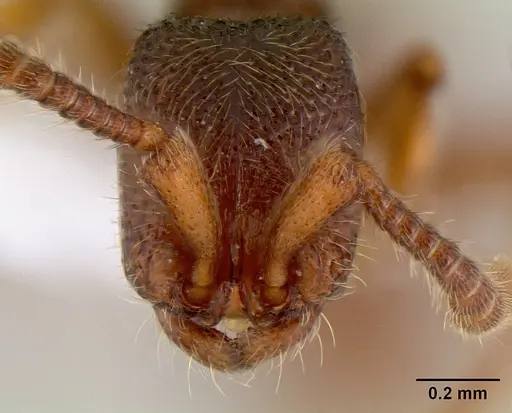
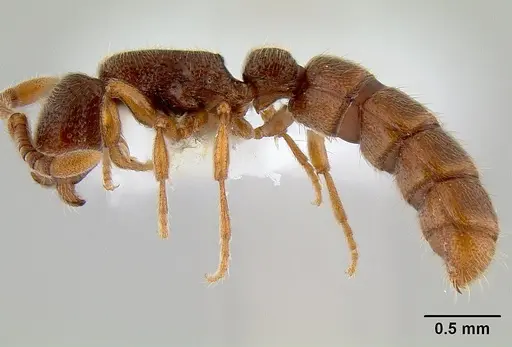
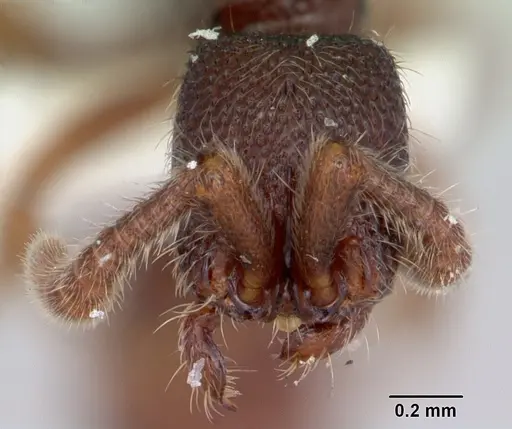
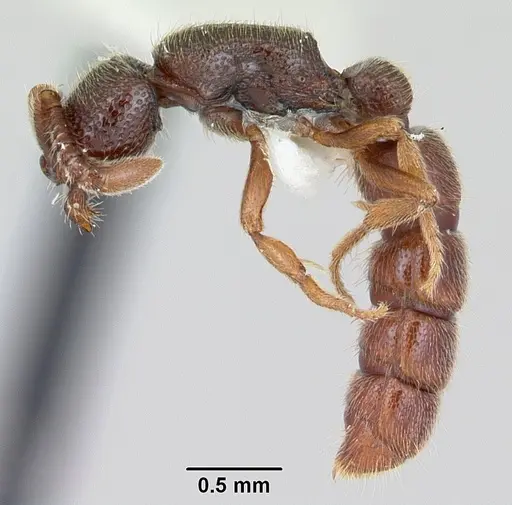
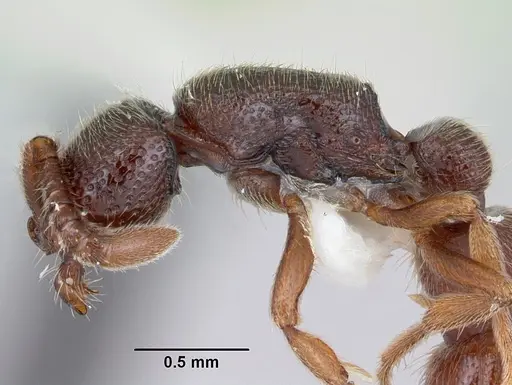
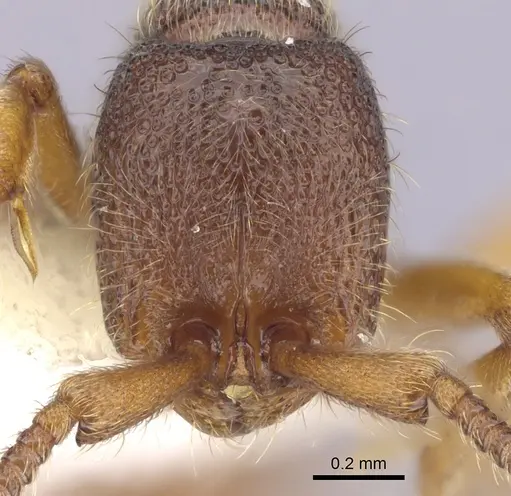
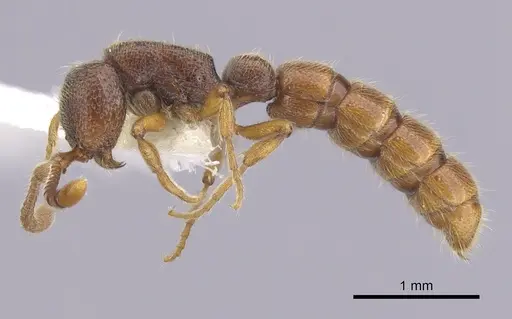
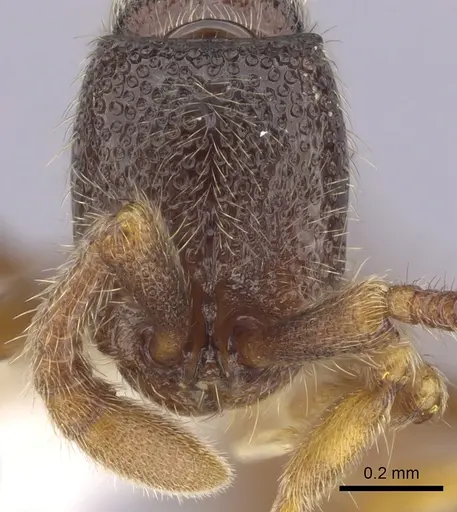
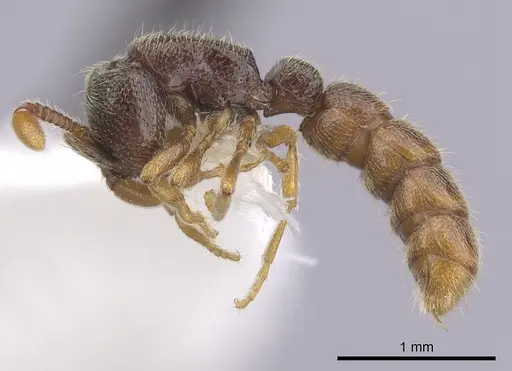
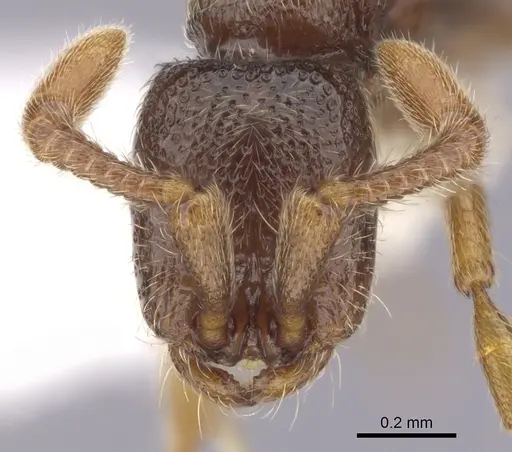
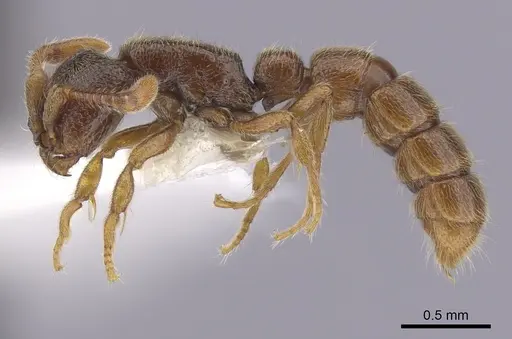
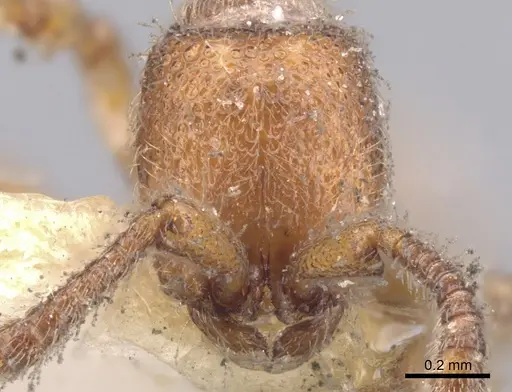
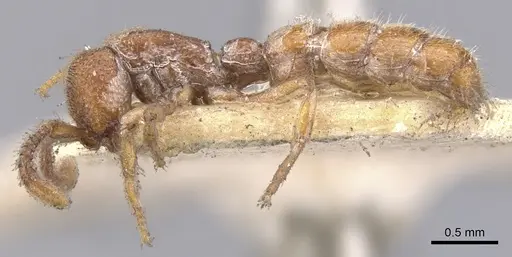
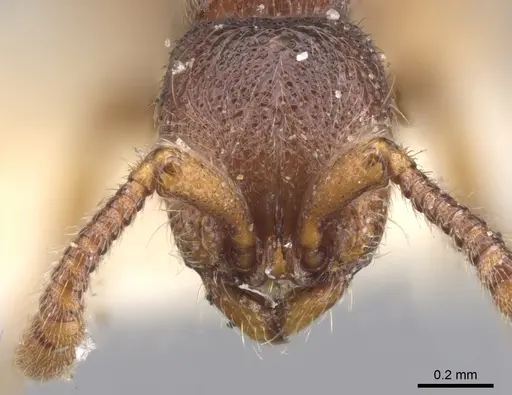
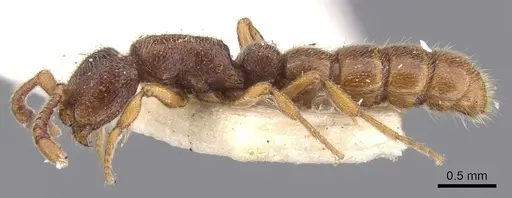
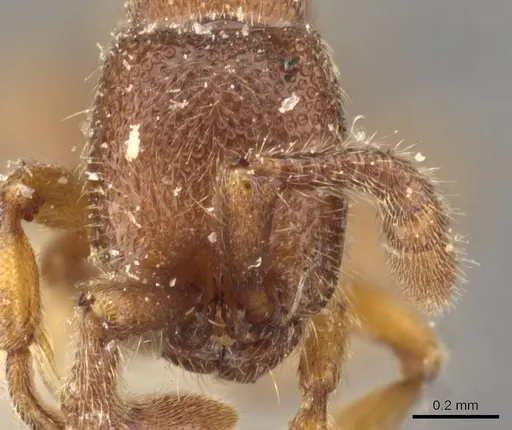
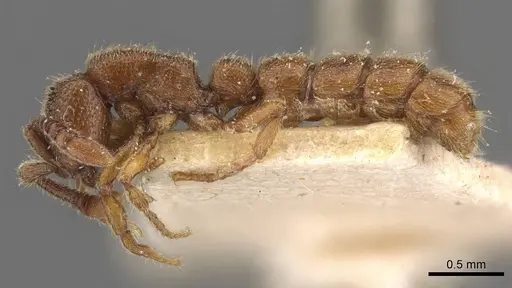
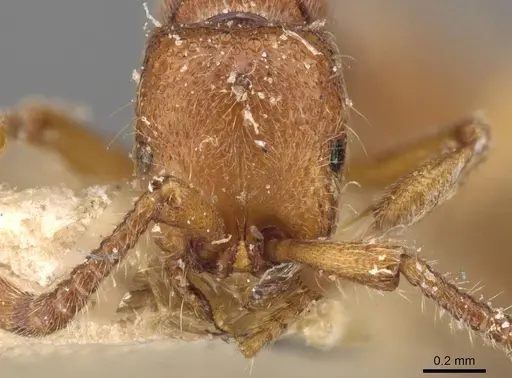
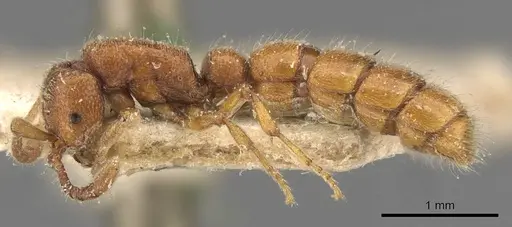
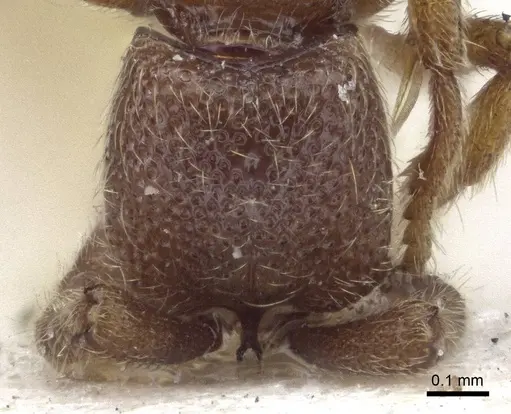
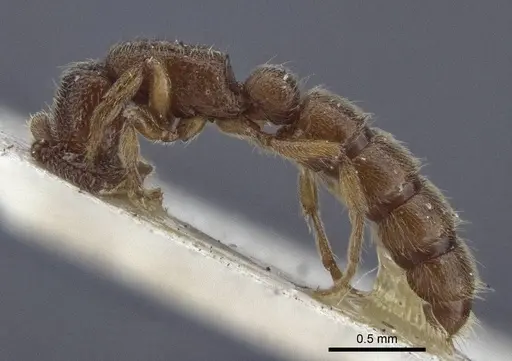
Zasphinctus steinheili is a predatory ant from Australia, belonging to the Dorylinae subfamily - the same group that includes army ants. Workers are slender with distinctive abdominal constrictions that give them a segmented appearance. They are dark reddish-brown, and their size is estimated around 4-6mm based on related species . These ants are myrmecophagous - they raid other ant nests and feed on their larvae and adults . Colonies contain 100-500 workers and are polygynous with multiple wingless (ergatoid) queens . Their raiding behavior stands out: a raid observed in Victoria targeted a Stigmacros species, with the raiders running across bare soil and using cracks in the earth as cover . They appear to use chemical 'propaganda' substances to panic defending ants, similar to slave-making ants in the Northern Hemisphere . This group foraging is an army-ant-like trait, but they have not evolved the full army ant syndrome . They also possess a metatibial gland that produces secretions likely used in colony communication .
Quick Summary
- Difficulty: Medium
- Origin & Habitat: Eastern Australia, including Queensland, New South Wales, Victoria, and Tasmania. Found in sclerophyll forest communities and rainforest areas at elevations from 200 to 1200 m [1][5].
- Colony Type: Polygynous colonies with multiple ergatoid (wingless) queens. Studies have documented 20 ergatoid queens from 3 colonies, of which 16 were mated and fully fertile [1]. Queens are wingless and serve as replacement reproductives within the colony.
- Size & Growth:
- Queen: Ergatoid queens are wingless, their size has not been explicitly measured in available literature [1]
- Worker: Around 4-6mm estimated based on related species [1]
- Colony: 100-500 workers [2]
- Growth: Moderate
- Development: Unknown, no specific development data available for this species (Development time is unknown. Related doryline ants show phasic reproduction, but specific timing for Zasphinctus steinheili has not been studied.)
- Antkeeping:
- Temperature: Based on their temperate Australian climate, maintain at 22-26°C. Avoid temperatures above 30°C. Use a heating cable on one side to create a gradient if needed.
- Humidity: Keep the nest substrate moist but not waterlogged. They nest in soil, so provide a moisture gradient with some drier areas to allow self-regulation.
- Diapause: Likely, as a temperate species from southern Australia, they probably need a mild winter rest period. Reduce temperature to 15-18°C for 2-3 months during winter. Reduce feeding during this time [5].
- Nesting: Soil-nesting species [2]. Use a naturalistic setup with moist soil or a Y-tong/plaster nest with chambers scaled to their size. Provide dark, humid nest chambers.
- Behavior: These ants are active predators that organize group forays to raid other ant nests [3][1]. They use chemical secretions to panic defending ants [1]. They are not aggressive toward humans but will defend their nest vigorously. Escape risk is moderate, workers are under 5mm and can squeeze through small gaps, so use standard barrier methods. Workers are moderately fast-moving and investigate their outworld thoroughly. They have a metatibial gland that produces secretions likely used in communication [4].
- Common Issues: predatory nature requires constant live prey, colonies decline if underfed, escape prevention is important, workers can squeeze through small gaps when motivated, humidity balance is critical, too wet causes mold, too dry causes desiccation, wild-caught colonies may carry parasites that can devastate captive colonies
Housing and Nest Setup
Zasphinctus steinheili nests in soil in the wild, so a naturalistic setup with moist soil works best [2]. You can use a Y-tong (AAC) nest or plaster nest with chambers scaled to their medium size. The nest should be kept dark, these ants prefer dim conditions and will be more active in shaded areas of their outworld. Provide a water tube for humidity and mist the outworld occasionally. Since they are predatory, ensure the outworld has enough space for hunting and exploring. Use standard escape prevention like fluon on container edges.
Feeding and Diet
These are obligate predators, they specialize in hunting other ants [2][1]. In captivity, you must provide live prey. Small crickets, fruit flies, and other small insects are accepted, but their preferred food is ant brood and adults from other species. Avoid sugary foods as they are not part of their natural diet. Feed small prey items 2-3 times per week, adjusting based on colony size and consumption. Remove uneaten prey after 24 hours to prevent mold. A well-fed colony will be more active and show more raiding behavior.
Temperature and Seasonal Care
Based on their temperate Australian habitat, keep your colony at 22-26°C for optimal activity and development [5][1]. Avoid temperatures above 30°C. During winter, provide a mild diapause period, reduce temperature to 15-18°C for 2-3 months. This mimics their natural seasonal cycle. Do not feed heavily during diapause and reduce disturbance. Return to normal temperatures gradually in spring to trigger increased activity and reproduction.
Behavior and Colony Dynamics
Zasphinctus steinheili shows group foraging behavior, a trait shared with army ants but not as extreme [3]. Workers conduct raids on other ant colonies, using chemical signals to confuse and panic defenders [1]. Colonies are polygynous with multiple ergatoid (wingless) queens [1]. This means your colony may have several egg-laying queens simultaneously, which can help colony resilience but also means more resources are needed to support all queens. The presence of multiple queens does not seem to cause aggression within the colony [1].
Handling and Temperament
These ants are not aggressive toward keepers and rarely bite. However, they will defend their nest if threatened. Their moderate size and relatively calm demeanor make them manageable for intermediate keepers. Use standard formicarium setup with proper barrier methods. Workers are active foragers and will explore their outworld thoroughly. They are not known for climbing smooth surfaces aggressively, but escape prevention is still important.
Frequently Asked Questions
How long does it take for Zasphinctus steinheili to raise their first workers?
The exact development time is unknown for this species. No specific data is available. Growth is typically moderate, with colonies reaching 100-500 workers over time [2].
Can I keep multiple Zasphinctus steinheili queens together?
Yes, this species is naturally polygynous, colonies typically have multiple ergatoid (wingless) queens. In the wild, up to 20 ergatoid queens have been documented in a single colony, most of which were mated and fertile [1]. You can keep a group of queens together when starting a colony.
What do Zasphinctus steinheili ants eat?
They are predatory ants that specialize in hunting other ant species. In captivity, feed them live small insects like fruit flies, pinhead crickets, and small worms. They prefer ant brood if available. Avoid sugary foods, they are not part of their natural diet [2][1].
Are Zasphinctus steinheili good for beginners?
This species is rated as medium difficulty. They are more challenging than typical sugar-feeding ants because they require live prey. However, they are not as difficult as some specialized predators. They are best suited for keepers who have kept ants before and understand predatory feeding requirements.
How big do Zasphinctus steinheili colonies get?
Colonies reach 100-500 workers in the wild [2]. This is a medium-sized colony for an ant species. Growth rate is moderate, expect several months to reach significant numbers if starting from a queen or small colony.
Do Zasphinctus steinheili need hibernation?
Yes, as an Australian temperate species, they benefit from a mild winter rest period. Reduce temperature to 15-18°C for 2-3 months during winter. Reduce feeding during this period and minimize disturbance. This mimics their natural seasonal cycle in southern Australia [5].
Why are my Zasphinctus steinheili dying?
Common causes include: insufficient prey (they need regular live food), improper humidity (too wet causes mold, too dry causes desiccation), temperature stress (too cold slows development, too hot can kill), and parasites from wild-caught colonies. Ensure proper care parameters and consider if the colony was wild-caught, which carries higher risk.
What type of nest is best for Zasphinctus steinheili?
A naturalistic setup with moist soil or a Y-tong/plaster nest works well. They nest in soil in the wild and prefer humid, dark conditions. Ensure the nest chambers are appropriately sized for 4-6mm workers [2].
Report an Issue
The current care sheet is based fully on literature. See inconsistencies, or something that's incorrect? Please , it will be resolved after review from an admin. Contributing to the blogs tab also helps providing information, to make us be able to further improve the caresheets. Thank you for your support!
References

This caresheet is licensed under CC BY-SA 4.0 .
Community Blogs
ANTWEB1008186
View on AntWeb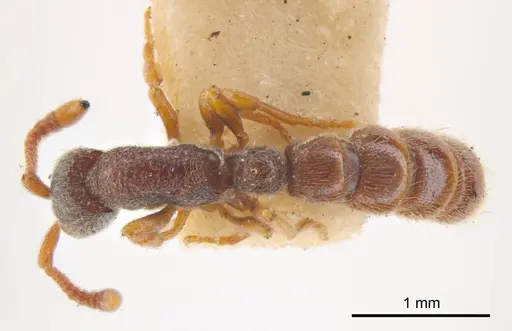
ANTWEB1008189
View on AntWeb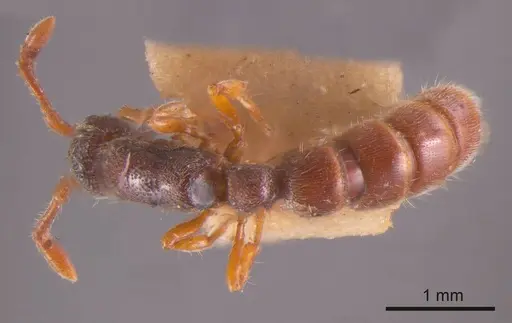
ANTWEB1008259
View on AntWeb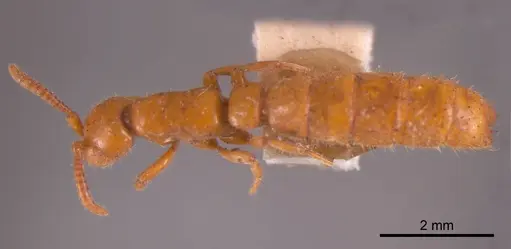
CASENT0106076
View on AntWeb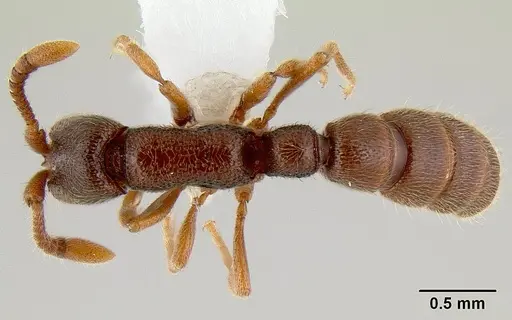
CASENT0173064
View on AntWeb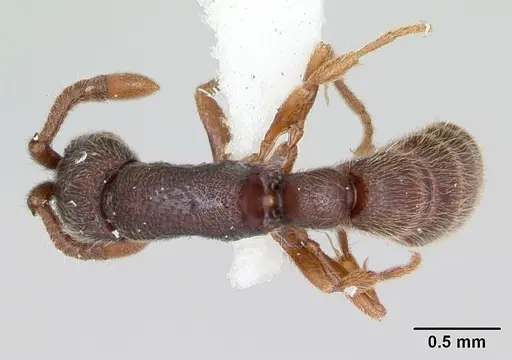
CASENT0249330
View on AntWeb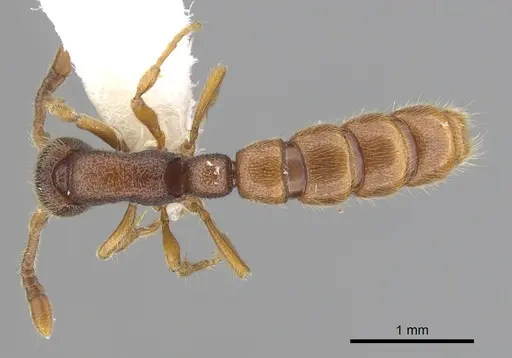
CASENT0249331
View on AntWeb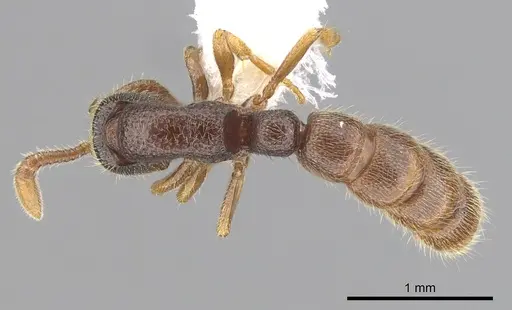
CASENT0249332
View on AntWeb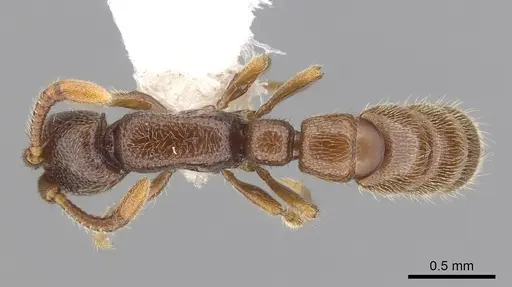
CASENT0902771
View on AntWeb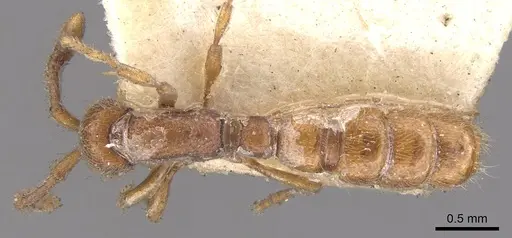
CASENT0902772
View on AntWeb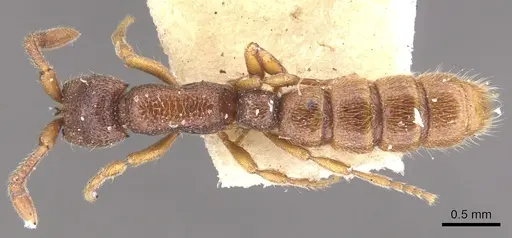
CASENT0907041
View on AntWeb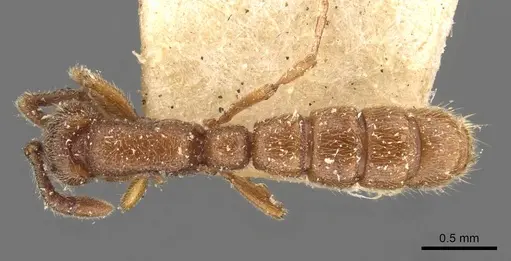
CASENT0907043
View on AntWeb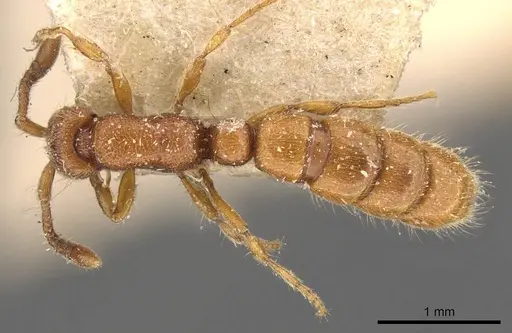
CASENT0907045
View on AntWeb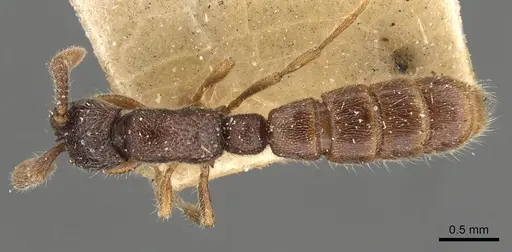
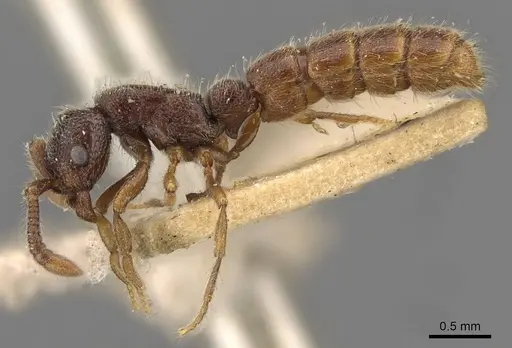
CASENT0907124
View on AntWeb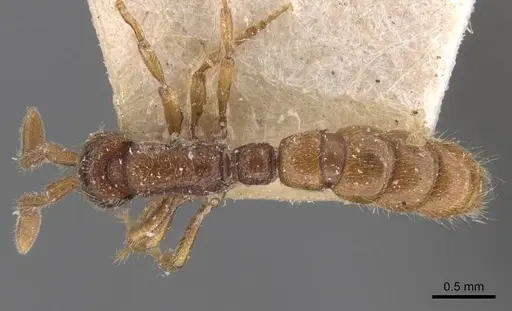
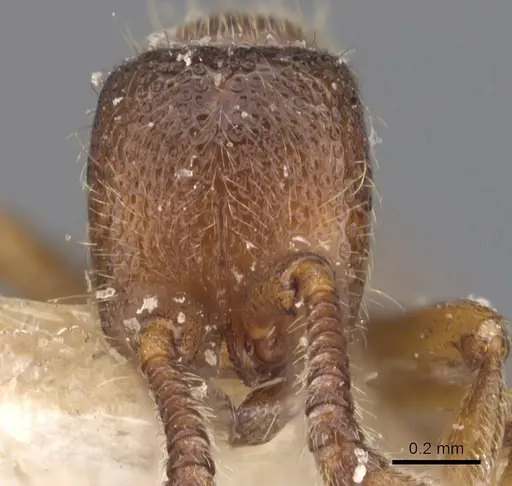
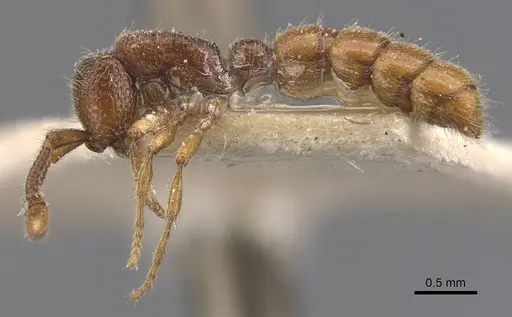
CASENT0916712
View on AntWeb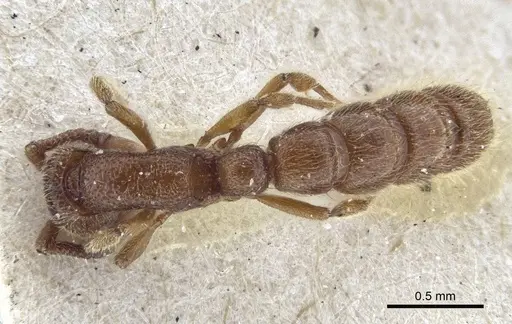
Literature
Loading distribution map...Loading products...