
Zasphinctus occidentalis
- Sci. Name
- Zasphinctus occidentalis
- Subfamily
- Dorylinae
- Author
- Clark, 1924
- Distribution
- Found in 1 countries
Introduction
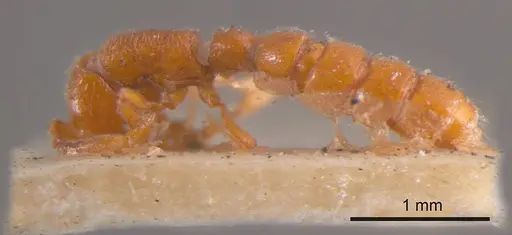
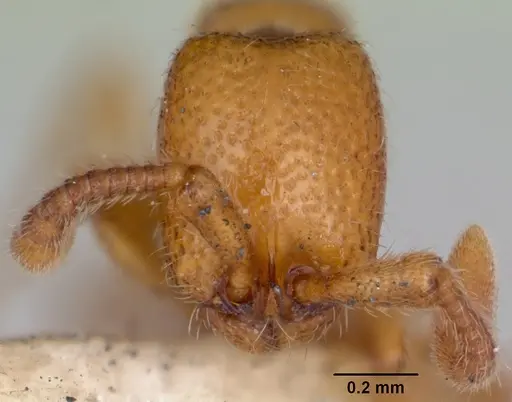
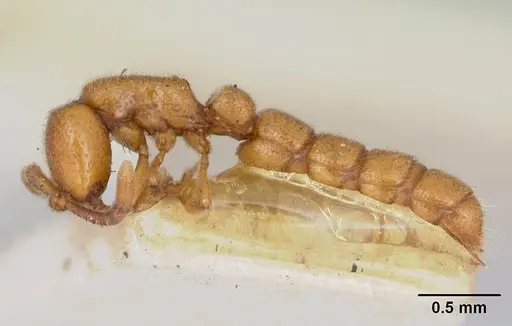
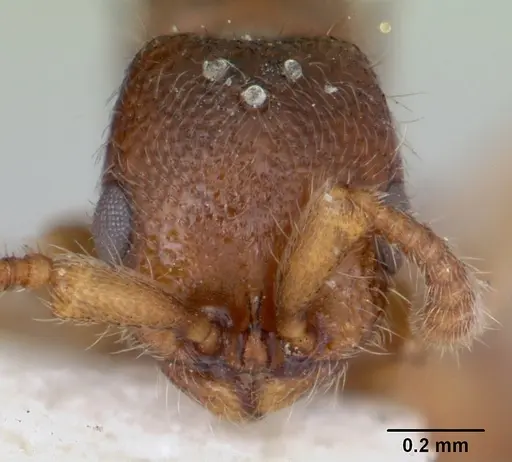
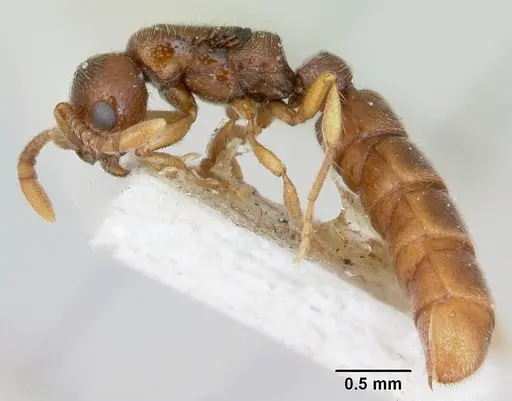
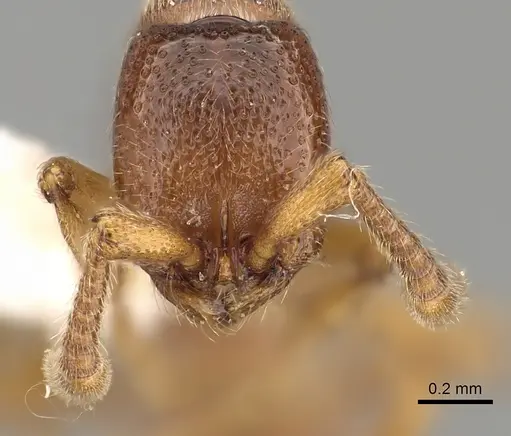
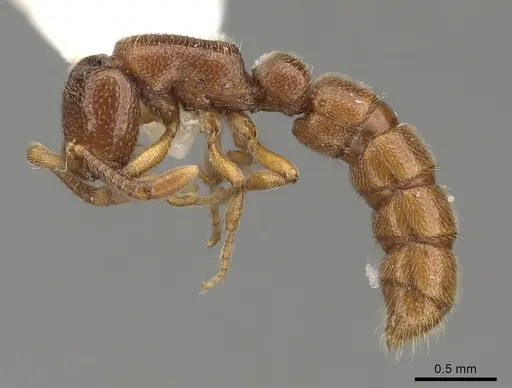
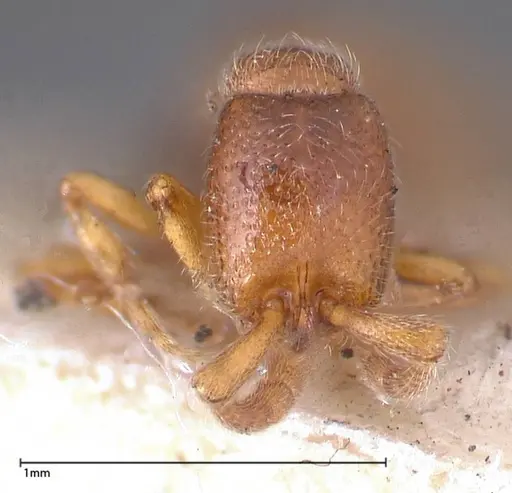
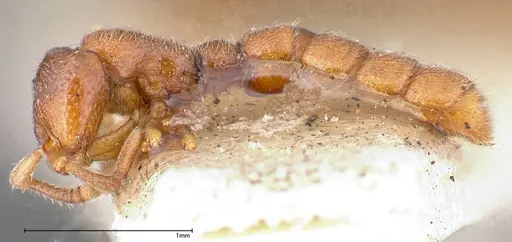
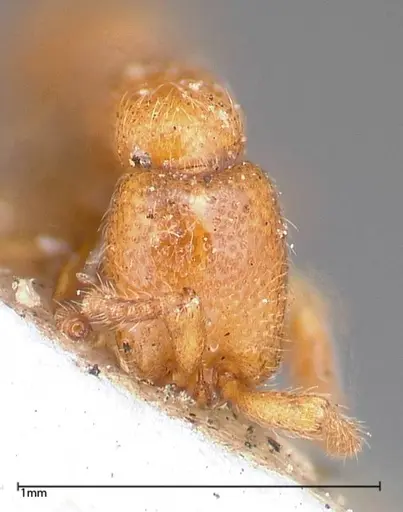
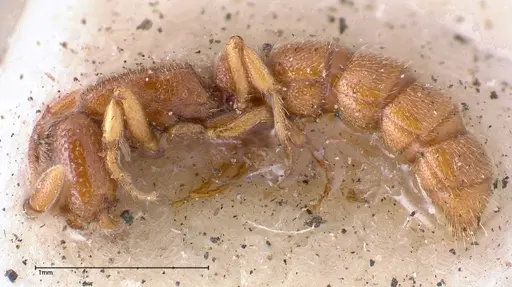
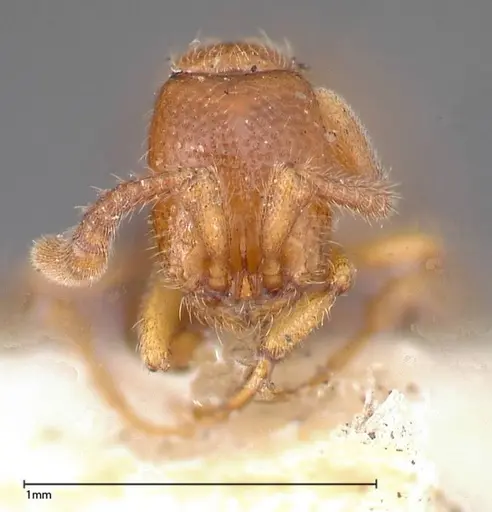
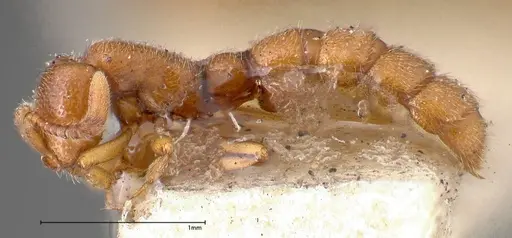
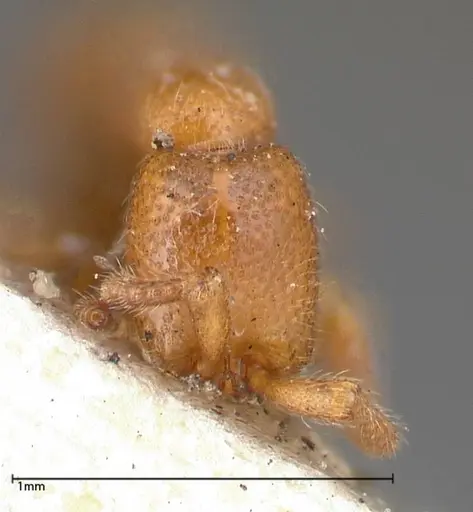
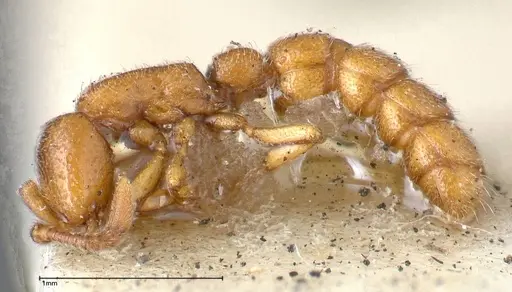
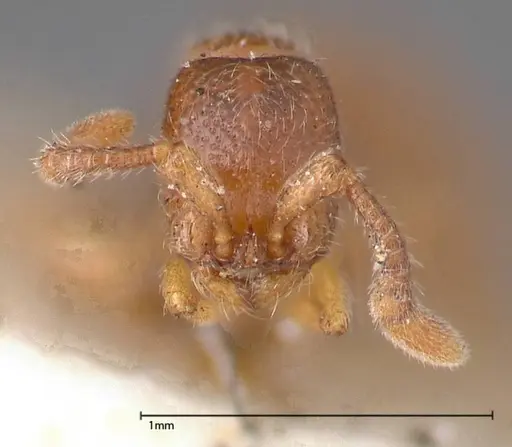
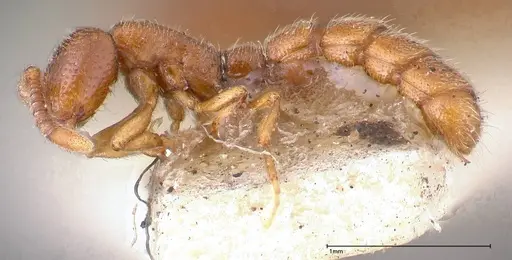
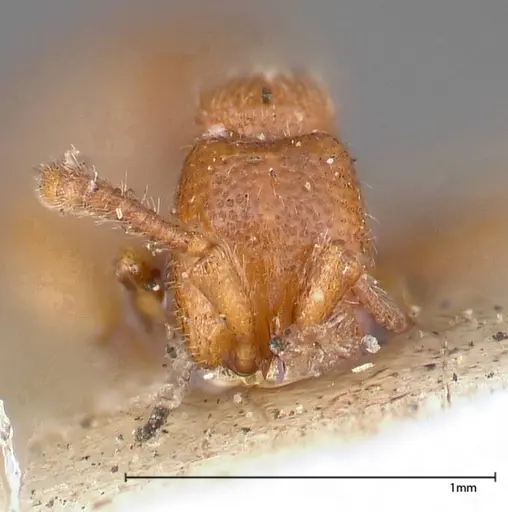
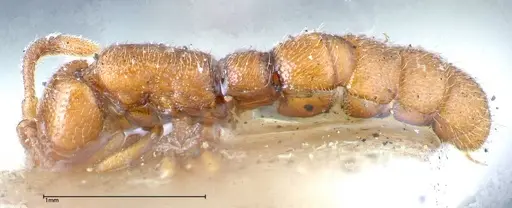
Zasphinctus occidentalis is a small ant native to the south-west corner of Australia . It nests under rocks or logs . The species was originally described by Clark in 1924 as Eusphinctus occidentalis from workers, queens, and larvae collected near Mundaring, Western Australia . It was later moved to Sphinctomyrmex and then to the current genus Zasphinctus during a revision of the Dorylinae subfamily in 2016 . Very little is known about its biology beyond basic distribution and nesting preferences.
Quick Summary
- Difficulty: Expert
- Origin & Habitat: South-west corner of Australia (Western Australia), around Mundaring and surrounding areas. Colonies are found under rocks or logs [1][2]. The region has a Mediterranean climate with hot, dry summers and mild, wet winters.
- Colony Type: Colony structure is unconfirmed. No data available on queen number or social organization.
- Size & Growth:
- Queen: Size data unavailable, no measurements reported in the literature.
- Worker: Size data unavailable, no measurements reported in the literature.
- Colony: Unknown, no data on colony size for this species.
- Growth: Unknown
- Development: Unknown, no development data exists for this species. (Development timeline is unconfirmed. Based on the limited data, any estimate would be speculative.)
- Antkeeping:
- Temperature: Unknown, no specific temperature data. Based on the Mediterranean climate of its origin, keepers can try warm conditions (roughly 22-26°C) and observe colony response. Provide a gradient.
- Humidity: Unknown, no specific humidity data. The species nests under cover, suggesting need for some moisture. Keep nest substrate slightly moist but not waterlogged. Allow some drying.
- Diapause: Unknown, insufficient data. The south-west Australian winter is mild, so a slight seasonal slowdown may occur, but requirements are unconfirmed.
- Nesting: Natural nests are under rocks or logs [2]. In captivity, provide a soil-based setup with flat rocks or pieces of bark as cover. A test tube may work for founding, but no data confirms this.
- Behavior: Very little is known about behavior. Colonies nest under rocks or logs and are likely cryptic and secretive [2]. Based on subfamily, they may be predatory, but this is unconfirmed. Escape risk is unknown due to lack of data on worker size and agility. Use standard escape prevention for small ants.
- Common Issues: lack of captive husbandry data means optimal conditions are unknown, experimentation required with high risk of colony failure., no confirmed diet, keepers must test prey items and record acceptance, starvation risk if wrong food is offered., founding success is unknown, queens may require specific microhabitat or conditions., colony may be sensitive to disturbance due to cryptic natural lifestyle.
Species Background and Taxonomy
Zasphinctus occidentalis has a complex taxonomic history. It was first described as Eusphinctus (Eusphinctus) occidentalis by Clark in 1924,based on syntype workers and queens from Mundaring, Western Australia [2]. Brown moved it to Sphinctomyrmex in 1975,and Borowiec transferred it to Zasphinctus in 2016 during a generic revision of Dorylinae [2]. The species is endemic to the south-west corner of Australia, one of the most biologically unique regions in the country [1][2].
Natural History and Habitat
In the wild, Zasphinctus occidentalis colonies are found under rocks or logs in the south-west Australian landscape [1][2]. This nesting preference places them in cryptic microhabitats. The south-west of Western Australia has a Mediterranean climate with hot, dry summers and mild, wet winters. No further biological data is available.
Dorylinae Biology and Expectations (Caution: Unconfirmed)
Zasphinctus belongs to the Dorylinae subfamily, which includes many army ants. However, members of the subfamily vary greatly. While some Dorylinae are known for raiding and group predation, others are more cryptic. For this species, no behavioral data exists. Any similarity to other Dorylinae is speculative and should not be relied upon for captive care.
Housing and Enclosure Setup (Experimental)
Given the natural nesting under rocks or logs, a naturalistic setup with a soil substrate and flat rocks or bark on the surface may be suitable. A test tube can be offered as a potential founding chamber, but success is unconfirmed. Ensure the enclosure is escape-proof. Humidity should be managed by keeping the substrate slightly moist but not wet. Since no tested setup exists, keepers must experiment and document results.
Feeding and Nutrition (Unconfirmed)
No dietary data exists for this species. Based on the subfamily, it may be predatory, accepting live insects such as fruit flies or small crickets. It is also possible they accept dead insects or sugar sources. Keepers should offer a variety and observe acceptance. No carbohydrate or protein preference is known.
Temperature and Seasonal Care (Unconfirmed)
The optimal temperature range is unknown. The species originates from a Mediterranean climate, so moderate temperatures (approx. 22-26°C) may be a starting point. Provide a gradient. Diapause requirements are uncertain, a slight winter cooling may be beneficial but is not confirmed. Avoid extremes.
Frequently Asked Questions
How long does it take for Zasphinctus occidentalis to raise first workers?
This is unknown. No development data exists for this species. Any estimate would be pure speculation.
Can I keep Zasphinctus occidentalis in a test tube?
Maybe, but it is unconfirmed. Test tubes are commonly used for founding claustral queens, but this species' founding behavior is unknown. Monitor the queen closely and be prepared to change setup if needed.
What do Zasphinctus occidentalis eat?
No dietary data is available. Based on subfamily, they may be predatory but could also accept other foods. Offer live insects such as fruit flies or small crickets, and also try dead insects or sugar water. Observe what they take.
Are Zasphinctus occidentalis good for beginners?
No. This species is rated Expert difficulty because so little is known about its captive care. It is not recommended for beginners.
Do Zasphinctus occidentalis need hibernation?
Uncertain. The Mediterranean climate of its origin suggests a mild winter, but whether they require a diapause period is unknown. If you try a cooling period, keep it mild (15-18°C) and short (2-3 months) as a guess.
How big do Zasphinctus occidentalis colonies get?
Colony size is unconfirmed. No reports exist. Given the cryptic nesting, they may be small (tens to a few hundred workers) but this is speculation.
Can I keep multiple Zasphinctus occidentalis queens together?
No data exists. It is unknown whether colonies are monogyne or polygyne. It is not recommended to combine queens without evidence.
Why is my Zasphinctus occidentalis colony dying?
Common reasons for failure with unstudied species include: unsuitable temperature, incorrect humidity, lack of appropriate food, stress, or disease. Since optimal conditions are unknown, colony loss is likely even with careful experimentation.
When should I move my colony to a formicarium?
No specific colony size is known. General antkeeping practice suggests moving when the colony outgrows the founding setup, but for this species, any setup is experimental. Monitor colony size and activity.
Report an Issue
The current care sheet is based fully on literature. See inconsistencies, or something that's incorrect? Please , it will be resolved after review from an admin. Contributing to the blogs tab also helps providing information, to make us be able to further improve the caresheets. Thank you for your support!
References

This caresheet is licensed under CC BY-SA 4.0 .
Community Blogs
ANTWEB1008188
View on AntWeb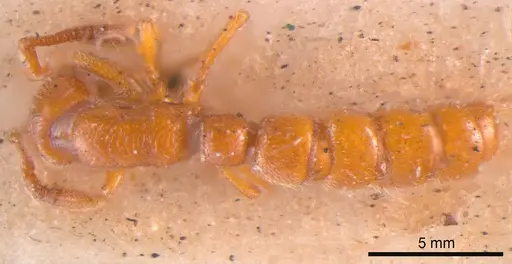
CASENT0173060
View on AntWeb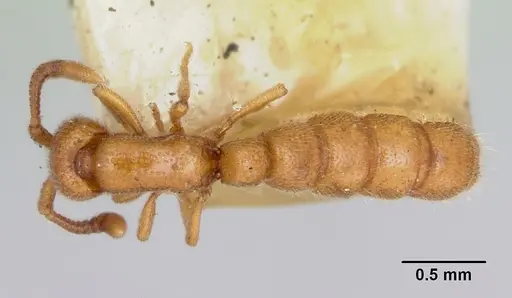
CASENT0173061
View on AntWeb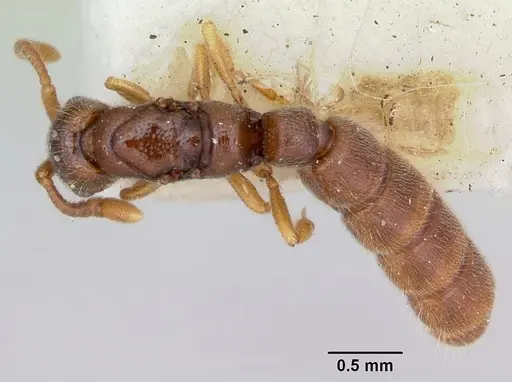
CASENT0249328
View on AntWeb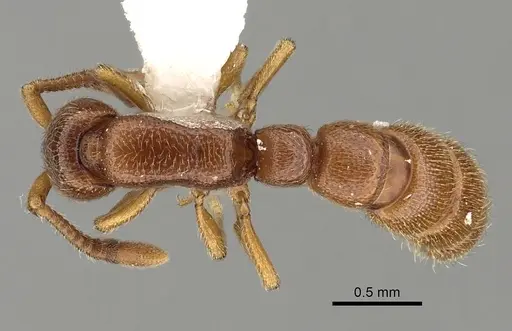
FOCOL0344-1
View on AntWeb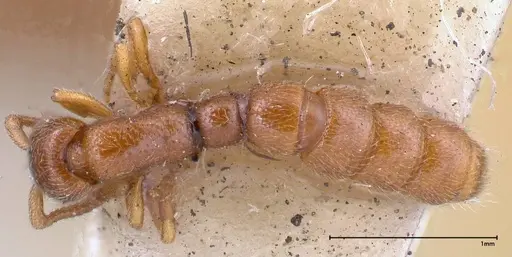
FOCOL0344-2
View on AntWeb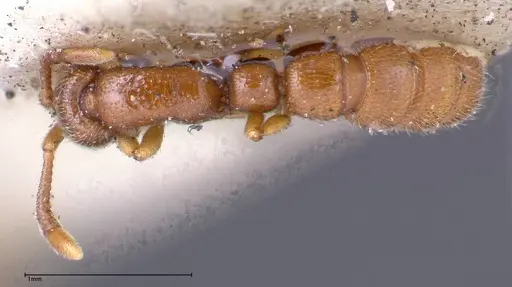
FOCOL0344-3
View on AntWeb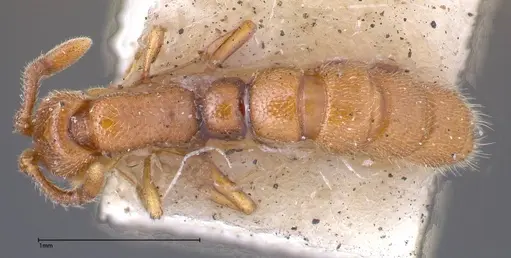
FOCOL0344-4
View on AntWeb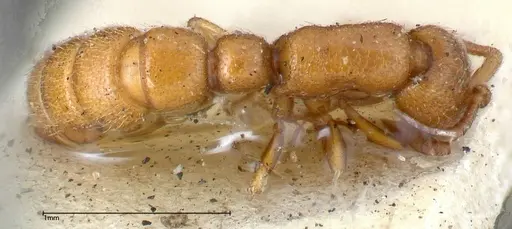
FOCOL0344-5
View on AntWeb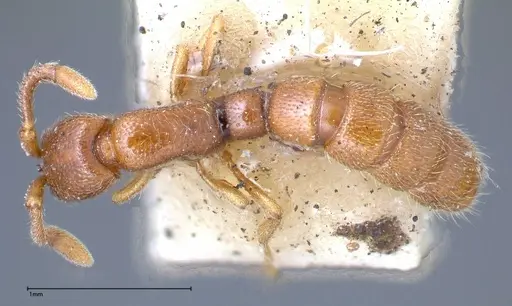
FOCOL0344-6
View on AntWeb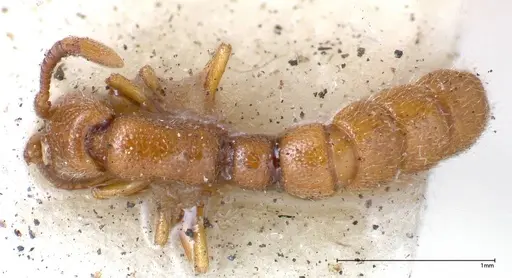
Literature
Loading distribution map...Loading products...