
Xenomyrmex picquarti
- Sci. Name
- Xenomyrmex picquarti
- Tribe
- Crematogastrini
- Subfamily
- Myrmicinae
- Author
- Forel, 1899
- Distribution
- Found in 0 countries
Introduction
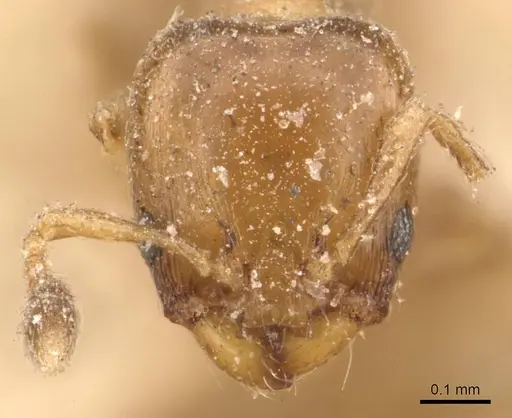
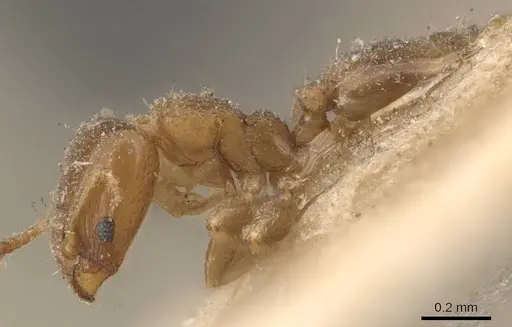
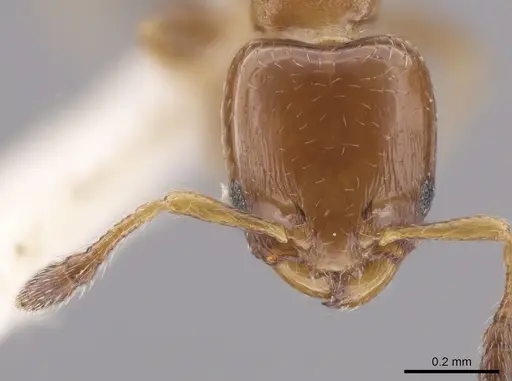
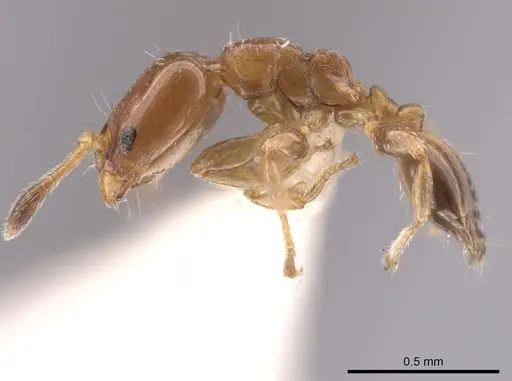
Xenomyrmex picquarti is an extremely small Myrmicine ant species with workers measuring just 1.6-1.7mm in length . The genus Xenomyrmex is native to Central America, typically found in tropical forest environments. Workers have a distinctive appearance with a large head that is wider at the back than the front, smooth shiny mandibles, and relatively large eyes positioned toward the front of the head . The species was originally described under the name Solenopsis picquarti before being reclassified to Xenomyrmex . This is a poorly studied species with limited documented information about its behavior, colony structure, or specific care requirements in captivity. The genus as a whole contains several rare Central American species that are seldom encountered by antkeepers.
Quick Summary
- Difficulty: Unknown, likely requires specialized micro-ant keeping experience
- Origin & Habitat: Central America (tropical forest environments), exact range unclear
- Colony Type: Unconfirmed colony structure
- Size & Growth:
- Queen: Unknown, not documented in available literature
- Worker: 1.6-1.7mm [1]
- Colony: Unknown, likely small colonies based on genus patterns
- Growth: Unknown
- Development: Unknown, estimated 4-8 weeks based on typical Myrmicinae patterns at tropical temperatures (No direct development data available, estimate based on genus-level patterns for small tropical Myrmicinae)
- Antkeeping:
- Temperature: Likely requires warm conditions (24-28°C) typical of tropical Central American species, start in this range and observe colony activity
- Humidity: Likely requires high humidity (70-80%) typical of tropical forest floor species, keep substrate consistently moist but not waterlogged
- Diapause: Unlikely, tropical species typically do not require hibernation
- Nesting: Likely prefers humid nest environments, test tubes with water reservoirs or plaster nests work well for micro-ant species
- Behavior: Behavior is unstudied. As a Myrmicine ant, they likely have a functional stinger for defense. Their tiny size (1.6-1.7mm workers) means escape prevention must be excellent, these ants can squeeze through extremely small gaps. Likely predaceous or omnivorous based on genus patterns.
- Common Issues: escape prevention is critical due to their tiny 1.6mm size, use fine mesh barriers and tight-fitting lids, no species-specific care data exists, keepers must adapt from related micro-ant species, slow colony growth is typical for small tropical species, patience is essential, humidity control is important, too dry causes colony decline, too wet causes mold, wild-caught colonies may have parasites or be stressed from collection
Appearance and Identification
Xenomyrmex picquarti workers are among the smallest ants you can keep, measuring just 1.6-1.7mm in total length [1]. They have a distinctive large head that is notably wider at the back than at the front, with weakly convex sides [1]. The mandibles are smooth and shiny, and the eyes are relatively large for their body size, featuring 7 to 8 facets in their greatest diameter and positioned toward the front of the head [1]. The species was originally described in 1899 under the name Xenomyrmex picquarti before being reclassified to the genus Xenomyrmex [1]. Their small size and distinctive head shape make them relatively identifiable among Central American micro-ant species.
Natural History
Xenomyrmex picquarti is native to Central America, where it inhabits tropical forest environments. The genus Xenomyrmex contains several rare species that are typically found in humid forest habitats. Specific nesting habits, diet preferences, and colony behavior in the wild have not been documented in available scientific literature. As a member of the subfamily Myrmicinae, they likely have functional stingers for defense, though their small size means their sting would be minimal. The species is considered rare in both wild collections and the antkeeping hobby.
Housing and Escape Prevention
Due to their extremely small worker size of 1.6-1.7mm, excellent escape prevention is absolutely critical when keeping Xenomyrmex picquarti [1]. These tiny ants can squeeze through gaps that would hold back much larger species. Use test tubes with tight-fitting cotton plugs, or if using formicaria, ensure all connections are sealed with fine mesh (at least 0.3mm or smaller). Even standard ant-keeping equipment may have gaps too large for these micro-ant workers. Test tube setups with small water reservoirs work well for founding colonies, while plaster or acrylic nests with very small chambers suit established colonies. The nest should maintain high humidity without flooding.
Temperature and Humidity
As a tropical Central American species, Xenomyrmex picquarti likely requires warm temperatures in the range of 24-28°C. Start in this range and observe colony behavior, if workers become sluggish, slightly increase temperature, if they avoid the heated area, reduce it. High humidity is essential, likely in the 70-80% range typical of tropical forest floor species. Keep the nest substrate consistently moist but not waterlogged, standing water in test tubes should be avoided. A small water reservoir in the nest setup helps maintain humidity through evaporation. Avoid both excessive drying and stagnant overly-wet conditions that promote mold.
Feeding and Diet
Specific dietary requirements for Xenomyrmex picquarti have not been documented. As a Myrmicine ant, they likely accept small live prey such as springtails, fruit flies, and other micro-arthropods. Based on genus patterns, they are probably predaceous or omnivorous. Offer small protein sources regularly and provide a sugar source (honey water or sugar water) to test acceptance. Feed small amounts of live prey that can be overwhelmed by these tiny workers, fruit flies and springtails are ideal. Remove uneaten prey to prevent mold issues. Due to their small size, even a single fruit fly is a substantial meal for the colony.
Colony Development
No specific development timeline data exists for Xenomyrmex picquarti. Based on typical Myrmicinae patterns for small tropical species, egg-to-worker development likely takes 4-8 weeks at optimal tropical temperatures (around 26°C). First workers (nanitics) will be very small, matching the already tiny adult worker size. Colony growth is likely slow initially, as is common with micro-ant species. Colonies probably remain small, potentially under 500 workers at maturity based on the worker size and genus patterns. Patience is essential, small tropical species often take months to establish firm colonies.
Frequently Asked Questions
How long does it take for Xenomyrmex picquarti to produce first workers?
The exact timeline is unknown, but based on typical Myrmicinae patterns for small tropical species, expect 4-8 weeks from egg to first worker at optimal temperatures around 26°C. The first workers (nanitics) will be very small, matching the tiny 1.6-1.7mm adult size.
Can I keep Xenomyrmex picquarti in a test tube?
Yes, test tubes work well for founding colonies. However, escape prevention is critical, these are tiny 1.6mm ants that can squeeze through standard gaps. Use tight-fitting cotton and ensure the tube has no cracks or gaps. Consider covering ventilation holes with fine mesh.
What do Xenomyrmex picquarti ants eat?
Specific dietary data is lacking, but they likely accept small live prey like springtails and fruit flies. As Myrmicinae, they probably eat protein and may accept sugar sources. Offer small live prey regularly and a sugar source to test acceptance.
Do Xenomyrmex picquarti ants sting?
As a Myrmicine ant, they likely have a functional stinger. However, due to their tiny 1.6mm size, any sting would be minimal and unlikely to cause discomfort to humans. They are not considered dangerous.
How big do Xenomyrmex picquarti colonies get?
Colony size is unconfirmed, but based on their tiny worker size and genus patterns, colonies likely remain small, probably under 500 workers at maturity. They are not likely to become large, impressive colonies.
Do Xenomyrmex picquarti need hibernation?
Unlikely, as a tropical Central American species, they probably do not require hibernation or diapause. Keep them at warm tropical temperatures year-round (24-28°C).
Are Xenomyrmex picquarti good for beginners?
This species is not recommended for beginners. It is poorly studied with no established care protocols, requires excellent escape prevention due to its tiny 1.6mm size, and likely needs specific humidity and temperature conditions. Start with more documented species before attempting this rare ant.
Why is my Xenomyrmex picquarti colony dying?
Common causes include: escape (check for tiny gaps), improper humidity (too dry or too wet), temperature issues (too cold for tropical species), stress from overhandling, or parasites from wild-caught colonies. Ensure proper escape prevention and maintain warm, humid conditions.
When should I move Xenomyrmex picquarti to a formicarium?
Wait until the colony is well-established with at least 20-30 workers and the test tube shows signs of crowding or declining humidity management. Micro-ant species often do better in test tubes longer than larger species, do not rush the transfer.
Can I keep multiple queens of Xenomyrmex picquarti together?
Colony structure is unconfirmed for this species. Without documented evidence of polygyny or pleometrosis, keeping multiple unrelated queens together is not recommended. If you obtain multiple foundresses, house them separately until you understand their compatibility.
Report an Issue
The current care sheet is based fully on literature. See inconsistencies, or something that's incorrect? Please , it will be resolved after review from an admin. Contributing to the blogs tab also helps providing information, to make us be able to further improve the caresheets. Thank you for your support!
References

This caresheet is licensed under CC BY-SA 4.0 .
Community Blogs
CASENT0908844
View on AntWeb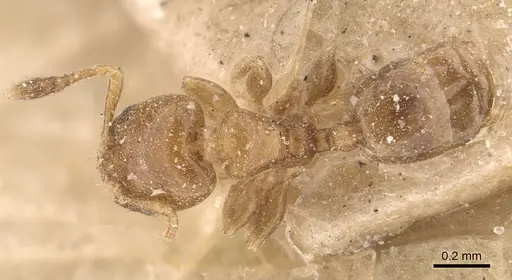
INBIOCRI002280117
View on AntWeb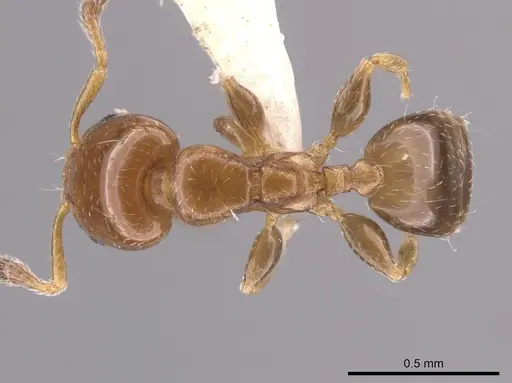
Literature
Loading distribution map...Loading products...