
Florida Flattened Tree Ant
Xenomyrmex floridanus
- Sci. Name
- Xenomyrmex floridanus
- Tribe
- Crematogastrini
- Subfamily
- Myrmicinae
- Author
- Emery, 1895
- Common Name
- Florida Flattened Tree Ant
- Distribution
- Found in 5 countries
Introduction
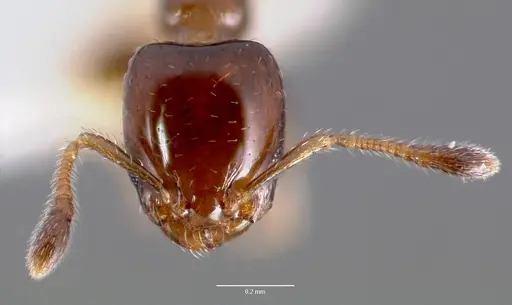
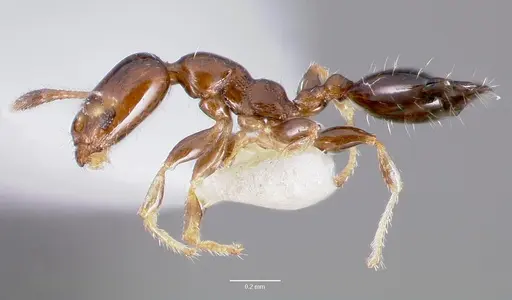
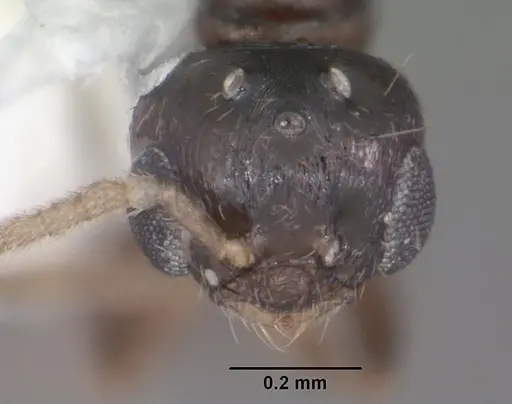
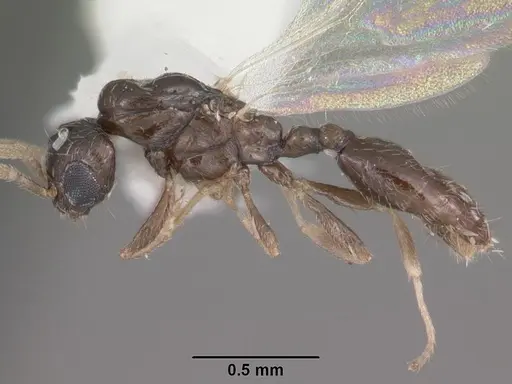
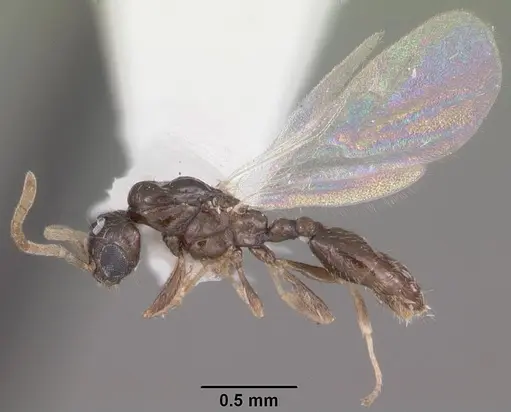
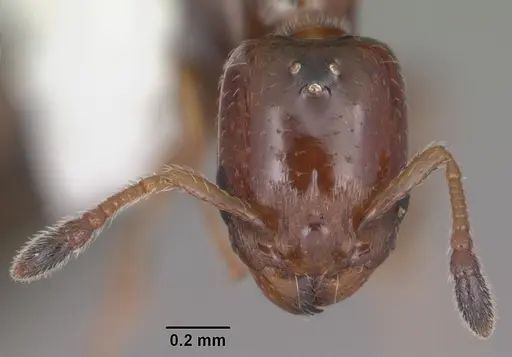
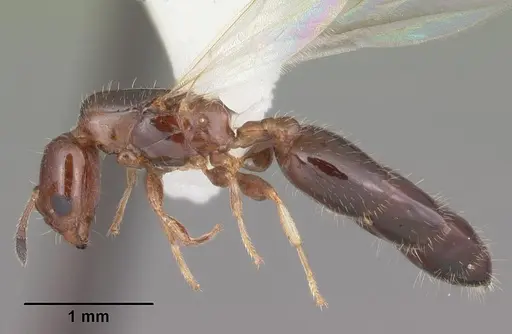
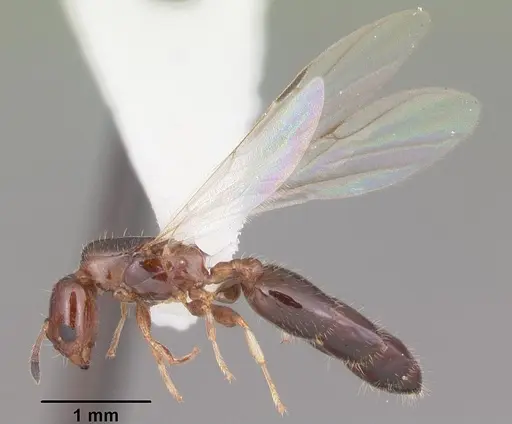
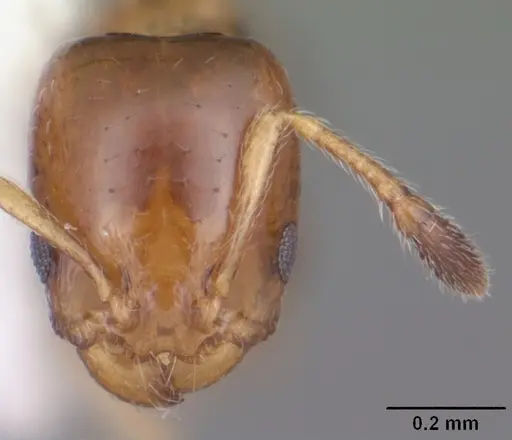
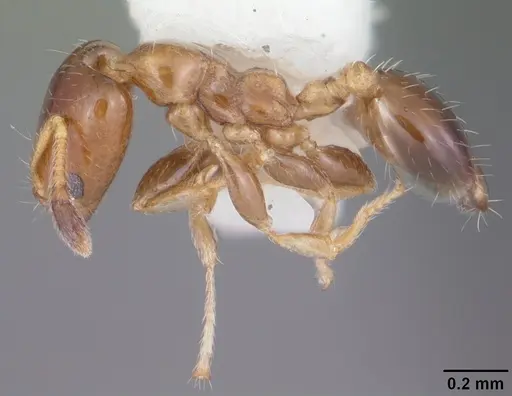
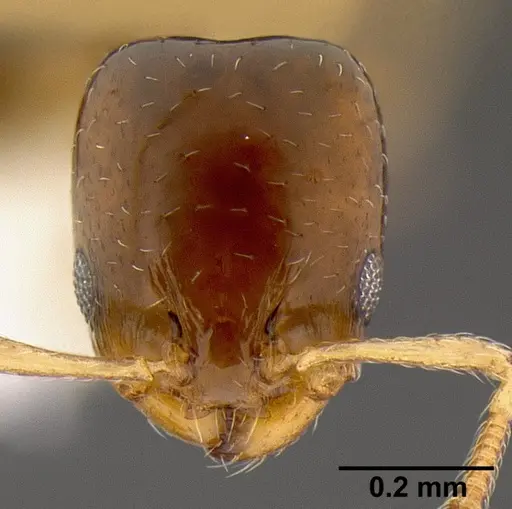
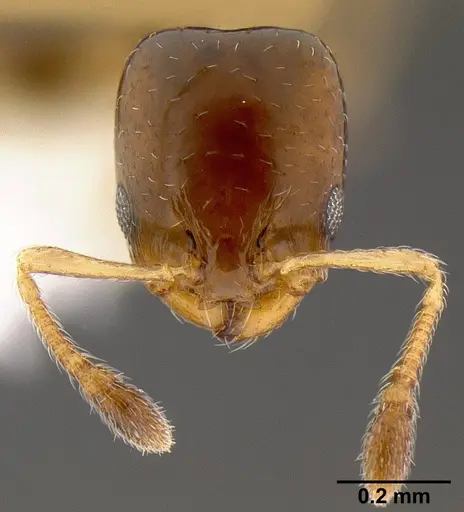
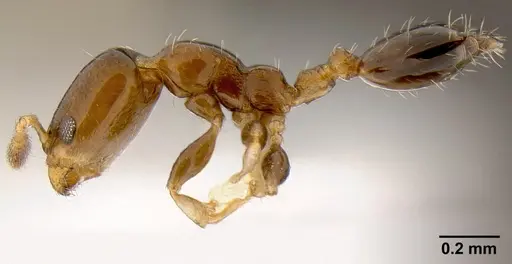
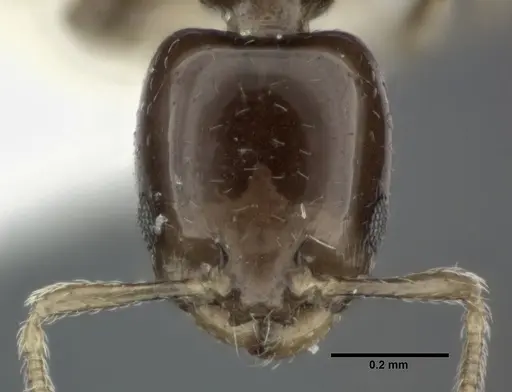
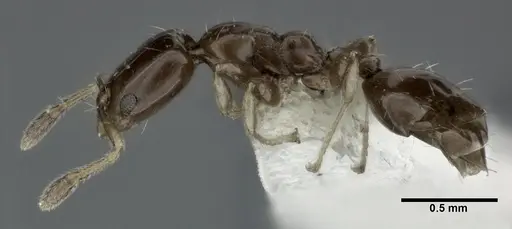
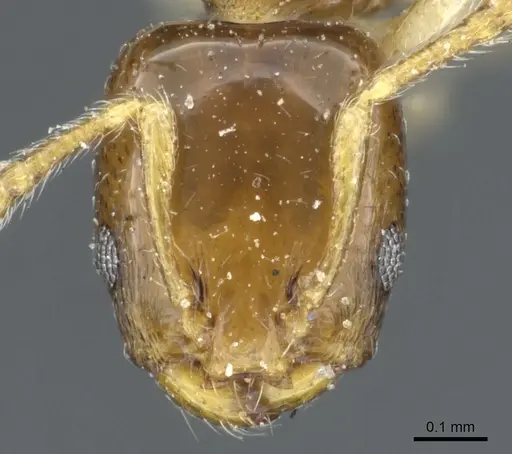
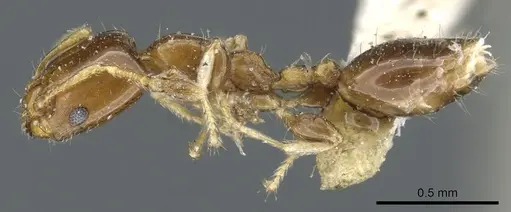
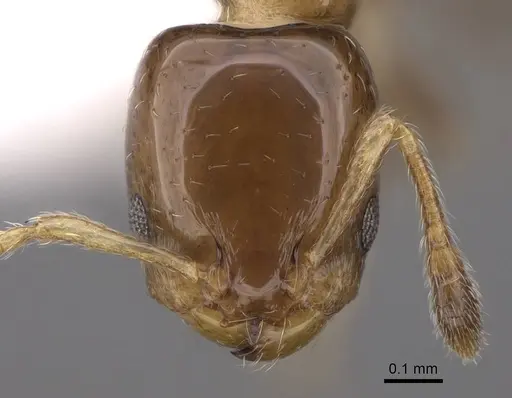
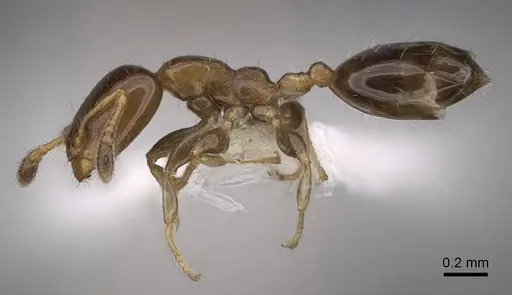
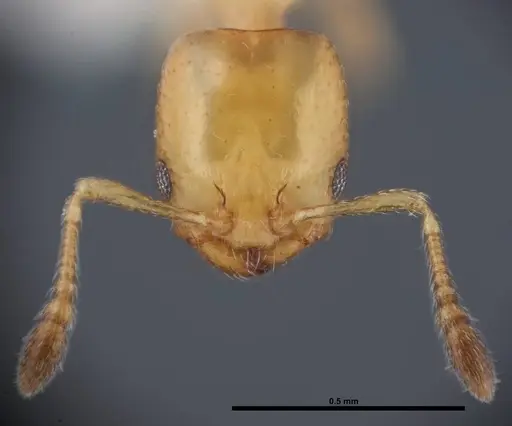
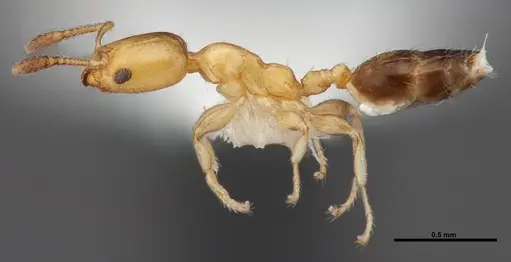
Xenomyrmex floridanus is a tiny arboreal ant native to the southeastern United States, the Bahamas, Cuba, and parts of Central America . Workers measure just 1.7mm and are pale yellowish-brown with a distinctive cylindrical petiole that lacks a prominent node . Queens are larger at around 4mm and darker brown in color . This species is one of the smallest ants you can keep, making them a unique challenge for antkeepers who enjoy working with miniature species. These ants are super-generalists when it comes to diet - they function as both scavengers and predators, and they recruit nestmates to food sources using chemical trails . They nest in plant cavities, hollow twigs, and small branches in trees, which makes their captive housing quite different from typical soil-nesting ants . Their colonies are monogyne, meaning they have a single queen . They are considered invasive or vagrant in Cuba , so extreme caution is needed to prevent escapes.
Quick Summary
- Difficulty: Expert
- Origin & Habitat: Native to Florida (USA), the Bahamas, Cuba, and parts of Mexico and Guatemala [8][1][9] [3]. Found in coastal areas, mangroves, coastal xeromorphic scrub, pastures, coffee plantations, and even in installations, patios, and gardens in Cuba [10][7][11]. They nest in twigs of mastic trees, cavities in living tree branches, Tillandsia, and other plant cavities [4] [3].
- Colony Type: Monogyne, single queen colonies [6]. Workers are monomorphic (all the same size) [6].
- Size & Growth:
- Queen: 4mm [3]
- Worker: 1.7mm [3]
- Colony: Unknown but likely small (under a few hundred workers), given their nesting in small plant cavities [4] [3].
- Growth: Unknown
- Development: 6-10 weeks (estimated from related Myrmicinae species) (Development time is estimated as no specific data exists for this species. Small colony size suggests moderate growth.)
- Antkeeping:
- Temperature: Keep warm (roughly 24-28°C). As a subtropical species, they prefer warmer conditions, but no specific studies exist. Use a heating cable on one side of the nest to create a gradient.
- Humidity: Moderate humidity. Keep the nest substrate damp but not waterlogged. Provide a water tube for drinking and to maintain moisture. Avoid over-wetting.
- Diapause: No, as a tropical/subtropical species, they do not require hibernation and can be kept active year-round [3].
- Nesting: Arboreal nesters, they naturally nest in hollow twigs, plant cavities, and small branches [4] [3]. In captivity, use test tubes, small Y-tong (AAC) nests, plaster nests, or 3D-printed nests with narrow chambers scaled to their tiny size. Avoid large open spaces.
- Behavior: These ants are active foragers that recruit nestmates to food sources using chemical trails [5]. They are not aggressive and rarely sting. Their defense method is smearing venom using a spatulate stinger (typical of Crematogastrini). Escape prevention is critical due to their tiny 1.7mm size, use fine mesh (0.5mm or smaller) and tight-fitting barriers. They are super-generalists in diet, accepting both sweet liquids and small prey [5].
- Common Issues: escape prevention is critical due to their tiny size, they can squeeze through standard mesh, invasive species risk, Xenomyrmex floridanus is considered invasive/vagrant in Cuba [7], do not release colonies in non-native areas and take extreme precautions to prevent escape, very small size makes them difficult to observe and care for, colonies remain small, which may disappoint keepers expecting rapid growth, arboreal nesting requires a different setup than typical soil-nesting ants
Housing and Nest Setup
Xenomyrmex floridanus requires different housing than typical soil-nesting ants. These are arboreal ants that naturally nest in hollow twigs, plant cavities, and small branches [4] [3]. In captivity, they do well in test tubes with cotton stoppers, small Y-tong (AAC) nests, plaster nests, or 3D-printed nests with narrow chambers. The key is providing appropriately scaled spaces, their tiny 1.7mm workers need tight chambers, not the larger tunnels designed for bigger ants.
Test tubes work excellently for founding colonies. Use a small water reservoir (avoid large water tubes that could drown these tiny ants) and keep the cotton damp but not saturated. For established colonies, a small Y-tong or plaster formicarium with chambers sized for their small workers works well. Avoid naturalistic setups with large open spaces, these ants feel safest in tight, enclosed spaces that mimic their natural twig nesting sites.
Feeding and Diet
These ants are super-generalists, meaning they accept a wide variety of foods [5]. They function as both scavengers and predators. For protein, offer small prey items like fruit flies, pinhead crickets, small mealworms, or other appropriately sized insects. They will also accept sugar water, honey, or sugar syrup as an energy source.
Because they recruit nestmates to food sources using chemical trails, you'll often see them form organized lines to food once they discover it [5]. Feed them small amounts of protein 2-3 times per week, and keep a constant supply of sugar water available. Remove uneaten prey after 24-48 hours to prevent mold. Their tiny size means even small prey items are substantial meals for them.
Temperature and Humidity
As a tropical to subtropical species, Xenomyrmex floridanus prefers warm temperatures, roughly 24-28°C. They can tolerate slightly cooler temperatures but growth and activity will slow. No specific temperature studies exist, so observe your colony and adjust as needed. Use a heating cable on one side of the nest to create a gentle gradient, allowing workers to choose their preferred temperature. Place the heating on top of the nest, not underneath, to avoid excessive drying.
For humidity, aim for moderate levels, keep the nest substrate or cotton damp but not dripping wet. Provide a small water tube for drinking and to help maintain humidity. Good ventilation is important to prevent mold while maintaining moisture. [3]
Colony Structure and Growth
Xenomyrmex floridanus forms monogyne colonies with a single queen [6]. The worker caste is monomorphic, all workers are the same size [6]. Queens are around 4mm while workers are only 1.7mm [3], giving you a clear size difference.
Colony growth is likely slow to moderate. Based on typical Myrmicinae development, expect 6-10 weeks from egg to first worker at optimal temperature. Colonies probably max out at a few hundred workers given their natural nesting in small twigs and plant cavities [4] [3]. Don't expect massive colonies, these remain relatively small, which is part of their charm.
Behavior and Temperament
These ants are active foragers during the day and they recruit nestmates to food sources using chemical trails, forming characteristic lines across your outworld [5]. This makes them entertaining to watch as they organize food collection.
They are not aggressive and rarely sting. Their defense mechanism is smearing venom using a modified spatulate stinger, they wipe venom onto enemies rather than piercing (typical of the Crematogastrini tribe). Their small size means even a sting would be negligible. They are peaceful colony members that go about their business without major territorial disputes. However, their tiny size creates an escape risk, they can squeeze through standard mesh barriers. Always use fine mesh (0.5mm or smaller) and ensure all connections are tight. Despite their small size, they are hardy and adaptable, having spread across multiple Caribbean islands and mainland areas.
Frequently Asked Questions
How long does it take for Xenomyrmex floridanus to have first workers?
Based on typical Myrmicinae development, expect first workers around 6-10 weeks after the queen lays eggs, assuming optimal temperatures of 24-28°C. No specific development data exists for this species, so this is an estimate from related ants.
Can I keep Xenomyrmex floridanus in a test tube?
Yes, test tubes work excellently for this species, especially for founding colonies. Use a small water reservoir and keep the cotton damp. The tight chambers mimic their natural twig-nesting preferences [4] [3]. Just ensure the water tube is small diameter to prevent drowning these tiny 1.7mm workers.
What do Xenomyrmex floridanus ants eat?
They are super-generalists, they accept both protein and sugar [5]. Feed small insects like fruit flies, pinhead crickets, or small mealworms for protein. Provide constant access to sugar water, honey, or sugar syrup. They recruit nestmates to food sources using chemical trails [5].
Do Xenomyrmex floridanus ants sting?
They are not aggressive and rarely sting. Their defense mechanism is smearing venom using a spatulate stinger, typical of their tribe (Crematogastrini). The venom is applied topically rather than injected, so any sting is negligible. They are peaceful ants that focus on foraging rather than defense.
How big do Xenomyrmex floridanus colonies get?
Colonies remain relatively small, exact maximum is unknown but likely under a few hundred workers. This is typical for arboreal ants that nest in small twigs and plant cavities [4] [3]. Don't expect massive colonies.
What temperature do Xenomyrmex floridanus need?
Keep them warm at roughly 24-28°C. As a tropical/subtropical species, they prefer warm conditions. Use a heating cable on one side of the nest to create a gradient. They can tolerate slightly cooler temperatures but growth will slow.
Are Xenomyrmex floridanus good for beginners?
No, they are not recommended for beginners due to their invasive status and extremely small size. They require expert-level escape prevention and careful management. Best suited for experienced antkeepers who want a unique miniature species.
Do Xenomyrmex floridanus need hibernation?
No, they do not require hibernation. Being a tropical species from Florida, Cuba, and the Bahamas, they are active year-round. Keep them at stable warm temperatures throughout the year.
Why are my Xenomyrmex floridanus escaping?
Their tiny 1.7mm size means they can squeeze through standard mesh and tiny gaps. Use fine mesh (0.5mm or smaller), ensure all lid connections are tight, and check for any small cracks. Escape prevention is absolutely critical with this species.
When should I move Xenomyrmex floridanus to a formicarium?
Wait until the colony has at least 20-30 workers before moving to a formicarium. They do well in small Y-tong or plaster nests with narrow chambers. Test tubes work fine for smaller colonies, only move when the colony fills the tube and needs more space.
How many queens does Xenomyrmex floridanus have?
They are monogyne, colonies have a single queen [6]. The worker caste is monomorphic (all workers the same size), which is associated with single-queen colony structures [6].
What is the best nest type for Xenomyrmex floridanus?
Small Y-tong (AAC) nests, plaster nests, or 3D-printed nests with narrow chambers work best. The key is providing tight, appropriately scaled spaces that mimic their natural twig-nesting habitat [4] [3]. Avoid large open naturalistic setups. Test tubes are excellent for founding colonies.
Report an Issue
The current care sheet is based fully on literature. See inconsistencies, or something that's incorrect? Please , it will be resolved after review from an admin. Contributing to the blogs tab also helps providing information, to make us be able to further improve the caresheets. Thank you for your support!
References

This caresheet is licensed under CC BY-SA 4.0 .
Community Blogs
CASENT0000499
View on AntWeb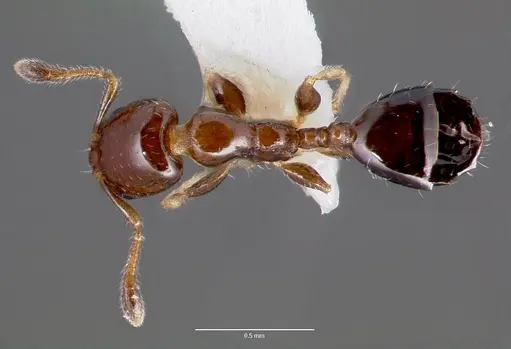
CASENT0102749
View on AntWeb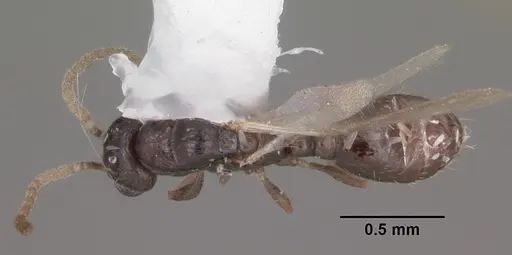
CASENT0102750
View on AntWeb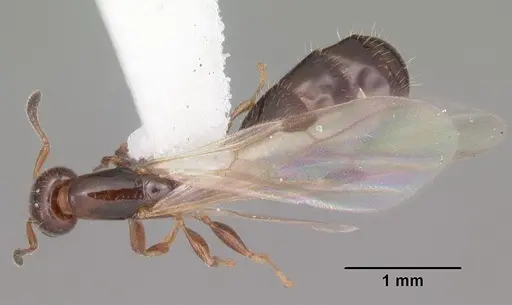
CASENT0104541
View on AntWeb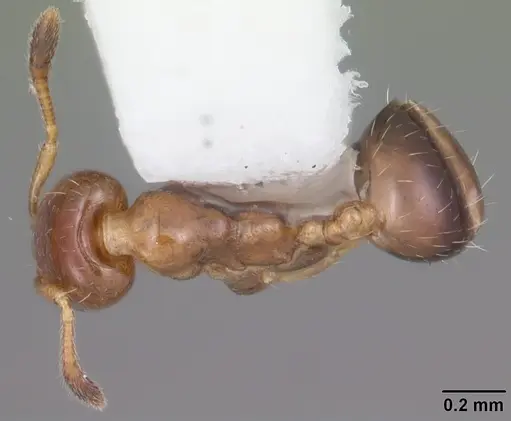
CASENT0106053
View on AntWeb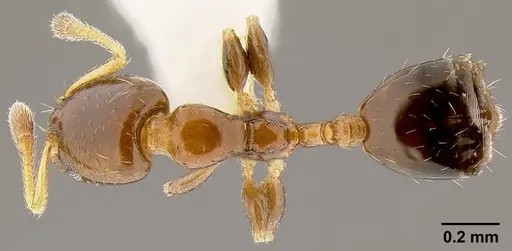
CASENT0246165
View on AntWeb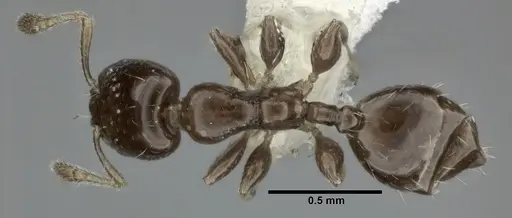
CASENT0904614
View on AntWeb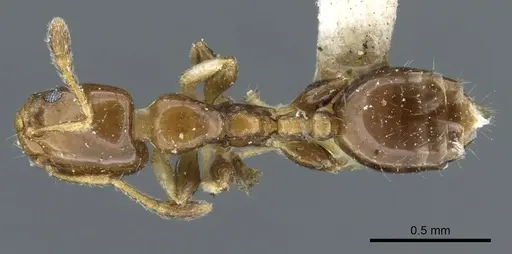
CASENT0922899
View on AntWeb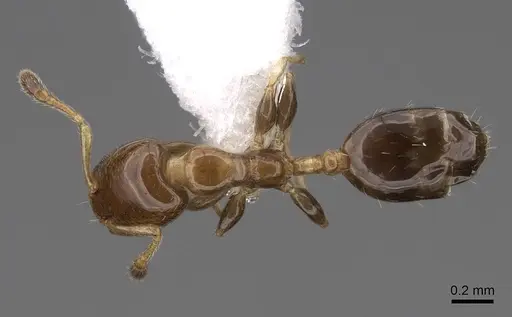
FMNHINS0000078519
View on AntWeb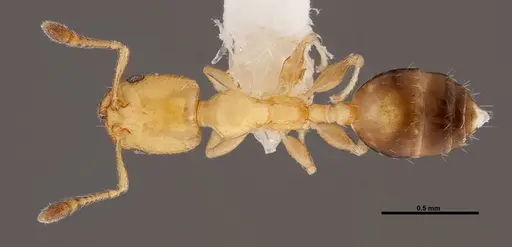
Literature
Loading distribution map...Loading products...