
Wasmannia sigmoidea
- Sci. Name
- Wasmannia sigmoidea
- Tribe
- Attini
- Subfamily
- Myrmicinae
- Author
- Mayr, 1884
- Distribution
- Found in 9 countries
Introduction
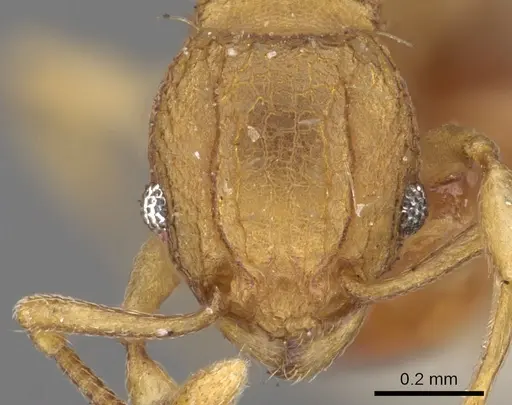
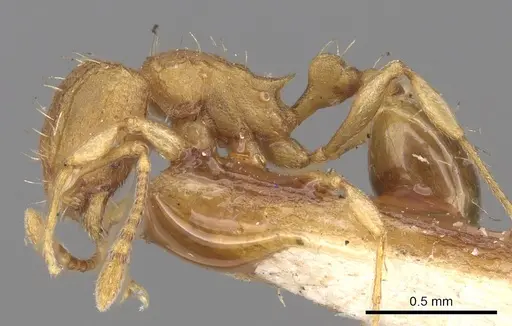
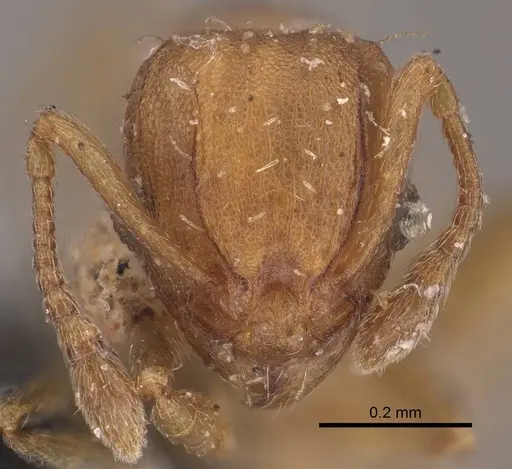
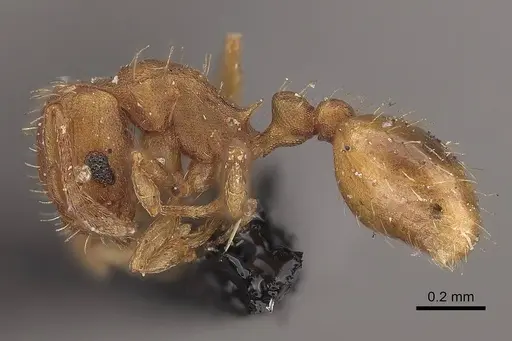
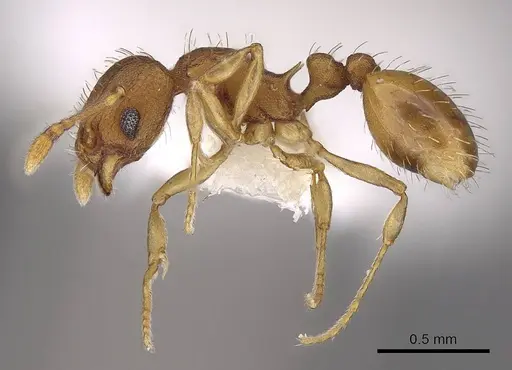
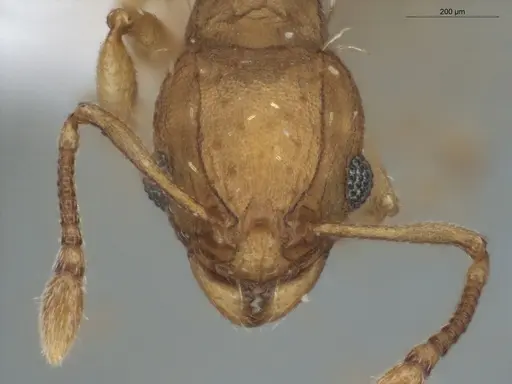
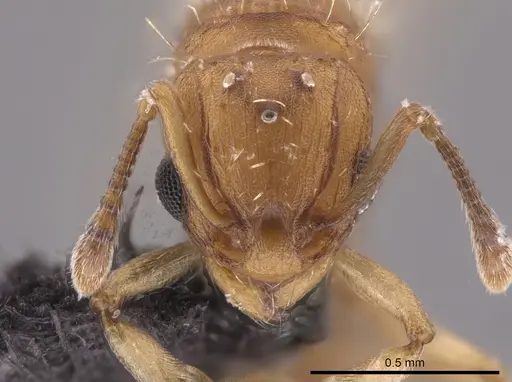
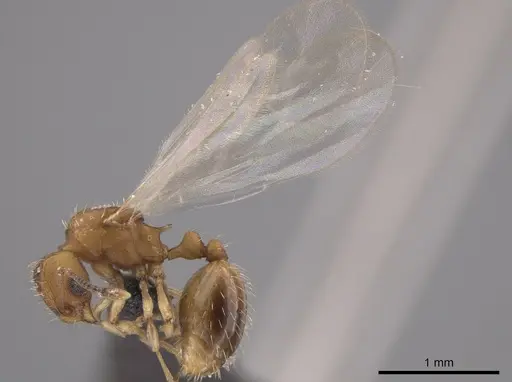
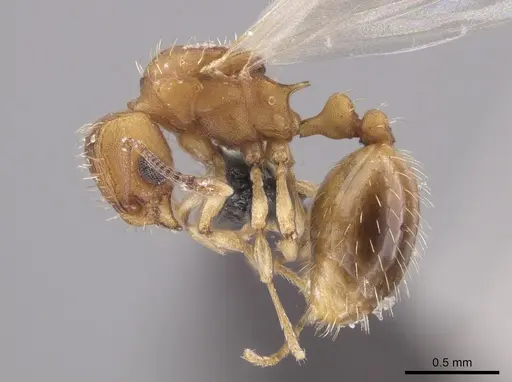
Wasmannia sigmoidea is a small ant species native to the circumcaribbean region, found across the Guianas, Antilles (St. Vincent, Grenada, Puerto Rico), Costa Rica, Venezuela, and northeastern Brazil . Workers are tiny ants with relatively long, upturned propodeal spines and notably large eyes . Queens are slightly larger. This species has been poorly characterized in scientific literature and is often confused with the related Wasmannia rochai . It prefers open and synanthropic (human-altered) habitats, which explains why it's been undersampled in forested Costa Rica . Field observations show they live in small colonies in leaf litter and have been documented attending aphids for honeydew .
Quick Summary
- Difficulty: Medium
- Origin & Habitat: Circumcaribbean region including Guianas, Antilles (St. Vincent, Grenada, Puerto Rico), Costa Rica, Venezuela, and northeastern Brazil. Prefers open, synanthropic habitats and is found in leaf litter [1][3].
- Colony Type: Small colonies with single queen observed in one field study [4]. Social structure not fully documented.
- Size & Growth:
- Queen: Size data unavailable, inferred from related Wasmannia species, estimate ~2.5-3.5mm total length [1]
- Worker: Size data unavailable, inferred from related Wasmannia species, estimate ~1.5-2.5mm total length [1]
- Colony: Max colony size unknown, field observation found a small colony with a queen [4]
- Growth: Unknown, no development data available
- Development: Unknown, not documented (No developmental studies exist for this species.)
- Antkeeping:
- Temperature: Tropical species, maintain 24-28°C year-round. Use a heating cable to create a gradient [1]
- Humidity: High humidity, keep nest substrate consistently moist but not waterlogged. They are leaf-litter ants from humid tropics [1]
- Diapause: No, tropical species, no winter diapause required. Keep temperatures stable year-round [1]
- Nesting: Y-tong, plaster, or naturalistic soil/leaf-litter nest with small chambers. Avoid dry environments. They naturally nest in leaf litter and small cavities [4]
- Behavior: Tiny, discreet ants that stay hidden in leaf litter. Forage individually. Not aggressive but possess a functional stinger (not medically significant for humans). Escape prevention is critical due to tiny size. Documented tending aphids [2].
- Common Issues: escape prevention critical due to extremely small size, use fine mesh and tight barriers., small colony size, don't expect rapid growth or large numbers., tropical species needs constant warmth, avoid temperatures below 22°C., high humidity needed, risk of desiccation if substrate dries out., could be difficult to find or acquire, species is rarely collected.
Housing and Nest Setup
Wasmannia sigmoidea is a tiny leaf-litter ant that needs appropriately scaled housing. Use a Y-tong or plaster nest with very small chambers, these ants are extremely small, so tight passages are essential [1]. A naturalistic setup with moist substrate (e.g., soil and sand mix) mimics their leaf-litter environment. Avoid dry conditions. Because they come from humid tropical habitats, the nest material should retain moisture well. Test tubes can be used as a founding chamber but make sure the water reservoir is small to prevent drowning. Ensure excellent escape prevention, these ants can fit through gaps that seem impossible. Use fine mesh (at least 0.5mm or smaller) on ventilation holes and check all seams regularly [4].
Feeding and Diet
In the wild, Wasmannia sigmoidea has been documented attending aphids (Toxoptera aurantii), confirming they accept honeydew [2]. They are classified in the omnivorous guild and likely forage for small arthropods and sugar sources in nature [5]. In captivity, offer small live prey like springtails, fruit flies, or other micro-arthropods appropriate to their tiny size. Sugar water or honey can be offered occasionally. Feed protein prey 2-3 times per week, and provide a constant sugar source. Remove uneaten prey after 24-48 hours to prevent mold. Because they are so small, prey items should be appropriately sized, anything larger than their head width will likely be ignored.
Temperature and Care
As a tropical species from the Caribbean and Central America, Wasmannia sigmoidea needs warm temperatures year-round. Keep the nest area at 24-28°C for optimal brood development [1]. A heating cable on one side of the nest creates a gentle gradient, allowing ants to thermoregulate. Room temperature may be insufficient if your home is below 24°C, monitor with a thermometer. Unlike temperate species, they do not require any diapause or winter cooling period. Stable warmth is key, avoid drafts and temperature fluctuations. If workers become sluggish or cluster together excessively, the temperature may be too low.
Humidity and Water
These leaf-litter ants require high humidity to thrive. Keep the nest substrate consistently moist but not waterlogged, it should feel damp to the touch without standing water [1]. Mist the outworld occasionally, but rely on substrate moisture rather than misting schedules. In naturalistic setups, ensure proper drainage to prevent saturation. Good ventilation is important to prevent mold while maintaining humidity, avoid both stagnant air and excessive drying. A water tube with a small cotton ball can provide drinking water, but ensure the cotton is not too wet to prevent drowning of these tiny ants.
Behavior and Temperament
Wasmannia sigmoidea is a discreet, non-aggressive species that tends to stay hidden within the nest. Workers are small and forage individually in the litter layer rather than forming prominent foraging trails. They possess a functional stinger, but it is not considered medically significant and they are not aggressive. Their tiny size makes them excellent escape artists, even the smallest gaps in your setup will be found. Check barrier integrity frequently. They have been documented tending aphids for honeydew [2]. Colonies remain relatively small compared to many common ant species. The species is poorly studied in the wild, so much of their natural behavior remains undocumented.
Colony Establishment
Establishing Wasmannia sigmoidea colonies can be challenging due to their small size and cryptic nature. If acquiring a wild colony, look for queens in palm rootballs or leaf litter accumulations, they have been found in these microhabitats [1]. Founding behavior (claustral or semi-claustral) is unconfirmed, so err on the side of not feeding the queen unless she appears to hunt, then offer tiny prey occasionally. Growth is likely slow given their small ultimate colony size. Patience is essential, don't disturb the founding chamber unnecessarily. If the colony was wild-caught, monitor for parasites which can quickly collapse small colonies [4].
Frequently Asked Questions
How long does it take for Wasmannia sigmoidea to produce first workers?
The exact development time is unknown as this species has not been studied in captivity. No data is available.
Are Wasmannia sigmoidea ants good for beginners?
This species is rated as medium difficulty. While they are not aggressive and don't require hibernation, their tiny size makes escape prevention challenging and their humidity requirements are specific. They are also less commonly available than many beginner species. Some antkeeping experience is recommended before attempting this species.
How big do Wasmannia sigmoidea colonies get?
Maximum colony size is unknown. A single field observation noted a small colony with a queen [4]. Colonies likely stay small.
What do Wasmannia sigmoidea ants eat?
They are omnivorous, feeding on small arthropods and sugar sources. In captivity, offer small live prey like springtails or fruit flies, along with sugar water or honey. They have been documented attending aphids in the wild, confirming they will collect honeydew [2].
Can I keep multiple Wasmannia sigmoidea queens together?
This has not been documented. The only field observation found a single queen [4], so it is not recommended to attempt multi-queen colonies without evidence they can coexist.
Do Wasmannia sigmoidea ants need hibernation?
No, they are a tropical species from the Caribbean and Central America and do not require any diapause period. Keep them warm year-round at 24-28°C [1].
Why are my Wasmannia sigmoidea ants escaping?
This species is extremely small, workers are only about 1.5-2.5mm in total length. They are expert escape artists and can squeeze through gaps that seem impossible. Use fine mesh (at least 0.5mm or smaller), check all seams and lid edges, and consider using fluon or other barriers on container rims. Inspect your setup daily until you are certain escapes are prevented.
When should I move Wasmannia sigmoidea to a formicarium?
Wait until the colony is actively foraging in the outworld and seems crowded in their current setup. For such tiny ants, don't upgrade too early, a small, appropriately scaled nest is better than a large one.
What temperature is best for Wasmannia sigmoidea?
Keep them at 24-28°C. As a tropical species from the circumcaribbean region, they need consistent warmth [1]. Use a heating cable on one side of the nest to create a gradient, and monitor with a thermometer. Avoid temperatures below 22°C for extended periods.
Report an Issue
The current care sheet is based fully on literature. See inconsistencies, or something that's incorrect? Please , it will be resolved after review from an admin. Contributing to the blogs tab also helps providing information, to make us be able to further improve the caresheets. Thank you for your support!
References

This caresheet is licensed under CC BY-SA 4.0 .
Community Blogs
CASENT0901665
View on AntWeb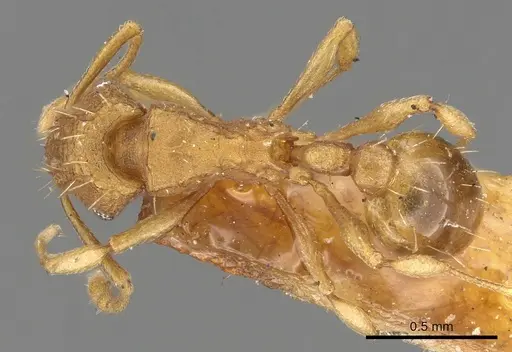
CASENT0919618
View on AntWeb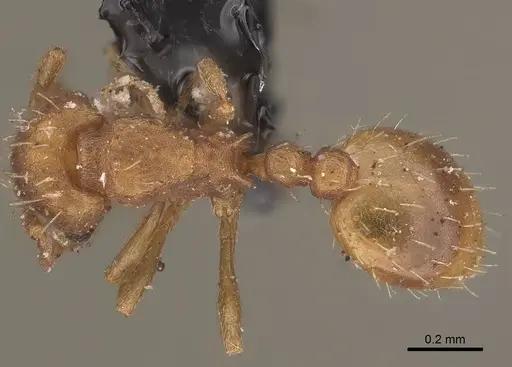
CASENT0922486
View on AntWeb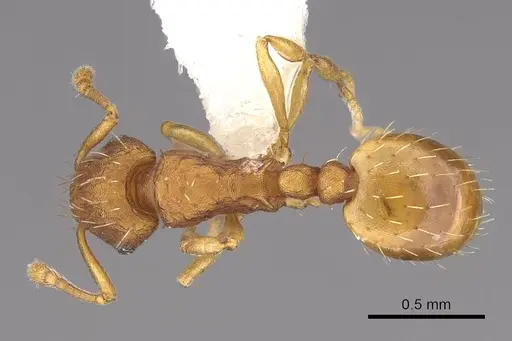
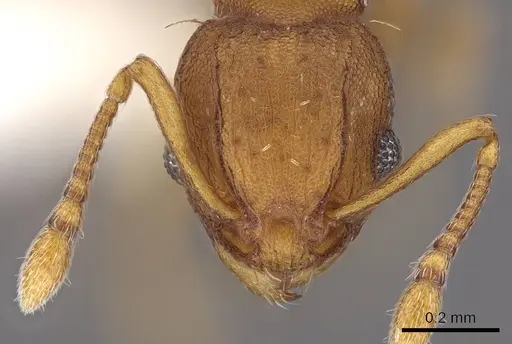
ECOFOG-SAV18-0257-04
View on AntWeb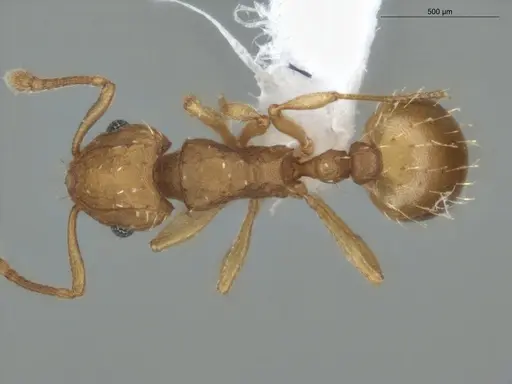
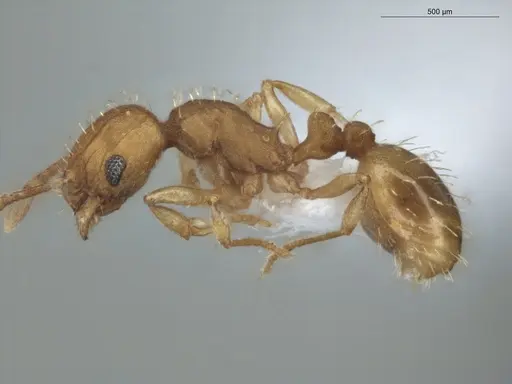
JTLC000006295
View on AntWeb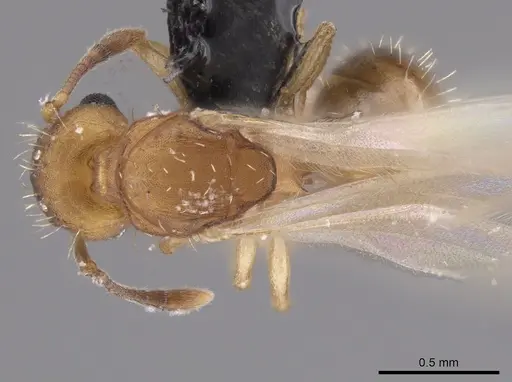
Literature
Loading distribution map...Loading products...