
Wasmannia iheringi
- Sci. Name
- Wasmannia iheringi
- Tribe
- Attini
- Subfamily
- Myrmicinae
- Author
- Forel, 1908
- Distribution
- Found in 3 countries
Introduction
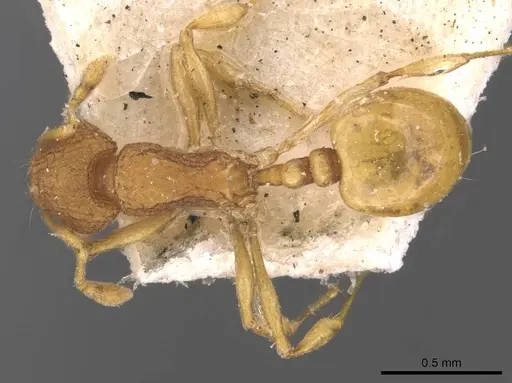
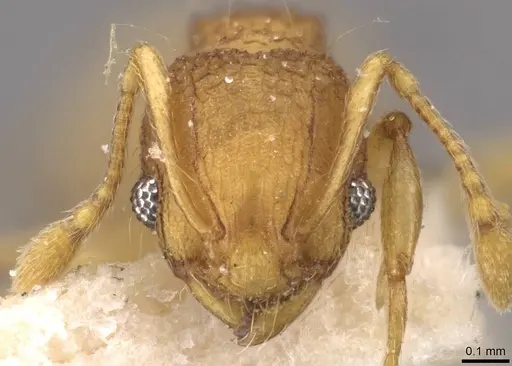
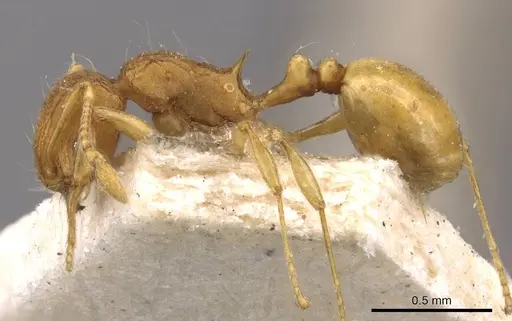
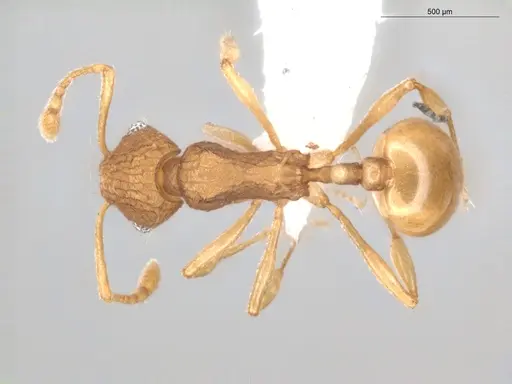
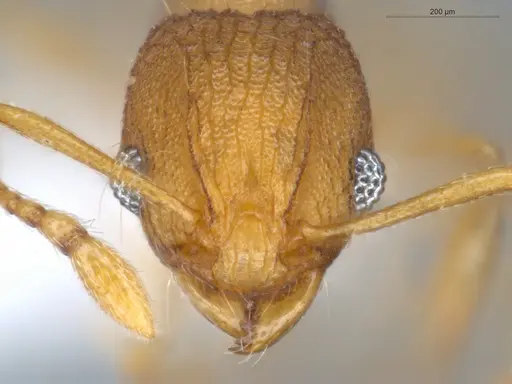
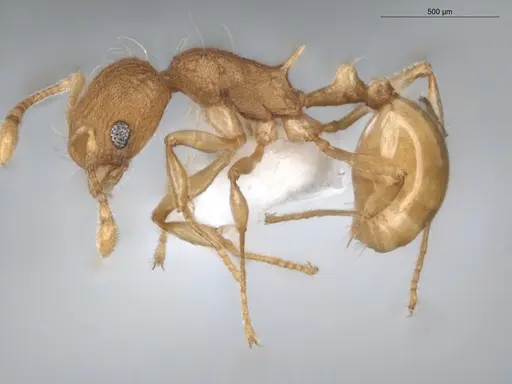
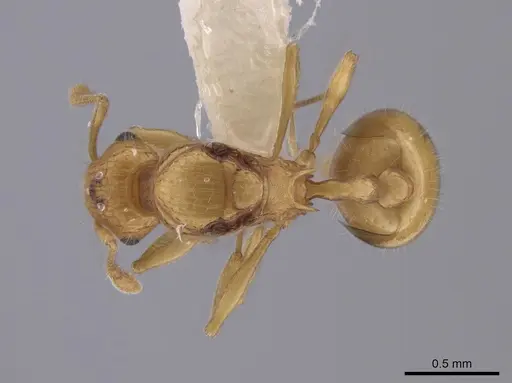
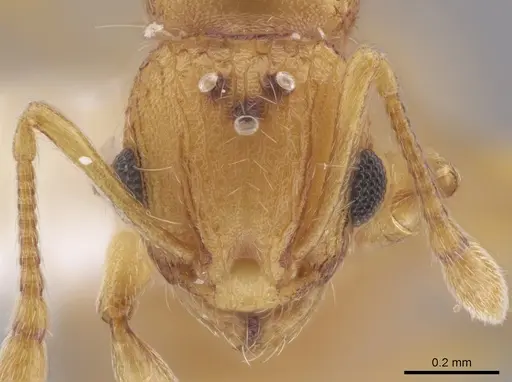
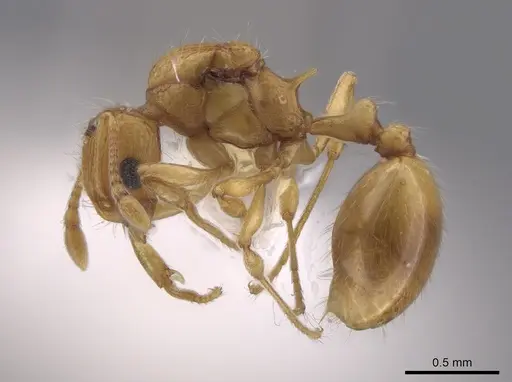
Wasmannia iheringi is a tiny arboreal ant species from the Neotropics, found in the rainforests of Brazil, Costa Rica, and Peru . Workers are extremely small, with a head width of 0.49-0.57mm - you'll need a magnifying glass to see them properly. Queens are slightly larger, with a head width of 0.60-0.62mm . These ants are distinctive for their specialized nesting behavior - they build small carton nests on the undersurface of leaves, creating a felt-like roof covering a portion of the leaf between veins . What makes this species unusual is its arboreal lifestyle - unlike most ant species that nest in soil or rotting wood, Wasmannia iheringi lives entirely in the forest canopy. Colonies can have multiple queens (polygynous), with observed nests containing up to 27 workers,1-2 dealate queens, and males . This is a rarely kept species that requires specialized setups mimicking their leaf-nesting behavior.
Quick Summary
- Difficulty: Hard
- Origin & Habitat: Neotropical rainforests of southeastern Brazil (Espírito Santo), Costa Rica, and Peru [1][2]. In Costa Rica, they inhabit the canopy of lowland rainforest on the Atlantic slope at 500-600m elevation [1]. Found in both Atlantic Forest and Amazon Forest regions [2][3][4].
- Colony Type: Polygynous colonies possible, a dense aggregation with two dealate queens has been observed [1]. Single-queen colonies also occur.
- Size & Growth:
- Queen: Size data unavailable in literature. Very small, with head width 0.60-0.62mm [1].
- Worker: Size data unavailable in literature. Very small, with head width 0.49-0.57mm [1].
- Colony: Up to 27 workers observed in a natural nest [1], likely similar or slightly larger under optimal conditions.
- Growth: Slow, small colony size suggests gradual growth
- Development: Unknown, no development data available for this species (No direct development data available. Related tropical Wasmannia species develop faster in warm conditions, but timing is unknown for Wasmannia iheringi.)
- Antkeeping:
- Temperature: Keep at 24-28°C, these are tropical rainforest ants requiring warm, stable temperatures [1]. Use a heating cable on one side of the nest to create a gentle gradient.
- Humidity: High humidity required, think humid forest canopy. Keep the nest substrate consistently moist but not waterlogged. Provide a water tube for drinking access. Balance with ventilation to prevent mold [1].
- Diapause: No, these are tropical ants that do not experience cold winters. They remain active year-round [1].
- Nesting: This is the most challenging aspect. In nature they build carton nests on leaf undersurfaces. In captivity, try small test tubes or plaster nests with chambers scaled to their tiny size. Avoid acrylic, Y-tong (AAC), plaster, soil, or 3D-printed nests work better. Provide a vertical surface they can attach to for building.
- Behavior: These ants are very small and likely shy. They are arboreal foragers, probably foraging on leaves and branches for small insects, honeydew, and nectar. Their tiny size means escape prevention must be excellent, they can squeeze through gaps that seem impossible. They are not aggressive and pose no stinging threat to keepers (their stingers cannot penetrate human skin). Activity level is moderate, they forage in the canopy layer rather than on the forest floor.
- Common Issues: tiny size makes escape likely without fine mesh barriers or fluon, specialized arboreal nesting requirements are difficult to replicate in captivity, small colony size means slow growth and limited population, high humidity needs can lead to mold if ventilation is poor, very rare in the hobby, finding a colony may be difficult
Housing and Nest Setup
Keeping Wasmannia iheringi presents a unique challenge because of their specialized arboreal nesting behavior. In the wild, they build small carton nests on the undersurface of leaves, a 2cm felt-like roof covering the leaf between veins [1]. This is nothing like typical ant nesting.
For captivity, your best options are small test tubes with a water reservoir, or small plaster nests with chambers scaled to their tiny size. Avoid acrylic nests, Y-tong (AAC), plaster, soil, or 3D-printed nests work better. The key is scale, these ants are tiny, so chambers should be small and passages narrow. A test tube setup with a water reservoir works well for founding colonies. For established colonies, you might experiment with naturalistic setups using artificial leaves or small structures they can build on.
Escape prevention is critical. Workers have a head width of only 0.49-0.57mm [1], meaning they can squeeze through gaps you didn't know existed. Use fine mesh (0.3mm or smaller) on any ventilation holes, seal all joints with fluon or petroleum jelly, and check boundaries regularly. A single gap in your barrier is all it takes for these tiny ants to vanish.
Feeding and Diet
Wasmannia iheringi belongs to the tribe Attini, which includes fungus-growers, but the genus Wasmannia is not a true fungus-grower, they are generalist omnivores like most Myrmicinae. In the rainforest canopy, they likely forage for small insects, honeydew from aphids and scale insects, and nectar.
Feed them small protein sources like fruit flies, pinhead crickets, or small mealworms. Since they are so tiny, their prey items must be appropriately sized, springtails are an excellent choice. Offer sugar water, honey, or diluted honeydew as an energy source. Feed small amounts every 2-3 days and remove uneaten food to prevent mold.
Because they are arboreal foragers, they may prefer feeding in elevated positions rather than on the nest floor. Place food on small platforms or elevated surfaces in the outworld. [1]
Temperature and Humidity
These are tropical rainforest ants from the canopy layer. They require warm, humid conditions year-round, no hibernation or winter rest [1]. Keep temperatures in the range of 24-28°C. A heating cable on one side of the nest creates a temperature gradient that allows the ants to choose their preferred spot.
Humidity should be high, aim for 70-80% relative humidity. The forest canopy where they live is constantly humid. Use a water tube in the nest for drinking access, and keep the substrate consistently moist. However, balance humidity with adequate ventilation to prevent mold growth, which can quickly kill small colonies.
Avoid temperature fluctuations and cold drafts. These ants have never experienced cold conditions in their evolutionary history, and even brief exposure to cool temperatures can stress or kill them.
Colony Structure and Growth
Wasmannia iheringi colonies can be polygynous, meaning multiple queens can coexist in the same nest. One observed nest contained 27 workers, one dealate queen, four adult males, and brood of various sizes [1]. Another observation found a dense aggregation with two dealate queens, confirming polygynous colony structure is possible [1].
Colony size remains small compared to many common ant species. Based on observed natural colonies, full-grown colonies likely reach under 100 workers. This means your colony will never become massive, but what they lack in numbers they make up for in interesting behavior.
Growth is likely slow. With small colony sizes and tropical origins, expect gradual development. Queens produce eggs periodically, but development from egg to worker is unstudied. Be patient, these ants are a long-term project, not a fast-growing species.
Behavior and Temperament
As arboreal ants, Wasmannia iheringi forages in the canopy layer rather than on the ground. They are likely shy and non-aggressive, focusing on collecting honeydew and small insects rather than defending territory. They pose no stinging threat to keepers, their stingers are too small to penetrate human skin.
Their most interesting behavior is the carton nest construction. In captivity, you may observe them building similar structures if provided with appropriate materials. They create a felt-like material from plant fibers and secretions, shaping it into protective roofs over their nesting sites.
Activity levels are moderate. They are not hyperactive like some species, but they maintain consistent foraging activity. Watch for workers exploring the outworld, collecting food, and tending to brood. Their small size makes them fascinating to observe under magnification. [1]
Frequently Asked Questions
How long does it take for Wasmannia iheringi to produce first workers?
The exact timeline is unknown, no development data exists for this species. Be patient and provide stable warm conditions.
Can I keep Wasmannia iheringi in a test tube?
Yes, test tubes work well for founding colonies. Use a small test tube with a water reservoir and cotton plug. The key is ensuring chambers are appropriately scaled to their tiny size. Seal all gaps tightly, these tiny ants can escape through remarkable gaps [1].
What do Wasmannia iheringi ants eat?
They are generalist omnivores. Feed small protein sources like fruit flies, springtails, or tiny crickets. Offer sugar water, honey, or honeydew as an energy source. Because they are so small, prey items must be appropriately sized, anything larger than themselves will be ignored.
Are Wasmannia iheringi good for beginners?
No, this species is not recommended for beginners. Their tiny size, specialized arboreal nesting requirements, high humidity needs, and rarity make them a challenging species. Start with more forgiving species like Lasius or Tetramorium before attempting Wasmannia.
How big do Wasmannia iheringi colonies get?
Colonies remain small, observed natural nests contain around 27 workers [1]. Full colonies likely reach under 100 workers. Do not expect massive colonies like you would get from Camponotus or Solenopsis.
Do Wasmannia iheringi need hibernation?
No, these are tropical ants from rainforests in Brazil, Costa Rica, and Peru. They do not hibernate and require warm temperatures year-round. Keep them at 24-28°C consistently [1].
Why are my Wasmannia iheringi escaping?
Their tiny size (head width 0.49-0.57mm [1]) means they can squeeze through gaps you cannot see. Check all boundaries with fine mesh (0.3mm or smaller), apply fluon or petroleum jelly to barrier edges, and inspect for any cracks or gaps in your setup. Escape prevention must be excellent.
Can I keep multiple queens together?
Yes, this species can form polygynous colonies with multiple queens. Observed natural colonies have contained two dealate queens [1]. However, starting with a single queen is safer, you can always introduce additional queens later if the colony accepts them.
Where does Wasmannia iheringi nest in the wild?
They build specialized carton nests on the undersurface of leaves in the rainforest canopy. A 2cm felt-like carton roof covers the leaf between veins [1]. This arboreal nesting is unusual among ants and makes captive care challenging.
Report an Issue
The current care sheet is based fully on literature. See inconsistencies, or something that's incorrect? Please , it will be resolved after review from an admin. Contributing to the blogs tab also helps providing information, to make us be able to further improve the caresheets. Thank you for your support!
References

This caresheet is licensed under CC BY-SA 4.0 .
Community Blogs
Literature
Loading distribution map...Loading products...