
Vollenhovia rufiventris
- Sci. Name
- Vollenhovia rufiventris
- Tribe
- Crematogastrini
- Subfamily
- Myrmicinae
- Author
- Forel, 1901
- Distribution
- Found in 3 countries
Introduction
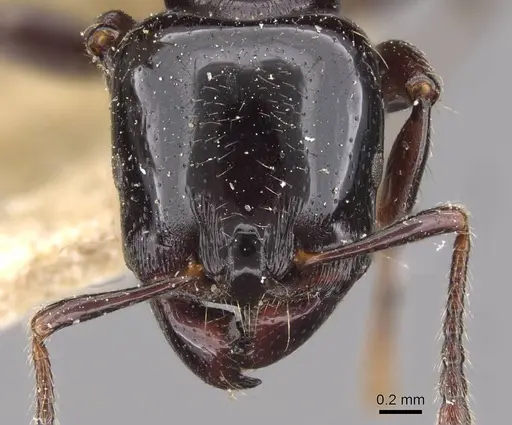
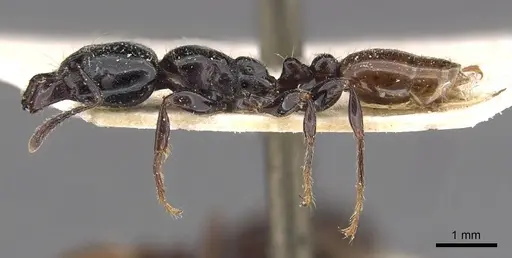
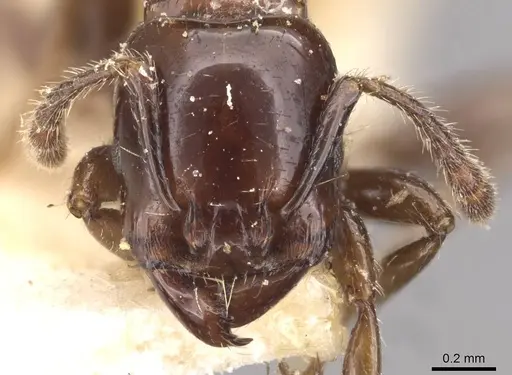
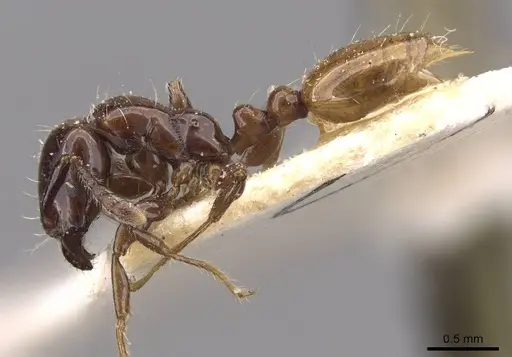
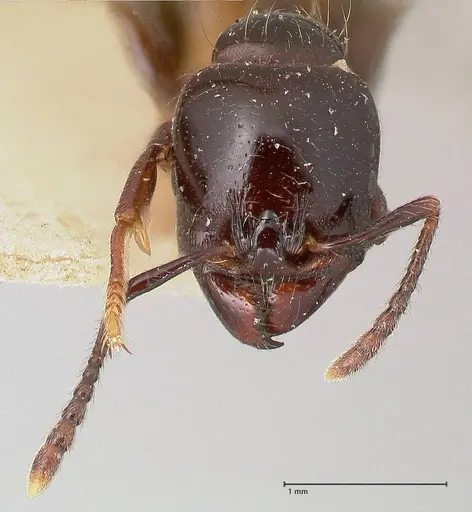
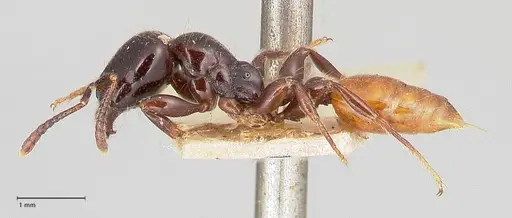
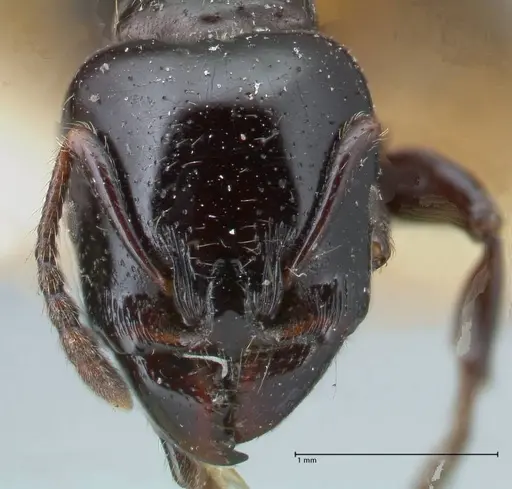
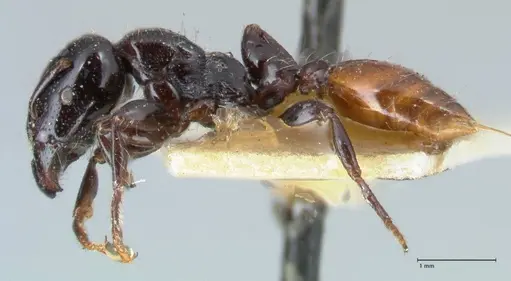
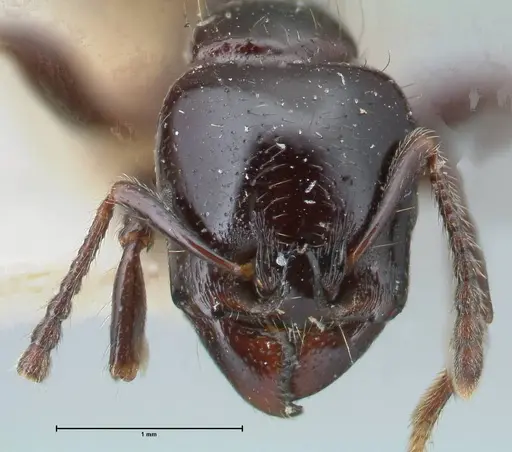
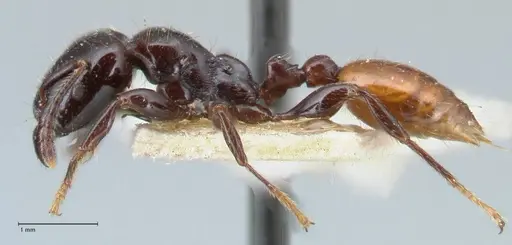
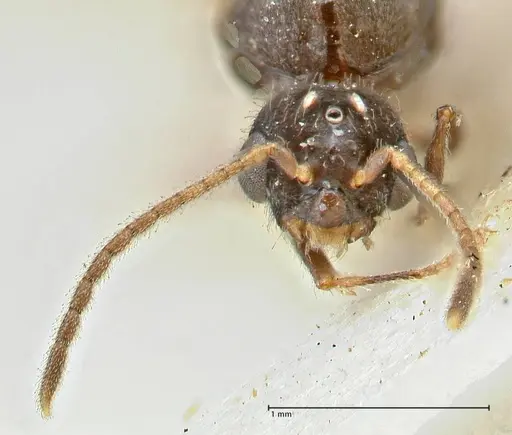
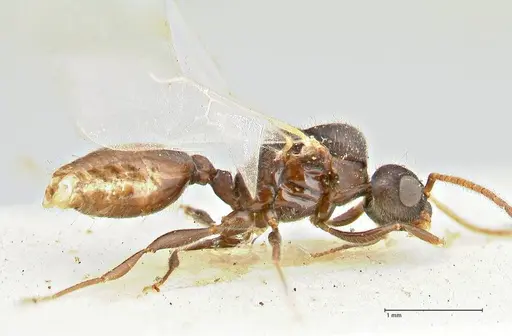
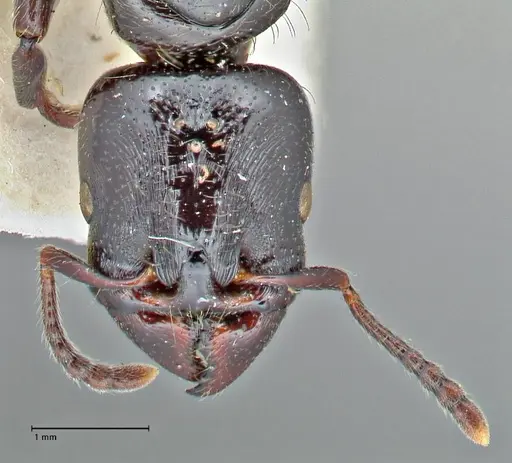
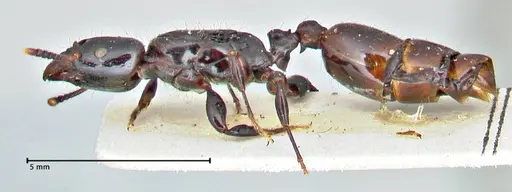
Vollenhovia rufiventris is a tiny Myrmicinae ant species native to Southeast Asia, found across Borneo, Indonesia, Malaysia, and Singapore . Workers are small, but exact measurements are not documented. The species name 'rufiventris' means red-bellied, referring to its reddish-brown abdomen. This ant is rarely studied, so most of its biology is unknown. The only solid information comes from a few field observations in Singapore and Borneo, where colonies were found nesting in soft, half‑decayed wood lying on the forest floor . This suggests they prefer damp, shaded microhabitats typical of tropical lowland rainforests.
Quick Summary
- Difficulty: Hard
- Origin & Habitat: Native to the Indomalaya region: Borneo, Indonesia, Malaysia, and Singapore [1]. Found in lowland rainforests, specifically nesting in soft wood of half‑decayed trees lying on the ground [2][3].
- Colony Type: Unconfirmed, no studies have documented the social structure of this species.
- Size & Growth:
- Queen: size data unavailable
- Worker: size data unavailable
- Colony: Unknown, no colony size data exists.
- Growth: Unknown, no growth rate data exists.
- Development: No data available. (No developmental studies have been published for this species. Any estimate would be pure guesswork.)
- Antkeeping:
- Temperature: Specific temperature requirements are unknown. As a tropical rainforest species, they likely prefer warm, stable conditions (roughly 24‑28°C), but this is an inference from habitat, not confirmed.
- Humidity: High humidity is essential, they naturally nest in damp, rotting wood. Keep the nest substrate consistently moist but not waterlogged. Use a nest that can hold moisture (Y‑tong or plaster).
- Diapause: Unlikely, as a species from near the equator, a winter rest period is probably not required. Limited data cannot rule out a slight seasonal slowdown.
- Nesting: In the wild, colonies are found in soft, half‑decayed wood lying on the ground [2][3]. In captivity, a Y‑tong (AAC) or plaster nest that maintains humidity works well. Avoid dry, compact substrates.
- Behavior: These are tiny, docile ants that rarely try to sting. They are not aggressive and tend to stay hidden within their nest material. Escape prevention is critical, their small size means they can slip through gaps that would contain larger ants. Use fine mesh and seal all connections.
- Common Issues: escape risk due to very small size, seal every gap with fine mesh or cotton., lack of species‑specific care information means you must observe carefully and adapt., high humidity requirements may lead to mold if ventilation is poor., unknown growth rate, colonies may grow very slowly, requiring patience., wild‑caught colonies may carry parasites or fail to adjust to captive conditions.
Housing and Nest Setup
Field observations show that Vollenhovia rufiventris naturally nests in soft, half‑decayed wood lying on the forest floor [2][3]. For captive care, a Y‑tong (AAC) or plaster nest is suitable because these materials hold moisture well. The nest should be kept humid but with some ventilation to prevent mold. Avoid dry, naturalistic setups, this species clearly prefers wood‑based nesting sites that stay damp. Because the ants are tiny, seal all connections and gaps with fine mesh or cotton, they can escape through openings smaller than 1 mm.
Temperature and Humidity
As a tropical rainforest species from Singapore and Borneo, Vollenhovia rufiventris likely prefers warm, stable conditions. The exact temperature range is unknown, but a good starting point is room temperature (roughly 24‑28°C). Avoid direct sunlight and air conditioning vents. Humidity must be high, the nest substrate should feel moist to the touch. A simple method is to place the nest in a plastic container with a damp layer of substrate underneath to create a humid microclimate. If the nest dries out, the colony will suffer.
Feeding and Diet
No dietary research exists specifically for Vollenhovia rufiventris. You can offer small insects (e.g., fruit flies, pinhead crickets) and sugar water or diluted honey, but success is not guaranteed. Because the ants are so small, even a single fruit fly is a large meal. Remove uneaten prey after two days to prevent mold. Monitor acceptance and adjust offerings based on what the colony actually eats.
Colony Development and Growth
No development data has been published for this species. It is unknown how long eggs take to become workers. Be extremely patient, do not disturb a founding queen for several weeks. Given the lack of information, keep detailed notes of your own observations to help yourself and other keepers. Any specific timeline found online is likely guesswork.
Handling and Temperament
These ants are tiny and docile. They are too small to sting meaningfully, so there is no risk of pain or venom to humans. The main concern is escape, because of their size, they can slip through any gap larger than about 0.5 mm. Use fine mesh, seal all connections, and keep the colony in a breakout‑proof container. When observing, open the setup quickly to minimise escape risk.
Frequently Asked Questions
How long does it take for Vollenhovia rufiventris to get their first workers?
No data exists. Any number you see online is pure speculation. Be prepared to wait several months without seeing any workers.
What do Vollenhovia rufiventris ants eat?
Their diet is unstudied. You can try offering tiny insects (fruit flies, pinhead crickets) and sugar water. There is no guarantee they will accept these foods.
Can I keep Vollenhovia rufiventris in a test tube?
A test tube can work for a founding queen, but humidity management is tricky. Once you have workers, move them to a Y‑tong or plaster nest that holds moisture better.
Do Vollenhovia rufiventris ants sting?
They are too small to deliver a painful sting to humans. Even if they have a stinger, it cannot penetrate human skin effectively.
What temperature do they need?
The exact temperature is unknown. Based on their tropical habitat, they likely do well at 24‑28°C, but this is an inference. Keep them warm and stable.
How big do Vollenhovia rufiventris colonies get?
Colony size is unknown, no research has documented the maximum number of workers. They are probably small (under a few hundred), but this is guesswork.
Do they need hibernation or diapause?
As a tropical species from near the equator, diapause is unlikely. However, no studies have confirmed this. If colony activity slows in winter, you can reduce temperature slightly, but it is probably not necessary.
Why are my Vollenhovia rufiventris dying?
Common causes include humidity too low, temperature extremes, escape (they leave and starve), or stress from frequent disturbance. Ensure the nest is consistently moist and stable at room temperature.
Are Vollenhovia rufiventris good for beginners?
No, they are challenging because so little is known about their care. The tiny size makes escape prevention difficult, and the unknown growth rate can be frustrating. Only experienced keepers with a patient approach should attempt them.
When should I move them to a formicarium?
Move them when the test tube or current nest becomes visibly cramped. There is no known worker count to aim for, just watch and react. Connect the new nest gradually and let them move on their own.
Can I keep multiple queens together?
No data exists on social structure. Most Vollenhovia species are believed to be monogyne (single queen). Do not attempt to combine unrelated queens without further information.
What is the best nest type for Vollenhovia rufiventris?
Based on their natural nesting in damp, rotting wood, a Y‑tong (AAC) or plaster nest that retains moisture works best. Avoid dry, naturalistic setups with soil.
Report an Issue
The current care sheet is based fully on literature. See inconsistencies, or something that's incorrect? Please , it will be resolved after review from an admin. Contributing to the blogs tab also helps providing information, to make us be able to further improve the caresheets. Thank you for your support!
References

This caresheet is licensed under CC BY-SA 4.0 .
Community Blogs
CASENT0901007
View on AntWeb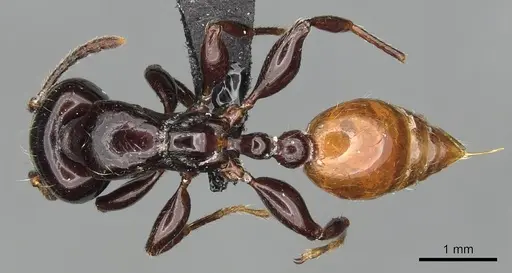
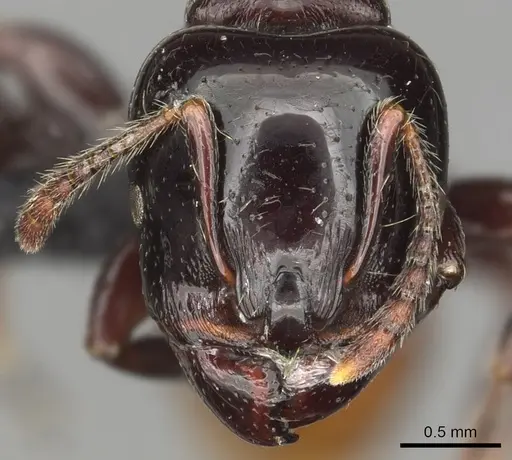
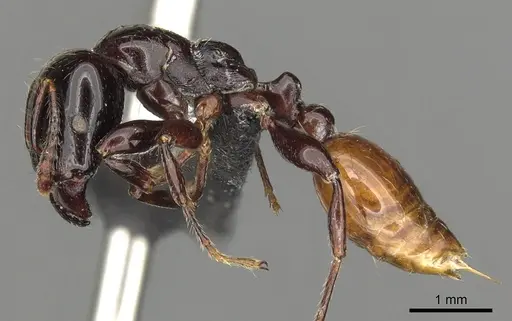
CASENT0908664
View on AntWeb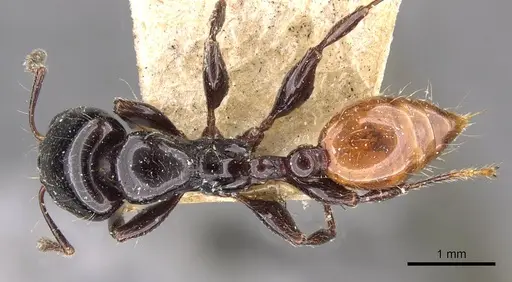
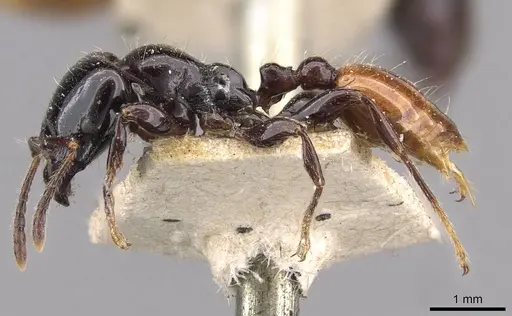
CASENT0908665
View on AntWeb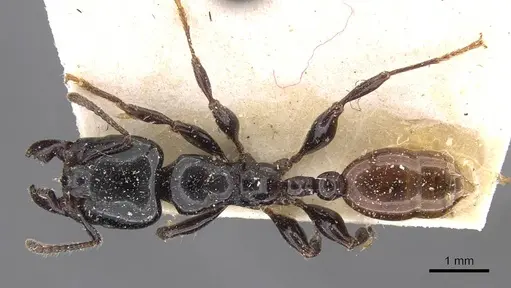
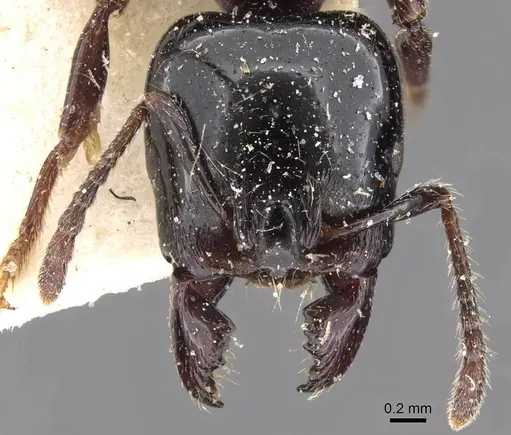
CASENT0908666
View on AntWeb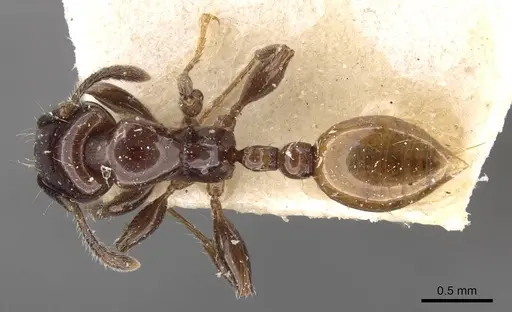
FOCOL0772
View on AntWeb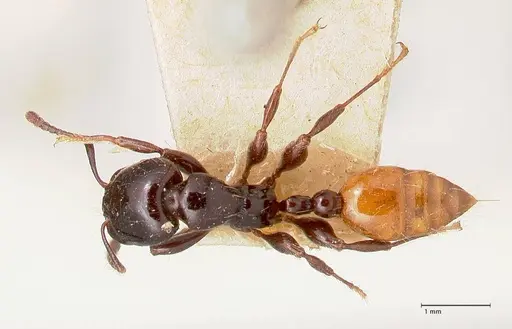
FOCOL1675
View on AntWeb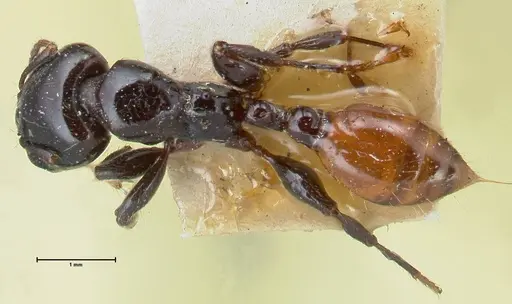
FOCOL1676
View on AntWeb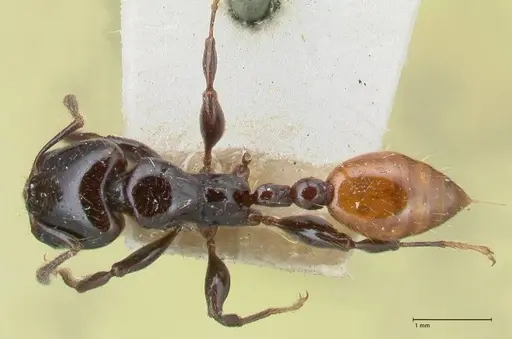
FOCOL2920
View on AntWeb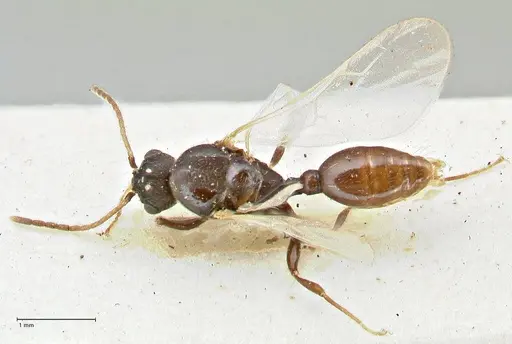
FOCOL2921
View on AntWeb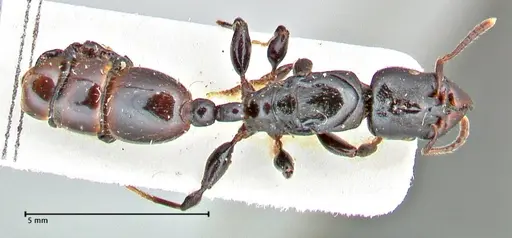
Literature
Loading distribution map...Loading products...