
Vollenhovia oblonga
- Sci. Name
- Vollenhovia oblonga
- Tribe
- Crematogastrini
- Subfamily
- Myrmicinae
- Author
- Smith, 1860
- Distribution
- Found in 6 countries
Introduction
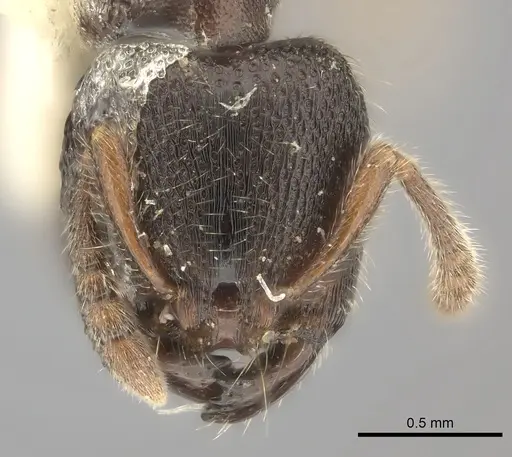
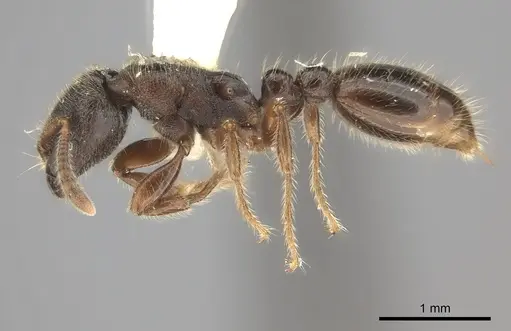
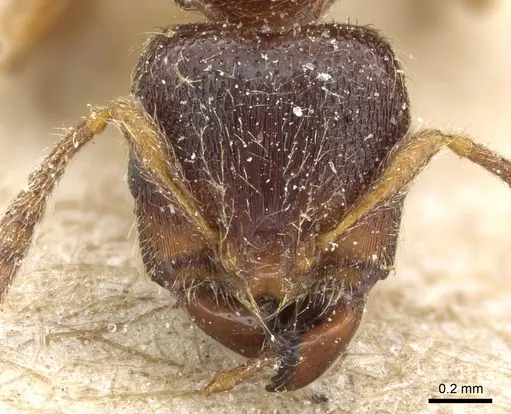
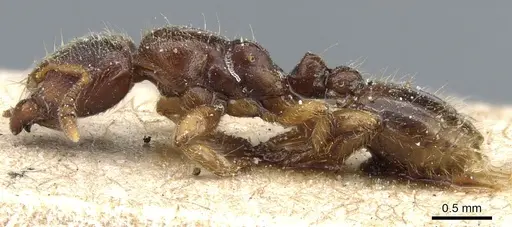
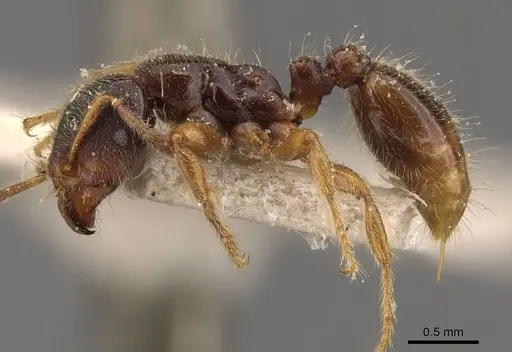
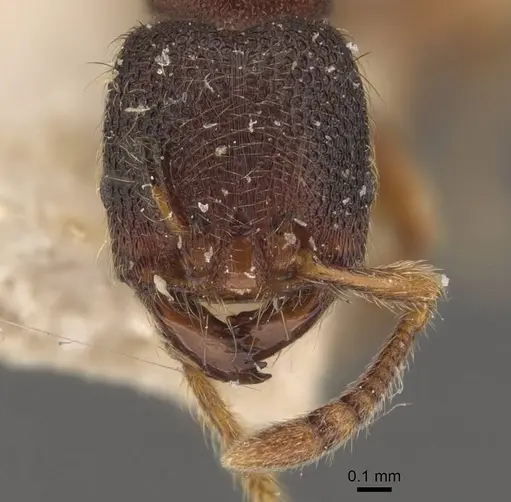
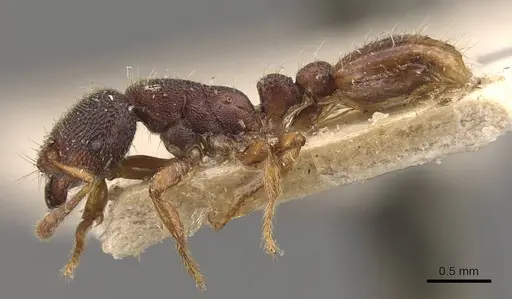
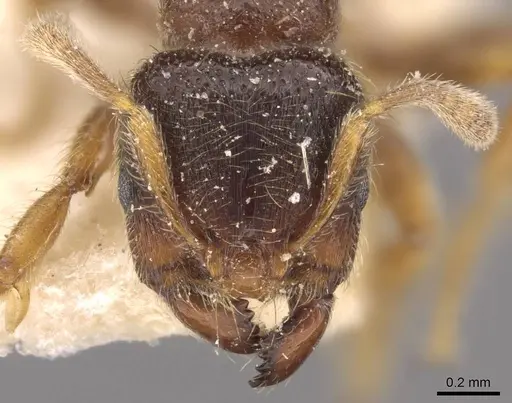
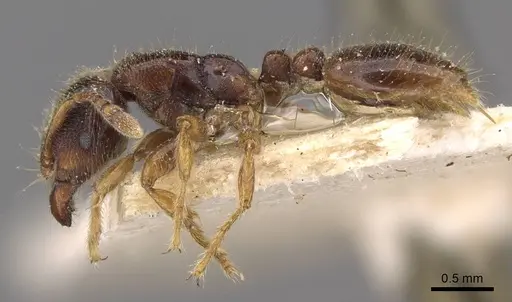
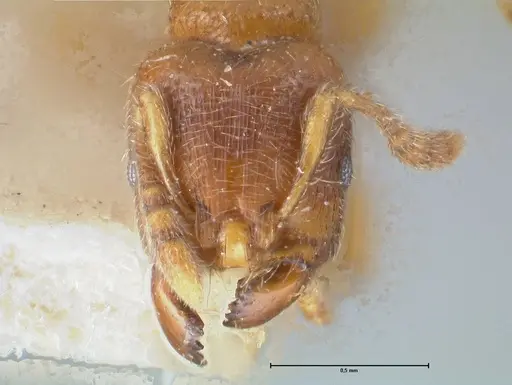
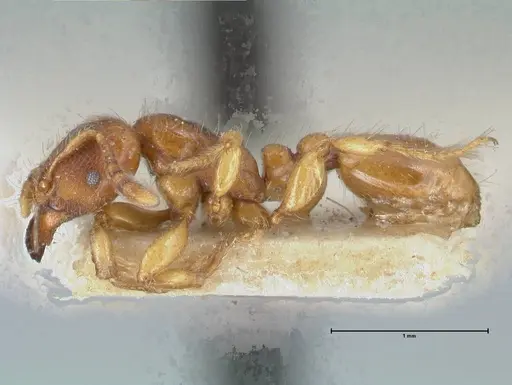
Vollenhovia oblonga is an ant speciesof the genusVollenhovia , belonging to the subfamily Myrmicinae and tribe Crematogastrini . It is documented in 6 countries , including Micronesia, Indonesia, Papua New Guinea .
Frequently Asked Questions
What kind of nest is best for my Vollenhovia oblonga colony?
For these fascinating ants, replicating their natural decaying wood or under-bark nests works best. Consider a naturalistic setup with cork bark, or an acrylic or plaster formicarium with wood inserts. They thrive when they can excavate, so a suitable substrate within the nest is also a plus. In the founding stage, a test tube setup is perfect for the queen and her first brood.
What should I feed my Oblong Ants?
Being predatory, Vollenhovia oblonga workers will eagerly accept small insect protein like fruit flies, small roaches, or even tiny mealworms. Remember to also offer a consistent source of sugary liquid, such as sugar water or diluted honey, for their energy needs.
Do Vollenhovia oblonga need diapause?
Generally, Vollenhovia oblonga do not require a diapause period as they originate from tropical and subtropical regions. Maintaining stable temperatures year-round is usually sufficient for their well-being.
How large do Vollenhovia oblonga colonies get?
While the exact maximum size for Vollenhovia oblonga isn't widely documented, other Vollenhovia species can form colonies in the thousands. Be prepared for a medium-sized colony that will steadily grow, eventually filling out a decent-sized formicarium.
Are these ants good for beginner antkeepers?
Vollenhovia oblonga are considered a 'Medium' difficulty species. While not overly challenging, their smaller size means they can be escape artists, and maintaining consistent humidity can be a bit trickier for newcomers. However, an attentive beginner with good research can certainly succeed!
What temperatures and humidity levels do they prefer?
Keep your Vollenhovia oblonga colony at comfortable room temperatures, ideally between 22-26°C. They appreciate moderate humidity, around 60-80%. Providing a humidity gradient in their nest is always a smart move, allowing them to choose their preferred spot for different life stages.
Can Vollenhovia oblonga sting?
Yes, Vollenhovia oblonga workers are capable of stinging. While their sting is generally mild and not a significant threat to humans, it's always wise to exercise caution and avoid direct contact when handling your colony.
Are they prone to any common issues in captivity?
Like many ant species, Vollenhovia oblonga can be susceptible to common issues such as mold in the nest if humidity isn't managed well, or mites. Due to their small size, they can be escape artists, so ensure your setup is escape-proof. Overfeeding can also lead to waste and mold, so feed them appropriately for their colony size.
Do Vollenhovia oblonga have major workers or soldiers?
Typically, Vollenhovia oblonga workers are monomorphic, meaning they don't have distinct major or soldier castes. All workers are generally similar in size and serve various roles within the colony.
How fast do their colonies grow?
Vollenhovia oblonga colonies exhibit a medium growth rate. You won't see an explosive population boom, but with consistent care, appropriate feeding, and a stable environment, your colony will steadily increase in numbers over time.

This caresheet is licensed under CC BY-SA 4.0 .
Community Blogs
CASENT0101273
View on AntWeb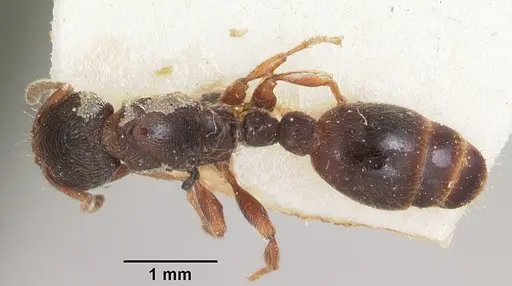
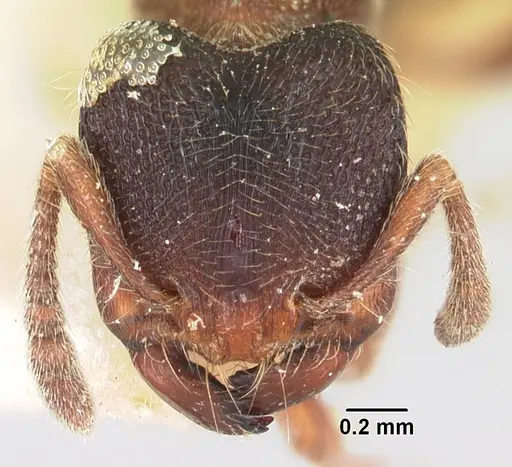
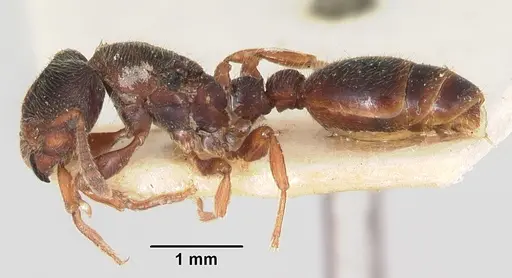
CASENT0101274
View on AntWeb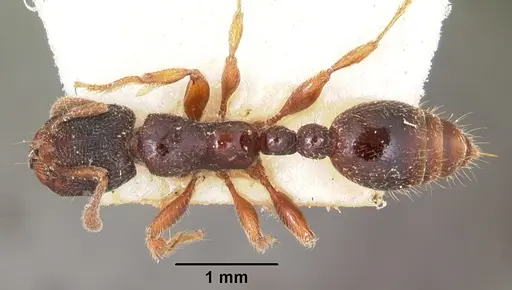
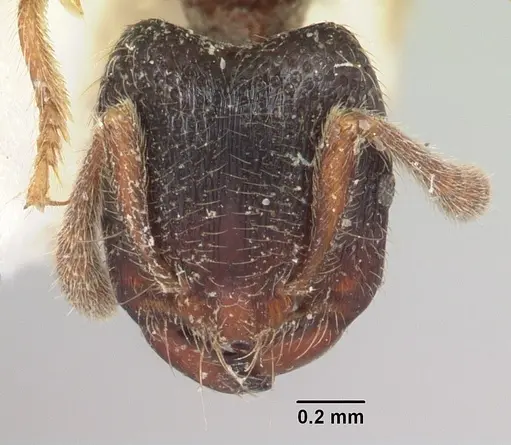
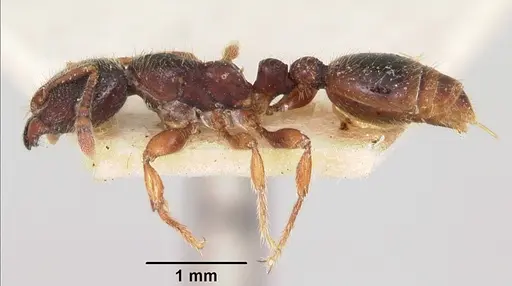
CASENT0101601
View on AntWeb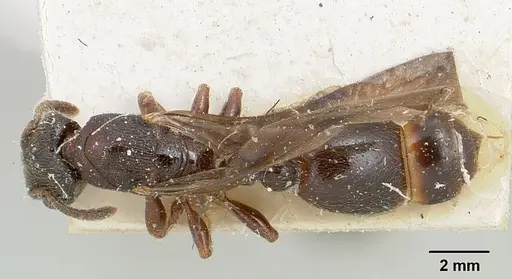
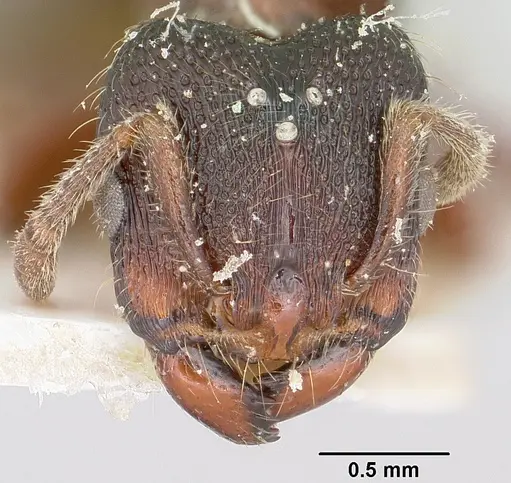
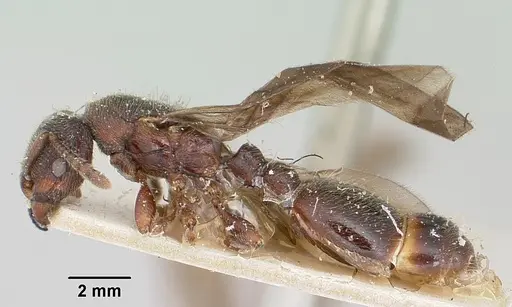
CASENT0102058
View on AntWeb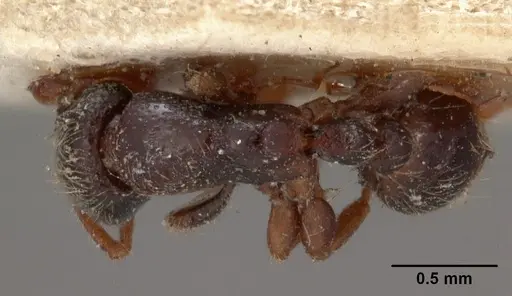
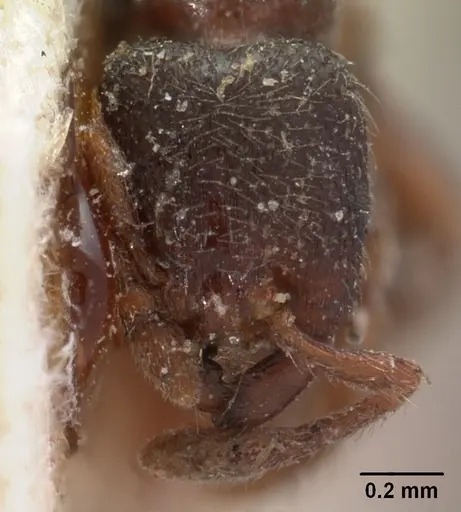
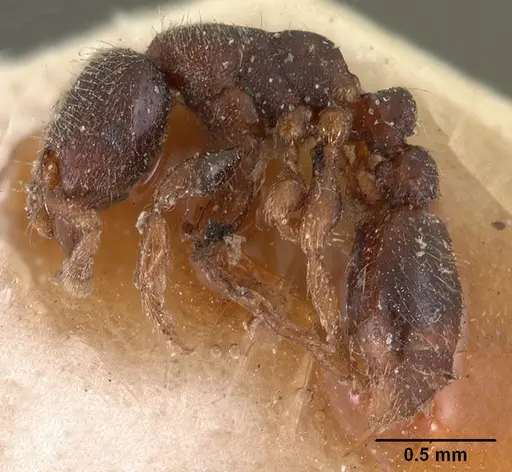
CASENT0102059
View on AntWeb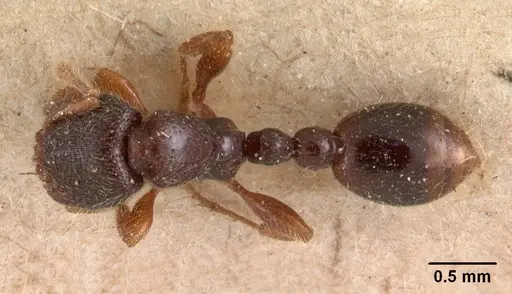
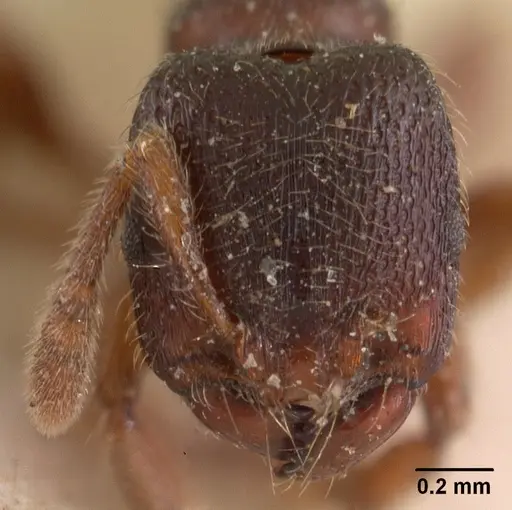
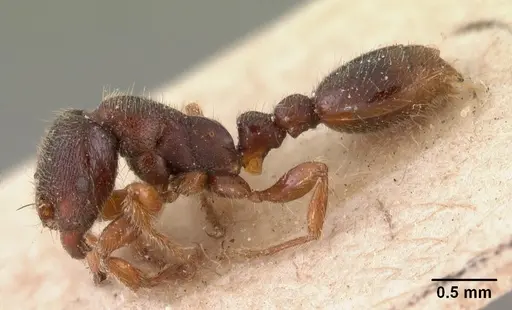
CASENT0159709
View on AntWeb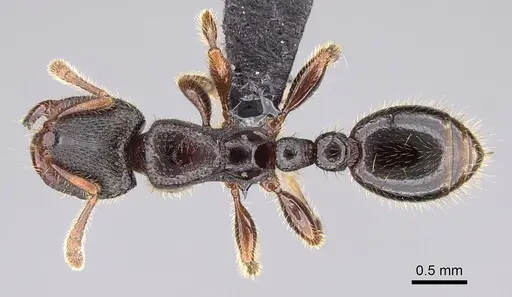
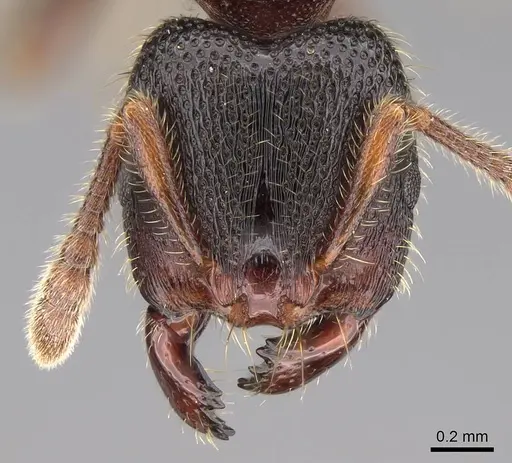
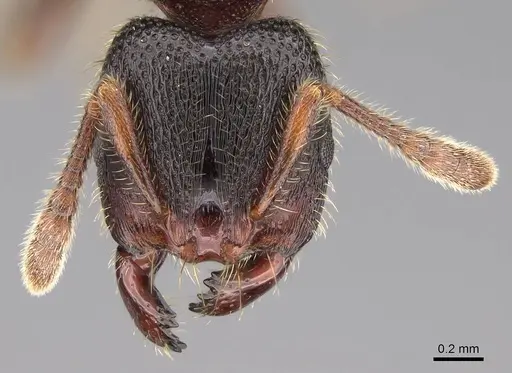
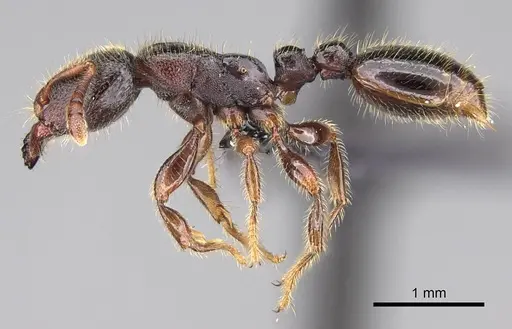
CASENT0160546
View on AntWeb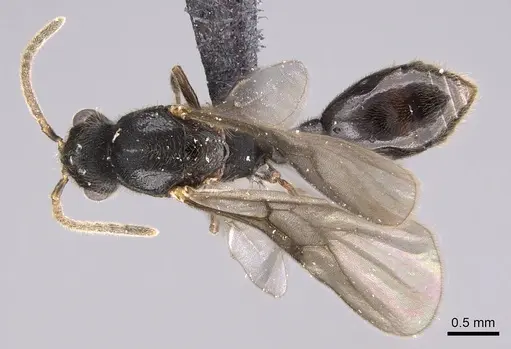
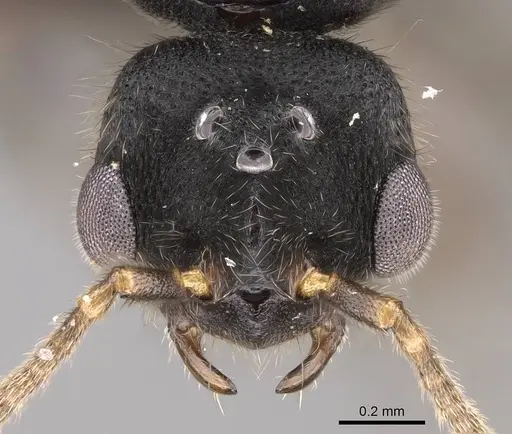
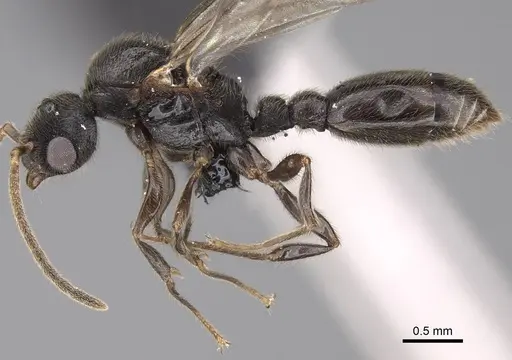
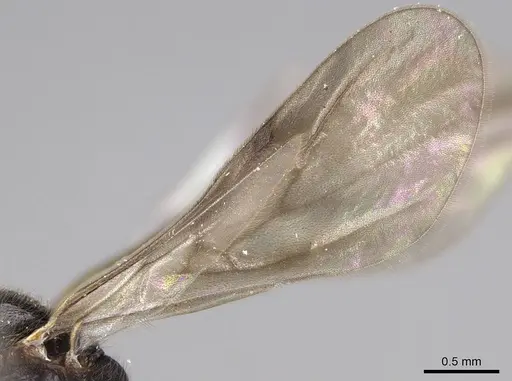
CASENT0160788
View on AntWeb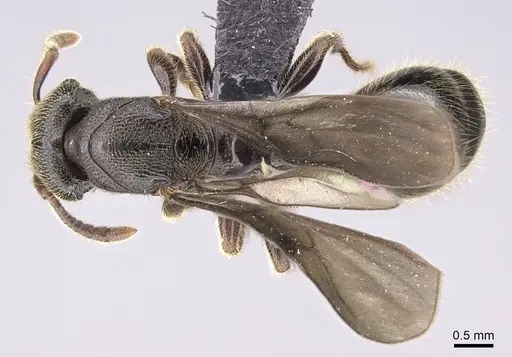
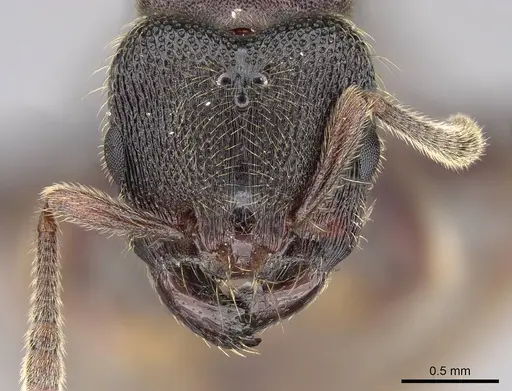
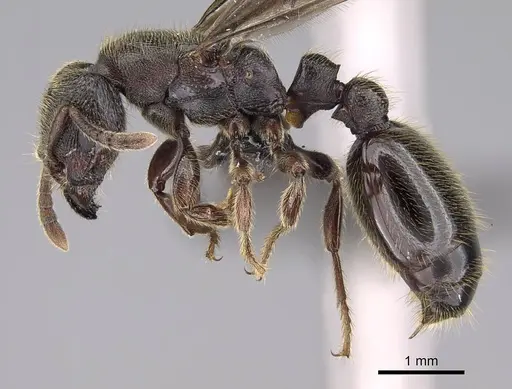
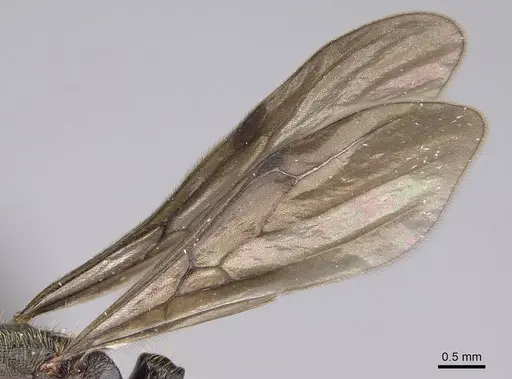
CASENT0178419
View on AntWeb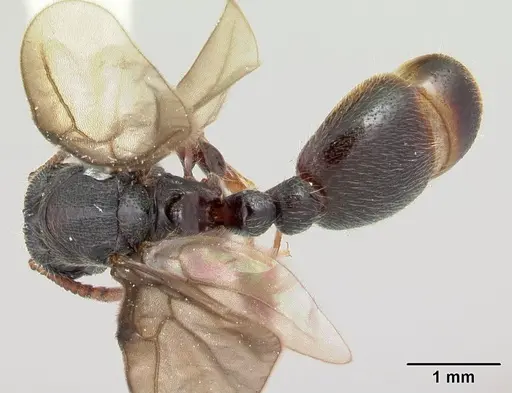
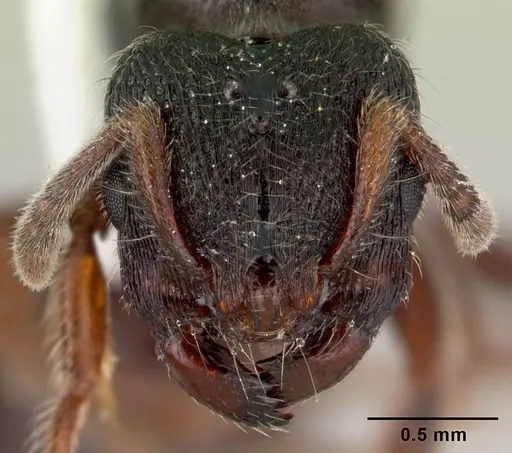
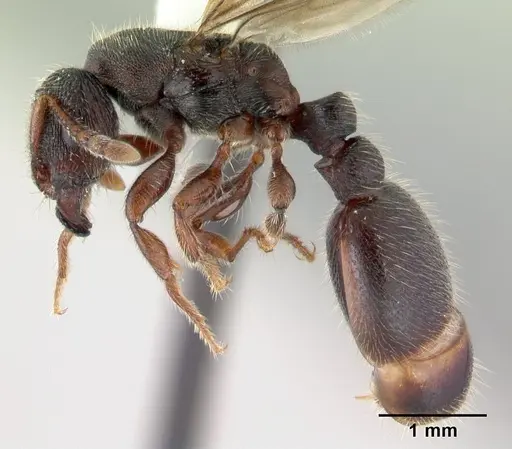
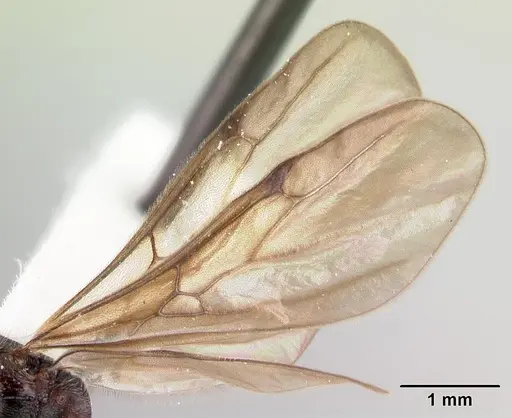
CASENT0178420
View on AntWeb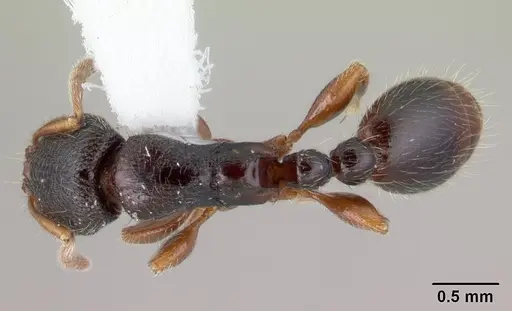
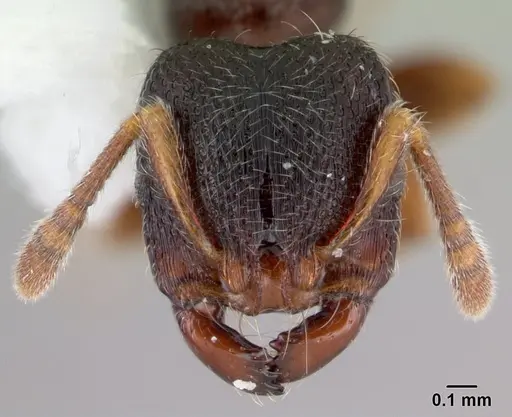
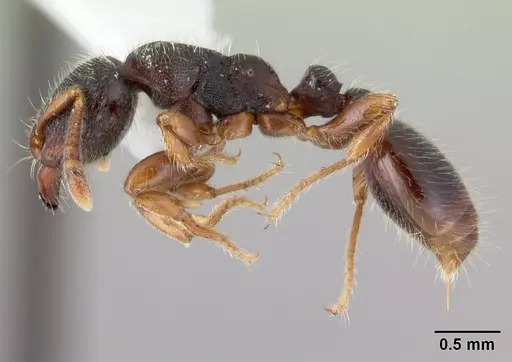
CASENT0191433
View on AntWeb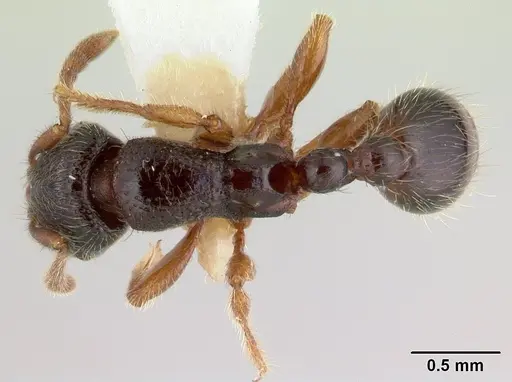
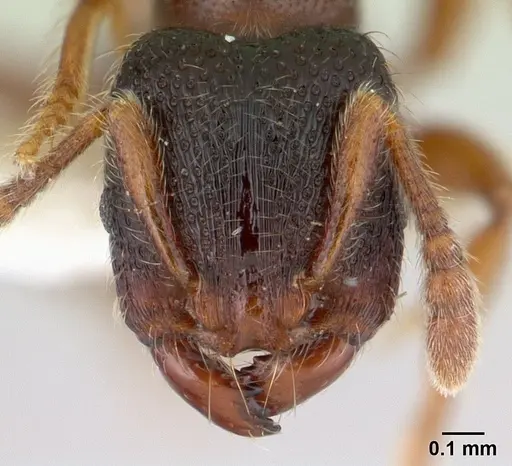
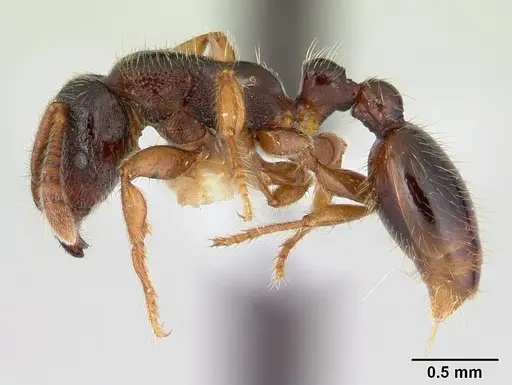
CASENT0199896
View on AntWeb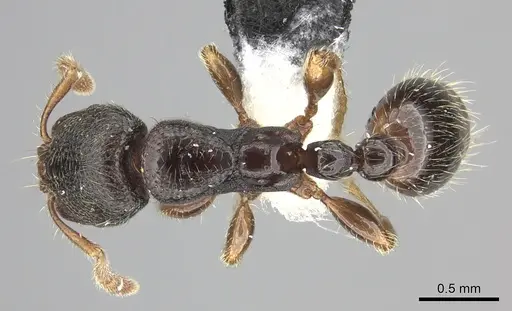
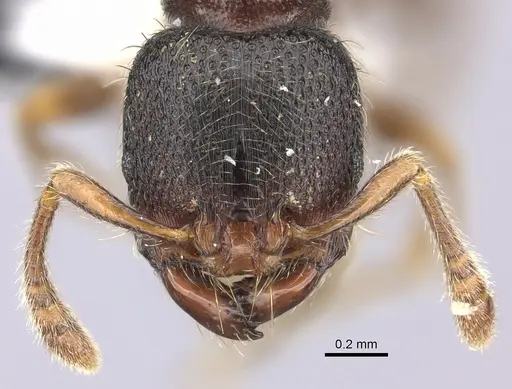
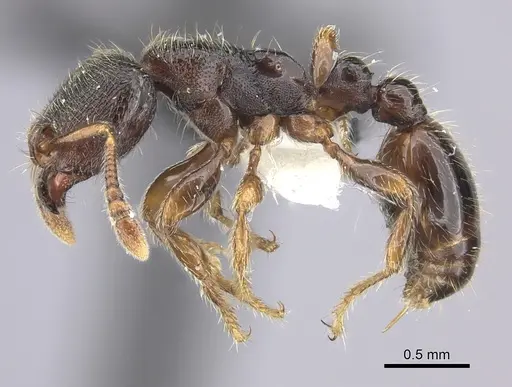
CASENT0217982
View on AntWeb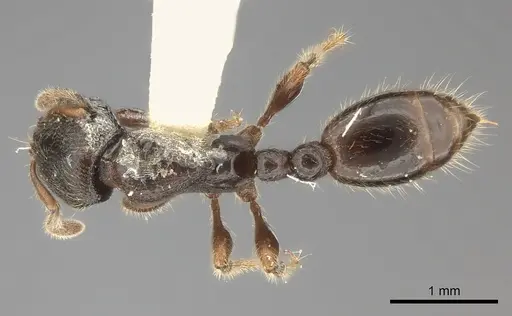
CASENT0901008
View on AntWeb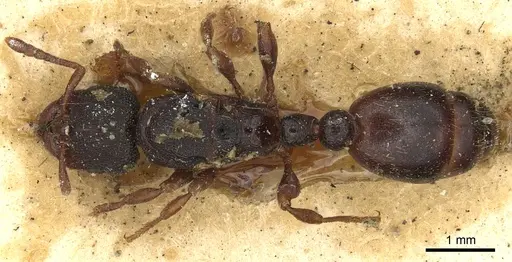
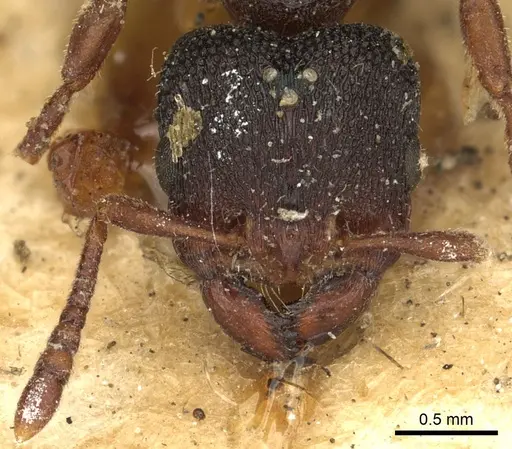
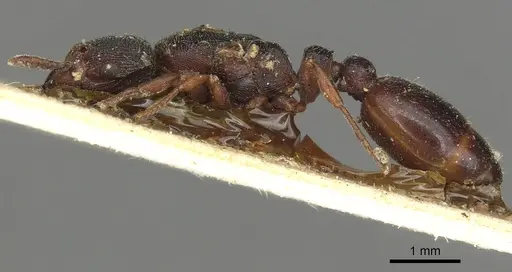
CASENT0901384
View on AntWeb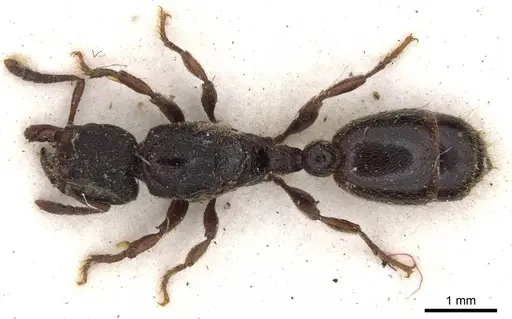
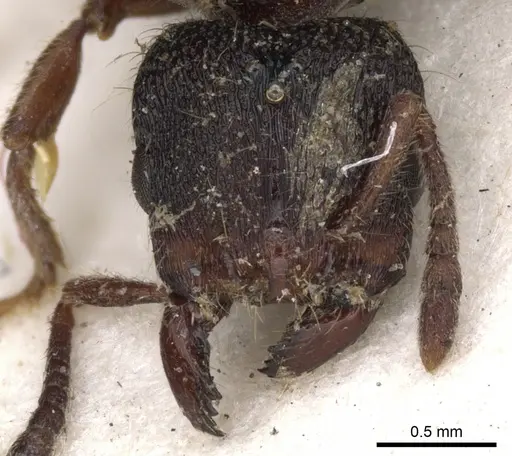
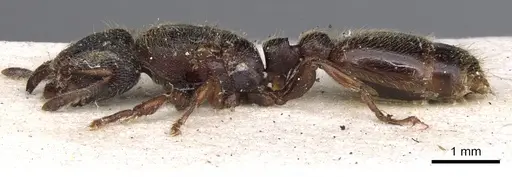
CASENT0901385
View on AntWeb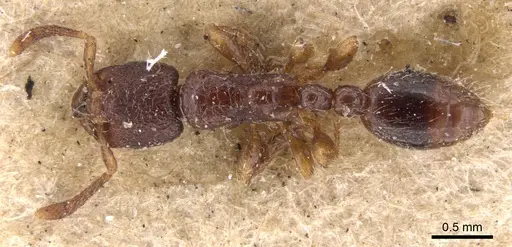
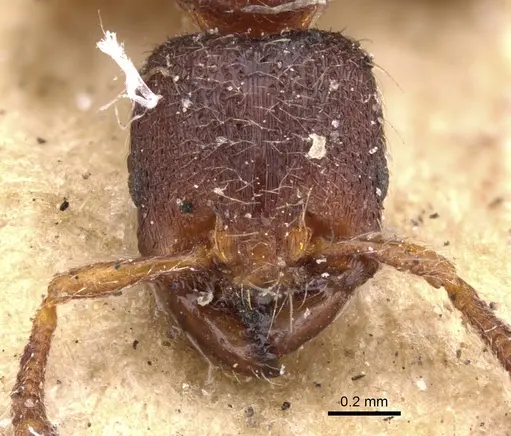
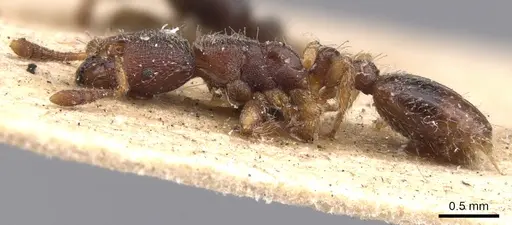
CASENT0904539
View on AntWeb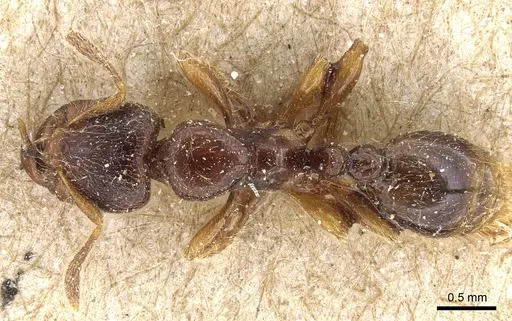
CASENT0904540
View on AntWeb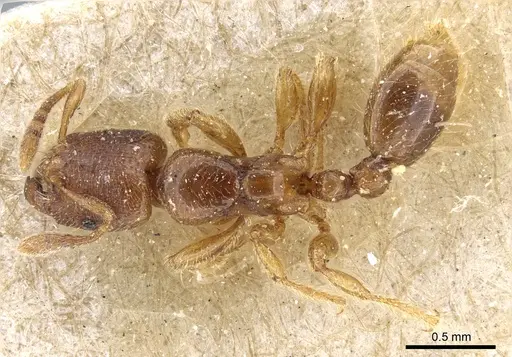
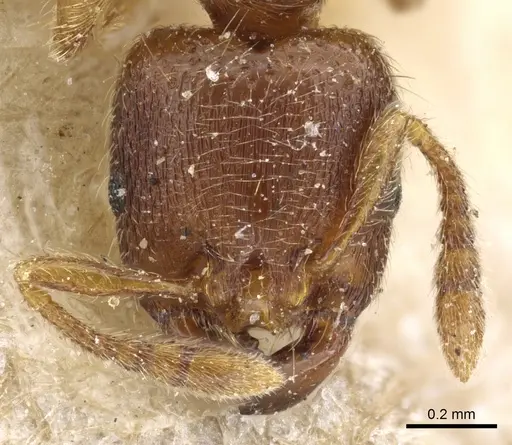
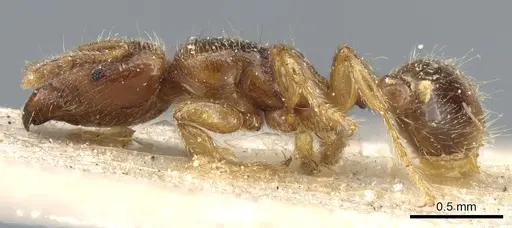
CASENT0908658
View on AntWeb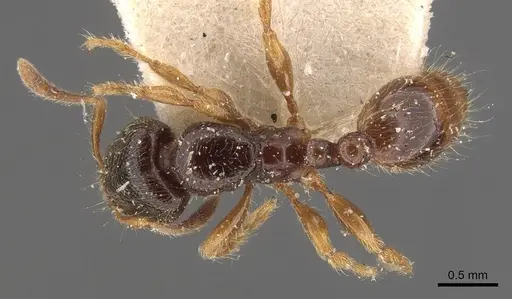
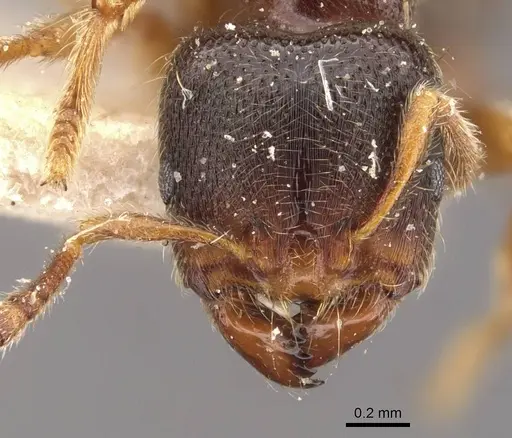
CASENT0908659
View on AntWeb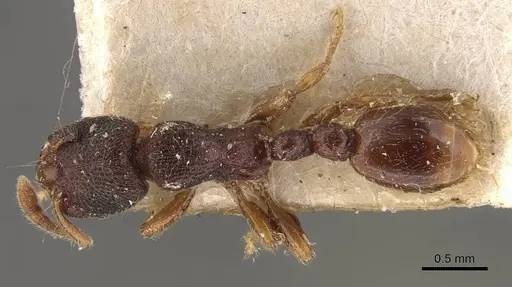
CASENT0908660
View on AntWeb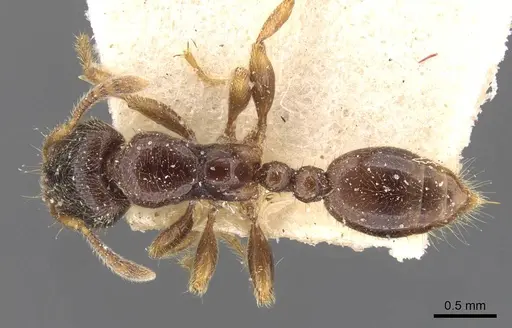
CASENT0908661
View on AntWeb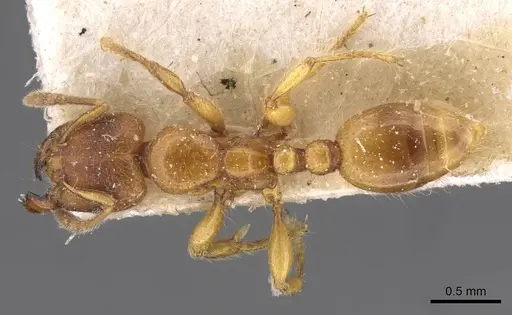
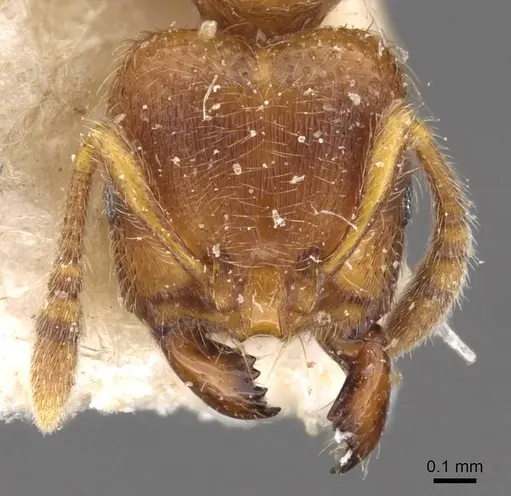
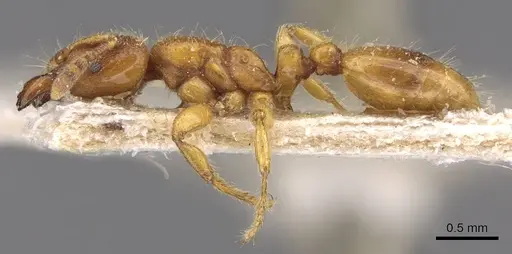
FOCOL1672
View on AntWeb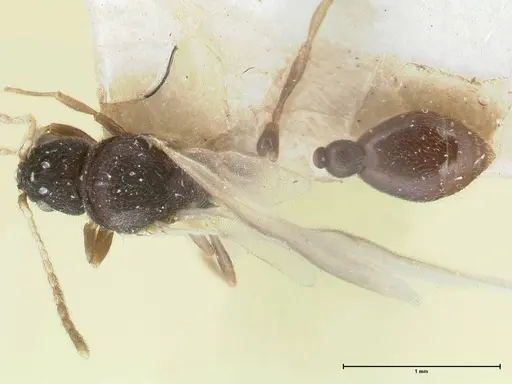
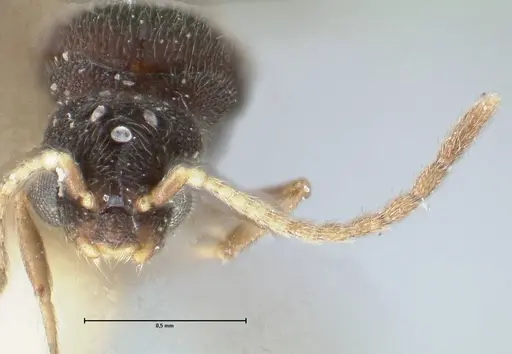
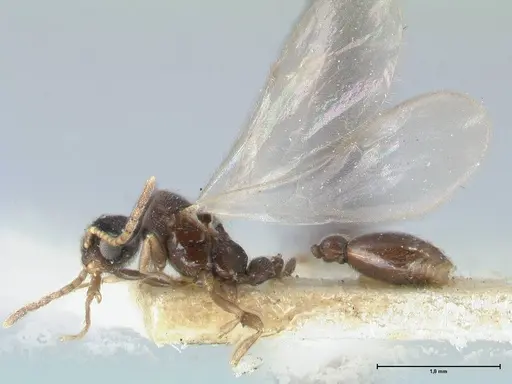
FOCOL1673
View on AntWeb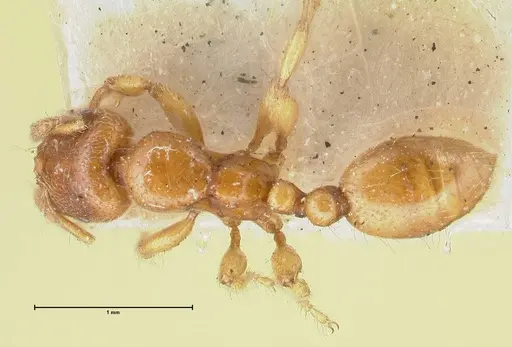
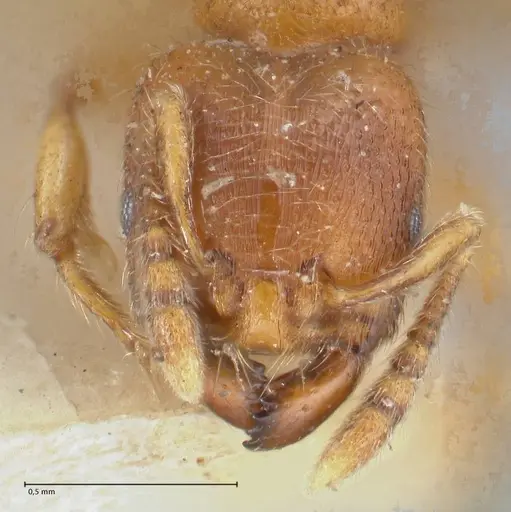
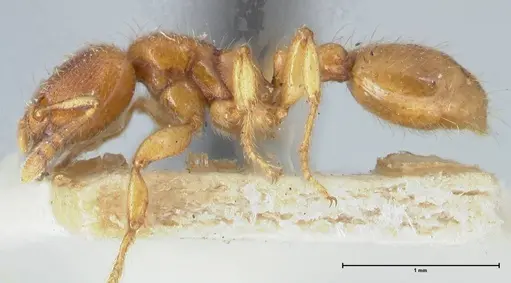
FOCOL1674
View on AntWeb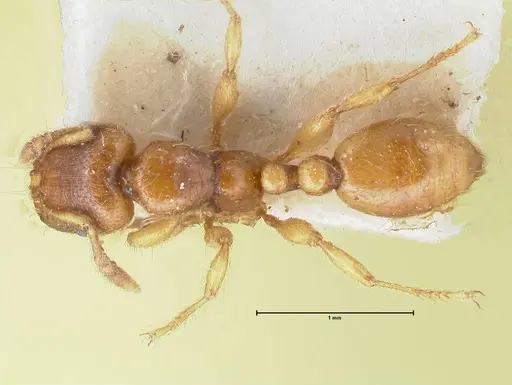
Literature
Loading distribution map...Loading products...