
Trichomyrmex criniceps
- Sci. Name
- Trichomyrmex criniceps
- Tribe
- Crematogastrini
- Subfamily
- Myrmicinae
- Author
- Mayr, 1879
- Distribution
- Found in 2 countries
Introduction
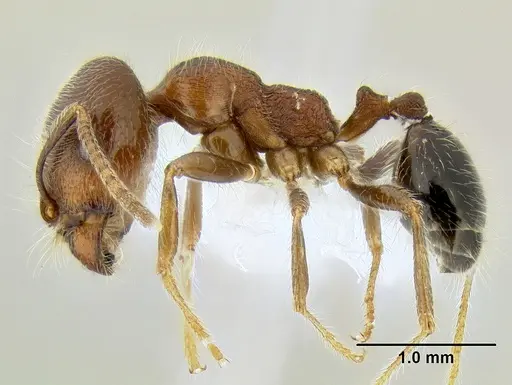
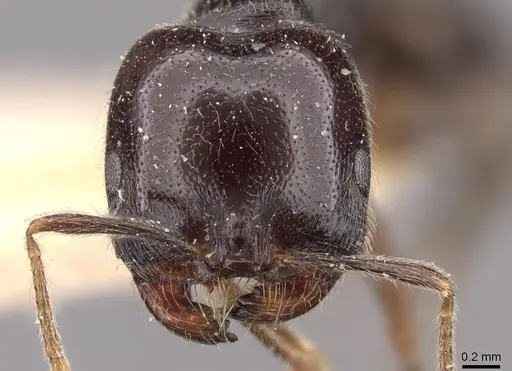
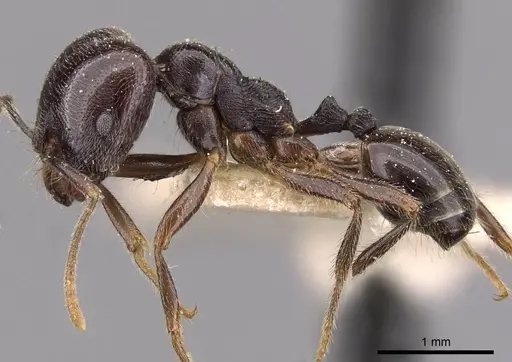
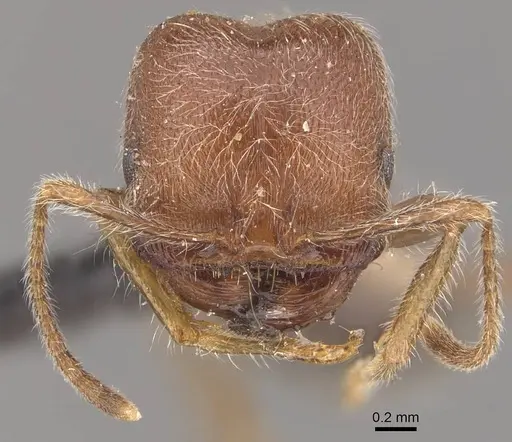
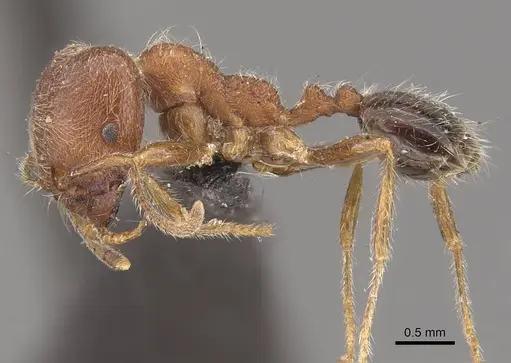
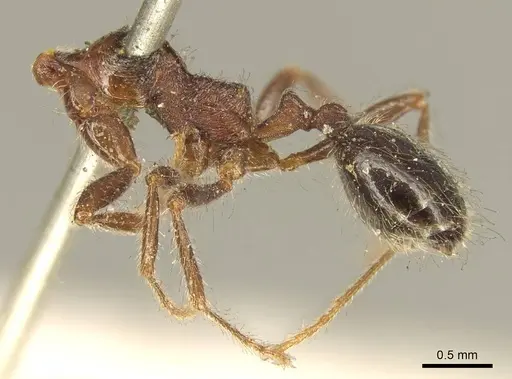
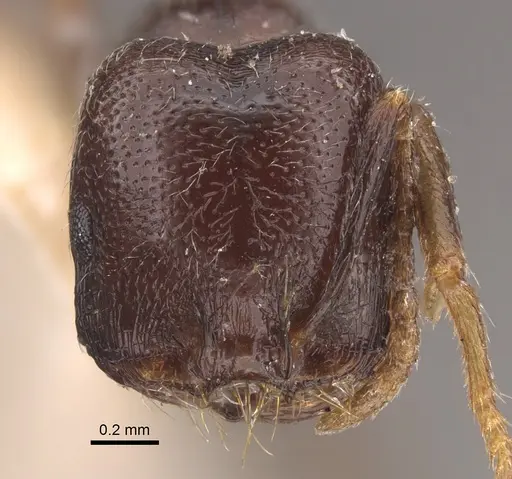
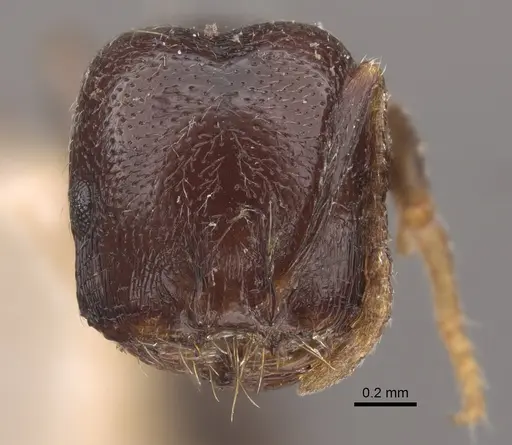
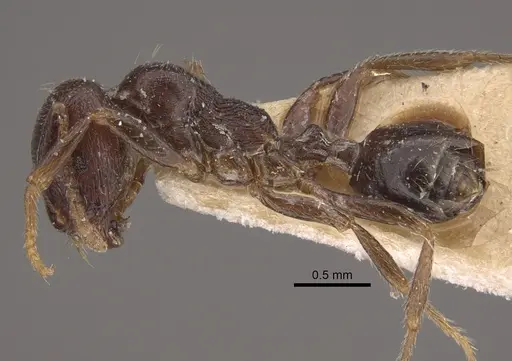
Trichomyrmex criniceps is a small to medium-sized ant native to the Indomalayan region, found across India, Sri Lanka, and Myanmar . Workers measure 3.5-5.5mm and show remarkable color variation, head and thorax range from light ferruginous to dark chestnut-brown, and the abdomen from dark red to black . The species was originally described as Holcomyrmex criniceps, later moved to Monomorium, and then to the resurrected genus Trichomyrmex (which contains the scabriceps- and destructor-groups) . It belongs to the Myrmicinae subfamily and features a modified spatulate stinger used for smearing venom rather than piercing. This species thrives in warm, lowland habitats up to 1000m elevation . It is ground-dwelling and has been collected in both wet and dry zones of Sri Lanka via soil sifting, honey baiting, and hand collection . Seasonal studies in the Punjab Shivalik show it is active during Summer, Rainy, and Autumn, but absent in Winter and Spring, suggesting a period of reduced activity . Its wide distribution across many Indian states and variable coloration make it an interesting species for keepers looking for a hardy tropical Myrmicine.
Quick Summary
- Difficulty: Easy
- Origin & Habitat: India, Sri Lanka, and Myanmar in the Indomalayan region, found in tropical and subtropical areas up to 1000m elevation, in both wet and dry zones [1][5][7]
- Colony Type: Assumed monogyne (single queen) based on typical genus patterns, though not confirmed by published studies
- Size & Growth:
- Queen: Inferred from related species: likely around 6-7mm (no direct body size data available)
- Worker: 3.5-5.5mm [3]
- Colony: Estimated up to several hundred workers based on related destructor-group species
- Growth: Moderate
- Development: Estimated 6-10 weeks at optimal warm temperatures (25-30°C), based on related Myrmicinae species (Development speed depends on temperature, warmer conditions accelerate growth)
- Antkeeping:
- Temperature: Keep warm at 24-30°C. This tropical species needs consistent heat, avoid drops below 20°C for long periods [8][9]
- Humidity: Provide a humidity gradient with a moist substrate zone. They tolerate some variation but prefer moderate to high humidity, reflecting their occurrence in both wet and dry zones
- Diapause: Likely no true diapause, but activity may naturally reduce during cooler months. Maintain warmth year-round to keep them active [8]
- Nesting: Ground-nesting species. Use a formicarium with soil or sand chambers 2-3cm deep. Y-tong (AAC), plaster, or soil nests work well. A test tube is fine for founding
- Behavior: Generally peaceful and non-aggressive. Workers have a modified spatulate stinger used to smear venom, not to pierce, so stings are rare. They are active foragers that lay chemical trails and quickly recruit to food. Their small size (3.5-5.5mm) means escape prevention is essential, use fine mesh and tight barriers. In the wild they are active in summer, rainy, and autumn seasons, but not in winter and spring [8]. In captivity with steady warmth they stay active year-round.
- Common Issues: escape prevention is critical due to small worker size, use fine mesh barriers and check for gaps, tropical species requires warm temperatures, cold conditions will slow or stop colony development, overfeeding can lead to mold in naturalistic setups, remove uneaten food promptly, dry conditions can cause colony decline, maintain adequate humidity in the nest area, wild-caught colonies may carry parasites, quarantine and monitor new colonies
Housing and Nest Setup
For founding colonies, a simple test tube setup works well. Fill a test tube one-third with water, plug with cotton, and place the queen in darkness. Once the first workers (nanitics) emerge, connect the test tube to an outworld for foraging. For established colonies, provide a formicarium with soil or sand chambers 2-3cm deep. These ants are ground-nesting and prefer dark, humid chambers. A naturalistic setup with a soil layer allows them to create their own tunnels. Ensure the nest area stays humid but not waterlogged, the substrate should feel damp but not soggy. Cover the nest to maintain darkness while allowing light in the outworld. Avoid acrylic nests, Y-tong, plaster, soil, or 3D-printed nests are better options.
Feeding and Diet
Trichomyrmex criniceps is an omnivorous species that accepts a variety of foods. Offer protein sources such as small insects (fruit flies, pinhead crickets, mealworms) 2-3 times per week. Provide a constant sugar source like sugar water, honey, or diluted honey. In the wild, they forage for honeydew and small arthropods. Remove uneaten food after 24-48 hours to prevent mold. A shallow feeding dish helps contain liquids and prevents drowning. Observe your colony's preferences, some colonies favor protein while others consume more sugar.
Temperature and Seasonal Care
This species requires warm conditions year-round. Maintain temperatures between 24-30°C in the nest area. Use a heating cable or mat on one side of the formicarium to create a temperature gradient, allowing workers to self-regulate. Place the heating element on top of the nest, not underneath, to prevent excessive drying. Since they are from tropical India and Sri Lanka, they do not require true hibernation, though activity may decline during cooler months [8]. Keep them warm to maintain year-round activity. Avoid temperatures below 20°C for extended periods, as this can weaken or kill colonies.
Colony Growth and Development
A newly mated queen will seal herself in a chamber and lay eggs within a few days. She feeds on stored fat reserves while raising the first brood (claustral founding). Eggs develop into larvae, then pupae, and finally emerge as nanitic (first) workers after approximately 6-10 weeks at optimal temperatures. These first workers are typically smaller than mature workers. The colony grows gradually through the nanitic stage, with worker numbers increasing as more brood develop. A healthy colony can reach several hundred workers over 1-2 years. Growth rate depends heavily on temperature, warmer conditions within the safe range accelerate development. Feed the colony regularly once workers emerge, but avoid overfeeding.
Behavior and Temperament
Workers are active, curious foragers that readily explore their environment. They are not aggressive and rarely sting, they possess a modified spatulate stinger used for smearing venom rather than piercing, typical of the Crematogastrini tribe. When threatened, they may flee rather than attack. Workers communicate through chemical trails and will quickly recruit nestmates to good food sources. They can climb smooth surfaces but are not exceptional escape artists, however, their small size (3.5-5.5mm) means you must use fine mesh barriers and check lid seals. The species shows seasonal patterns in the wild, active in Summer, Rainy, and Autumn but not found in Winter and Spring [8]. In captivity with stable warmth, they remain active year-round.
Escape Prevention
While not the smallest ants, workers at 3.5-5.5mm can still squeeze through small gaps. Use fluon (ant barrier) on container rims and ensure all connections between nest and outworld are secure. Fine mesh with holes smaller than 0.5mm provides effective barrier material. Check that water tube connections are tight and that cotton plugs in test tubes are packed firmly. Escape prevention is especially important when the colony is small, a few workers escaping is harder to manage than dozens. Make escape checks part of your routine, particularly after feeding or when moving colonies.
Frequently Asked Questions
How long does it take for Trichomyrmex criniceps to produce first workers?
Expect first workers (nanitics) to emerge in 6-10 weeks at optimal temperatures (25-30°C). This estimate is based on related Trichomyrmex and Monomorium species. Cooler temperatures will slow development significantly.
Can I keep Trichomyrmex criniceps in a test tube?
Yes, test tubes work well for founding colonies. Use a standard test tube with a water reservoir (cotton-stopped water section) and keep it dark. Once the colony reaches 20-30 workers and brood production is steady, consider moving to a formicarium with soil chambers.
Do Trichomyrmex criniceps ants sting?
They have a modified stinger, but it is used to smear venom rather than pierce skin. Stings to keepers are very rare, they are not aggressive. The venom is mild compared to many other Myrmicines.
What temperature do Trichomyrmex criniceps need?
Keep them warm at 24-30°C. This tropical species from India and Sri Lanka thrives in warm conditions. Room temperature in heated homes can work, but in cooler climates you may need a heating cable.
Are Trichomyrmex criniceps good for beginners?
Yes, they are easy to keep. They are hardy, accept a wide variety of foods, and do not require special hibernation care. Their main needs are warmth and adequate humidity, which are straightforward to provide.
How big do Trichomyrmex criniceps colonies get?
Based on related species, colonies likely reach several hundred workers over 1-2 years. Maximum size is not well-documented but is probably in the range of a few hundred workers for established colonies.
Do Trichomyrmex criniceps need hibernation?
No, they do not require hibernation. This is a tropical species that remains active year-round in warm conditions. You may notice slightly reduced activity during cooler months, but no special overwintering care is needed.
What do Trichomyrmex criniceps eat?
They are omnivorous. Offer protein (small insects like fruit flies, mealworms) 2-3 times per week and keep a constant sugar source (sugar water, honey) available. They will also scavenge on other organic matter.
Why are my Trichomyrmex criniceps dying?
Common causes include: temperatures below 20°C (tropical species need warmth), dry conditions (maintain humidity), mold from overfeeding (remove uneaten food), or stress from too frequent disturbances. Check your temperature and humidity levels first.
When should I move my colony to a formicarium?
Move from test tube to formicarium when the colony reaches 20-30 workers and the test tube water supply is running low, or when you see workers actively exploring beyond the test tube. A naturalistic setup with soil works well for this ground-nesting species.
How do I identify Trichomyrmex criniceps?
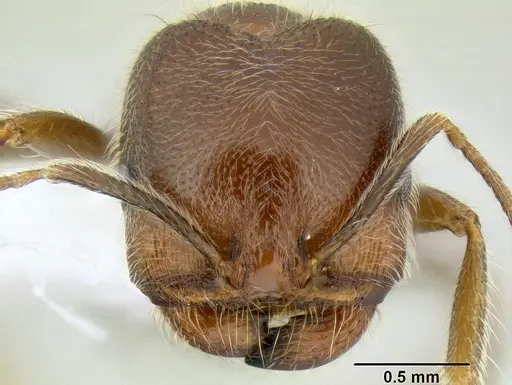
Workers are 3.5-5.5mm with variable coloration, head and thorax range from light ferruginous to dark chestnut-brown, abdomen from dark red to black. They have 12-segmented antennae with a 3-segmented club. The head is striate anteriorly and punctured posteriorly. These are small brownish ants often found in Indian and Sri Lankan habitats.
Report an Issue
The current care sheet is based fully on literature. See inconsistencies, or something that's incorrect? Please , it will be resolved after review from an admin. Contributing to the blogs tab also helps providing information, to make us be able to further improve the caresheets. Thank you for your support!
References

This caresheet is licensed under CC BY-SA 4.0 .
Community Blogs
CASENT0106263
View on AntWeb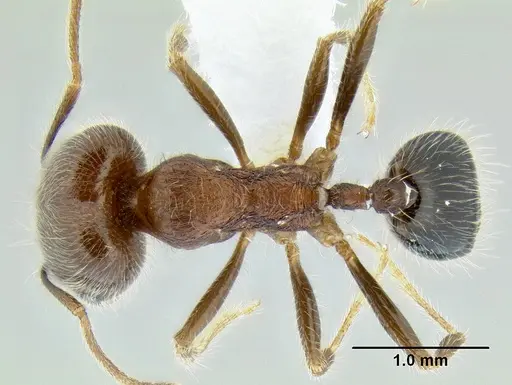
CASENT0908756
View on AntWeb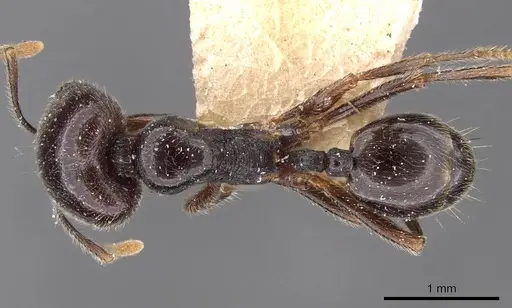
CASENT0908757
View on AntWeb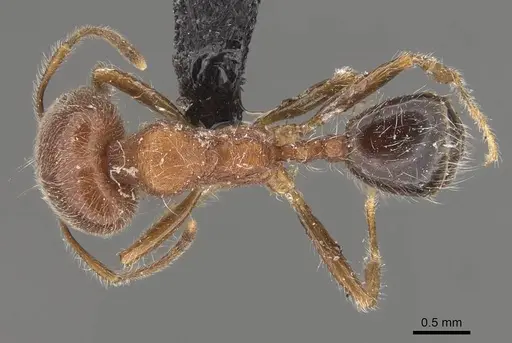
CASENT0916013
View on AntWeb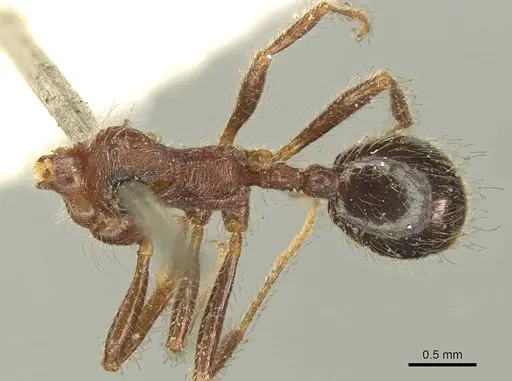
CASENT0917816
View on AntWeb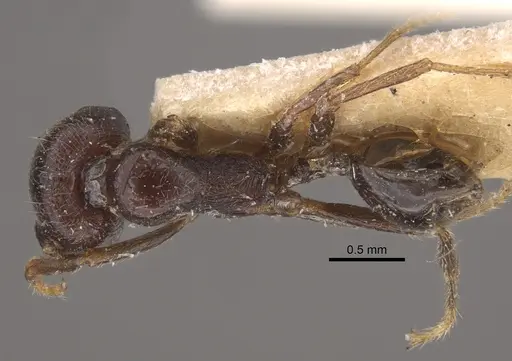
Literature
Loading distribution map...Loading products...