
Trichomyrmex abyssinicus
- Sci. Name
- Trichomyrmex abyssinicus
- Tribe
- Crematogastrini
- Subfamily
- Myrmicinae
- Author
- Forel, 1894
- Distribution
- Found in 6 countries
Introduction
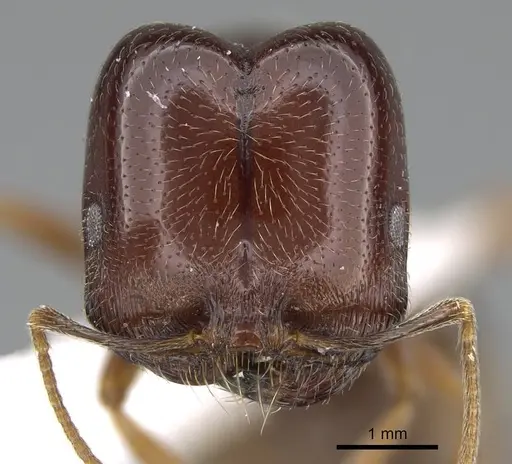
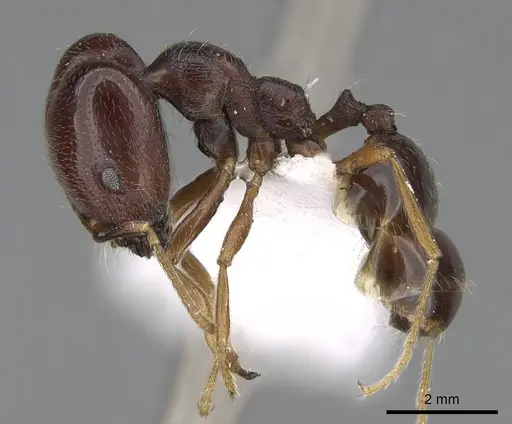
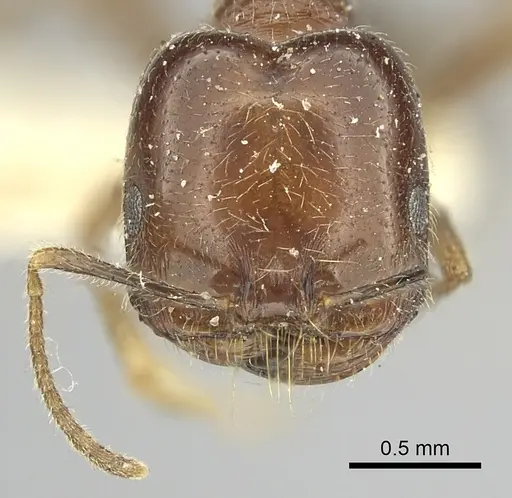
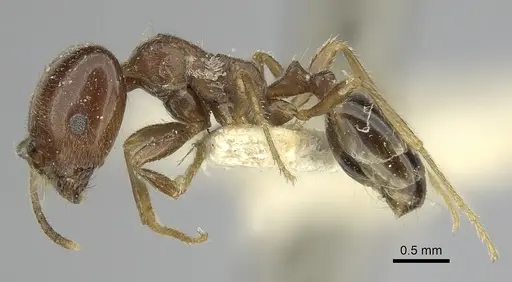
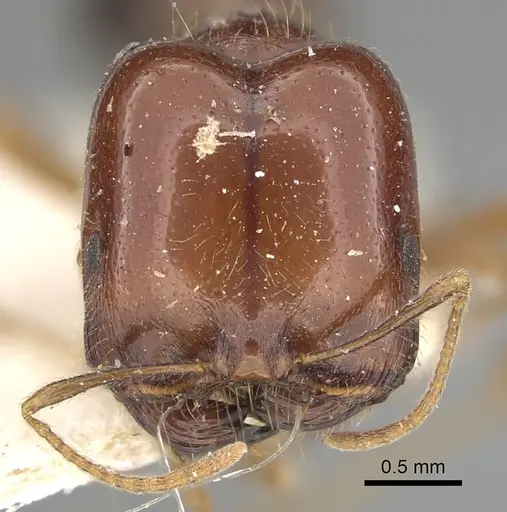
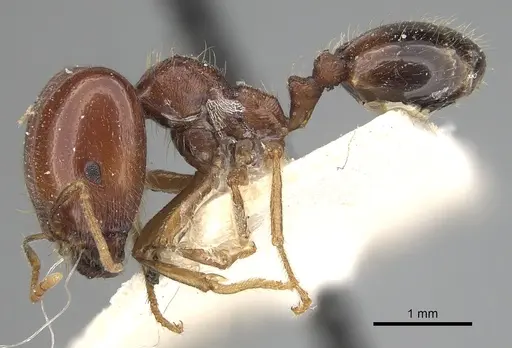
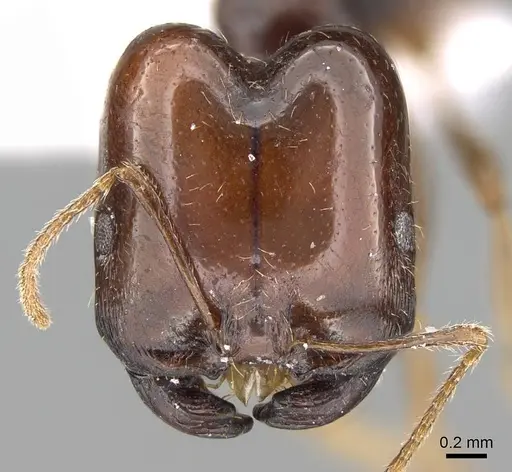
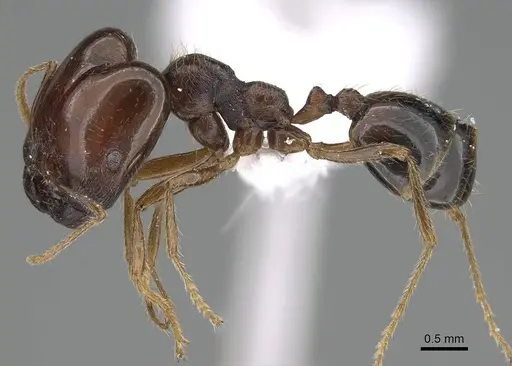
Trichomyrmex abyssinicus is a small to medium-sized ant belonging to the Myrmicinae subfamily. Workers show remarkable size variation within colonies, ranging from 2.6mm to 6.7mm total length - some of the most dramatic polymorphism seen in the genus . The head and mesosoma are reddish brown to dark brown, while the gaster is notably darker, appearing blackish brown to black. A distinctive dark median line runs down the head in full-face view. The propodeal spiracle appears as a vertical ellipse or slit, and the promesonotum is strongly convex in profile . This species has a broad Afrotropical distribution, originally described from Ethiopia and now recorded across sub-Saharan Africa from Benin to Tanzania, with isolated populations in the Arabian Peninsula including Saudi Arabia and the United Arab Emirates .
Quick Summary
- Difficulty: Medium
- Origin & Habitat: Afrotropical region, originally described from Ethiopia, now recorded across sub-Saharan Africa (Benin, Burkina Faso, Ghana, Nigeria, Sudan, Tanzania) and the Arabian Peninsula (Saudi Arabia, UAE, Egypt). Found in mountainous regions at elevations around 1225m in Saudi Arabia, in areas with Mediterranean-type vegetation including Olea, Coffea, Juniperus, and Acacia [1][2][3].
- Colony Type: Colony structure is unconfirmed. Workers show extreme size variation (polymorphism) within colonies, with major and minor workers [1]. The presence of distinct size classes suggests potential division of labor, but colony queen number has not been documented.
- Size & Growth:
- Queen: Unconfirmed, queen size has not been documented in available literature [4]
- Worker: Workers range from 2.6mm to 6.7mm total length, showing dramatic polymorphism. Large workers: 3.55-5.35mm, small workers: 2.43-3.37mm [1]
- Colony: Unconfirmed, colony size has not been documented. Based on related species and worker variation, colonies likely reach several hundred workers
- Growth: Moderate, estimated based on typical Myrmicinae development. Granivorous diet may slow growth compared to predatory species
- Development: Estimated 6-10 weeks at optimal temperature based on genus-level data for related Trichomyrmex/Monomorium species (Development time is not directly documented for this species. Temperature-dependent, warmer conditions within acceptable range will speed development.)
- Antkeeping:
- Temperature: Based on their Afrotropical distribution and Saudi Arabia mountain habitat, aim for 24-28°C. They likely tolerate warmer conditions given their origin, but avoid extreme heat. Room temperature (around 24°C) is a good starting point, adjust based on colony activity
- Humidity: Moderate to low humidity preferred. Their natural habitat includes Sahelian zones and mountainous areas with seasonal rainfall. Keep nest substrate lightly moist in one area but mostly dry, they are adapted to relatively dry conditions and too much moisture may cause issues
- Diapause: Unknown, no documented hibernation requirement. As an Afrotropical species, they may not need a true diapause, but may reduce activity in cooler months. Monitor colony behavior and reduce feeding if activity decreases
- Nesting: In nature, they likely nest in soil or under stones. For captivity, a standard test tube setup works for founding colonies. As they grow, a small formicarium or naturalistic setup with soil substrate mimics their natural nesting in soil and under stones
- Behavior: Temperament is undocumented, but like most Crematogastrini they are not particularly aggressive. Their primary defense is a smearing behavior, they wipe venom onto attackers using a modified flattened stinger. Workers are granivorous, they forage for seeds. The extreme polymorphism suggests larger workers handle seed processing and defense, while smaller workers perform general tasks. Due to their very small size (minimum 2.6mm), they can escape through tiny gaps, use fine mesh or fluon barriers. Overall, treat with caution until more is known
- Common Issues: lack of published biology means care is based on inference, expect some trial and error, granivorous diet requires appropriate seed offerings, research what sizes work for their worker variation, extreme worker size variation may require different feeding strategies for major vs minor workers, very small workers (2.6mm) can escape through tiny gaps, use fine mesh or fluon barriers, wild-caught colonies may carry parasites given the lack of captive breeding data
Appearance and Identification
Trichomyrmex abyssinicus workers display striking size variation within single colonies, ranging from tiny 2.6mm workers to robust 6.7mm individuals, some of the most dramatic polymorphism in the genus [1]. Large workers have a nearly rectangular head with an emarginated posterior margin and parallel sides, while small workers have sides that diverge toward the front. The propodeal spiracle is a distinctive vertical ellipse or slit, and the promesonotum is strongly convex in profile [1]. Coloration is consistent across sizes: head and mesosoma are reddish brown to dark brown, while the gaster is notably darker, appearing blackish brown to black. A dark median line runs down the center of the head in full-face view, and the body surface is smooth and shining with various sculpturing patterns [1]. This species can be distinguished from the similar Trichomyrmex perplexus by its convex promesonotum outline, longer propodeal dorsum, and irregularly rugulose sculpture on the propodeum, petiole, and postpetiole [1].
Distribution and Habitat
This species has a broad Afrotropical distribution, originally described from Ethiopia and now recorded across sub-Saharan Africa from Benin and Burkina Faso through Ghana and Nigeria to Sudan and Tanzania [2][3]. It also extends into the Arabian Peninsula, with records from Egypt (Gebel Elba), the United Arab Emirates, and notably the southwestern mountains of Saudi Arabia [2][1]. The Saudi Arabia record from Shada Al A'la Mountain in Al Bahah Province represents the first record from that country and appears restricted to the southwestern mountain regions [1]. The collection site at 1225m elevation is in the Hijaz Mountains extension, a natural protectorate featuring Mediterranean-type vegetation including Olea europaea, Coffea arabica, Juniperus procera, and various Acacia species [1]. This suggests they prefer mountainous or highland habitats with some vegetation cover, though they are also found in Sahelian zones.
Feeding and Diet
Trichomyrmex abyssinicus is classified as a granivorous species, meaning they primarily collect and consume seeds [1]. This is unusual among Myrmicinae ants and influences their dietary needs in captivity. In the wild, they likely harvest seeds from grasses and plants in their habitat, potentially helping with seed dispersal. For captive care, offer a variety of small seeds appropriate to worker size, larger seeds for major workers, smaller ones for minors. They may also accept small insects as supplementary protein, though seeds should form the core of their diet. Unlike purely predatory ants, they do not require live prey to survive. Sugar water or honey may be accepted but is not a natural food source. Observe which seed sizes your particular colony handles best, given their dramatic worker size variation [1].
Temperature and Care
As an Afrotropical species with records from both African savanna regions and Arabian Peninsula mountains, Trichomyrmex abyssinicus likely tolerates a range of warm temperatures. Based on their distribution, aim for 24-28°C as a starting point. The Saudi Arabia mountain habitat at 1225m elevation suggests they can handle some variation and may prefer conditions that aren't extremely hot. Room temperature around 24°C is a safe baseline, observe your colony's behavior and adjust slightly warmer if they seem sluggish or cooler if they avoid heated areas. Avoid temperatures above 32°C or below 20°C. Unlike some temperate species, they do not require hibernation, though you may notice reduced activity in cooler months. No specific diapause requirements have been documented.
Nesting and Colony Setup
In their natural habitat, these ants likely nest in soil or under stones, typical for ground-nesting Myrmicinae. For captive breeding, start with a standard test tube setup for founding colonies, a water reservoir with cotton provides consistent humidity. As the colony grows and reaches several dozen workers, consider transitioning to a small formicarium with a soil or plaster nest chamber. The dramatic worker size variation means providing chambers sized for both large and small workers. Ensure the nest has some open space for seed storage and processing. A naturalistic setup with a soil layer allows for natural tunneling behavior. Due to their very small size (minimum 2.6mm), use fine mesh or fluon barriers to prevent escape. Avoid acrylic nests as they are unsuitable for this species.
Behavior and Temperament
These ants are not particularly aggressive. Their primary defense mechanism, typical of the tribe Crematogastrini, is a smearing behavior, they have a modified flattened stinger used to wipe or smear venom onto attackers rather than piercing flesh. The extreme polymorphism, with workers ranging from 2.6mm to 6.7mm, suggests a division of labor where larger workers handle seed processing and defense, while smaller workers perform general foraging and brood care. They are primarily active foragers, searching for seeds rather than hunting prey. Workers are not known to sting aggressively, and their small to medium size means they pose no danger to keepers. They likely maintain moderate activity levels throughout the day. The species shows no supercolonial behavior and is not invasive. Their granivorous diet means they may be less aggressive in food competition compared to predatory ant species. Overall, they make a relatively peaceful colony that is manageable for keepers comfortable with trial-and-error care, though much remains unknown [1].
Frequently Asked Questions
How long does it take for Trichomyrmex abyssinicus to produce first workers?
The exact timeline is unconfirmed, but based on typical Myrmicinae development and related Trichomyrmex species, expect approximately 6-10 weeks from egg to first worker at optimal temperature (around 24-28°C). Warmer temperatures within range may speed development slightly, while cooler conditions will slow it. The dramatic polymorphism in this species means first workers (nanitics) may be smaller than mature workers.
What do Trichomyrmex abyssinicus ants eat?
This is a granivorous species, they primarily eat seeds in the wild. In captivity, offer appropriate-sized seeds (millet, grass seeds, or commercial ant seeds work well) alongside occasional small insects for protein. They may accept sugar water or honey as a supplementary energy source, but seeds should form the bulk of their diet. The large workers can handle bigger seeds than small workers [1].
Are Trichomyrmex abyssinicus good for beginners?
This species is rated as Medium difficulty. While not aggressive and relatively manageable, the lack of published biology means keepers should expect some trial and error. They are not as well-documented as common species like Lasius or Camponotus. Experienced antkeepers comfortable with research-based care will have better success. Beginners might prefer more documented species with established care guides.
Do Trichomyrmex abyssinicus ants sting?
As Myrmicinae ants, they have a functional stinger, but their primary defense is a smearing behavior, they wipe venom on attackers rather than stinging. They are not aggressive and stings are unlikely even during colony disturbance. The sting, if it occurs, would be mild, comparable to a minor mosquito bite. These ants are not considered dangerous to keepers.
What temperature do Trichomyrmex abyssinicus need?
Aim for 24-28°C based on their Afrotropical distribution. They likely tolerate a range, but avoid extremes, don't let temperatures exceed 32°C or drop below 20°C. Room temperature around 24°C is ideal. Their mountain habitat in Saudi Arabia suggests they can handle some variation. Observe your colony's activity levels and adjust slightly within this range.
How big do Trichomyrmex abyssinicus colonies get?
Colony size is not documented, but based on related species and their dramatic worker polymorphism, colonies likely reach several hundred workers. The size variation (2.6-6.7mm workers) suggests complex colony organization. Expect moderate growth rate, seed-based diets typically support steady rather than explosive colony expansion.
Can I keep multiple Trichomyrmex abyssinicus queens together?
Colony structure (monogyne vs polygyne) has not been documented for this species. Without data, combining unrelated queens is not recommended, the typical approach is to start with a single founding queen. If you obtain a wild colony, observe queen number and behavior. Some related species are facultatively polygynous, but this is unconfirmed for Trichomyrmex abyssinicus.
Do Trichomyrmex abyssinicus need hibernation?
No documented hibernation requirement exists. As an Afrotropical species from Africa and Arabia, they likely do not require a true diapause. However, you may notice reduced activity in cooler months (winter). If activity decreases significantly, reduce feeding but do not force cold hibernation. Simply maintain stable room temperature and reduce food offerings if they seem less active.
What makes Trichomyrmex abyssinicus different from other ants?
Their most distinctive feature is the extreme worker size variation, workers range from 2.6mm to 6.7mm within the same colony, showing dramatic polymorphism. They are also one of the few truly granivorous Myrmicinae ants (most are predatory or omnivorous). Their distribution spans both sub-Saharan Africa and the Arabian Peninsula, making them geographically widespread yet locally specialized (they appear restricted to southwestern mountains in Saudi Arabia) [1].
Why are my Trichomyrmex abyssinicus dying?
Without published biology, common issues include: temperature stress (too hot above 32°C or too cold below 20°C), improper humidity (too dry or waterlogged substrate), inadequate diet (no seeds offered or seeds too large for small workers), and stress from excessive disturbance. Wild-caught colonies may also carry parasites. Ensure stable conditions, offer appropriate seed sizes, and minimize colony disruption. If problems persist, research related Trichomyrmex species for additional clues.
When should I move Trichomyrmex abyssinicus to a formicarium?
Transition from test tube to formicarium when the colony reaches 50-100 workers and you notice seed storage behavior or the test tube becoming cramped. A small formicarium with soil or plaster works well. Ensure the new setup maintains appropriate humidity and has chambers sized for their polymorphic workers. Due to their small size, use fine mesh or fluon to prevent escape.
Is Trichomyrmex abyssinicus invasive?
No, this species is not considered invasive. It has a natural Afrotropical distribution and while it extends into the Arabian Peninsula, it appears restricted to specific mountainous regions. There are no records of it establishing in non-native areas or causing ecological disruption. You do not need to worry about release concerns in most regions.
Report an Issue
The current care sheet is based fully on literature. See inconsistencies, or something that's incorrect? Please , it will be resolved after review from an admin. Contributing to the blogs tab also helps providing information, to make us be able to further improve the caresheets. Thank you for your support!
References

This caresheet is licensed under CC BY-SA 4.0 .
Community Blogs
ANTWEB1025172
View on AntWeb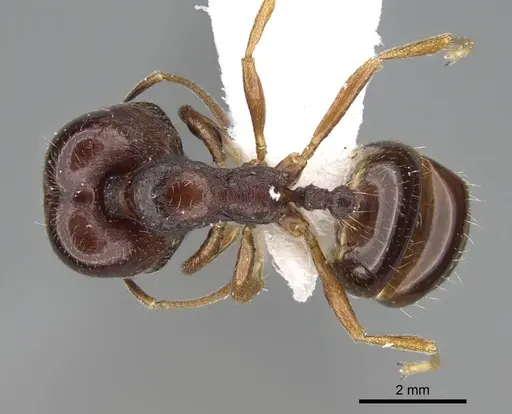
CASENT0249905
View on AntWeb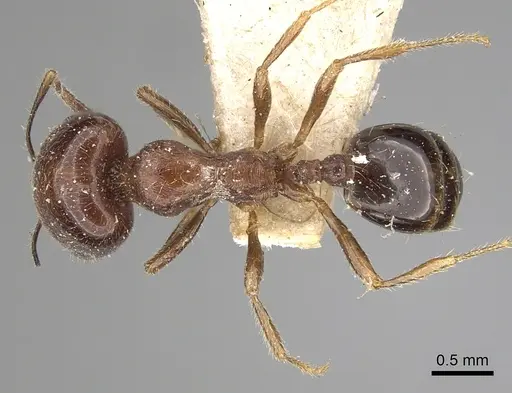
CASENT0249906
View on AntWeb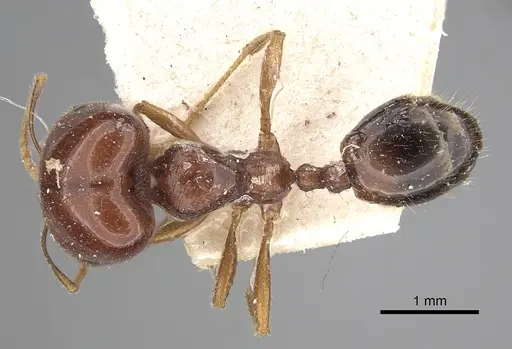
CASENT0922267
View on AntWeb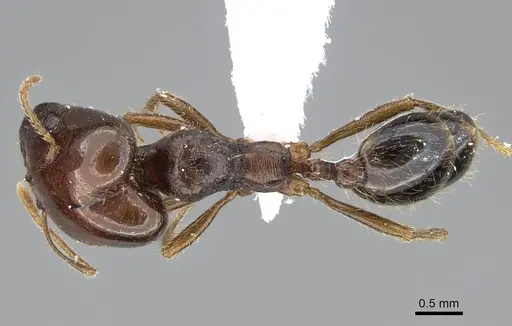
Literature
Loading distribution map...Loading products...