
Arizona Fungus-farming Ant
Trachymyrmex arizonensis
- Sci. Name
- Trachymyrmex arizonensis
- Tribe
- Attini
- Subfamily
- Myrmicinae
- Author
- Wheeler, 1907
- Common Name
- Arizona Fungus-farming Ant
- Distribution
- Found in 2 countries
Introduction
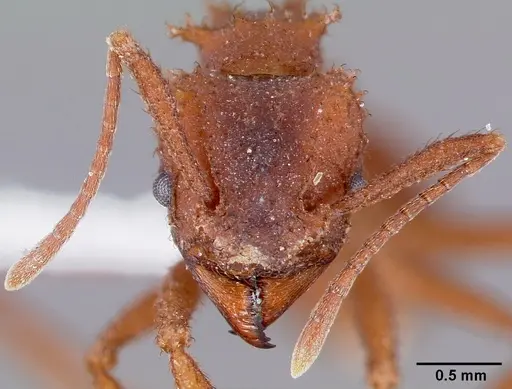
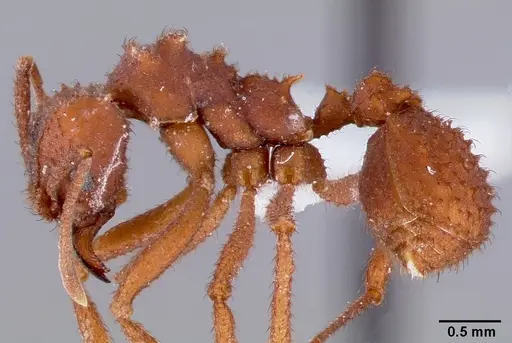
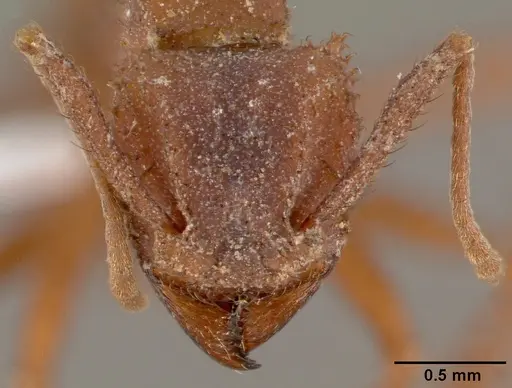
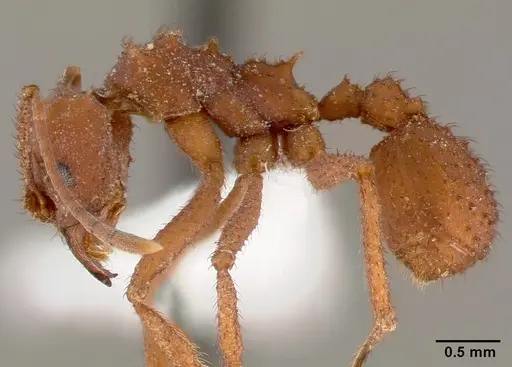
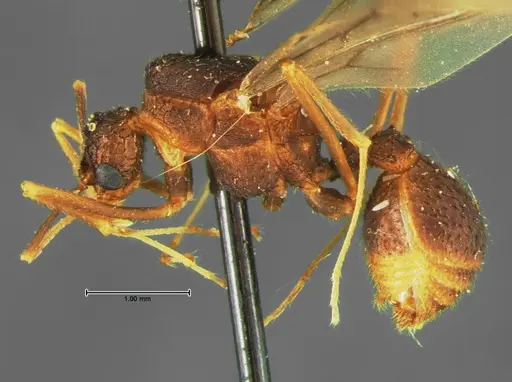
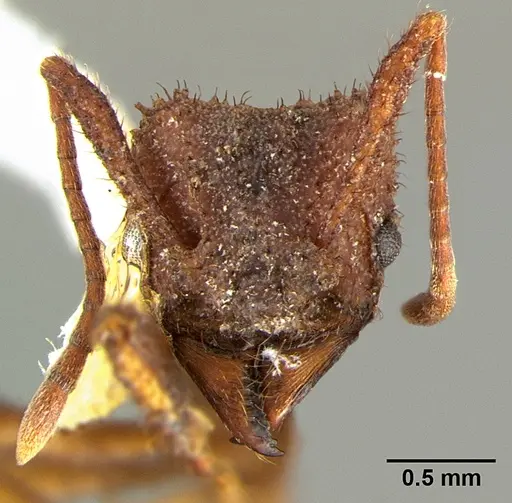
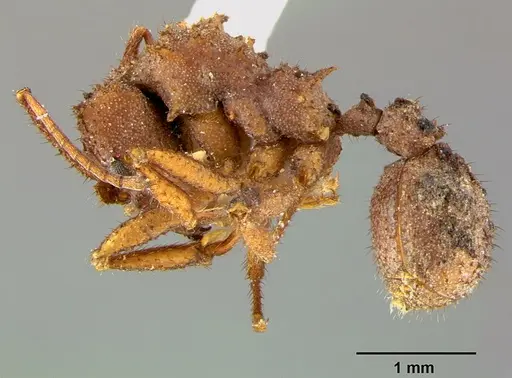
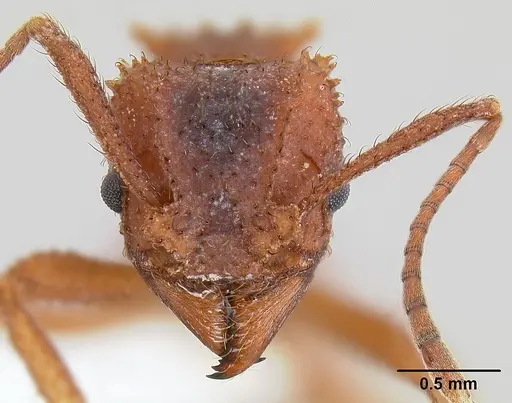
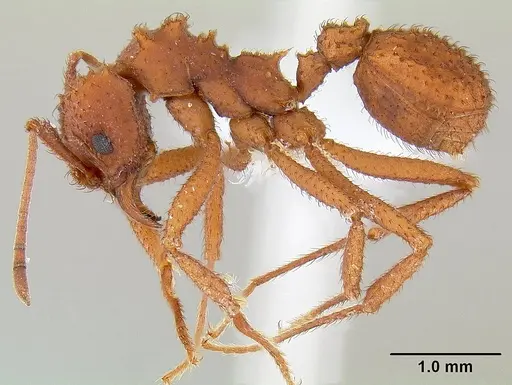
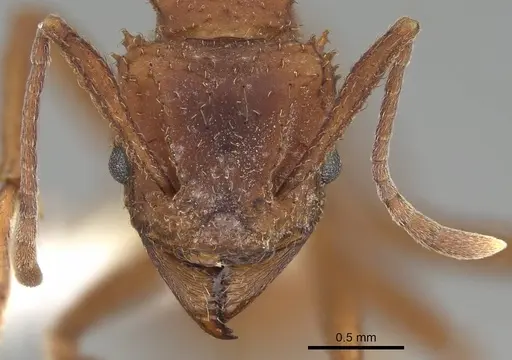
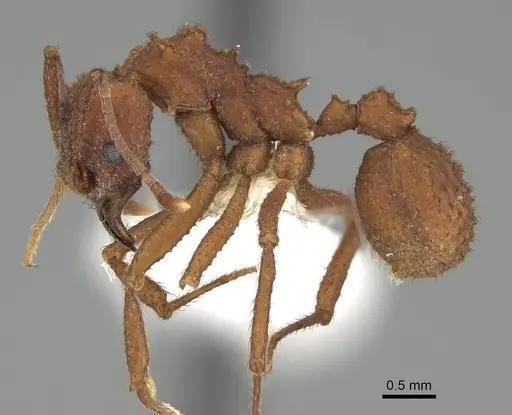
Trachymyrmex arizonensis is a fungus-growing ant native to the southwestern United States and northern Mexico. Workers are brownish yellow to medium reddish brown with a tough body covered in small bumps (tubercles) and unusually long legs and antennae . This species is one of only two US Trachymyrmex that regularly build visible yellowish-gray piles of spent fungus material outside their nest entrance - a clear field sign . Nests are found under rocks, logs, or in open soil, often in partly shaded areas, and can hold 3-5 fungus chambers with well over 1000 workers . Unlike leafcutter ants, they don't cut leaves; instead they collect oak catkins, insect droppings, and other plant debris to feed their cultivated fungus .
Quick Summary
- Difficulty: Medium
- Origin & Habitat: Mid-elevations (1000-2000 m) in the Chihuahuan and Sonoran Deserts of central and southern Arizona, western New Mexico, and the Mexican states of Chihuahua and Sonora. Lives in oak-juniper-pine woodlands, mesic creek forests, and arid acacia-ocotillo scrub [1][2].
- Colony Type: Monogyne, colonies usually have one queen. A single colony with two dealate queens has been found, but that appears to be an exception [2].
- Size & Growth:
- Queen: Body size data unavailable (only head measurements reported).
- Worker: Body size data unavailable (only head measurements reported).
- Colony: Up to 1000+ workers in mature colonies [1][2].
- Growth: Moderate
- Development: Unknown for this species, estimated 8-12 weeks based on related Trachymyrmex at warm temperatures. (Development is temperature‑dependent. No direct studies exist for T. arizonensis.)
- Antkeeping:
- Temperature: Keep nest at typical room temperature (22-26°C). This matches their mid‑elevation desert mountain habitat. Avoid overheating above 30°C. No precise optimal range is published, monitor colony behavior.
- Humidity: Keep nest substrate consistently moist but not waterlogged. The fungus garden requires high moisture, so provide a damp chamber and a slightly drier area for the ants. In the wild, fungus gardens are attached to stones underground, which helps retain moisture [2].
- Diapause: Likely needs a winter rest period because their native Arizona mountains have cold winters. Reduce temperature to 15-18°C for 2-3 months (November-February in the Northern Hemisphere). Not confirmed, but recommended for long‑term health.
- Nesting: Use Y‑tong (AAC), plaster, or naturalistic nests with a dedicated moist fungus chamber. Stones embedded in moist soil also work, mimicking their natural habit of attaching gardens to rock undersides [2]. Avoid dry nest materials.
- Behavior: Workers are generally docile and not aggressive toward keepers. They possess a functional sting but it is weak and not medically significant. Foraging is calm, they collect organic debris for the fungus. Escape risk is moderate, they are not tiny, but any small gap must be sealed. A key behavior is piling exhausted fungus substrate just outside the nest entrance, creating a yellowish‑gray midden [1].
- Common Issues: Fungus garden dying from dryness or overheating, without a healthy fungus the colony will not survive., Mold from overfeeding, provide only small amounts of fresh oak catkins or other substrate and remove leftovers quickly., Founding queens need a piece of fungus from an established colony, without it they will die., Temperature above 30°C can kill the fungus, avoid direct heat sources., Army ant predators are not a captive issue, but this species evolved to evacuate and may stress easily from disturbance.
The Fungus Garden - Their Lifeline
Like all attine ants, Trachymyrmex arizonensis grows a fungus for food. They feed it with organic debris such as oak catkins, insect frass, and withered vegetable matter [2]. The fungus converts these materials into nutritious gongylidia that the ants eat. In the wild, nests have 3-5 underground chambers, each containing a garden attached to the underside of a stone [1]. Some populations cultivate the same fungus (Leucoagaricus gongylophorus) used by leafcutter ants (Clade‑A), while others grow Clade‑B fungi. Remarkably, this species can switch between the two in the lab without obvious trouble [4][5]. For your colony, you must provide a moist chamber and a steady supply of fresh substrate, the garden will die if it dries out or becomes starved.
Feeding and Nutrition
Your colony won't eat sugar or protein insects, they feed only on their fungus. The best food for the fungus is oak catkins (collect from oaks in autumn/winter). You can also offer dried leaves, small pieces of fruit, or insect droppings [2]. Offer a small amount every few days and remove anything that starts to mold. Avoid honey or other sugary foods, these ants ignore them. Healthy gardens are light brownish‑yellow with white mycelium. If the garden turns dark brown and matted, moisture or temperature is off and you need to act fast [6].
Temperature and Seasonal Care
Keep the nest around 22-26°C, typical room temperature. These ants come from mountain desert canyons where days are warm but not scorching. Avoid letting the nest get above 30°C, heat can kill the fungus. In winter, give the colony a rest: reduce temperature to 15-18°C for 2-3 months (November-February). This matches their natural seasonal cycle in Arizona mountains [1]. Even though not proven necessary in labs, hibernation likely improves long‑term colony health.
Nest Setup and Housing
A Y‑tong or plaster nest with a large, moist chamber for the fungus works best. The chamber should be at least 2-3 cm in diameter. In nature, gardens are often attached to the underside of a flat stone underground [2], so you can mimic that by placing a small stone in the nest substrate. Keep the garden chamber consistently damp, but provide a drier rest area for the ants. Use fluon or oil barriers on the outworld, these ants are not elite escape artists, but any small gap is a risk.
Colony Founding
Starting a colony from a newly caught queen is tricky. Trachymyrmex arizonensis queens cannot start a fungus garden from scratch, they need a piece of fungus from an established colony [3]. If you catch a queen after summer monsoons (July-August in Arizona), give her about 50 g of fungus garden placed in a small, moist chamber. Without this fungal inoculum, she will die. After the first workers emerge, they take over garden care and foraging. This requirement makes the species harder to start than most ants, but an established colony can thrive for years.
Defense and Predators
In the wild, these ants are raided by army ants such as Neivamyrmex rugulosus and N. nigrescens. A raid can steal up to 75% of the brood and damage the fungus [6][7]. Workers have thick, spiny body armor that makes them hard to injure, and they respond by evacuating the nest with brood and garden fragments [6]. In captivity you won't have army ants, but the instinct to flee when disturbed may persist. This species does have a functional sting, but it is weak and not a concern for keepers.
Unique Waste Management
Trachymyrmex arizonensis is one of only two US Trachymyrmex species that routinely dump exhausted fungus substrate outside the nest, creating a yellowish‑gray pile [1][2]. This refuse midden is a key field identification sign. Ecologically, the pile stays moist and attracts springtails (Collembola), which in turn support a tiny commensal ant, Strumigenys arizonica, that lives only in or near T. arizonensis nests [2]. In your setup you may see a similar pile near the nest entrance, just clean it out periodically to keep hygiene.
Frequently Asked Questions
Can I keep Trachymyrmex arizonensis in a test tube?
Test tubes are not ideal because the fungus needs more space. For founding, you can use a large test tube (16+ mm) with moist cotton and a small piece of fungus, but plan to move them to a proper nest once the colony has ~20 workers. A Y‑tong or plaster nest with a fungus chamber is much better.
What do Trachymyrmex arizonensis eat?
They don't eat typical ant food. They feed their fungus, which they then eat. The best substrate is oak catkins (collect from oak trees in autumn). Dried leaves, insect frass, and small pieces of fruit also work. Remove uneaten material every few days to prevent mold. Do not offer sugar, honey, or protein insects.
How long does it take for the first workers to emerge?
No direct data for this species. Based on related Trachymyrmex, expect 8-12 weeks from egg to worker at around 24°C. Growth is moderate, established colonies reach several hundred workers over 1-2 years.
Are Trachymyrmex arizonensis good for beginners?
No, this is not a beginner species. The biggest difficulty is that founding queens must be given a piece of fungus from an established colony, otherwise they die. Also, maintaining the fungus requires attention to moisture and substrate quality. Start with an established colony if you're new to attines.
Do Trachymyrmex arizonensis need hibernation?
Yes, they likely need a winter rest. Their Arizona mountain habitat has cold winters. Reduce the nest temperature to 15-18°C for 2-3 months (November-February). This is not proven but recommended for long‑term colony health.
Why is my fungus turning dark brown?
A healthy fungus is light brownish‑yellow with white mycelium. Dark brown, matted fungus is dying, usually from over‑heating, drying out, or damage. Check moisture immediately and make sure the nest is not above 30°C. Remove dead material and provide fresh oak substrate. If the fungus dies, the colony will not survive.
Can I keep multiple queens together?
No. This species is monogyne (single queen). One colony with two dealate queens has been found, but that is exceptional and reproductive status wasn't confirmed [2]. Do not keep multiple queens together.
How big do colonies get?
Mature colonies can reach over 1000 workers with 3-5 fungus chambers [1][2]. In captivity, expect several hundred workers within 1-2 years under good conditions.
What's the difference between Trachymyrmex and Atta ants?
Both grow fungus, but Atta (leafcutter ants) cut fresh leaves to feed it, while Trachymyrmex arizonensis collects small organic debris like oak catkins and insect frass [2]. Atta colonies are huge (millions of workers), T. arizonensis colonies stay under a few thousand. Both can grow the same fungus (Leucoagaricus gongylophorus) [8].
Why do they have a refuse pile outside the nest?
It's a natural part of their nest hygiene, they pile exhausted fungus substrate just outside the entrance, creating a yellowish‑gray midden. This attracts springtails and supports a commensal ant species, Strumigenys arizonica [2]. In captivity it's normal, just clean it out periodically.
Report an Issue
The current care sheet is based fully on literature. See inconsistencies, or something that's incorrect? Please , it will be resolved after review from an admin. Contributing to the blogs tab also helps providing information, to make us be able to further improve the caresheets. Thank you for your support!
References

This caresheet is licensed under CC BY-SA 4.0 .
Community Blogs
CASENT0000334
View on AntWeb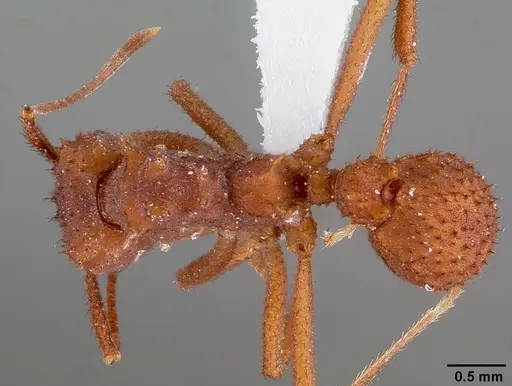
CASENT0000359
View on AntWeb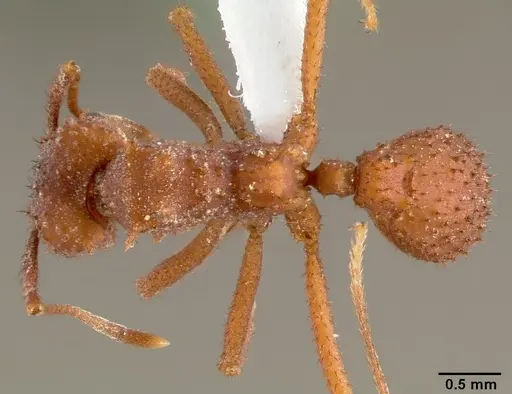
CASENT0105667
View on AntWeb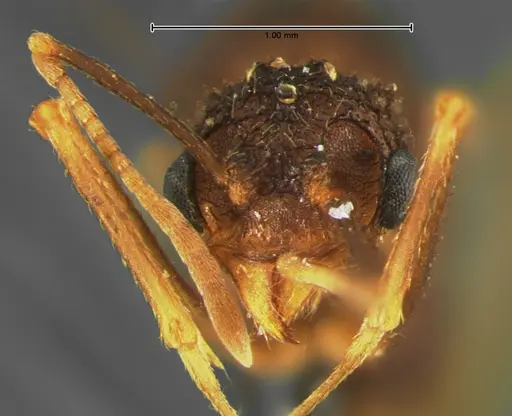
CASENT0105872
View on AntWeb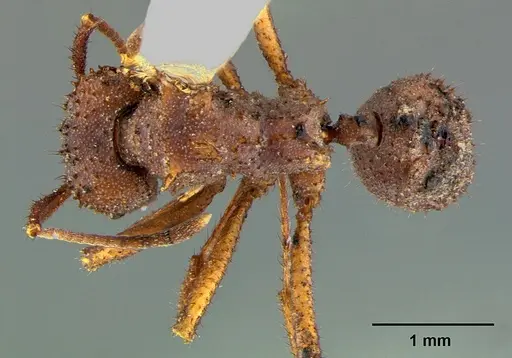
CASENT0106047
View on AntWeb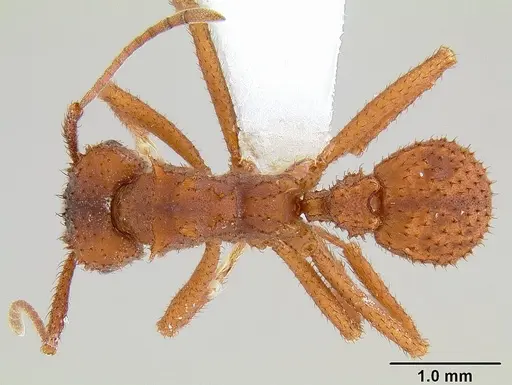
CASENT0919967
View on AntWeb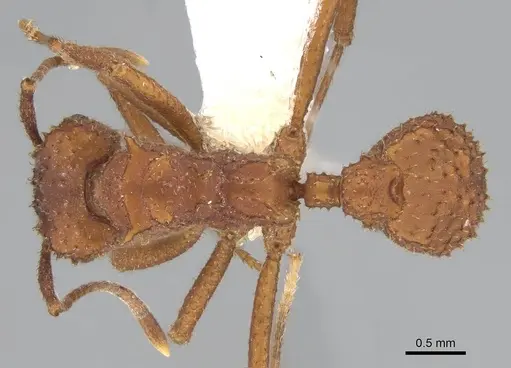
Literature
Loading distribution map...Loading products...