
Thaumatomyrmex fraxini
- Sci. Name
- Thaumatomyrmex fraxini
- Tribe
- Ponerini
- Subfamily
- Ponerinae
- Author
- D'Esquivel & Jahyny, 2017
- Distribution
- Found in 1 countries
Introduction
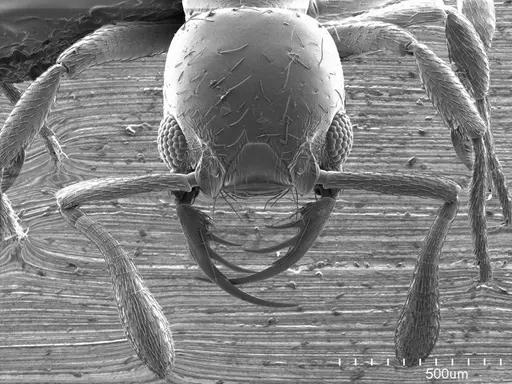
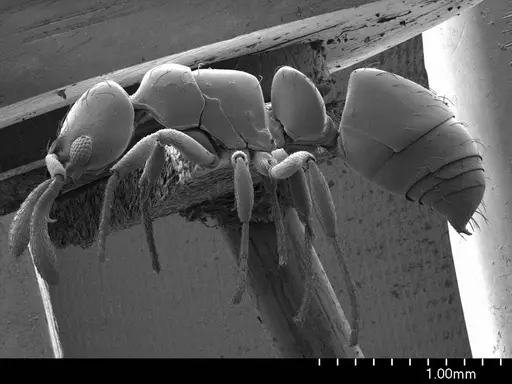
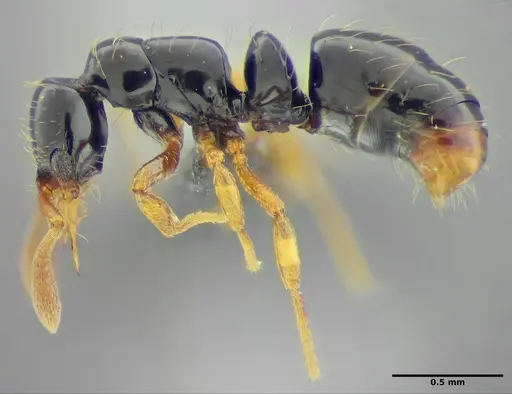
Thaumatomyrmex fraxini is one of the tiniest ants in its genus, with workers measuring just 2.57 to 3.19 mm in total length . Their body is smooth and shiny, with a squarish head and specialized mandibles that have a well-developed inner tooth . This ant is only found in the Atlantic Forest of northeastern Brazil (Bahia and Sergipe states), where it lives in the leaf litter layer up to 1010 m elevation . Unlike most ants, T. fraxini colonies have no true queen - reproduction is handled by gamergates (workers that become egg‑layers). This makes them a fascinating but fragile species for experienced keepers .
Quick Summary
- Difficulty: Expert
- Origin & Habitat: Atlantic Forest biome of Brazil (Bahia and Sergipe), specifically in lowland Tabuleiro Forest leaf litter, but also survives in cocoa plantations and other disturbed areas [1]. Altitude up to 1010 m [1].
- Colony Type: Gamergate system, no true queen. Workers can become reproductive and lay eggs. Colonies are very small, typically just a handful of ants [1].
- Size & Growth:
- Queen: No true queen exists, reproduction is via gamergates (reproductive workers) [1]
- Worker: ~2.6-3.2 mm total length [1]
- Colony: Very small colonies, exact maximum unknown, but likely under 100 workers (inferred from the very small colony description and gamergate biology) [1]
- Growth: Unknown, likely slow to moderate given small colony size and lack of a queen
- Development: Unconfirmed, no direct observations exist. Based on related ponerine ants at tropical temperatures, expect 4-8 weeks, but this is an estimate. (Colony growth is slow, each worker is precious.)
- Antkeeping:
- Temperature: Tropical species from northeastern Brazil, keep at 24-28°C. Avoid temperatures below 22°C. A heating cable on one side of the nest creates a gentle gradient and prevents drying. Room temperature may work if your home stays in the low‑to‑mid 20s°C [1].
- Humidity: Very high humidity is essential. These ants live in damp leaf litter. Keep the nest substrate consistently moist (but not waterlogged). Mist occasionally and provide a water source. Avoid standing water, aim for a damp, not soaked, substrate [1].
- Diapause: No, this is a tropical species with no winter. Maintain warm temperatures year‑round. Do not attempt to cool or reduce feeding [1].
- Nesting: In the wild they nest in small cavities in leaf litter, especially empty snail shells [1]. In captivity provide tiny, tight spaces: small‑diameter test tubes (15-25 mm), small plaster nests, or miniature acrylic nests with chambers scaled to their size. High humidity and excellent escape‑proofing are critical.
- Behavior: Tiny, secretive, and not aggressive toward keepers, but they do have a functional sting (like most ponerines). It is too small to be a threat to humans, but they can sting if roughly handled. Escape risk is extreme due to their minute size, use fine mesh and seal all gaps. Workers spend most of their time hidden in the nest. They are predators of springtails and tiny millipedes [1].
- Common Issues: tiny size makes escape likely without fine mesh barriers and careful sealing, very small colony size, any loss of workers or gamergates severely impacts the colony, require live springtails or similar micro‑prey, cannot survive on sugar or large prey alone, high humidity needs can cause mold if ventilation is poor, no queen means the colony cannot recover if all gamergates die
Unique Colony Structure
Thaumatomyrmex fraxini is unusual because there is no true queen. Reproduction is handled by gamergates, workers that become reproductively active and lay eggs [1]. This means you cannot start a colony from a single mated queen as you would with most ants. Instead, you need an established colony with gamergates already present. The colony is very small and fragile, losing even a few workers or the reproductive individuals can effectively end the colony [1]. Handle with extreme care and avoid any disturbance that might cause stress or escape.
Housing and Nest Setup
In the wild, T. fraxini lives in tiny cavities in leaf litter, especially inside empty snail shells [1]. They need tight, enclosed, dark spaces. For captive housing, use small‑diameter test tubes (15-25 mm) or a miniature plaster nest. If using an acrylic nest, make sure the chambers are scaled down, these ants will not feel secure in large open areas. The nest should have several small chambers connected by narrow tunnels. Humidity must be kept very high: keep the substrate consistently moist but not waterlogged, and provide a drinking water tube. Because the ants are under 3.5 mm, escape prevention is critical, use fine mesh (e.g.,0.2 mm) and check for gaps regularly [1].
Feeding and Diet
T. fraxini is a predator of tiny arthropods. Studies show it is not a strict millipede specialist, it also readily catches springtails (Collembola) [1]. In captivity, the best food is a home‑cultured colony of springtails. Provide these live regularly. Other tiny prey such as fruit fly larvae, pinhead crickets, or other micro‑arthropods may also be accepted. Do not offer large prey, the ants are too small to subdue anything bigger than themselves. Sugar water or honey are probably not useful, these ants are strict predators and will ignore sweet liquids [1].
Temperature and Environment
As a tropical lowland species, T. fraxini needs warm conditions year‑round. Keep the nest at 24-28°C [1]. A small heating cable placed along one side of the nest provides a gentle temperature gradient without drying out the substrate. Room temperature may work if your home stays steadily in the low‑to‑mid 20s°C. Never let the temperature drop below 20°C, as this can stress or kill the colony. Because they come from an environment with no winter, they do not require any diapause, maintain stable warmth and humidity all year [1].
Acquiring a Colony
You cannot start T. fraxini from a single queen because there is no queen. You must obtain an established colony that already contains reproductively active workers (gamergates). This makes the species rare in the antkeeping hobby, and when available, colonies are likely expensive and small, just a handful of workers plus brood. Handle them with the utmost care, every worker is critical. Expect very slow growth, the colony may produce only a few new workers per month. Do not expect the rapid expansion seen in many other species [1].
Frequently Asked Questions
Can I keep Thaumatomyrmex fraxini in a test tube?
Yes, small test tubes work perfectly. Use a tube around 15-25 mm in diameter, filled with water at one end and a cotton plug. These ants need tight, enclosed spaces, they will feel secure in a test tube setup. Keep the tube on its side with the cotton end slightly elevated. Maintain high humidity by keeping the water section filled [1].
How long does it take for Thaumatomyrmex fraxini to produce first workers?
The development timeline has not been studied for this species. Based on related Thaumatomyrmex and typical ponerine development at tropical temperatures, you might expect 4-8 weeks from egg to worker. However, this is an estimate and actual times may vary. Colony growth will be slow in any case [1].
Do Thaumatomyrmex fraxini ants have a queen?
No, this species does not have a true queen. Reproduction is done by gamergates, which are workers that become reproductive and lay eggs [1]. This is unusual and means you cannot start a colony from a single queen like with most ants.
How big do Thaumatomyrmex fraxini colonies get?
Colonies remain very small, likely fewer than 100 workers at maximum. They are described as forming 'very small colonies', and the lack of a true queen limits growth potential [1]. Do not expect large, bustling nests.
What do Thaumatomyrmex fraxini eat?
They are predators that hunt tiny arthropods. Their main prey in the wild includes springtails (Collembola) and small millipedes [1]. In captivity, culture your own springtails as a constant food supply. They may also accept fruit fly larvae, pinhead crickets, or other micro‑prey. Do not offer sugar water or honey, they are strict carnivores and will ignore sweets [1].
Are Thaumatomyrmex fraxini good for beginners?
No, this species is not suitable for beginners. The combination of tiny size, need for live micro‑prey, extremely high humidity requirements, and the unusual gamergate colony structure makes this an expert‑only ant. You should have significant antkeeping experience before attempting to keep them [1].
Do Thaumatomyrmex fraxini need hibernation?
No, they are a tropical species from the Brazilian Atlantic Forest with no winter. They need consistent warm temperatures year‑round (24-28°C) and do not enter diapause. Do not cool them down or reduce feeding in winter [1].
Why is my Thaumatomyrmex fraxini colony dying?
Common causes include: low humidity (they desiccate quickly), temperatures below 20°C, lack of appropriate live prey (springtails or similar micro‑arthropods), escape due to tiny size, or loss of the reproductive gamergates. Review all care parameters carefully. These colonies are fragile due to their small size [1].
When should I move Thaumatomyrmex fraxini to a formicarium?
Given their tiny size and preference for tight spaces, you can keep them in a small test tube setup indefinitely. If you want a more natural setup, use a miniature acrylic or plaster nest with chambers scaled to their size. Avoid large open areas, they will not use them. Many keepers find that a well‑maintained test tube system works perfectly for the entire life of the colony [1].
Can I keep multiple queens together?
This question does not apply because there is no true queen. The species uses gamergates (reproductive workers). Combining unrelated colonies has not been studied and is not recommended, the colony structure is fundamentally different from queen‑right species [1].
Report an Issue
The current care sheet is based fully on literature. See inconsistencies, or something that's incorrect? Please , it will be resolved after review from an admin. Contributing to the blogs tab also helps providing information, to make us be able to further improve the caresheets. Thank you for your support!
References

This caresheet is licensed under CC BY-SA 4.0 .
Community Blogs
ANTWEB1008597
View on AntWeb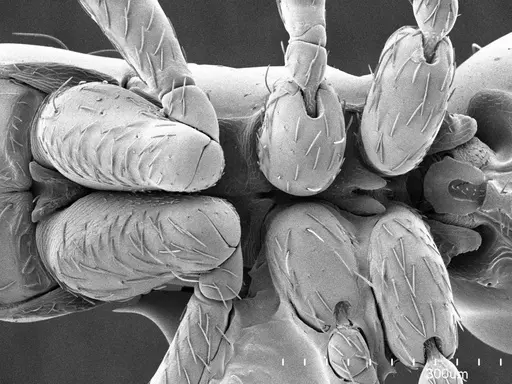
UFV-LABECOL-008565
View on AntWeb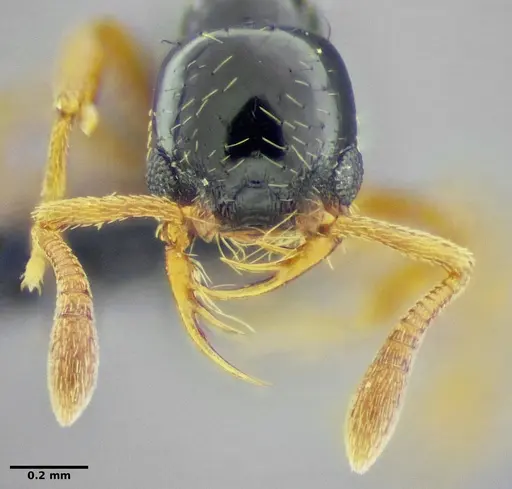
Literature
Loading distribution map...Loading products...