
Tetraponera schulthessi
- Sci. Name
- Tetraponera schulthessi
- Tribe
- Pseudomyrmecini
- Subfamily
- Pseudomyrmecinae
- Author
- Santschi, 1915
- Distribution
- Found in 4 countries
Introduction
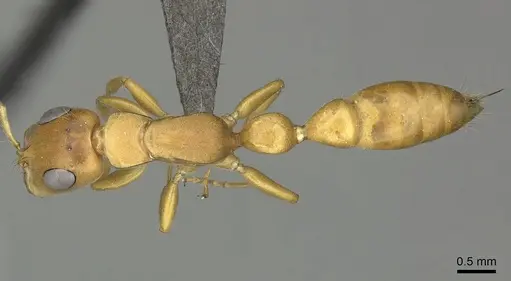
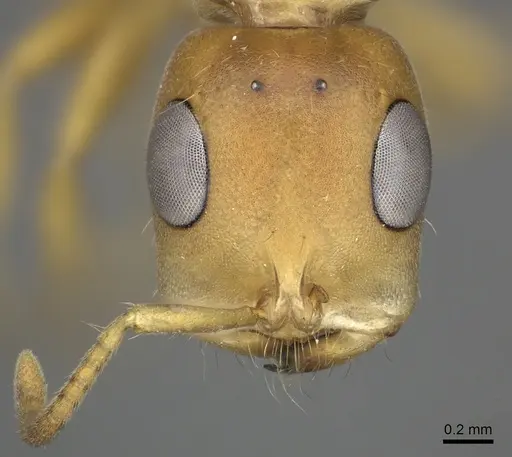
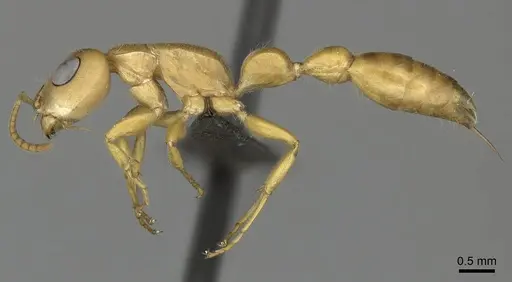
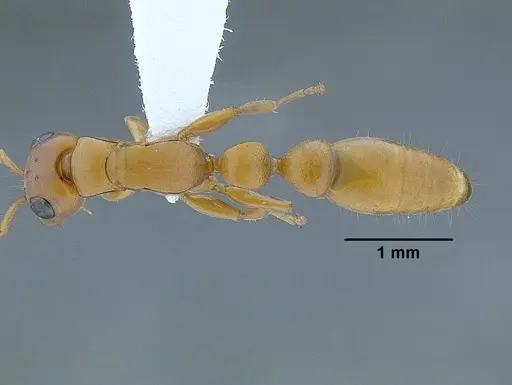
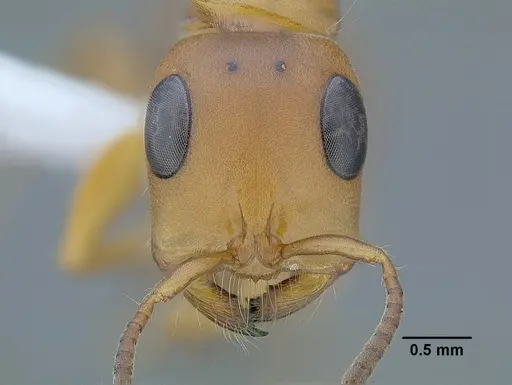
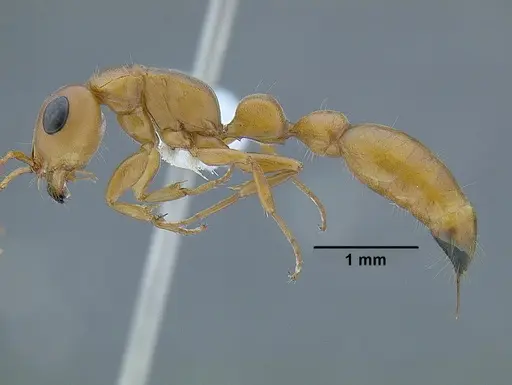
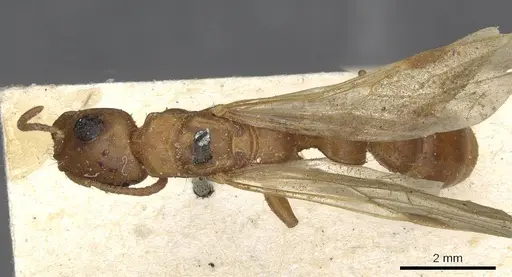
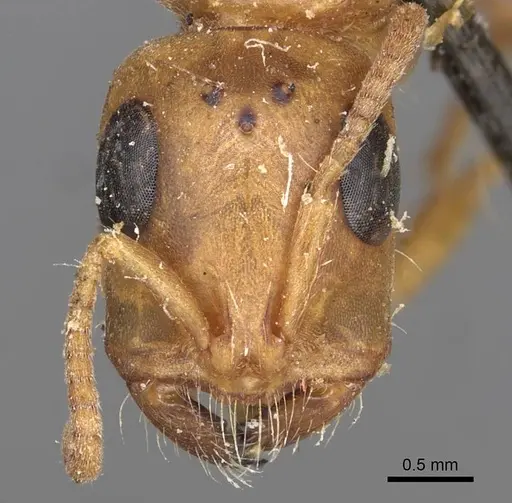
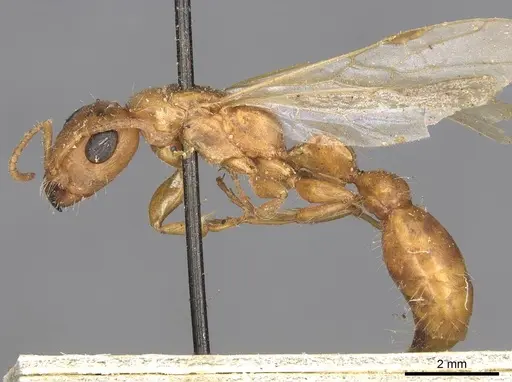
Tetraponera schulthessi is a slender, fast-moving ant from the subfamily Pseudomyrmecinae. They are known for their long legs and large eyes. This species is found in eastern and southern Africa, with the type locality at Rikatla, Delagoa, Mozambique . They are also recorded in Kenya, South Africa, and Zimbabwe . Like other Tetraponera, they are arboreal and likely nest in hollow twigs or stems. They have a well-developed sting, used mainly for defense.
Quick Summary
- Difficulty: Medium
- Origin & Habitat: Eastern and southern Africa (Kenya, Mozambique, South Africa, Zimbabwe). Type locality: Rikatla, Delagoa, Mozambique [1][2]. Inhabits tropical and subtropical forests, nesting in hollow twigs or stems.
- Colony Type: Colony structure is not documented. Based on typical Tetraponera genus patterns, they are likely monogyne (single queen), but this is unconfirmed.
- Size & Growth:
- Queen: No specific measurements documented. Inferred from the Tetraponera genus: queens are estimated around 7-10 mm.
- Worker: No specific measurements documented. Based on the genus, workers are estimated around 4-7 mm.
- Colony: Unknown, no data on colony size for this species.
- Growth: Moderate, estimated based on tropical ant development.
- Development: Estimated 6-8 weeks at optimal tropical temperatures (24-28°C), inferred from general Pseudomyrmecinae development patterns. (Species-specific development data is not available.)
- Antkeeping:
- Temperature: As a tropical species, aim for warm conditions year-round, around 24-28°C. Use a heating cable on one side of the nest to create a gradient. Avoid sustained temperature drops below 20°C.
- Humidity: Keep the nest substrate damp but not waterlogged. Provide a water source (e.g., a water tube). Monitor for mold, if excessive, improve ventilation.
- Diapause: No known diapause requirement. As a tropical species, they do not need hibernation. Slight winter temperature drops (to ~20-22°C) are acceptable if room temperature falls.
- Nesting: Based on genus preferences, they likely nest in hollow twigs or stems. Provide a Y‑tong (AAC), plaster, or naturalistic nest with tight, enclosed chambers. A test tube setup works for founding.
- Behavior: Active, fast‑moving ants with a sting used for defense. They are not aggressive unless the nest is threatened. Their small size and speed make escape prevention essential, use tight‑fitting lids and barriers. Provide enrichment with twigs or bark for climbing.
- Common Issues: tropical warmth requirements, colonies may struggle in cool rooms without supplemental heating, limited species‑specific care information, keepers must adapt from genus knowledge, escape prevention is critical due to their small size and speed, humidity balance, too dry causes desiccation, too wet causes mold, wild‑caught colonies may carry parasites or stress
Temperature and Heating
Tetraponera schulthessi is a tropical species and needs warmth year‑round. Keep the nest area at 24-28°C. Place a heating cable on one side of the formicarium to create a temperature gradient, the ants will move to their preferred spot. Avoid prolonged temperatures below 20°C, as this can slow development and stress the colony. In cooler climates, supplemental heating will be necessary.
Humidity and Water
Keep the nest substrate damp but not waterlogged. Typical forest‑dwelling Tetraponera need moderate to high humidity. A water tube attached to the test tube or nest provides a constant water source. Watch for condensation, a little is fine, but too much leads to mold. If mold appears, improve ventilation and reduce watering. The substrate should feel moist to the touch, not soggy.
Feeding and Diet
Tetraponera ants are omnivorous. Offer small live prey such as fruit flies, pinhead crickets, or small mealworms 2-3 times per week. Provide sugar water or honey water at all times for energy. Remove uneaten prey after 24-48 hours to prevent mold. A varied diet supports healthy colony growth.
Nesting Preferences
In the wild, Tetraponera nest in hollow twigs, stems, or rotting wood. In captivity, they adapt well to Y‑tong (AAC) nests, plaster nests, or cork‑lined setups with tight chambers. Avoid tall, open spaces, they feel secure in enclosed cavities. A test tube setup works for starting a new colony. As the colony grows, move them to a nest with more chambers.
Colony Development
Colony growth is likely moderate. The queen lays eggs that develop through larvae and pupae to emerge as workers. The first workers (nanitics) are smaller than mature workers. Development from egg to worker probably takes 6-8 weeks at optimal temperatures (24-28°C). Be patient, growth may seem slow initially, but once the first workers appear, the colony will gradually expand.
Behavior and Temperament
These ants are active and fast, typical of the Pseudomyrmecinae subfamily. They are not normally aggressive toward keepers but may sting if the nest is disturbed. Their sting is mild but can be painful. Because of their small size and speed, they can escape easily, use tight‑fitting lids and barriers. Provide twigs or bark in the outworld for climbing enrichment.
Frequently Asked Questions
How long does it take for Tetraponera schulthessi to raise their first workers?
Based on typical Pseudomyrmecinae development, expect 6-8 weeks from egg to first worker at optimal temperatures (24-28°C). This is an estimate, species‑specific data is not available.
What temperature do Tetraponera schulthessi ants need?
Aim for 24-28°C year‑round. As a tropical species, they need warmth. A heating cable on one side of the nest helps maintain the right conditions.
Can I keep Tetraponera schulthessi in a test tube?
Yes, a test tube setup is fine for founding a colony. Make sure the water reservoir is large enough and cover the tube to keep the queen dark. Move them to a larger nest once the colony reaches about 20-30 workers.
Do Tetraponera schulthessi ants sting?
Yes, like other Pseudomyrmecinae, they have a sting and can use it for defense. The sting is mild and not dangerous to healthy humans, but avoid provoking the colony.
How big do Tetraponera schulthessi colonies get?
Colony size is not documented. Based on related species, they likely reach a few hundred workers over time, but this is unconfirmed. Growth is moderate.
Do Tetraponera schulthessi need hibernation?
No, they do not need true hibernation. As a tropical species, they require warm conditions year‑round. A slight winter temperature drop (to around 20-22°C) is acceptable if room temperature falls.
What do Tetraponera schulthessi eat?
They are omnivorous. Offer small live insects (fruit flies, pinhead crickets) 2-3 times a week, and keep sugar water or honey water available constantly.
Are Tetraponera schulthessi good for beginners?
This species is rated Medium difficulty. They need constant warmth and humidity, so they are better suited for keepers with some experience. Beginners should make sure they can maintain the required conditions.
Why are my Tetraponera schulthessi dying?
Common causes include temperatures below 20°C, incorrect humidity (too dry or too wet), mold, stress from frequent disturbance, or poor diet. Check your setup and adjust. Wild‑caught colonies may also have parasites.
When should I move my colony to a formicarium?
Transition to a larger nest when the colony has about 20-30 workers, or when the test tube shows signs of degradation. Make sure the new nest has proper humidity and enough space for growth.
Report an Issue
The current care sheet is based fully on literature. See inconsistencies, or something that's incorrect? Please , it will be resolved after review from an admin. Contributing to the blogs tab also helps providing information, to make us be able to further improve the caresheets. Thank you for your support!
References

This caresheet is licensed under CC BY-SA 4.0 .
Community Blogs
Literature
Loading distribution map...Loading products...