
Tetraponera sahlbergii
- Sci. Name
- Tetraponera sahlbergii
- Tribe
- Pseudomyrmecini
- Subfamily
- Pseudomyrmecinae
- Author
- Forel, 1887
- Distribution
- Found in 1 countries
Introduction
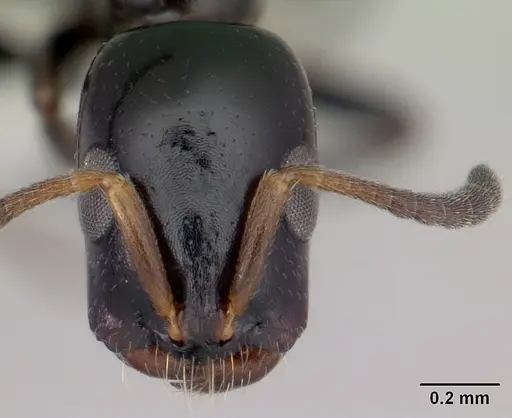
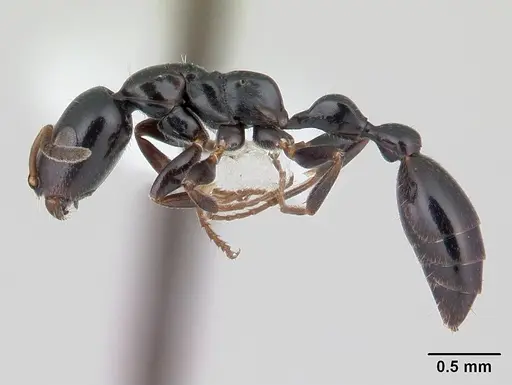
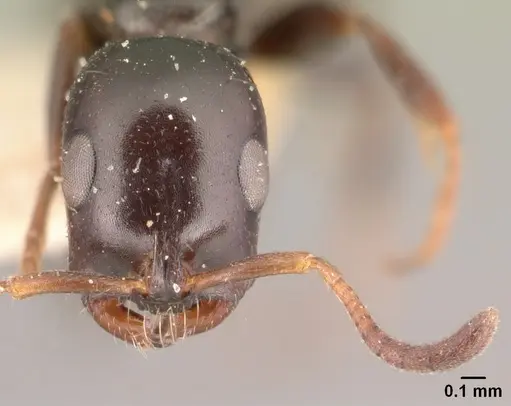
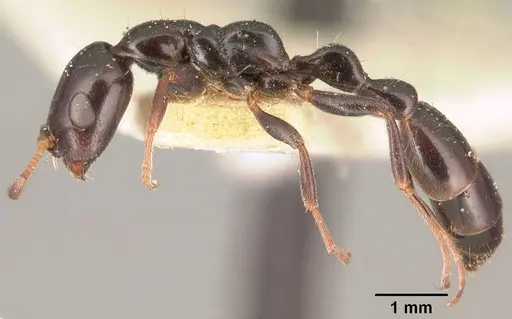
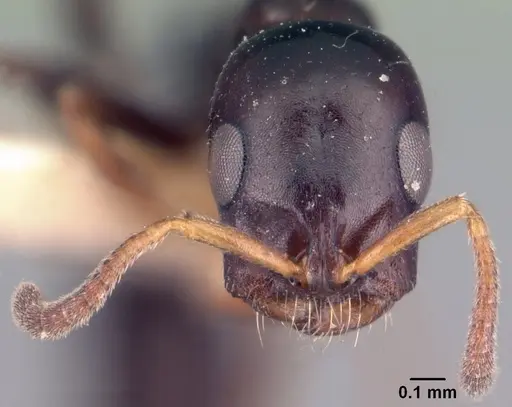
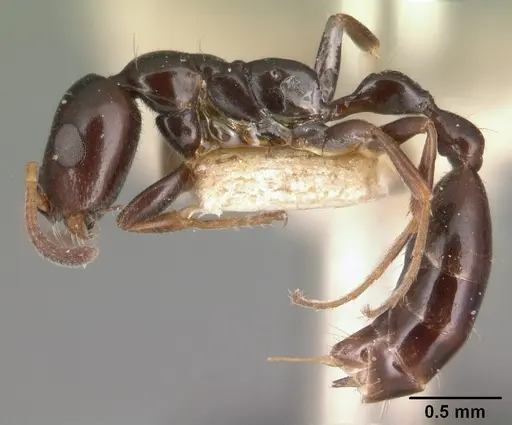
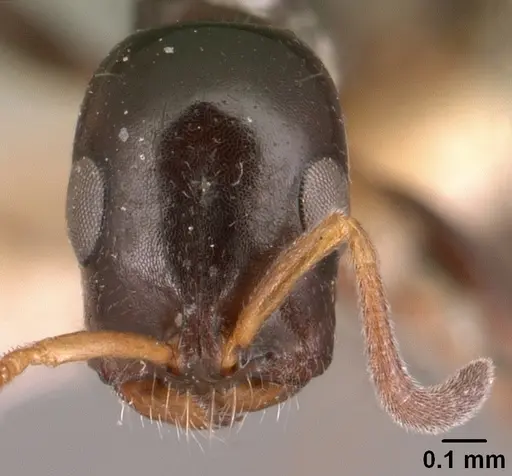
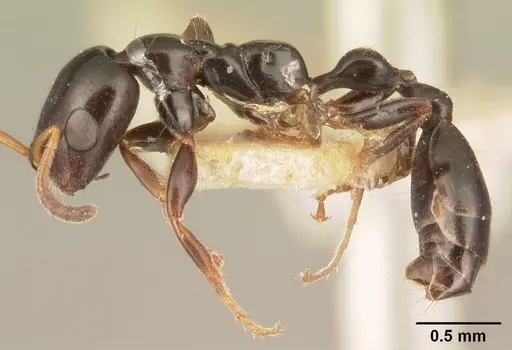
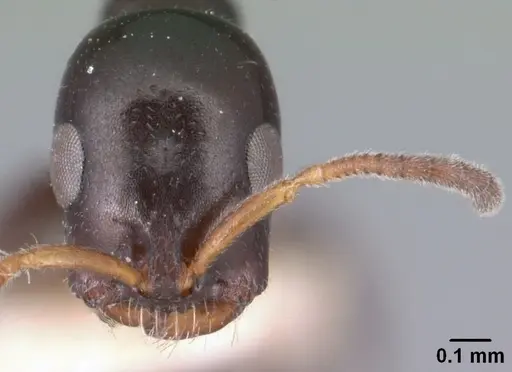
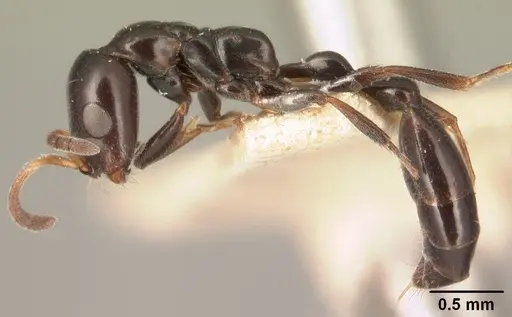
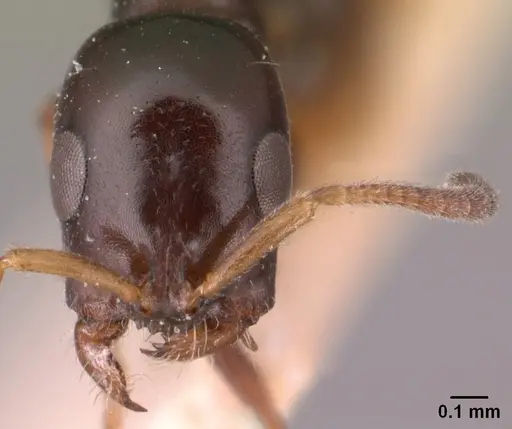
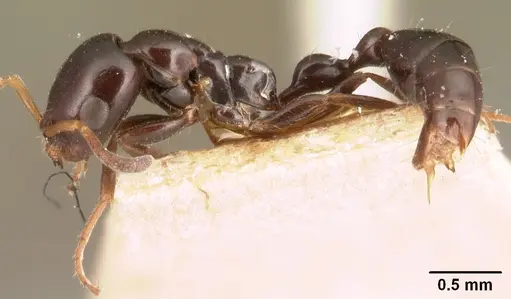
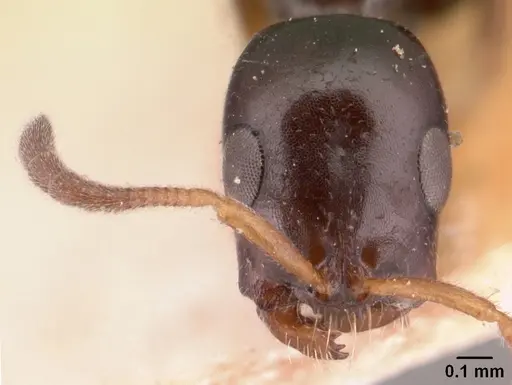
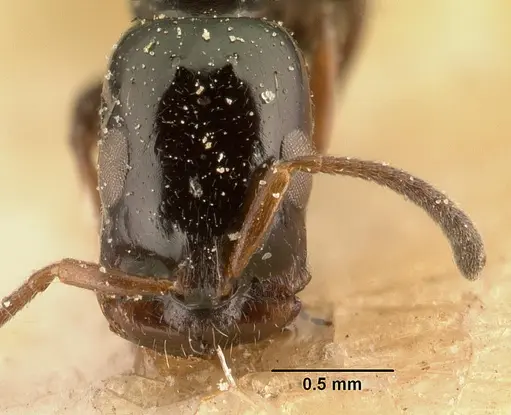
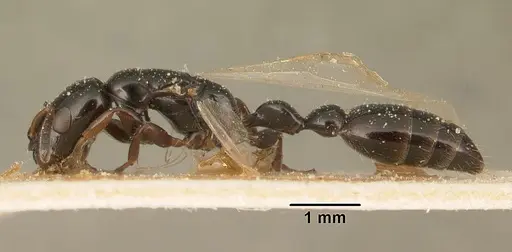
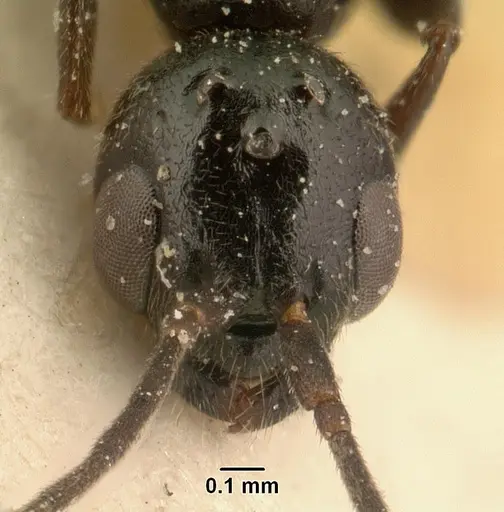
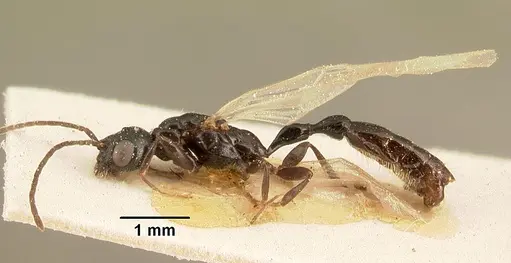
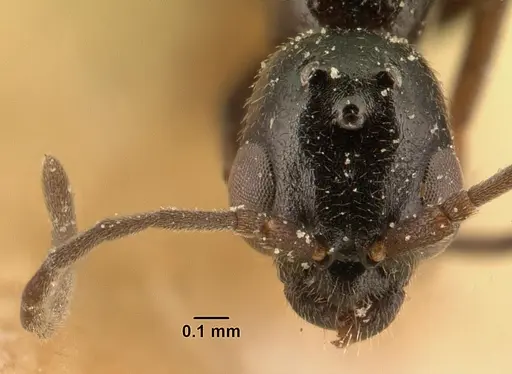
Tetraponera sahlbergii is a slender, long-legged ant native to Madagascar, belonging to the Pseudomyrmecinae subfamily. Body size data for this species is unavailable in the published literature. The ants have an elongated body, large eyes, and long legs adapted for arboreal life. This species is part of the allaborans group and was originally described from Madagascar in 1887 . It is endemic to Madagascar, with records from Ankaratra at about 2000 m elevation . Habitat data suggests they prefer dry, dark, arboreal environments . What makes Tetraponera sahlbergii interesting is that, like other Pseudomyrmecinae, they live in hollow twigs, stems, and under bark rather than in ground nests. The high‑altitude record hints that they may tolerate cooler conditions than typical lowland tropical ants . This species is very poorly studied in captivity, so most care advice comes from general knowledge of the genus.
Quick Summary
- Difficulty: Medium
- Origin & Habitat: Endemic to Madagascar. Found in dry, dark, arboreal habitats, likely nesting in hollow twigs and stems [3][1].
- Colony Type: Likely monogyne (single queen colonies) based on typical Tetraponera patterns, though colony structure has not been specifically documented for this species.
- Size & Growth:
- Queen: Size data unavailable (no body measurements recorded for queens).
- Worker: Size data unavailable (no body measurements recorded for workers).
- Colony: Up to several hundred workers – estimated from related Tetraponera species.
- Growth: Moderate – based on genus patterns.
- Development: Unknown – not documented for this species, estimated 6–10 weeks from related Pseudomyrmecinae. (Development timeline not specifically documented for Tetraponera sahlbergii – estimates based on related species in the genus.)
- Antkeeping:
- Temperature: 22–26°C. Based on the high‑altitude record (2000 m), they may tolerate slightly cooler conditions than typical tropical ants. Avoid temperatures above 30°C [2].
- Humidity: Dry to moderate humidity. The habitat data indicates a preference for dry conditions, so avoid high humidity. Provide a dry nest chamber with a small water source [3].
- Diapause: Unlikely required – Madagascar has a mild climate year‑round. No diapause documented for this species.
- Nesting: Arboreal nesting specialists. In captivity, use horizontal or diagonal setups with narrow chambers (5–10 mm) to mimic hollow twigs. Test tubes with cotton work for founding colonies. Avoid large open spaces.
- Behavior: Quick‑moving and generally not aggressive toward keepers. They have a functional sting used defensively but rarely employ it against humans. Escape prevention is critical – their small size (unknown exact dimensions) allows them to squeeze through tiny gaps. Active foragers that hunt small prey and collect honeydew.
- Common Issues: limited availability – this species is rarely kept in the hobby., lack of species‑specific data means care protocols are experimental., escape risk due to small size – use fine mesh and tight‑fitting lids., arboreal nature – standard ground‑nest formicariums are unsuitable, custom setups are needed., slow colony growth compared to faster‑growing genera (estimated, not confirmed).
Housing and Nest Setup
Tetraponera sahlbergii requires housing that mimics their natural arboreal habitat. Unlike ground‑nesting ants, these prefer tight, horizontal spaces similar to hollow twigs and stems. A modified test‑tube setup works well for founding colonies – use a small test tube with a tight cotton barrier and water reservoir. For established colonies, acrylic nests with narrow chambers (5–10 mm) are better than spacious naturalistic setups. Avoid tall vertical spaces, these ants prefer to move horizontally. Include some dry areas in the setup since habitat data indicates they prefer drier conditions [3]. Escape prevention is critical – their small size allows them to squeeze through tiny gaps, so use fine mesh on all openings.
Feeding and Diet
Like other Pseudomyrmecinae ants, Tetraponera sahlbergii is primarily predatory. Feed small live prey such as fruit flies, pinhead crickets, and small mealworms. They will also accept sugar sources – offer diluted honey water or sugar water regularly. Protein‑rich foods should be provided 2–3 times per week for growing colonies. Since they are arboreal foragers, place food in the outworld where they can easily find it. Remove uneaten prey after 24 hours to prevent mold. Young colonies may be shy about taking food – this is normal as they adjust to captive conditions.
Temperature and Seasonal Care
Maintain temperatures between 22–26°C. The collection data from Ankaratra at 2000 m altitude suggests they can tolerate cooler conditions than typical lowland tropical ants [2]. Avoid temperatures above 30°C, as this species appears to prefer drier and potentially cooler habitats. Room temperature within this range is usually suitable. No diapause is required since Madagascar maintains mild temperatures year‑round. However, you might reduce feeding slightly during winter months if colony activity decreases. Use a heating cable on one side of the nest only if room temperature falls below 22°C – always provide a temperature gradient so ants can choose their preferred zone.
Behavior and Colony Dynamics
Tetraponera sahlbergii workers are active and quick‑moving, characteristic of the Pseudomyrmecinae subfamily. They have a functional sting but are not aggressive toward keepers – when threatened, they are more likely to flee than to sting. Colonies grow at a moderate pace, with the first workers (nanitics) typically emerging 6–10 weeks after founding (estimated from related species). Queens are physogastric (swollen with eggs) once established, but this has not been confirmed for this species. The colony will establish foraging trails in the outworld and becomes more active as it grows. Their arboreal nature means they are comfortable moving on vertical surfaces and may explore more than ground‑nesting ants. [1]
Frequently Asked Questions
Is Tetraponera sahlbergii good for beginners?
This species is not ideal for complete beginners due to limited availability and specific arboreal housing needs. If you have experience with other Pseudomyrmecinae like Pseudomyrmex or have kept arboreal ants before, you may have success. However, care protocols are not well‑established in the hobby, so some experimentation may be needed.
How long does it take for Tetraponera sahlbergii to produce first workers?
This is not documented for this species. Based on typical Pseudomyrmecinae development, expect about 6–10 weeks from egg to first worker at around 24°C, but this is an estimate. Factors like temperature and feeding can affect development speed.
Can I keep Tetraponera sahlbergii in a standard formicarium?
Standard formicariums designed for ground‑nesting ants are not ideal. These arboreal ants prefer tight, horizontal spaces similar to hollow twigs. A modified test‑tube setup or acrylic nest with narrow chambers works better. Avoid large, open naturalistic setups.
Do Tetraponera sahlbergii ants sting?
Pseudomyrmecinae ants have functional stingers. Tetraponera sahlbergii is not aggressive and rarely stings keepers, but if handled roughly or threatened it may sting defensively. The sting is mild and not medically significant.
What do Tetraponera sahlbergii eat?
They are primarily predatory, accepting small live prey like fruit flies, pinhead crickets, and small mealworms. They also consume sugar sources – offer diluted honey water or sugar water. Feed protein 2–3 times per week and keep sugar water available constantly.
How big do Tetraponera sahlbergii colonies get?
Colony size is not specifically documented, but related Tetraponera species typically reach several hundred workers. Growth is moderate – expect several months to reach 50+ workers and a year or more for larger colonies.
Do Tetraponera sahlbergii need hibernation?
No hibernation is required. Madagascar has a mild climate year‑round with no cold winter period. Keep them at stable temperatures between 22–26°C without seasonal cooling.
Where is Tetraponera sahlbergii found in the wild?
This species is endemic to Madagascar. It has been recorded from Ankaratra at about 2000 m elevation, and habitat data suggests it prefers dry, dark, arboreal environments [2][3]. They nest in hollow twigs and stems.
Why is my Tetraponera sahlbergii colony not growing?
Several factors could slow growth: temperatures outside their 22–26°C range, insufficient protein feeding, too much space in the nest (they prefer tight spaces), or low humidity. Also ensure they have quiet, dark conditions – arboreal ants often prefer less disturbance than ground‑nesting species.
Can I combine multiple Tetraponera sahlbergii queens?
Not recommended. Combining unrelated queens of this species has not been documented and could result in fighting. Start with a single mated queen for best results.
Report an Issue
The current care sheet is based fully on literature. See inconsistencies, or something that's incorrect? Please , it will be resolved after review from an admin. Contributing to the blogs tab also helps providing information, to make us be able to further improve the caresheets. Thank you for your support!
References

This caresheet is licensed under CC BY-SA 4.0 .
Community Blogs
CASENT0012851
View on AntWeb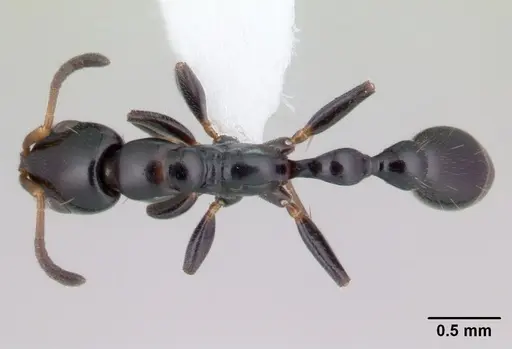
CASENT0101052
View on AntWeb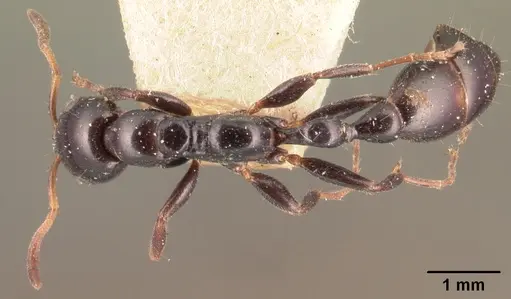
CASENT0101055
View on AntWeb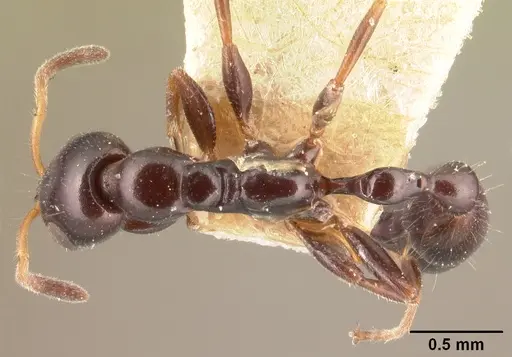
CASENT0101056
View on AntWeb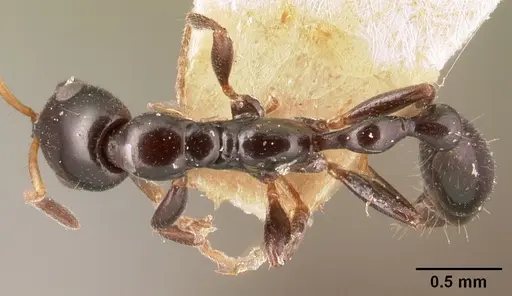
CASENT0101057
View on AntWeb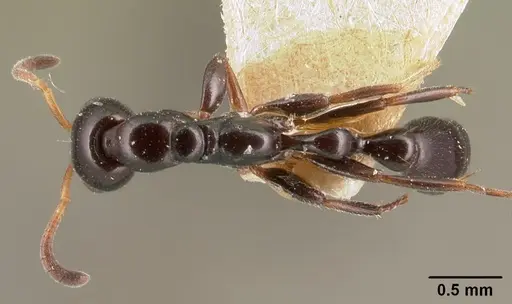
CASENT0101058
View on AntWeb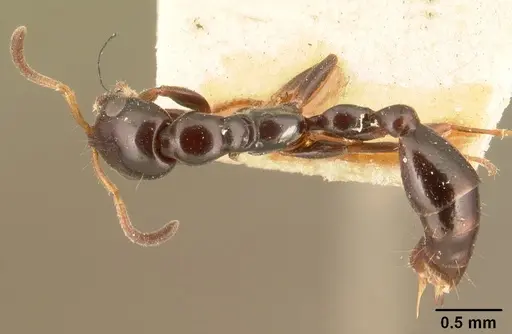
CASENT0101059
View on AntWeb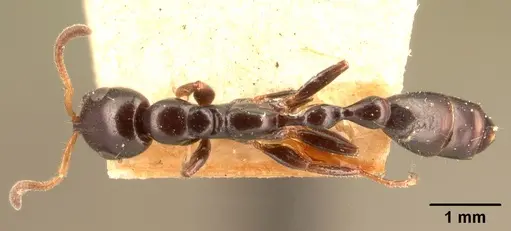
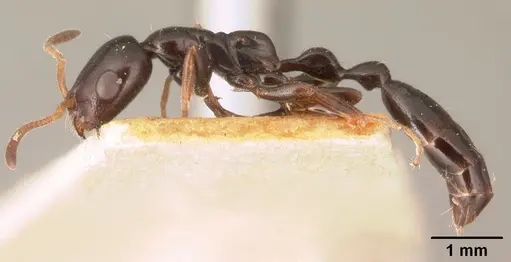
CASENT0101060
View on AntWeb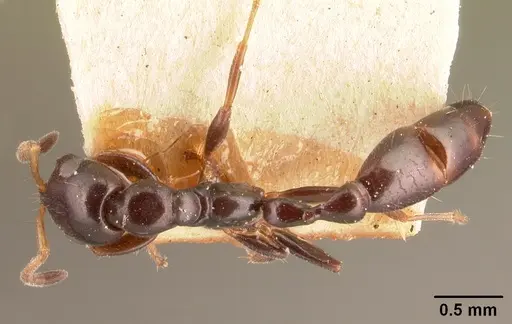
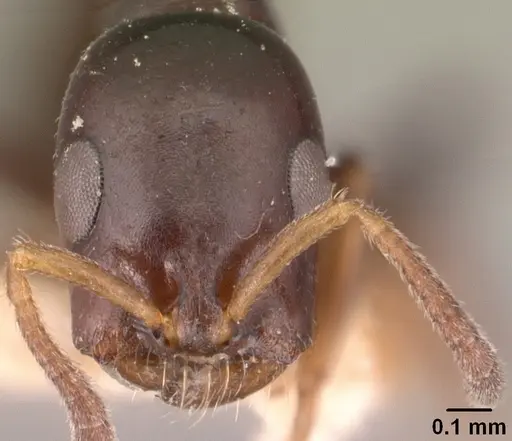
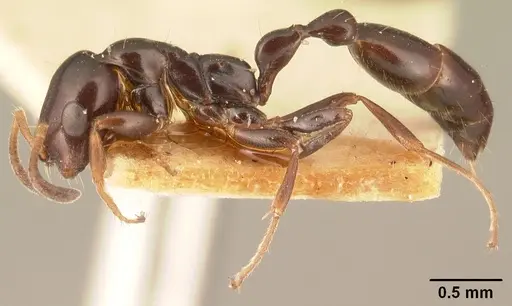
CASENT0101149
View on AntWeb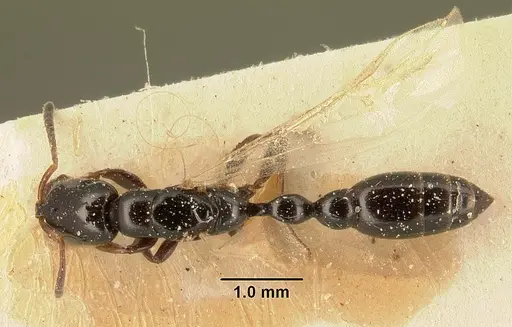
CASENT0101150
View on AntWeb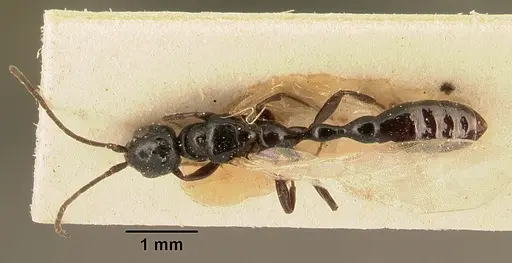
CASENT0101151
View on AntWeb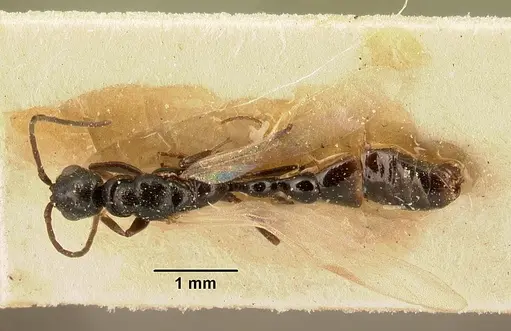
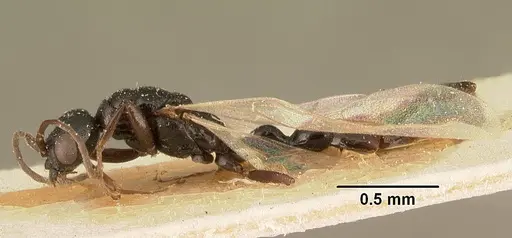
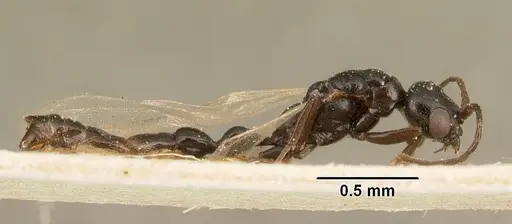
CASENT0101623
View on AntWeb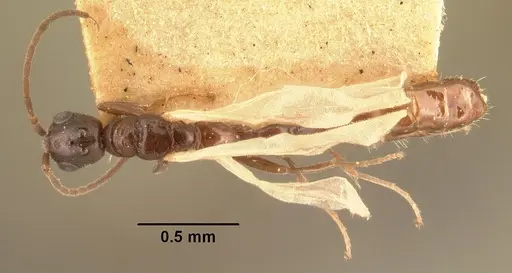
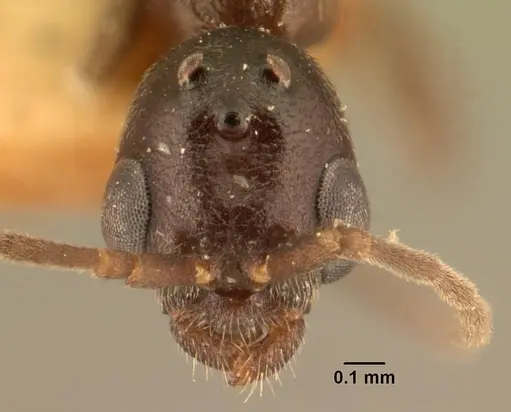
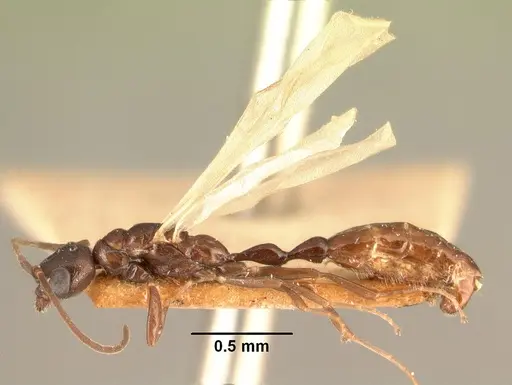
CASENT0102036
View on AntWeb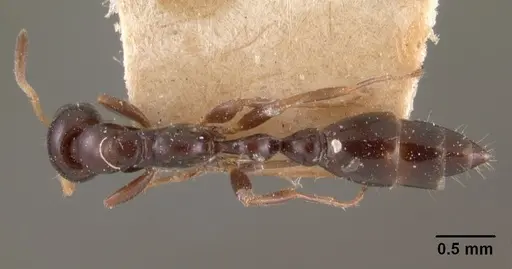
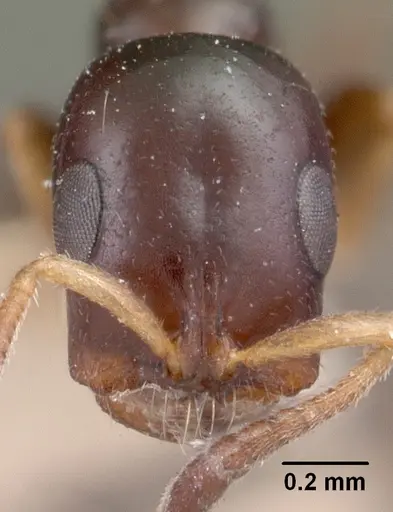
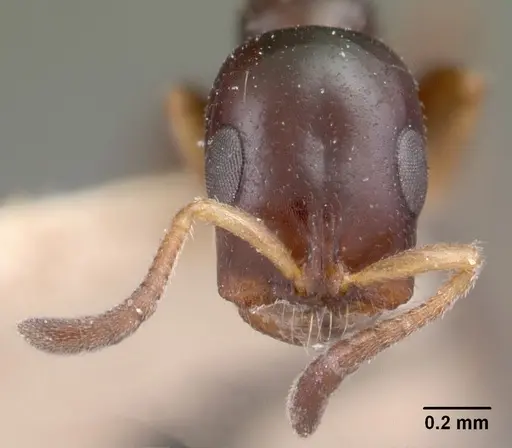
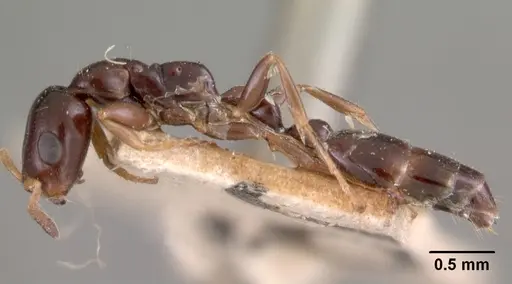
CASENT0138681
View on AntWeb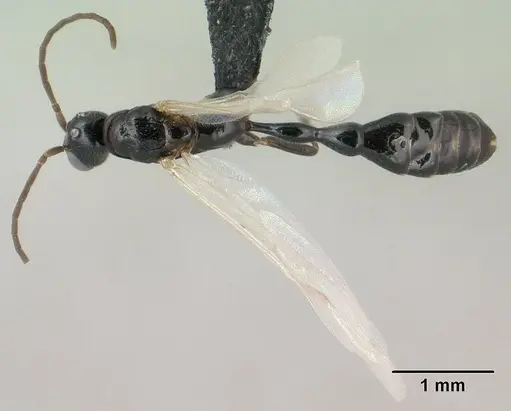
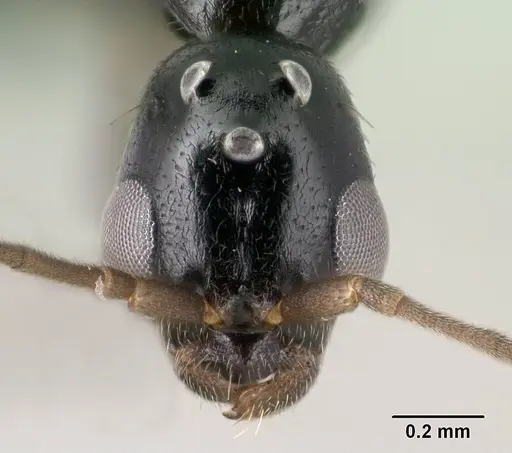
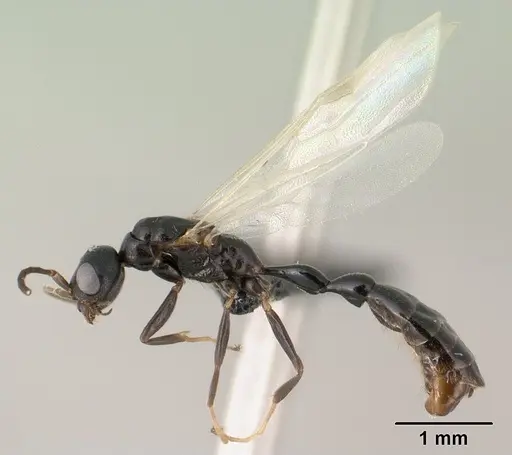
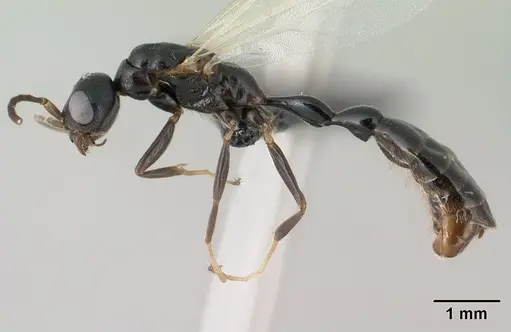
CASENT0144923
View on AntWeb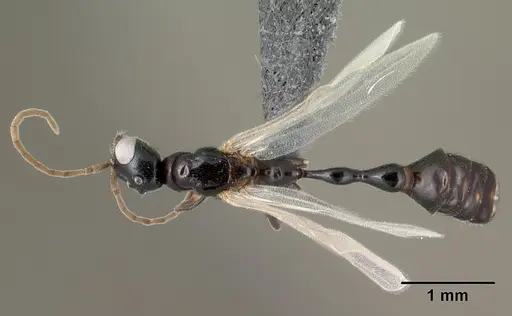
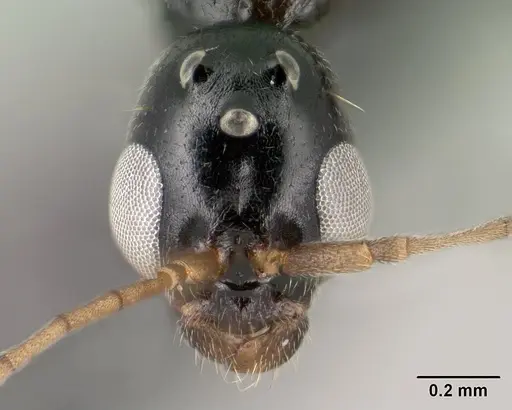
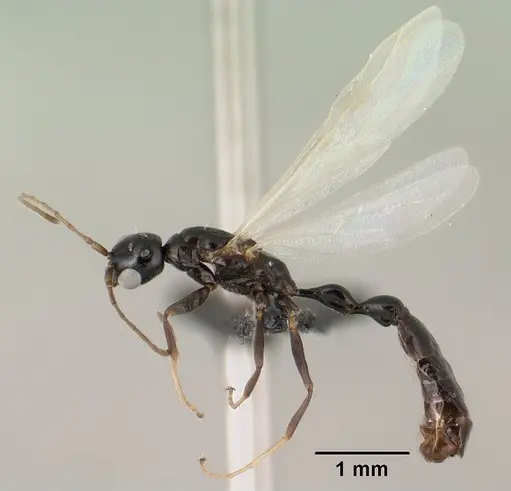
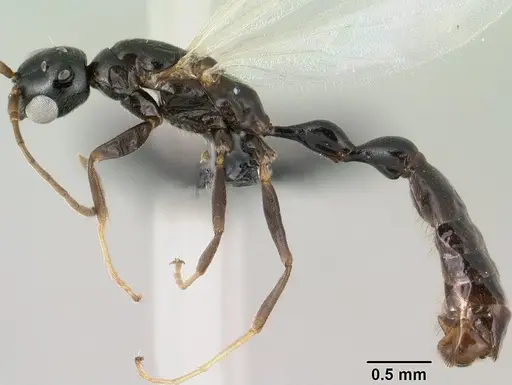
CASENT0144930
View on AntWeb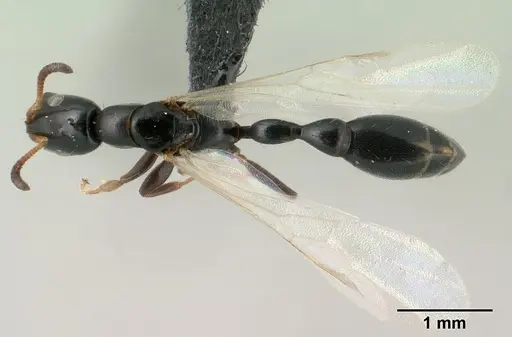
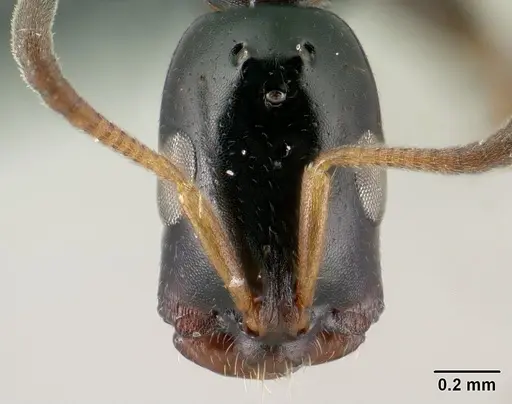
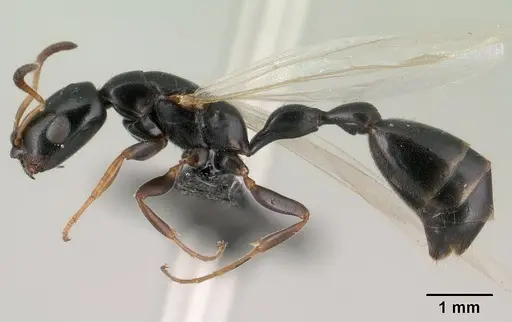
Literature
Loading distribution map...Loading products...