
Tetraponera rakotonis
- Sci. Name
- Tetraponera rakotonis
- Tribe
- Pseudomyrmecini
- Subfamily
- Pseudomyrmecinae
- Author
- Forel, 1891
- Distribution
- Found in 1 countries
Introduction
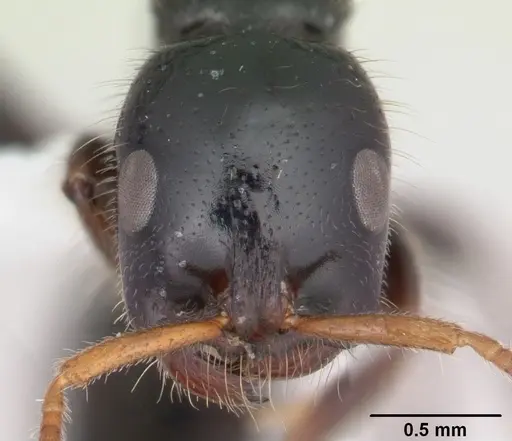
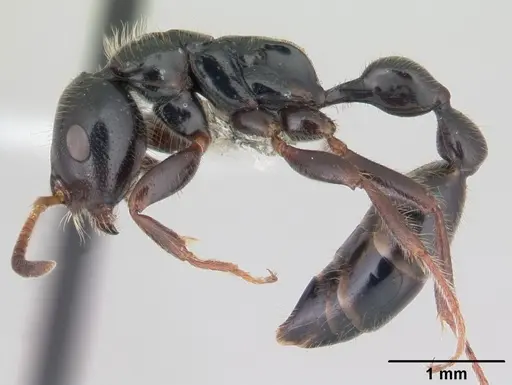
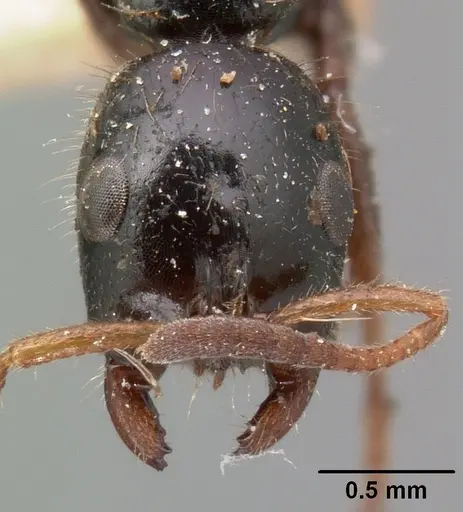
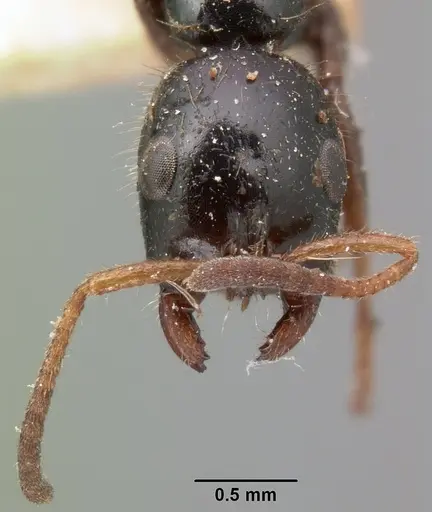
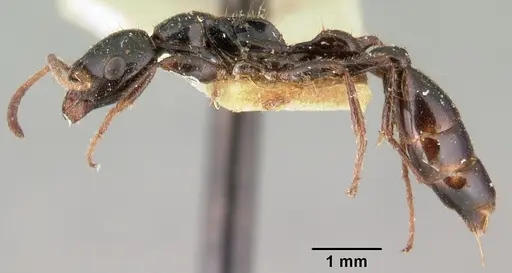
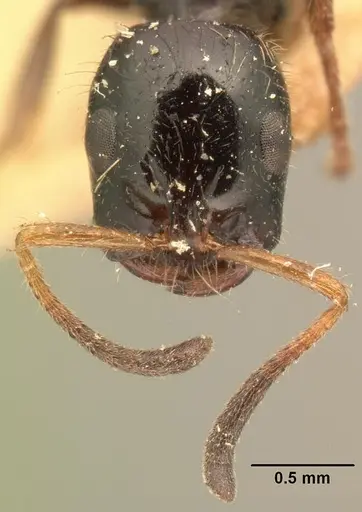
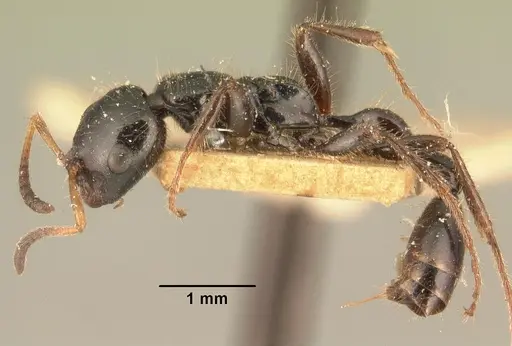
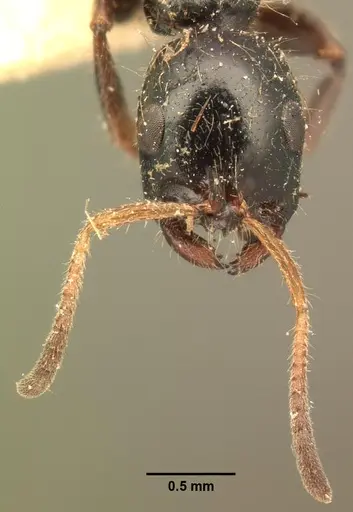
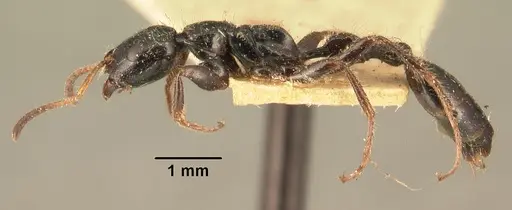
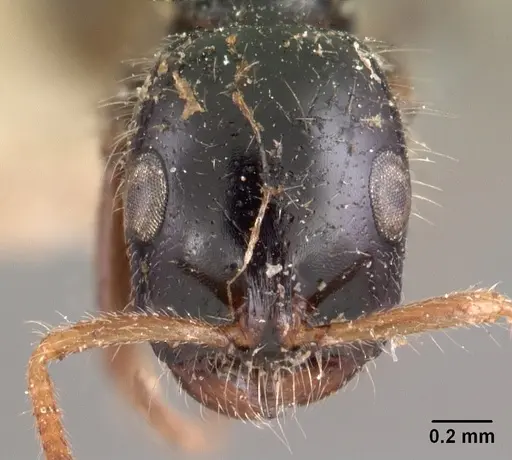
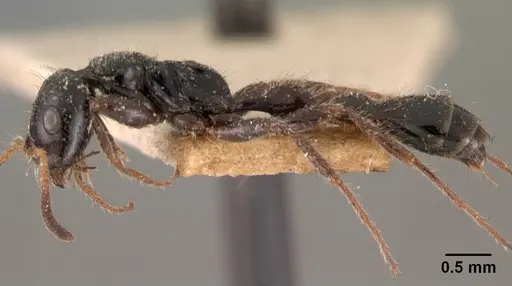
Tetraponera rakotonis is a slender, elongated ant belonging to the subfamily Pseudomyrmecinae, often called snake ants for their long, worm-like body shape. Workers are dark brown to black with relatively large eyes near the front of the head, which helps them navigate in their arboreal habitat . This species is endemic to Madagascar, specifically the western region around Morondava, where it inhabits tropical dry forests like Kirindy Forest . They are arboreal nesters, living in hollow plant stems and rotting wood in trees, favoring dark, dry microhabitats .
Quick Summary
- Difficulty: Medium
- Origin & Habitat: Western Madagascar, around Morondava. Found in tropical dry forests such as Kirindy Forest [2]. Arboreal, nesting in hollow stems and wood, preferring dark, dry conditions [3].
- Colony Type: Colony structure is unconfirmed. No data available on queen number or social organization for this species.
- Size & Growth:
- Queen: Unknown for this species. Inferred from Tetraponera genus patterns: ~8-12 mm.
- Worker: Unknown for this species. Inferred from Tetraponera genus patterns: ~5-8 mm.
- Colony: Unknown, no colony size data available.
- Growth: Moderate (estimated based on genus-level patterns)
- Development: Estimated 6-10 weeks at optimal temperature (based on related Tetraponera species, no species‑specific data). (Development time is estimated. Tropical species generally develop faster than temperate ones when kept warm.)
- Antkeeping:
- Temperature: Tropical species: maintain 24-28°C year‑round. A heating cable on one side of the nest can create a gentle gradient. Avoid temperatures below 20°C.
- Humidity: Provide a dry nest substrate, this species inhabits dry forest [3]. Include a drinking water source (e.g., a water tube) but keep the nest well‑ventilated to prevent condensation. High humidity is not needed.
- Diapause: No, as a tropical species from Madagascar, diapause is not required. Keep warm year‑round.
- Nesting: Arboreal setup: use a Y‑tong (AAC) nest, plaster nest, or naturalistic setup with cork, twigs, and hollow branches. These ants nest in vertical or angled spaces that mimic tree hollows [2][3].
- Behavior: Predatory ants that actively hunt small insects in their arboreal habitat. They have a functional sting (typical of Pseudomyrmecinae) and will defend their nest if provoked, but are not overly aggressive. Workers are excellent climbers, so escape‑proofing is important. Their slender bodies allow them to squeeze into narrow crevices. Foraging activity seems to be crepuscular or diurnal, but data are limited.
- Common Issues: arboreal nesting requires non‑standard setups, test tubes are not ideal for long‑term housing., dry‑adapted species, excessive humidity can cause mold or stress, provide a dry nest with a separate water source., predatory diet demands regular protein (live insects), sugar‐only diet will cause malnutrition., small size (workers ~5-8 mm) means they can escape through tiny gaps, use fluon or similar barriers., lack of species‑specific data means several care parameters are inferred from genus patterns and may need adjustment.
Housing and Nest Setup
Tetraponera rakotonis is an arboreal species with a preference for dry, dark nesting sites [3]. A naturalistic setup works best: provide hollow twigs, cork bark, or a Y‑tong (AAC) nest with narrow, vertical chambers. Plaster nests with adjustable moisture can also be used, but keep the substrate on the dry side. Since they are active climbers, coat the outworld edges with fluon or a similar barrier. A separate water tube should always be available, as they drink regularly [2].
Feeding and Diet
These are predatory ants. Offer small live insects such as fruit flies, pinhead crickets, small mealworms, or other tiny arthropods. They also accept sugar water or honey for energy. Feed protein prey 2-3 times per week and keep a constant supply of sugar water available. Remove uneaten prey after 24-48 hours to prevent mold. They will not accept seeds or plant matter, stick to insect prey and sugary liquids. This diet is inferred from general Pseudomyrmecinae ecology, as no specific feeding data exist for this species.
Temperature and Seasonal Care
As a tropical species from Madagascar, Tetraponera rakotonis requires stable warmth year‑round. Maintain the nest area at 24-28°C. A heating cable on one side creates a gradient, letting ants thermoregulate. They do not require diapause, keep them active and warm even in winter. Temperatures below 20°C can slow or halt brood development. Avoid drafts and sudden temperature swings. Since this species inhabits dry forest [3], they do well with a slight drop at night, but overall warmth is critical.
Behavior and Temperament
Tetraponera rakotonis is a visually alert ant with relatively large eyes, a common trait among arboreal Pseudomyrmecinae [1]. Workers actively patrol the outworld and any provided structures, hunting small prey. They have a functional sting and may use it if the nest is disturbed, but they are not considered aggressive toward humans. Their slender, elongated body allows them to move easily through narrow stems and crevices. Most foraging activity appears to be crepuscular, though exact patterns are unstudied. Provide enrichment like fake plants or twigs to encourage natural hunting behavior.
Colony Development
Colony growth is expected to be moderate. The first workers (nanitics) will be smaller than mature workers, which is normal. Development time from egg to worker is estimated at 6-10 weeks at optimal temperature (24-28°C), this is based on related Tetraponera species, not direct observation. Maximum colony size is unknown, related species often reach several hundred workers. Ensure the queen is well‑fed during founding and that the colony receives consistent protein and warmth. No species‑specific data on pleometrosis or colony lifespan are available.
Frequently Asked Questions
Can I keep Tetraponera rakotonis in a test tube?
A test tube can work as a temporary founding chamber, but it is not ideal long‑term. This arboreal species prefers vertical or angled nest spaces that mimic tree hollows. A Y‑tong or plaster nest with narrow chambers, or a naturalistic setup with cork and twigs, is much better for colony development.
How long until first workers appear?
Expect 6-10 weeks from egg to first worker at optimal temperatures (24-28°C). This is an estimate based on related Tetraponera species, no specific development data exists for Tetraponera rakotonis.
Do Tetraponera rakotonis ants sting?
Yes, like all Pseudomyrmecinae, they have a functional stinger. They are not aggressive toward keepers but will sting if the nest is threatened or if they are handled roughly. The sting is not dangerous to humans but may cause mild irritation.
What do Tetraponera rakotonis eat?
They are predatory ants. Feed them small live insects like fruit flies, pinhead crickets, and small mealworms. They also accept sugar water or honey for energy. Provide protein 2-3 times per week and a constant sugar source. No plant matter is accepted.
Are Tetraponera rakotonis good for beginners?
This species is rated medium difficulty. While their temperature and humidity needs are straightforward (warm and dry), the lack of specific care data and their arboreal nesting requirements make them better suited for keepers with some experience. They are not recommended for absolute beginners.
Do Tetraponera rakotonis need hibernation?
No. As a tropical species from Madagascar, they do not require diapause or hibernation. Keep them warm at 24-28°C year‑round.
How big do Tetraponera rakotonis colonies get?
The maximum colony size is unknown for this species. Based on related Tetraponera species, colonies likely reach several hundred workers over time.
Can I keep multiple queens together?
No data exists on colony structure for Tetraponera rakotonis. Most Tetraponera species are thought to be monogyne (single queen), so combining unrelated queens is not recommended unless specific research shows they can form polygyne colonies.
Why is my colony not growing?
Check temperature first, they need 24-28°C for proper development. Also ensure they are getting enough protein (live insects) and that the nest is not too humid (they prefer dry conditions). Poor nutrition, cold temperatures, or excessive moisture are common causes of slow growth.
Where is Tetraponera rakotonis found?
This species is endemic to Madagascar, specifically the western region around Morondava. It inhabits tropical dry forests such as Kirindy Forest [1][2].
Report an Issue
The current care sheet is based fully on literature. See inconsistencies, or something that's incorrect? Please , it will be resolved after review from an admin. Contributing to the blogs tab also helps providing information, to make us be able to further improve the caresheets. Thank you for your support!
References

This caresheet is licensed under CC BY-SA 4.0 .
Community Blogs
CASENT0012841
View on AntWeb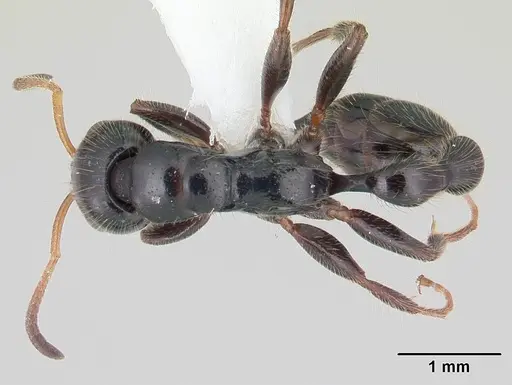
CASENT0101713
View on AntWeb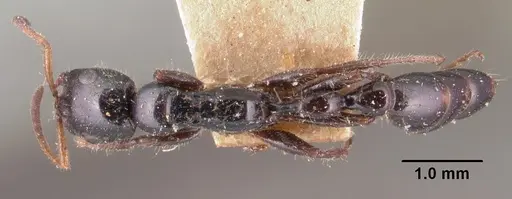
CASENT0101789
View on AntWeb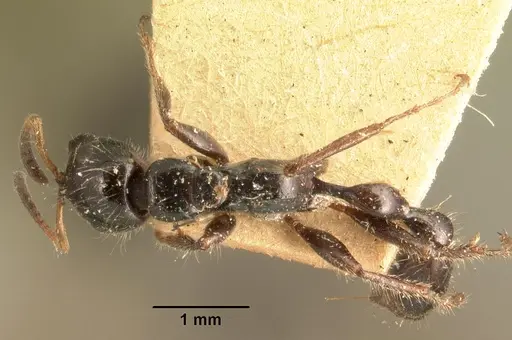
CASENT0101913
View on AntWeb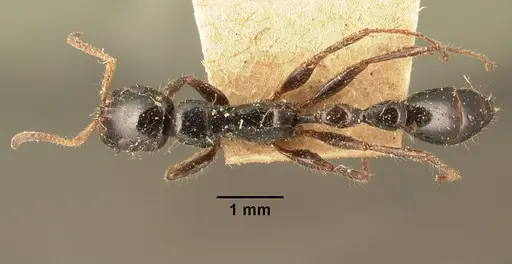
CASENT0102037
View on AntWeb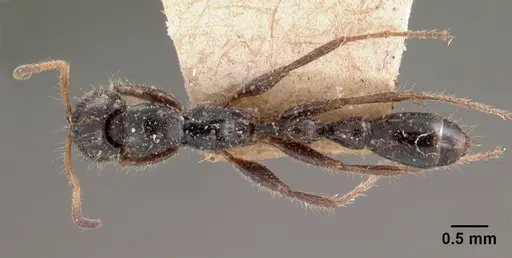
Literature
Loading distribution map...Loading products...