
Tetraponera pilosa
- Sci. Name
- Tetraponera pilosa
- Tribe
- Pseudomyrmecini
- Subfamily
- Pseudomyrmecinae
- Author
- Smith, 1858
- Distribution
- Found in 6 countries
Introduction
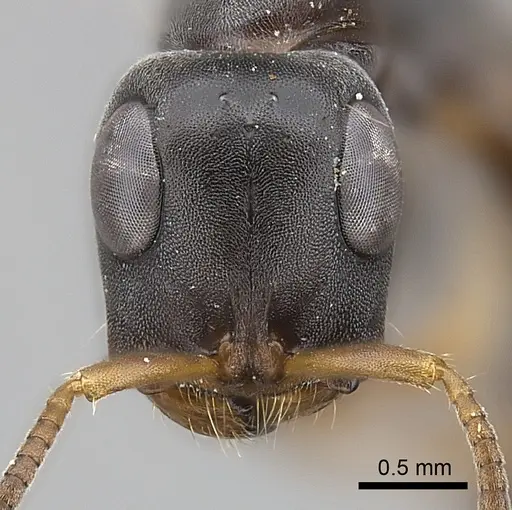
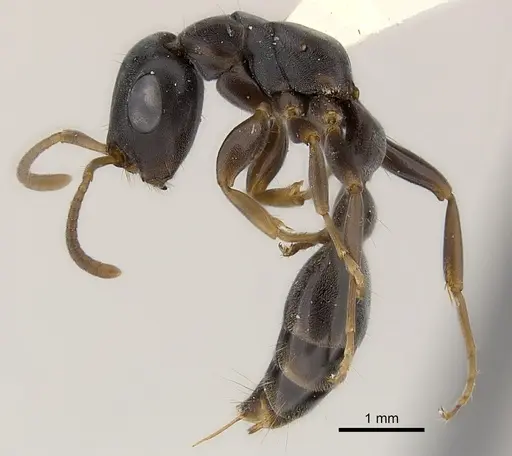
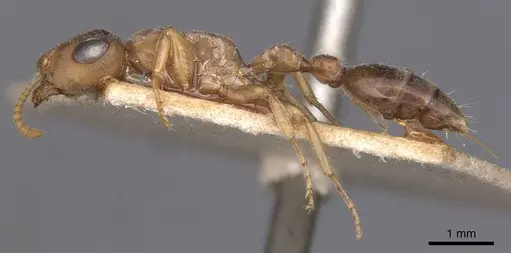
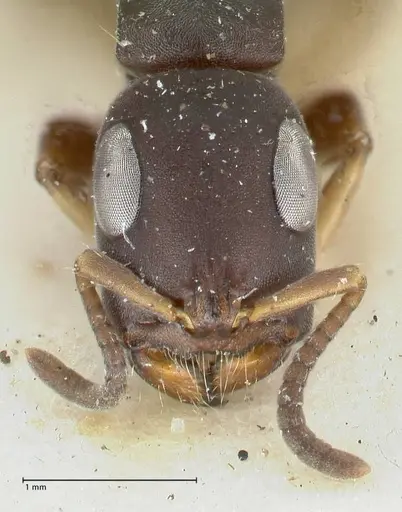
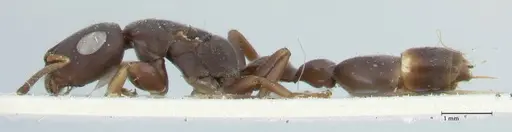
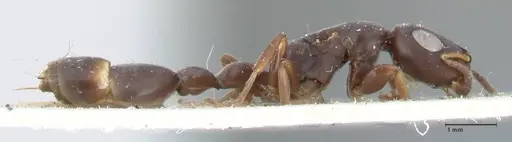
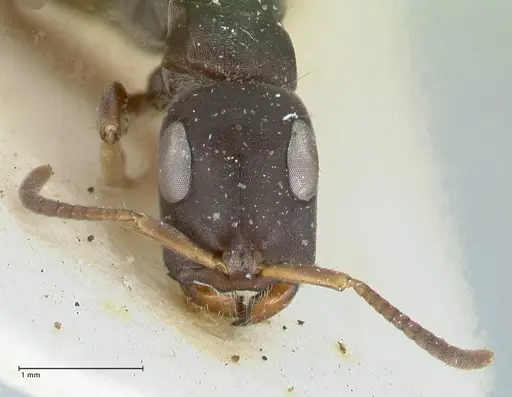
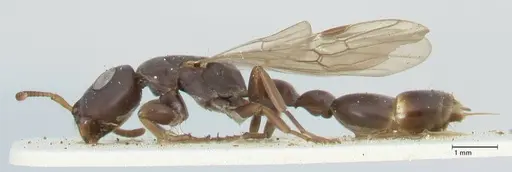
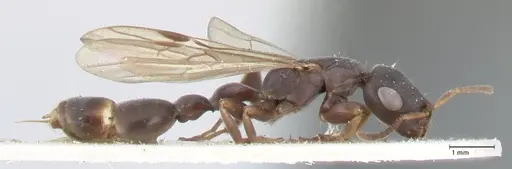
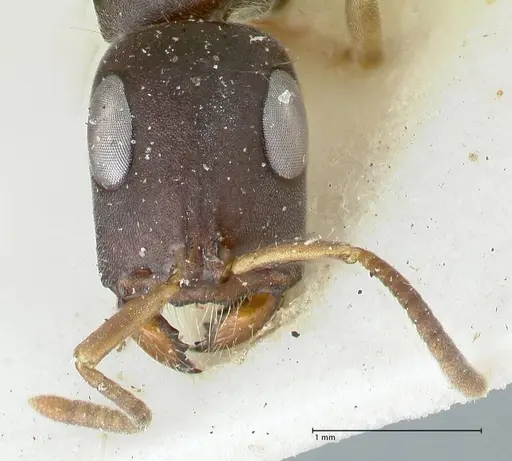
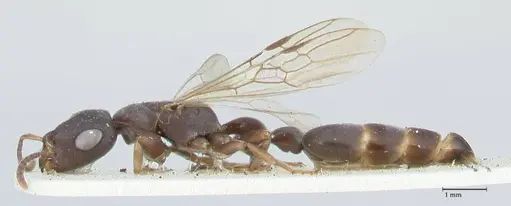
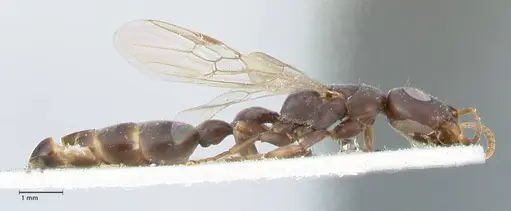
Tetraponera pilosa is a relatively large arboreal ant species native to Southeast Asia and the Indo-Malayan region, found across Borneo, India, Indonesia, Malaysia, the Nicobar Islands, the Philippines, Singapore, Thailand, and Vietnam . They are dark brown with lighter brown mandibles, antennae, and leg tips. Their bodies are densely punctate (finely pitted), giving a matte appearance, and they have three small eyes (ocelli) on top of the head and large compound eyes . Total body length is not documented, but based on related Tetraponera species, workers likely reach around 5-8mm. These ants nest in dead twigs and small cavities in trees and vines, and are found in second-growth rainforest, rainforest edges, lower montane mixed dipterocarp forest, and rainforest along creek beds . What makes T. pilosa particularly interesting is its relationship with nitrogen-fixing bacteria. The species harbours Pantoea agglomerans, a gamma-proteobacterium that can fix atmospheric nitrogen - a rare symbiosis in ants that may supplement their nutrition . Like other Pseudomyrmecinae ants, they are visual hunters with a functional stinger, actively hunting small prey in the canopy.
Quick Summary
- Difficulty: Medium
- Origin & Habitat: Found across the Indomalaya region including Borneo, India, Indonesia, Malaysia, Nicobar Island, Philippines, Singapore, Thailand, and Vietnam. Inhabits second-growth rainforest, rainforest edges, lower montane mixed dipterocarp forest, and rainforest along creek beds [4].
- Colony Type: Colony structure is not documented in scientific literature. Based on genus-level patterns, likely single-queen (monogyne) colonies. Nests in dead twigs and small cavities in trees and vines [4].
- Size & Growth:
- Queen: Size data unavailable, based on related Tetraponera species, likely around 6-9mm.
- Worker: Size data unavailable, based on genus patterns, likely around 5-8mm total length. Head width measurements are available (1.14-1.51mm) but do not represent total body size [3].
- Colony: Unknown, estimated to reach dozens to low hundreds of workers based on typical Tetraponera patterns.
- Growth: Moderate, estimated based on tropical arboreal ant development patterns.
- Development: Estimated 6-8 weeks at optimal tropical temperatures (24-28°C), based on related Pseudomyrmecinae development. (Development timeline is not specifically documented, this is an estimate.)
- Antkeeping:
- Temperature: Keep at 24-28°C. These are tropical ants from rainforest habitats, so they need warm, stable temperatures. Provide a gentle gradient by heating one side of the nest to let workers self-regulate. Avoid temperatures below 22°C.
- Humidity: Moderate to high humidity (60-80%), consistent with rainforest habitats. Keep the nest substrate moist but not waterlogged. Provide a humidity gradient, one area of the nest slightly drier, another moister. Outworld can be drier with a water source.
- Diapause: No, as a tropical species from Southeast Asian rainforests, T. pilosa does not require hibernation or diapause. Maintain consistent temperatures year-round.
- Nesting: Arboreal nest setup works best. Use Y-tong (AAC) nests, plaster nests, or naturalistic setups with hollow twigs or branches. Provide narrow vertical spaces that mimic the interior of dead twigs. Avoid fully enclosed test tubes, they prefer some air movement. Ensure the nest is elevated in the outworld.
- Behavior: T. pilosa is an active, predatory ant with excellent vision thanks to their large eyes. Workers are alert and will readily hunt small prey. They are not aggressive toward keepers but will defend their nest with a sting if threatened, handle gently. Escape risk is moderate since they are small (around 5-8mm), use tight-fitting lids with no gaps. They are primarily arboreal, so they will explore upward rather than along surfaces, place food at elevated positions.
- Common Issues: tropical temperature requirements mean colonies can struggle in cool rooms, a small heating cable may be necessary., small starting colony size means slow growth, beginners may lose patience and overfeed, avoid feeding more than they can consume in a day., arboreal nature may lead to poor foraging at ground level, always offer food at elevated positions within the outworld., escape prevention is critical given their small size, use tight-fitting lids and consider barrier oil or fluon., bacterial symbionts may make them sensitive to antibiotics, avoid treating the colony with any medications unless absolutely necessary.
Housing and Nest Setup
T. pilosa is an arboreal species that naturally nests in dead twigs and small cavities in trees [4]. Your setup should mimic this. Y-tong (AAC) nests or plaster nests work well, they provide smooth walls that resemble the interior of twigs. Naturalistic setups with hollow twigs or branches are also good, as the ants can use the cavities directly. Since they are used to narrow, vertical spaces, provide nest chambers that are taller than they are wide. Avoid fully enclosed test tubes, they prefer some air circulation.
In the outworld, provide vertical climbing surfaces like branches, mesh, or cork bark. Food should be placed at elevated positions rather than on the ground, they are less likely to forage on the floor. Ensure tight sealing on all openings, these ants are small enough to slip through tiny gaps.
Feeding and Diet
Like other Pseudomyrmecinae ants, T. pilosa is predatory and actively hunts small arthropods. Their large eyes give them good vision for spotting prey. Offer small live prey such as fruit flies, springtails, small crickets, and mealworm pieces. They may also accept crushed insects or protein-based liquids, but live prey should form the core of their diet.
The species has a unique relationship with nitrogen-fixing bacteria (Pantoea agglomerans) that may supplement their nutrition, especially in nitrogen-poor environments [5][6]. This suggests they can potentially use a wider range of food sources, but live prey remains essential. Sugar sources like honey or sugar water are not required but can be offered occasionally. Focus on high-protein foods for brood development.
Temperature and Seasonal Care
As a tropical rainforest species from Southeast Asia, T. pilosa requires warm temperatures year-round [4]. Keep the nest area at 24-28°C, this mimics their natural canopy habitat. Temperatures below 22°C slow their metabolism and development significantly. In cooler rooms, use a small heating cable or mat on one side of the nest to create a gentle gradient, allowing the ants to choose their preferred temperature.
No diapause or hibernation is needed, they come from a tropical climate with consistent year-round warmth. Maintain stable temperatures, avoid placing the nest near air conditioning vents or drafty windows. Seasonal temperature cycling is not required and could stress the colony.
Behavior and Colony Dynamics
T. pilosa workers are active, visual hunters with large eyes and three ocelli [3]. They are alert and responsive to movement. While not typically aggressive, they will defend their nest with a sting if provoked. As Pseudomyrmecinae ants, they have a well-developed stinger used for subduing prey and defense.
Colony growth is likely moderate. Starting from a single queen (presumably claustral founding), the first workers (nanitics) will be small. As the colony grows, it will produce larger foragers. Based on typical Tetraponera patterns, mature colonies may reach dozens to low hundreds of workers. The presence of nitrogen-fixing bacteria [5][6] may influence colony health, but keepers need not actively manage the symbionts, just provide a balanced diet.
Handling and Safety
As members of the subfamily Pseudomyrmecinae, T. pilosa ants have a functional stinger. They are not typically aggressive toward humans but will sting if their nest is disturbed or if they are handled roughly. The sting causes localized pain and irritation but is not medically significant for most people.
To avoid stings, handle the colony gently and avoid provoking defensive responses. When cleaning the nest or moving the colony, work slowly and calmly. If you need to relocate individuals, coax them into a test tube rather than picking them up. Always use escape prevention, if they escape, they may be more defensive when cornered. Wear gloves if you are sensitive to stings. [4]
Frequently Asked Questions
Is Tetraponera pilosa good for beginners?
T. pilosa is rated medium difficulty, making it suitable for antkeepers with some experience. They require tropical temperatures (24-28°C) year-round and a steady supply of small live prey. Their small size and arboreal nature require specific housing. Beginners may find the slow colony growth and temperature needs challenging. Start with a more forgiving species if you are new.
How long does it take for Tetraponera pilosa to produce first workers?
Based on related Pseudomyrmecinae species, expect around 6-8 weeks from egg to first worker at optimal tropical temperatures (24-28°C). The exact timeline for T. pilosa has not been documented, so this is an estimate. The queen will seal herself in during founding and live off her stored fat reserves until the first nanitic workers emerge.
Do Tetraponera pilosa ants sting?
Yes. As members of the subfamily Pseudomyrmecinae, they possess a functional stinger. However, they are not aggressive and will typically only sting if directly threatened. The sting causes localized pain and irritation but is not medically significant for healthy humans.
What do Tetraponera pilosa eat?
T. pilosa is predatory and needs live small arthropods as their primary food. Offer fruit flies, springtails, small crickets, and other tiny insects. They may accept crushed insects or protein-based liquids, but live prey should form the core of their diet. Sugar sources like honey are occasionally accepted but not required. Their bacterial symbionts (Pantoea agglomerans) [5][6] may help them utilize nitrogen from other sources, but prey is still essential.
Can I keep Tetraponera pilosa in a test tube?
Test tubes can work for founding colonies, but T. pilosa is arboreal and prefers vertical spaces that mimic twig interiors [4]. Y-tong (AAC) nests or plaster nests are better long-term options. If using a test tube, place it vertically or at an angle and provide an outworld with climbing surfaces and elevated feeding areas.
Do Tetraponera pilosa need hibernation?
No. As a tropical species from Southeast Asian rainforests, T. pilosa does not require hibernation or diapause [4]. Maintain consistent warm temperatures (24-28°C) year-round. Seasonal temperature cycling is not necessary and could harm the colony.
How big do Tetraponera pilosa colonies get?
Exact colony size data is not available. Based on typical Tetraponera species patterns, colonies likely reach dozens to low hundreds of workers. They are not known for forming supercolonies. Growth is moderate, expect several months to a year to reach significant numbers.
Where is Tetraponera pilosa found?
T. pilosa is native to the Indomalaya region, found across Borneo, India, Indonesia, Malaysia, the Nicobar Islands, Philippines, Singapore, Thailand, and Vietnam [1][2][4]. They inhabit rainforest environments including second-growth rainforest, rainforest edges, and lower montane mixed dipterocarp forest [4].
What makes Tetraponera pilosa special?
T. pilosa has a unique symbiotic relationship with nitrogen-fixing bacteria called Pantoea agglomerans [5][6]. This bacterium can fix atmospheric nitrogen and may provide nutritional benefits, a rare trait among ants. They also have unusually large eyes with three ocelli and are active visual hunters in the rainforest canopy.
Why are my Tetraponera pilosa dying?
Common causes include: temperatures below 22°C (they need warmth), too dry conditions, lack of live prey, or escape. Check that your setup maintains 24-28°C and moderate humidity (60-80%). Ensure they have constant access to small live prey. Verify escape prevention is effective. If recently acquired, wild-caught colonies may carry parasites or disease.
Report an Issue
The current care sheet is based fully on literature. See inconsistencies, or something that's incorrect? Please , it will be resolved after review from an admin. Contributing to the blogs tab also helps providing information, to make us be able to further improve the caresheets. Thank you for your support!
References

This caresheet is licensed under CC BY-SA 4.0 .
Community Blogs
CASENT0217596
View on AntWeb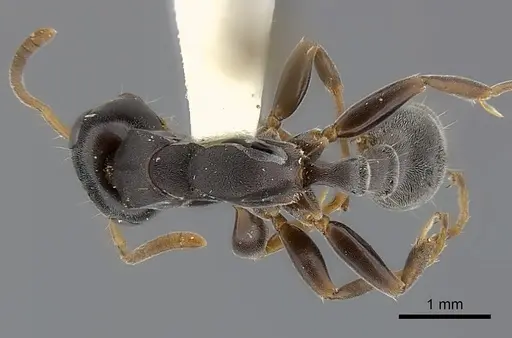
CASENT0902820
View on AntWeb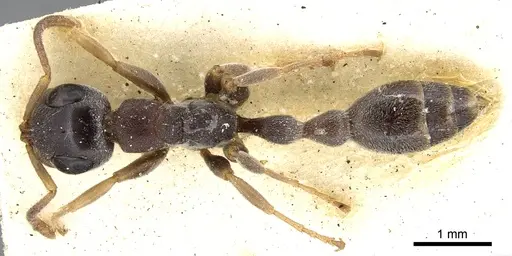
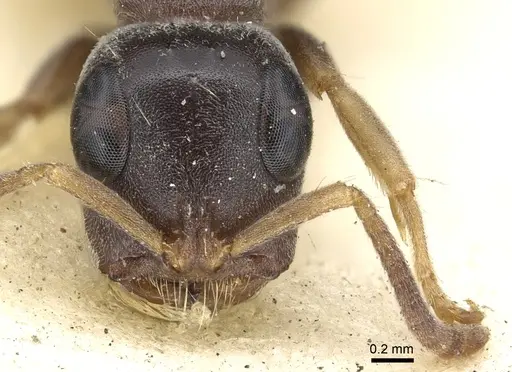
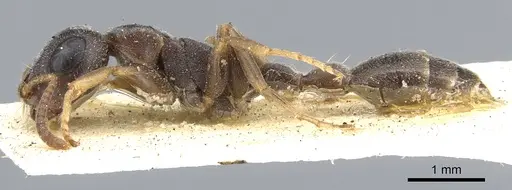
CASENT0907448
View on AntWeb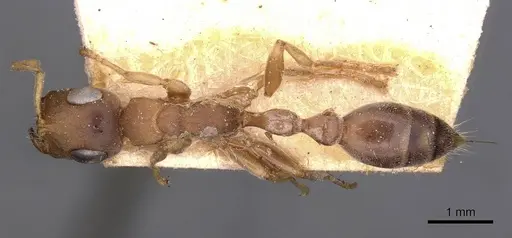
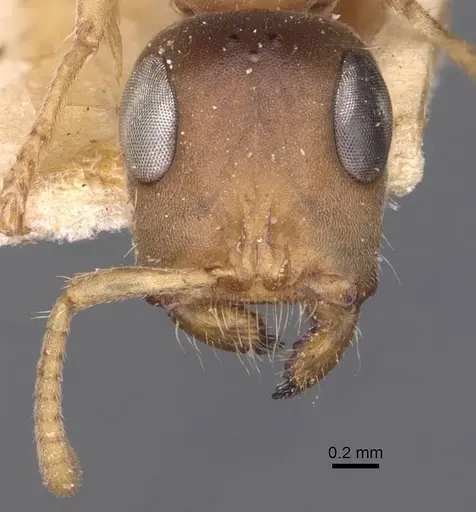
FOCOL1163
View on AntWeb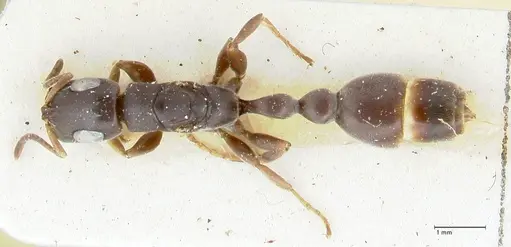
FOCOL1164
View on AntWeb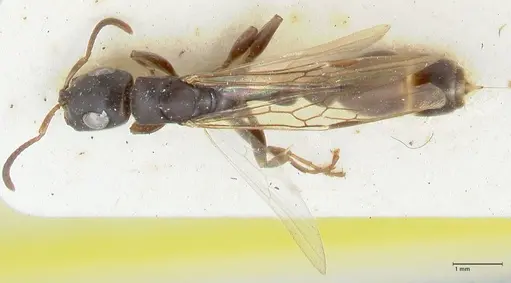
FOCOL1165
View on AntWeb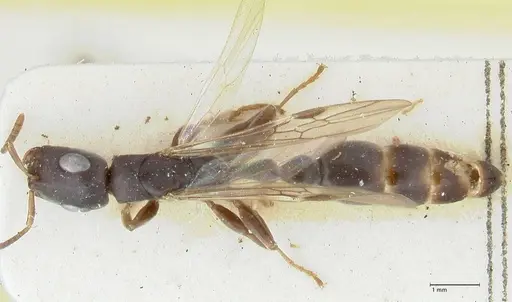
Literature
Loading distribution map...Loading products...