
Tetraponera ophthalmica
- Sci. Name
- Tetraponera ophthalmica
- Tribe
- Pseudomyrmecini
- Subfamily
- Pseudomyrmecinae
- Author
- Emery, 1912
- Distribution
- Found in 9 countries
Introduction
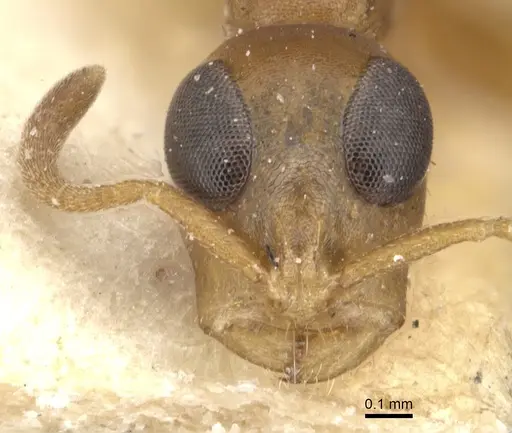
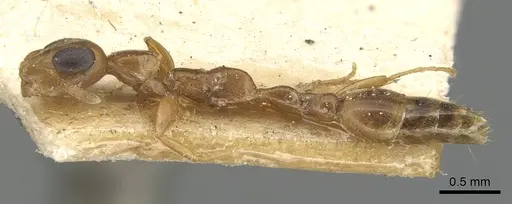
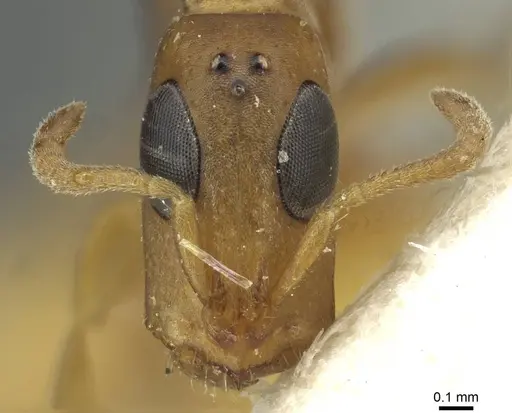
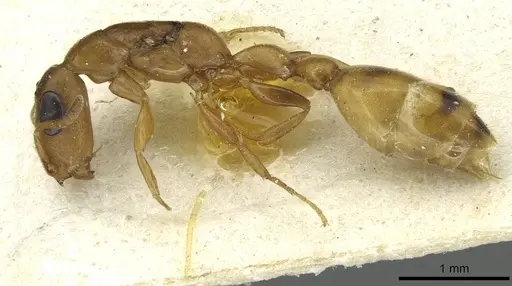
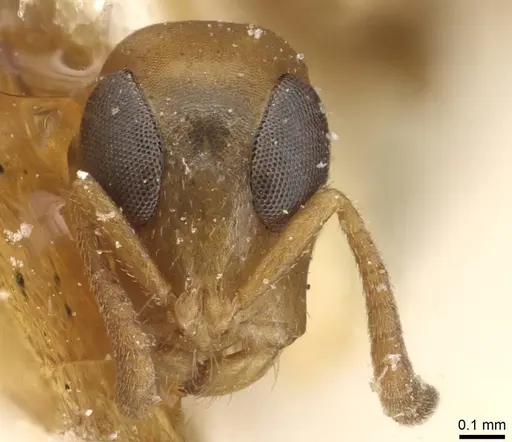
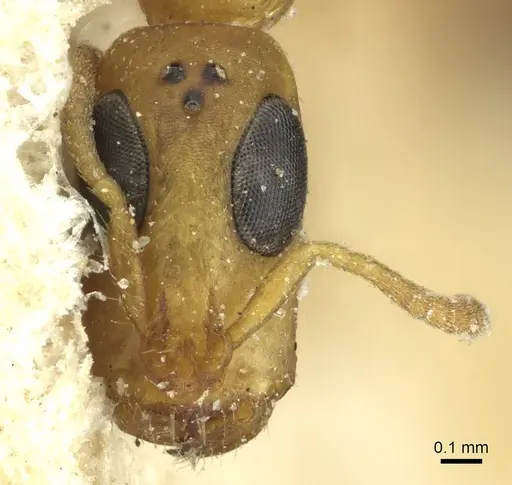
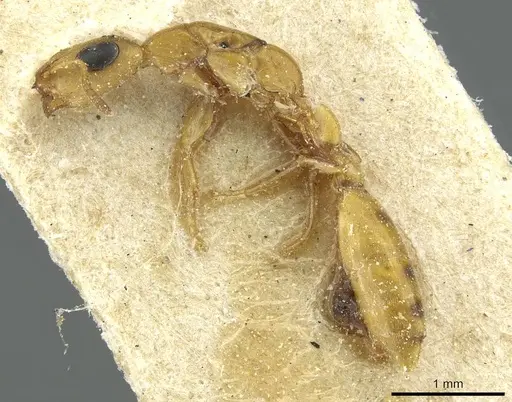
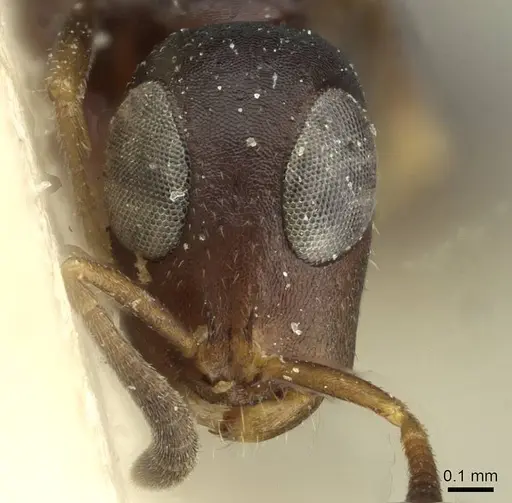
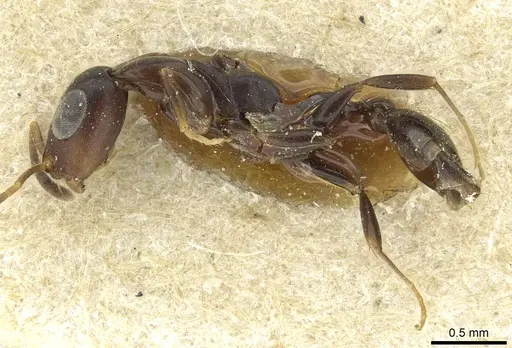
Tetraponera ophthalmica is a small arboreal ant species from West and Central Africa, ranging from Ghana and Nigeria east to Kenya . Workers are very small, among the smallest in the genus, with a slender, elongated body and disproportionately large eyes . They are usually pale yellow to yellowish-brown, sometimes much darker . This species is a generalist inhabitant of dead twigs in high-rainfall forest areas, nesting arboreally . Unlike some related ants, they are not attracted to bait stations and show no observable feeding behavior at baits in field studies .
Quick Summary
- Difficulty: Medium
- Origin & Habitat: West and Central Africa (Cameroon, CAR, DRC, Equatorial Guinea, Gabon, Ghana, Guinea, Kenya, Nigeria, Uganda) in high-rainfall forest areas, nesting in dead twigs [1][2]
- Colony Type: Colony structure is not well documented in scientific literature. As a member of Pseudomyrmecinae, they likely form moderate-sized colonies in dead twig nests.
- Size & Growth:
- Queen: Not documented in available literature
- Worker: Size data unavailable – workers are very small (among the smallest Tetraponera) with head width about 0.5–0.6 mm [1]
- Colony: Unknown – likely moderate based on related species
- Growth: Unknown – likely moderate
- Development: Estimated 6–8 weeks based on genus patterns for tropical Pseudomyrmecinae (Development timeline is not directly studied for this species – estimates based on related arboreal ants in the subfamily)
- Antkeeping:
- Temperature: Keep at 24–28°C – these are tropical arboreal ants from African forests. Provide a gentle gradient [1].
- Humidity: Moderate to high – nest substrate should be kept damp but not waterlogged. They inhabit areas of high rainfall, so good ventilation is needed to prevent mold [1].
- Diapause: No – as a tropical species, they require consistent warmth year-round [1].
- Nesting: In nature they nest in dead twigs [1]. Use a small formicarium with tight, narrow chambers scaled to their tiny size. Y-tong (AAC) nests, plaster nests, or 3D-printed nests with small cavities work well. Avoid large open spaces they cannot navigate easily. A test tube setup works for founding.
- Behavior: These are relatively docile ants, but they do have a functional sting (like all Pseudomyrmecinae) and will use it if threatened. Their main defense is likely fleeing. Workers are not aggressive and are not known to attack when handled gently. They have excellent vision from their large eyes. Field studies show they nest in focal trees but are not attracted to baits [3][4], suggesting specialized foraging. They are poor escape artists despite their tiny size – fine mesh and tight seals are mandatory. Arboreal, so they need vertical space or a nest that mimics twigs.
- Common Issues: tiny size means escape prevention must be excellent – they can slip through gaps smaller than 0.5 mm, not well-studied in captivity – care recommendations are based on genus patterns and field observations, they may not accept standard ant baits – live prey and experimentation may be needed, arboreal nature requires vertical space or twig-like nesting structures, wild-caught colonies may have parasites – quarantine and observe before introducing to permanent setup
Housing and Nest Setup
Tetraponera ophthalmica naturally nests in dead twigs [1], so your setup should mimic this. Use a small formicarium with tight, narrow chambers – Y-tong (AAC) nests, plaster nests, or 3D-printed nests with small cavities work well. Avoid large open spaces where these tiny ants might get lost or struggle to navigate. A test tube setup with a water reservoir works for founding colonies. Provide a vertical or angled orientation to imitate a twig. Good ventilation is important to prevent mold in the humid conditions they need [1].
Feeding and Diet
Field studies show that Tetraponera ophthalmica is not attracted to bait stations [3][4], suggesting specialized foraging preferences. Offer small live prey like fruit flies, springtails, and other micro-arthropods. You can also try honey water or sugar water, though acceptance may vary. Feed small amounts every few days and remove uneaten prey to prevent mold. Experimentation is key – your colony may accept certain foods that others reject.
Temperature and Climate Control
As a tropical species from high-rainfall areas of Africa, Tetraponera ophthalmica needs warm, stable temperatures [1]. Aim for 24–28°C. Room temperature may be sufficient if your home stays in this range, otherwise use a gentle heat mat on one side of the nest to create a gradient. Avoid hot spots and cold drafts. They do not require hibernation – keep them active year-round [1].
Behavior and Colony Dynamics
Tetraponera ophthalmica are relatively docile but do have a functional sting like other Pseudomyrmecinae. They are not aggressive and will usually flee rather than fight. Workers have large eyes suited for arboreal life. They nest in dead twigs in the forest canopy [3][4] and are not attracted to baits. Their gliding behavior was tested but not confirmed due to weather conditions [5]. Colonies are likely small to moderate in size. They are not commonly kept in captivity, so patience is needed to learn their specific habits.
Escape Prevention
Because workers are extremely small (head width ~0.5 mm), they can fit through very tiny gaps. Use fine metal mesh on all ventilation holes. Ensure lids seal tightly and use a barrier like fluon or PTFE on any surfaces they might climb. Check tubing connections and seal any gaps with cotton or silicone. A well-sealed small formicarium or test tube setup is much safer than a large, insecure enclosure. [1]
Acclimation and Handling
When you first get a colony (wild-caught or from another keeper), give them time to settle. This species is not commonly kept, so they may be more sensitive to disturbance than typical pet ants. Avoid frequent nest inspections, especially during founding. Watch for signs of parasites if the colony is wild-caught. Be patient with feeding experiments – they may need weeks to accept new foods. Once established, they are low-maintenance as long as temperature and humidity are stable.
Frequently Asked Questions
How long does it take for Tetraponera ophthalmica to produce first workers?
The exact timeline is not documented for this species. Based on typical Pseudomyrmecinae patterns for tropical arboreal ants, expect around 6–8 weeks from egg to first worker at optimal temperature (24–28°C). This is an estimate.
Can I keep Tetraponera ophthalmica in a test tube setup?
Yes, a test tube setup works well for founding colonies. They naturally nest in narrow dead twigs, so a test tube with a water reservoir provides appropriate humidity. Move them to a proper formicarium when the colony outgrows the tube (several dozen workers).
What do Tetraponera ophthalmica ants eat?
They are generalists but field studies show they ignore baits [3][4]. Offer small live prey like fruit flies and springtails. You can also try honey water. Their exact preferences are unknown, so experimentation is needed.
Do Tetraponera ophthalmica ants sting?
Yes, like all Pseudomyrmecinae they have a functional sting, but they are not aggressive. They will only sting if handled roughly or trapped. Their first reaction is to flee.
Are Tetraponera ophthalmica good for beginners?
This species is rated Medium difficulty. They are not aggressive, but their tiny size makes escape prevention tricky, and their specific needs (warmth, humidity, specialized feeding) are less documented. Better for keepers with some antkeeping experience.
Do Tetraponera ophthalmica need hibernation?
No. As a tropical species, they need consistent warmth (24–28°C) year-round. They will remain active if kept warm.
How big do Tetraponera ophthalmica colonies get?
Colony size is not well documented. Based on related Tetraponera, they likely form moderate-sized colonies (hundreds of workers rather than thousands).
When should I move Tetraponera ophthalmica to a formicarium?
Move them when the test tube setup becomes limiting – typically when the colony has several dozen workers and you see significant brood piles. Choose a nest with small chambers, Y-tong (AAC) or plaster works well.
Why are my Tetraponera ophthalmica not coming to bait?
This is normal. Field studies show they ignore baits [3][4]. Try offering live prey instead of baits, and be patient – they may have specialized feeding preferences.
What is the best nest type for Tetraponera ophthalmica?
A small formicarium with tight, narrow chambers scaled to their tiny size. Y-tong (AAC), plaster, or 3D-printed nests with small cavities work well. They naturally nest in dead twigs, so narrow passages and good humidity are ideal.
Report an Issue
The current care sheet is based fully on literature. See inconsistencies, or something that's incorrect? Please , it will be resolved after review from an admin. Contributing to the blogs tab also helps providing information, to make us be able to further improve the caresheets. Thank you for your support!
References

This caresheet is licensed under CC BY-SA 4.0 .
Community Blogs
CASENT0087124
View on AntWeb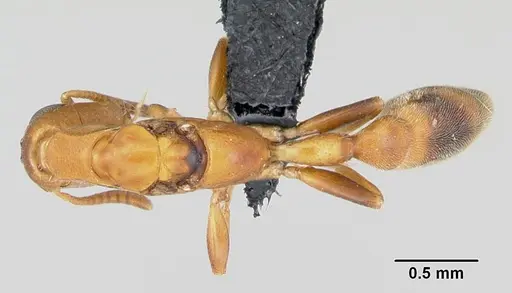
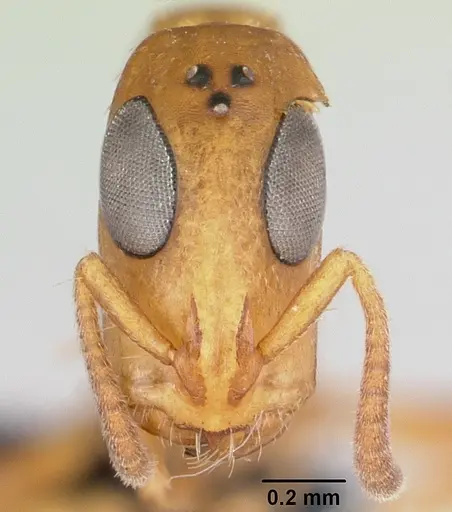
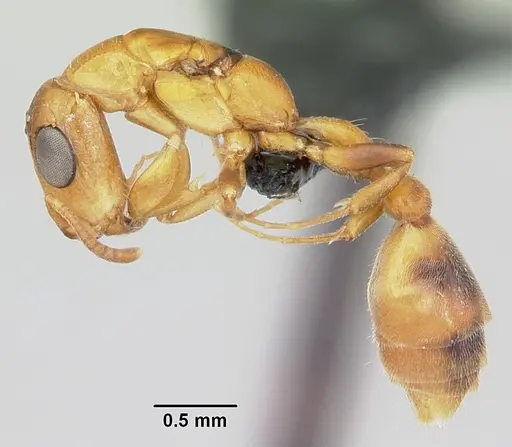
CASENT0091649
View on AntWeb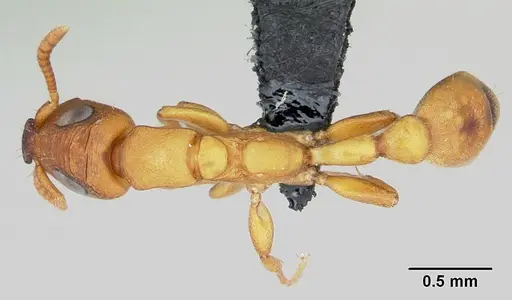
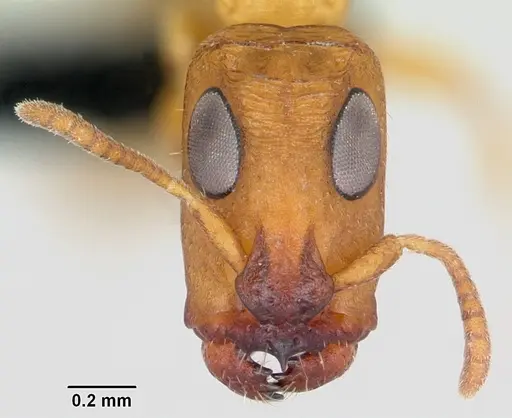
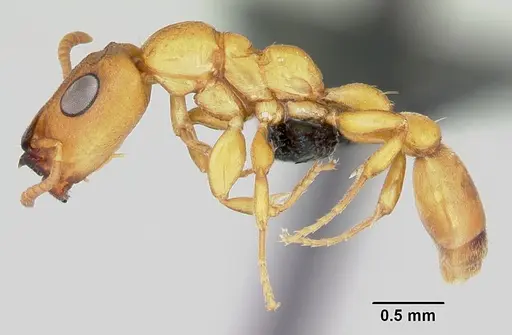
CASENT0172623
View on AntWeb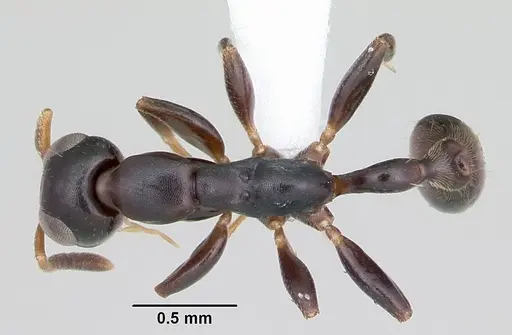
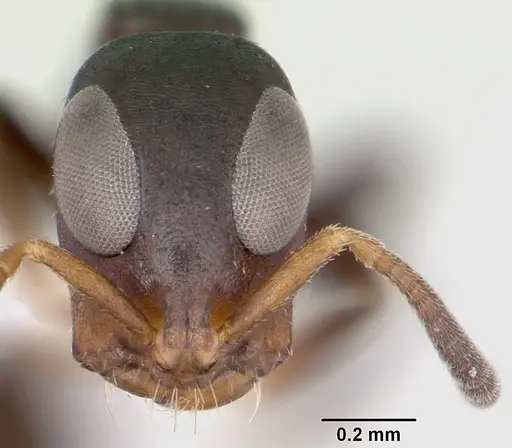
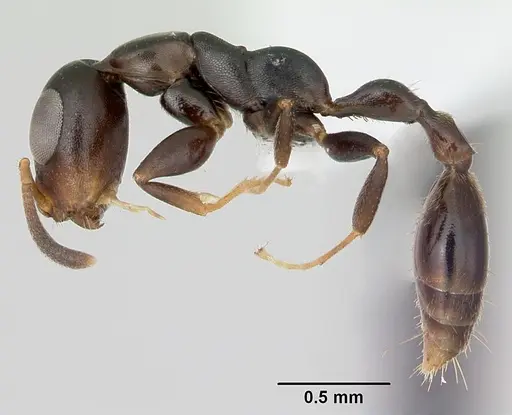
CASENT0178282
View on AntWeb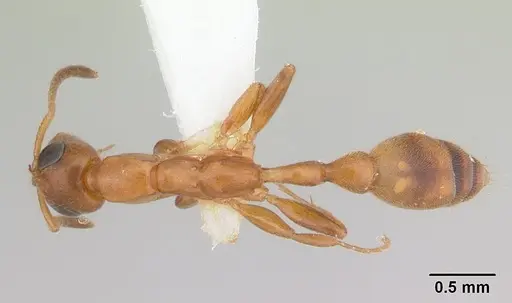
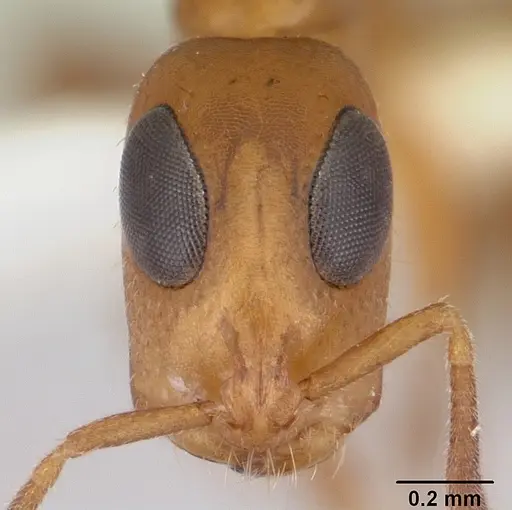
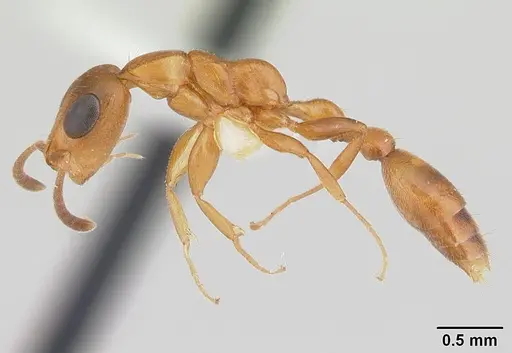
CASENT0904035
View on AntWeb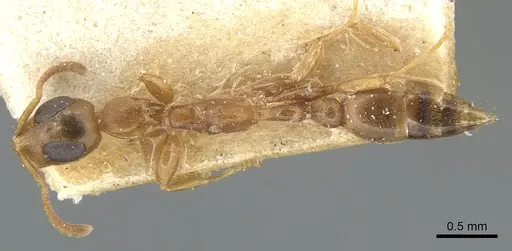
CASENT0913721
View on AntWeb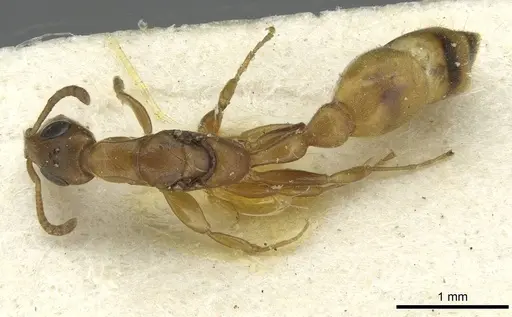
CASENT0915535
View on AntWeb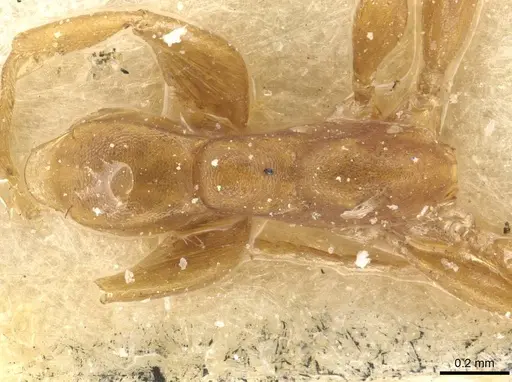
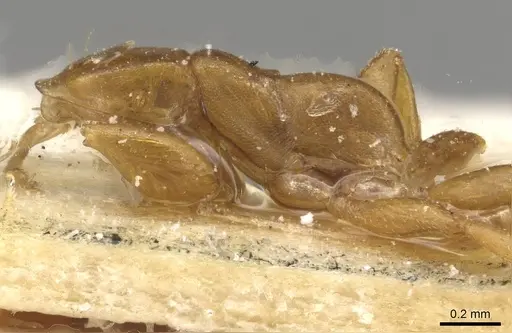
CASENT0915537
View on AntWeb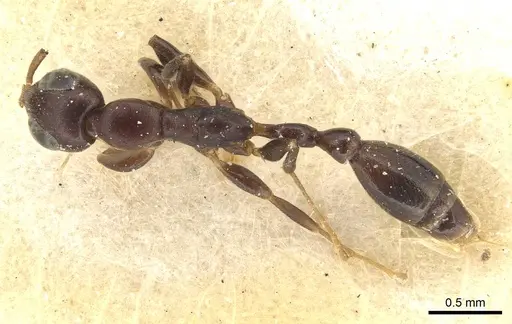
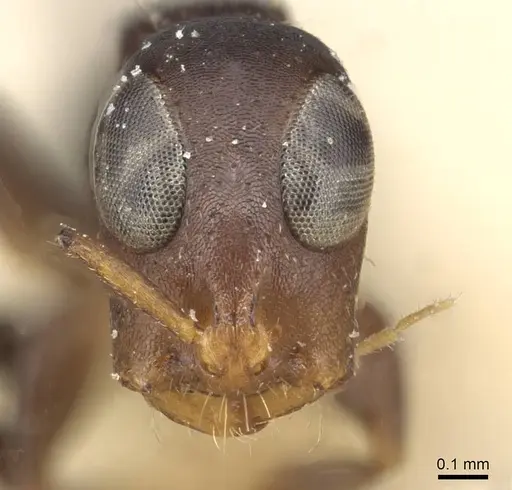
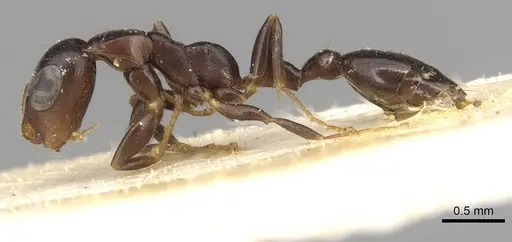
RMCAENT000017747
View on AntWeb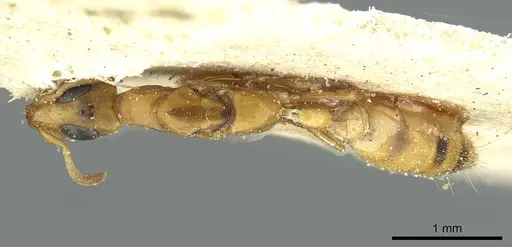
RMCAENT000017748
View on AntWeb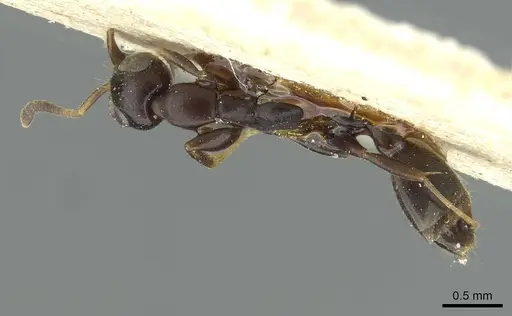
Literature
Loading distribution map...Loading products...