
Tetraponera nitida
- Sci. Name
- Tetraponera nitida
- Tribe
- Pseudomyrmecini
- Subfamily
- Pseudomyrmecinae
- Author
- Smith, 1860
- Distribution
- Found in 9 countries
Introduction
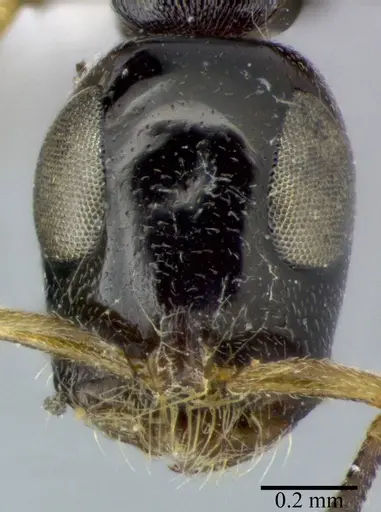
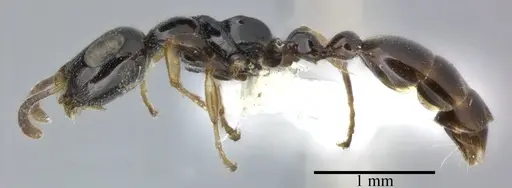
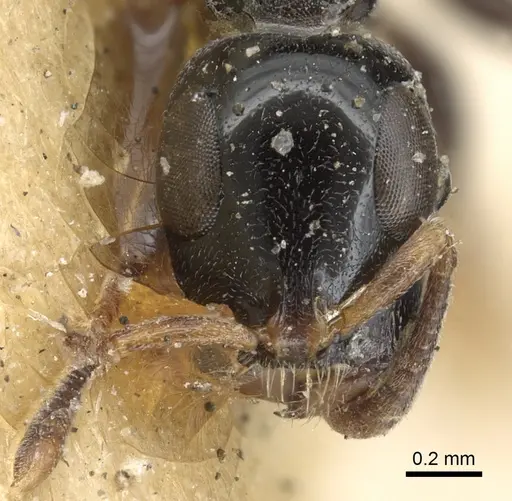
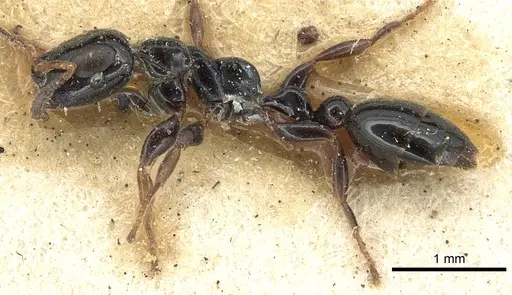
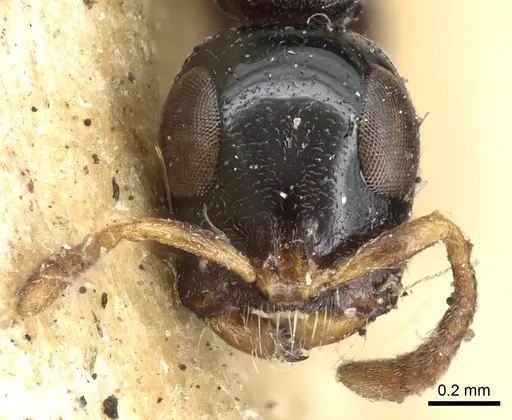
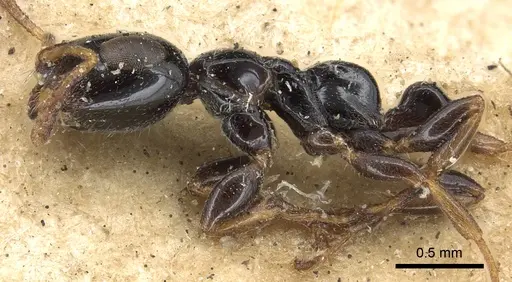
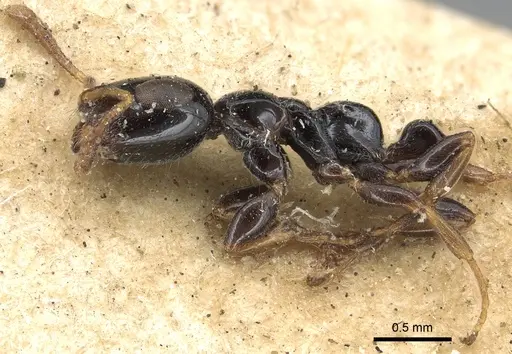
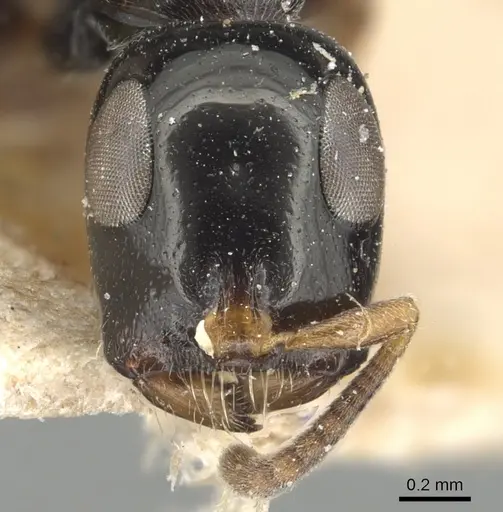
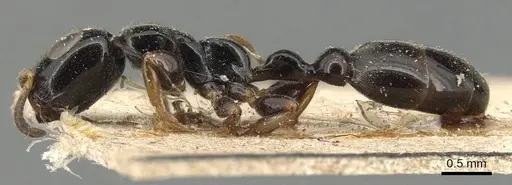
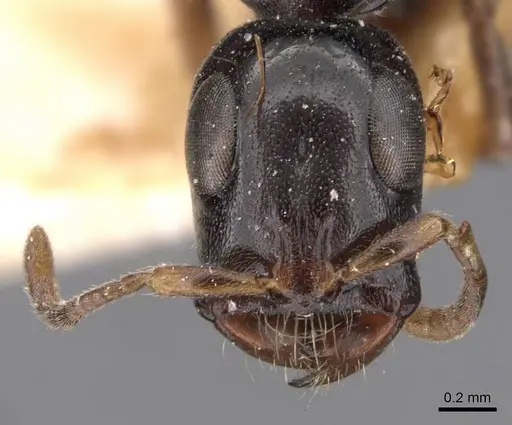
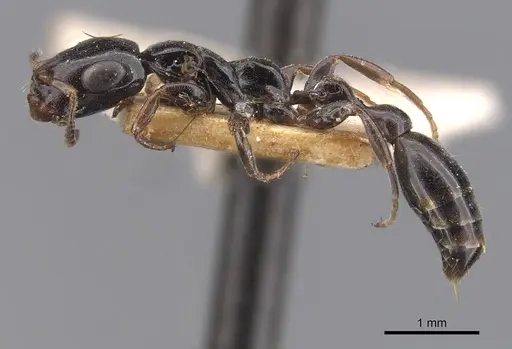
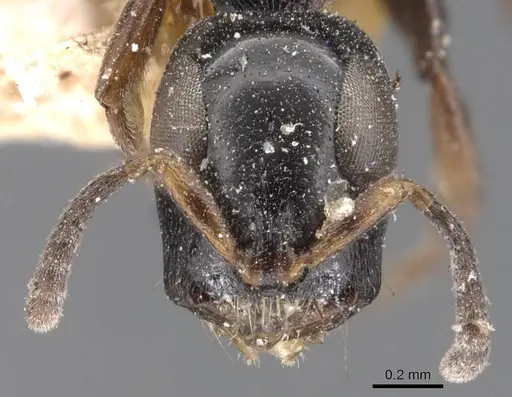
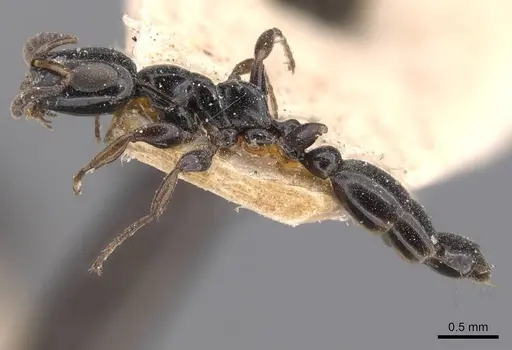
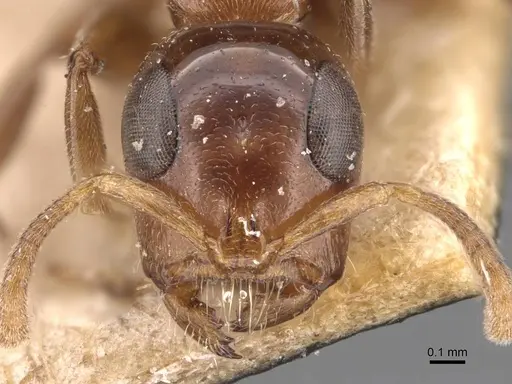
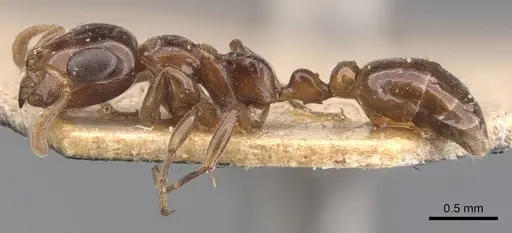
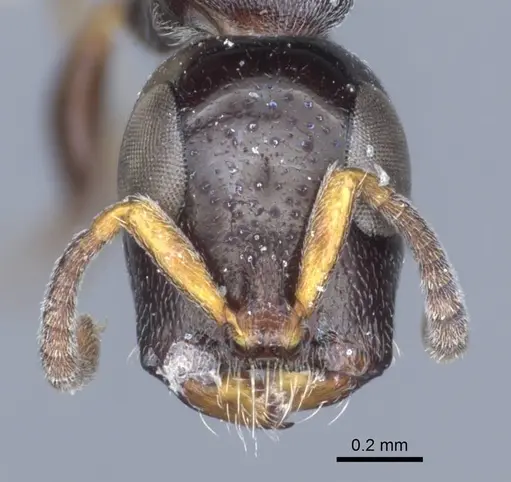
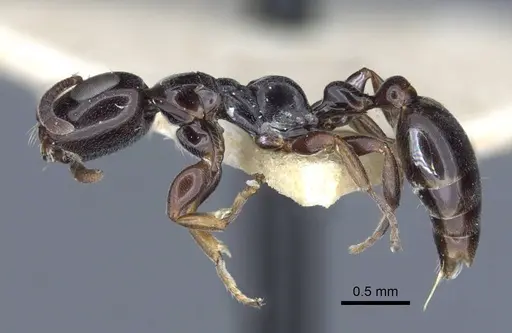
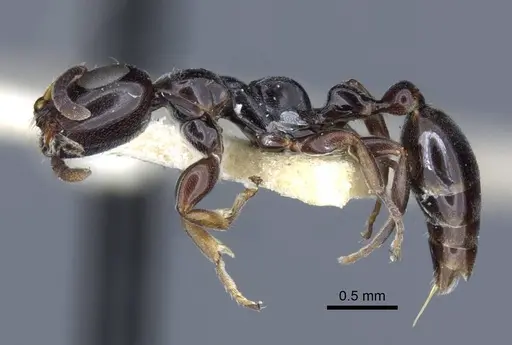
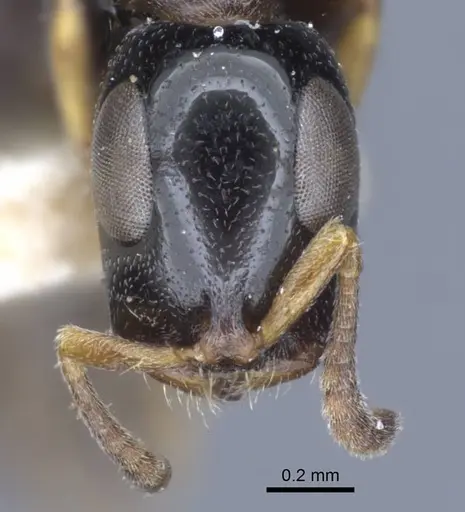
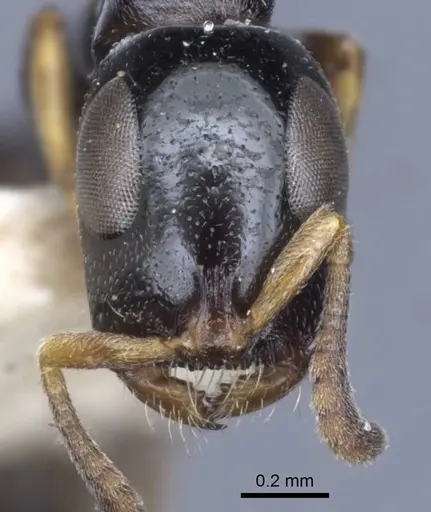
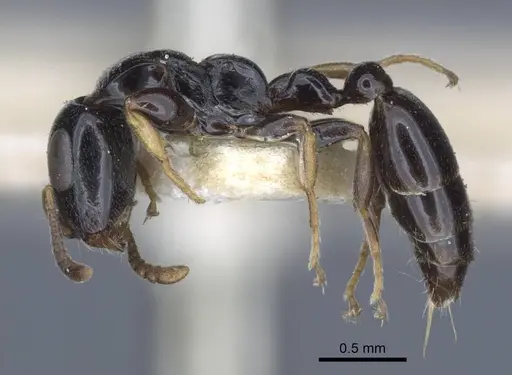
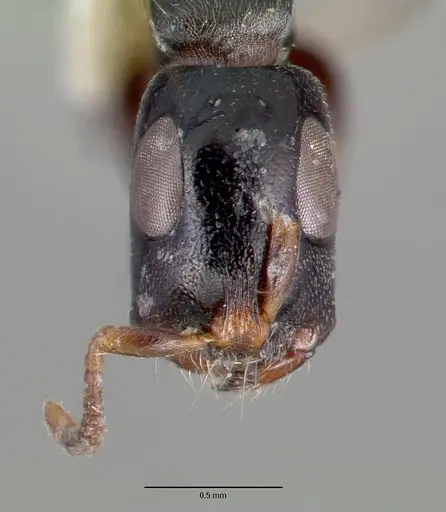
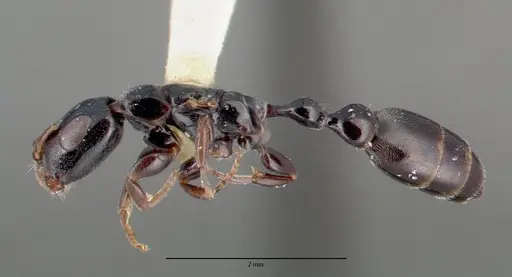
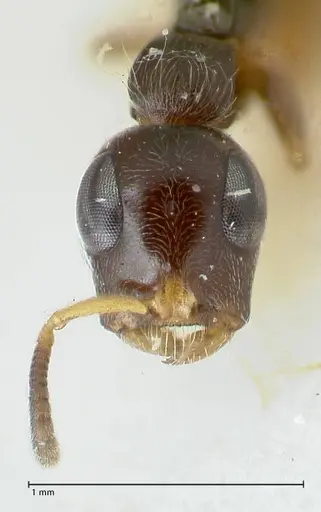
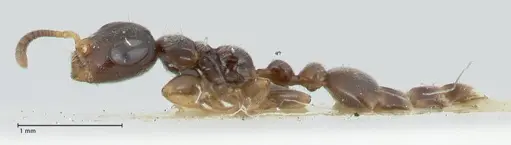
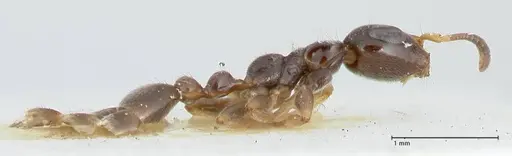
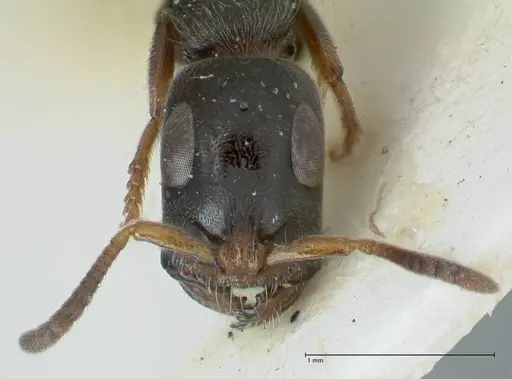
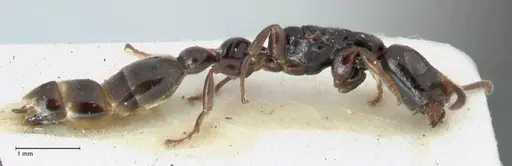
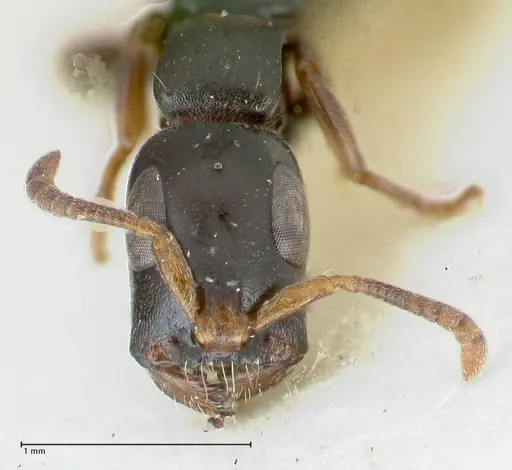
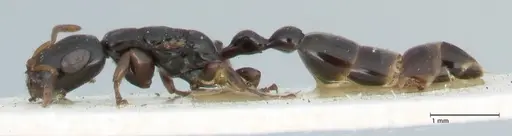
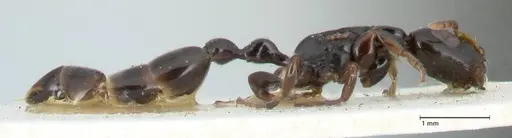
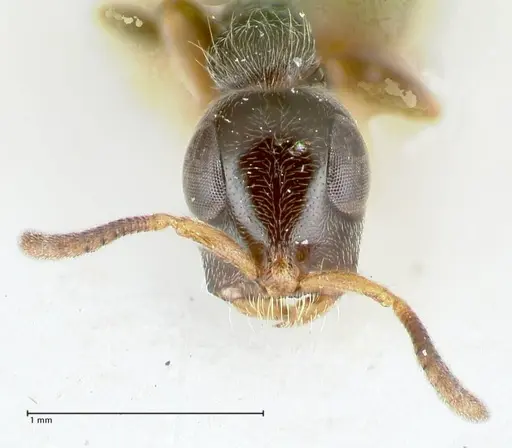
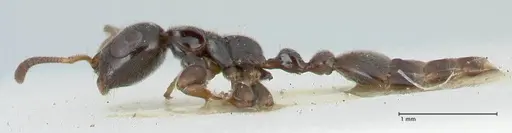
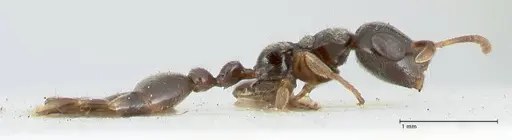
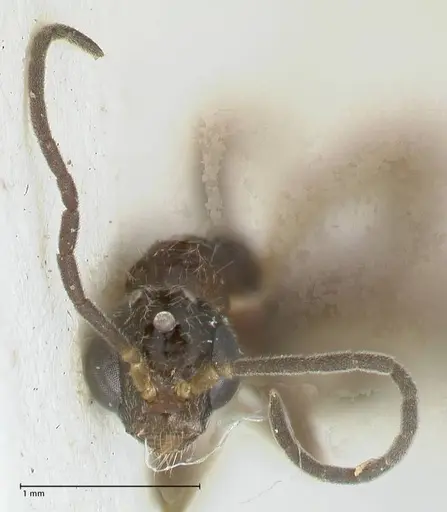
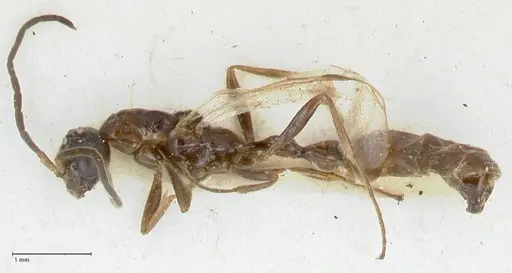
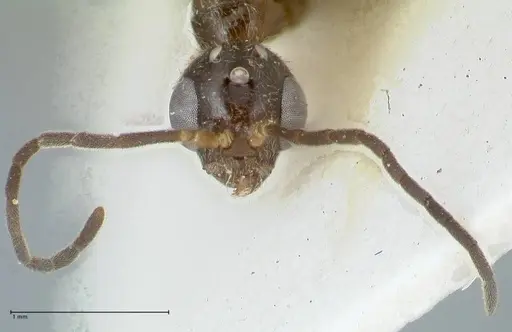
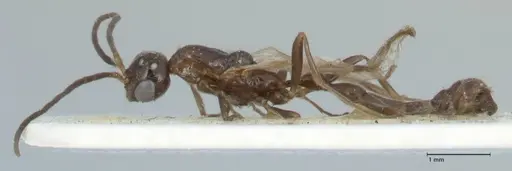
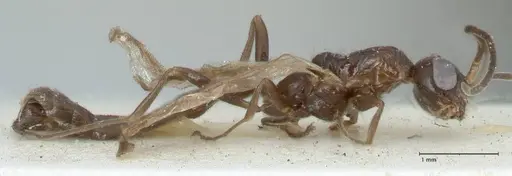
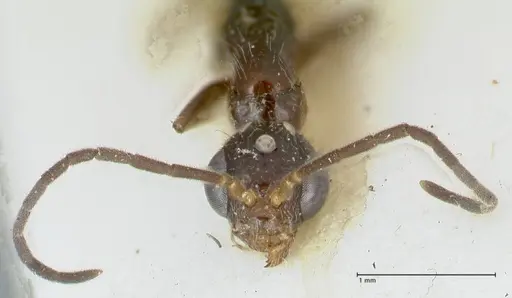
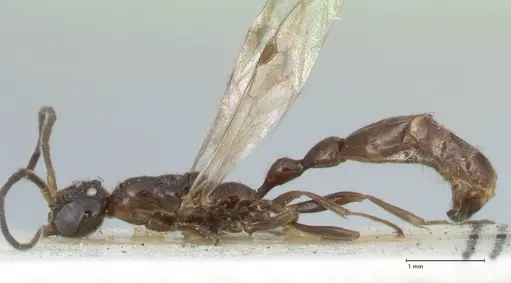
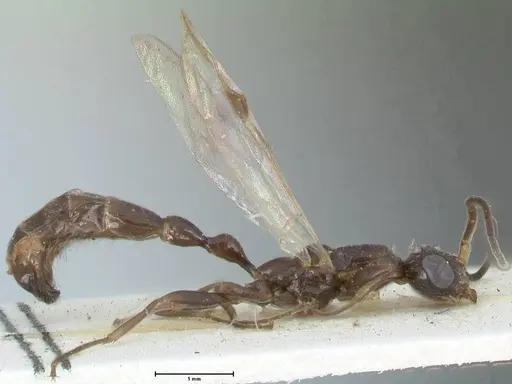
Tetraponera nitida is a small, jet-black, shiny ant from the subfamily Pseudomyrmecinae. Workers measure about 2.6 mm in total length , with large eyes that span roughly half the head length, giving them excellent vision . The body is smooth and glossy, and the petiole has small ventral teeth . This species is a generalist twig-nesting ant with an unusually wide distribution, from India and southern China through Southeast Asia and Indonesia to Papua New Guinea and northern Australia . It inhabits dead twigs and stems of many plant species, including mangroves, rainforest trees, and coastal shrubs . Its adaptability to different habitats likely explains its broad range.
Quick Summary
- Difficulty: Medium
- Origin & Habitat: Indomalayan to Australasian region: India to southern China, south to Indonesia, Papua New Guinea, and northern Australia. Nests in dead twigs of diverse plants (mangroves, rainforest, littoral vegetation, eucalyptus savanna, monsoon forest) [3].
- Colony Type: Colony structure is not documented in literature. Based on typical Tetraponera patterns, likely single-queen (monogyne) with moderate colony size, but this is unconfirmed.
- Size & Growth:
- Queen: Unavailable in literature, inferred from worker size, probably around 3-4 mm.
- Worker: ~2.6 mm total length [1]
- Colony: Unknown, no specific colony size estimates published.
- Growth: Unknown, no data on colony growth speed.
- Development: Unknown, development time not studied for this species. (As a tropical species, development likely occurs continuously under warm conditions, but exact timing is unconfirmed.)
- Antkeeping:
- Temperature: Keep at 24-28°C, typical for tropical species. Avoid prolonged exposure below 20°C. Stable warmth (room temperature in heated homes) is usually sufficient.
- Humidity: Provide a moist nest environment: use a test tube with damp cotton or a Y-tong nest with slightly moist substrate. Avoid waterlogging but maintain some humidity in the nest cavity.
- Diapause: No, tropical species, remains active year-round. No hibernation needed.
- Nesting: Arboreal, nests in hollow twigs. In captivity, use test tubes with inserted twigs or small Y-tong nests with narrow chambers. Avoid large, open spaces. They prefer tight, enclosed cavities.
- Behavior: Pseudomyrmecinae have a functional sting and are known to aggressively defend their nest and host plants against threats. However, based on field observations, Tetraponera nitida may also flee if disturbed. Their small size makes escape prevention critical, use fine mesh (≤0.5 mm) and seal all gaps.
- Common Issues: escape prevention is critical due to their tiny size, use fine mesh and tight-fitting lids., arboreal nesting requires small, twig-like structures, standard formicaria may be too large., founding biology is unknown, so raising a queen from scratch is speculative., limited captive care data means some trial and error is expected.
Appearance and Identification
Workers are small, about 2.6 mm long, and entirely jet-black with a smooth, shiny exoskeleton [1][2]. The eyes are very large, roughly half the head length, and the mandibles and antennae are pale brownish [1]. The petiole has a pair of small, sharp ventral teeth, a distinguishing feature of the species [2]. This ant belongs to the Tetraponera nigra group, characterized by robust mandibles with 4-5 teeth and a short scape [4].
Distribution and Habitat
Tetraponera nitida has one of the broadest ranges in its genus: from India and southern China, through Southeast Asia, Indonesia, and the Philippines, to Papua New Guinea and northern Australia [3]. It nests in dead twigs and stems of many plants, including mangroves (Avicennia, Rhizophora), rainforest trees (Chionanthus, Gnetum), and coastal shrubs (Hibiscus, Premna) [3]. Habitats range from mangrove swamps and rainforest to dry Eucalyptus woodland and savanna, showing high ecological tolerance [3].
Biology and Behavior
These ants are active foragers that likely rely on vision (large eyes) and chemical cues. They are arboreal and tend to flee rather than fight, but when cornered they can deliver a mild sting. The digestive tract has a specialized bacterial pouch at the midgut-intestine junction, containing symbiotic bacteria of unknown function [5]. This structure is unique to Tetraponera and may aid in nutrient processing.
Housing in Captivity
Because they naturally inhabit hollow twigs, provide small, enclosed nests: test tubes with a twig insert, or small Y-tong nests with narrow chambers (e.g.,5-8 mm wide). Avoid large formicaria, they cause stress. Use a small outworld for feeding. Escape prevention is paramount: use very fine mesh (≤0.5 mm) on ventilation holes and seal all joints with a non-toxic barrier like fluon. Their tiny size means even the smallest gap is an escape route. [3]
Feeding
In the wild, Tetraponera species consume honeydew from sap-sucking insects and small arthropods. In captivity, offer constant access to sugar water (1:4 sugar/water) and provide small protein sources like fruit flies, pinhead crickets, or tiny mealworms two to three times per week. Remove uneaten prey after 24 hours to prevent mold. Fresh water should always be available in a test tube or cotton-plugged bottle. [3]
Frequently Asked Questions
Can I keep Tetraponera nitida in a test tube?
Yes, test tubes work well, especially with a small twig or stem inserted to mimic their natural nest. Use a tight cotton plug and consider a secondary barrier to prevent escape.
How long does it take for Tetraponera nitida to produce first workers?
Development time is unknown, no studies exist for this species. Based on tropical pseudomyrmecines, a rough estimate would be 6-8 weeks, but this is speculation.
Do Tetraponera nitida ants sting?
Yes, they have a functional sting typical of Pseudomyrmecinae. However, they are not aggressive and generally flee. If stung, the effect is mild due to their small size.
Are Tetraponera nitida good for beginners?
They are rated medium difficulty. Their tiny size makes escape prevention a challenge, and their arboreal nesting needs specific setups. They require patience as colony growth is slow and lacking husbandry data. Beginners may find other species easier.
What do Tetraponera nitida eat?
They accept sugar water (honey water is fine) and small live or dead insects like fruit flies, micro crickets, or termites. Provide protein twice per week and remove leftovers the next day.
How big do Tetraponera nitida colonies get?
Colony size is not documented. Related Tetraponera species often have several dozen to a few hundred workers, but for nitida this is unknown.
Do Tetraponera nitida need hibernation?
No, they are tropical and remain active all year. Do not cool them for winter. Keep temperatures stable around 24-28°C.
Why are my Tetraponera nitida escaping?
Their very small size lets them slip through tiny gaps. Use 0.5 mm or finer mesh, seal all joints, and consider applying fluon or olive oil barriers. Inspect the setup regularly.
When should I move Tetraponera nitida to a formicarium?
They are comfortable in small spaces long-term. Keep them in a test tube or small twig nest until the colony clearly overflows (over 50 workers). Then move to a small Y-tong nest with narrow chambers.
Can I keep multiple Tetraponera nitida queens together?
Not recommended. The colony structure is unknown, but related species are typically monogyne. Without evidence for polygyny, treat them as single-queen and do not combine unrelated queens.
Report an Issue
The current care sheet is based fully on literature. See inconsistencies, or something that's incorrect? Please , it will be resolved after review from an admin. Contributing to the blogs tab also helps providing information, to make us be able to further improve the caresheets. Thank you for your support!
References

This caresheet is licensed under CC BY-SA 4.0 .
Community Blogs
CASENT0246307
View on AntWeb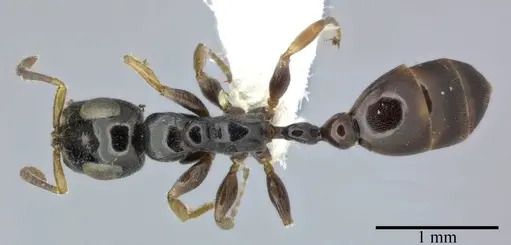
CASENT0901929
View on AntWeb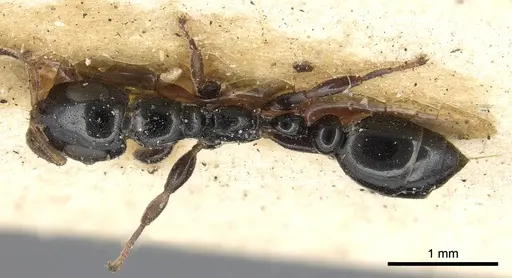
CASENT0901931
View on AntWeb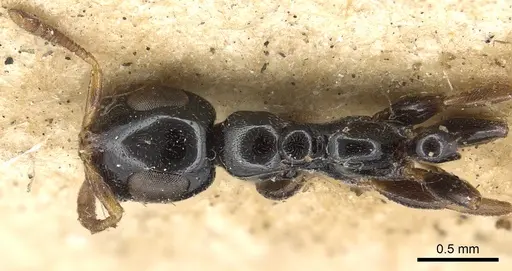
CASENT0904039
View on AntWeb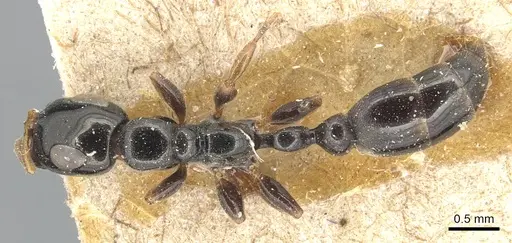
CASENT0907460
View on AntWeb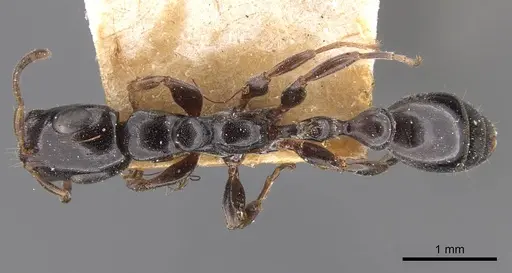
CASENT0907464
View on AntWeb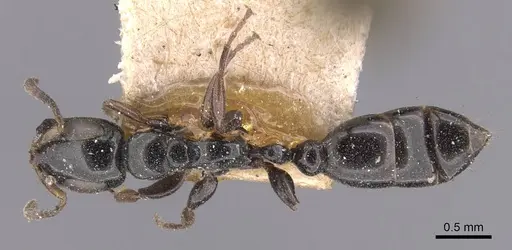
CASENT0907465
View on AntWeb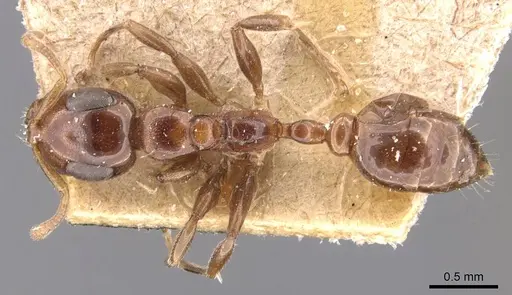
CASENT0916867
View on AntWeb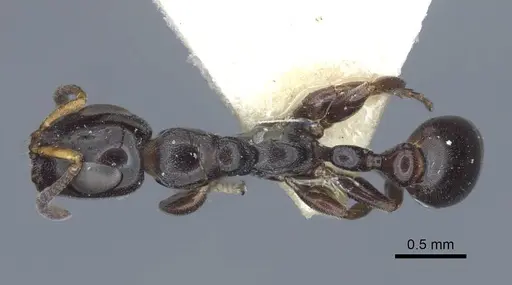
CASENT0916868
View on AntWeb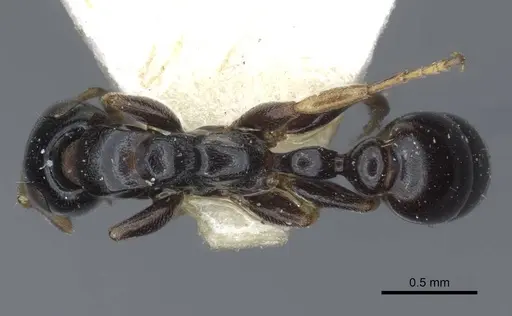
CASTYPE06947
View on AntWeb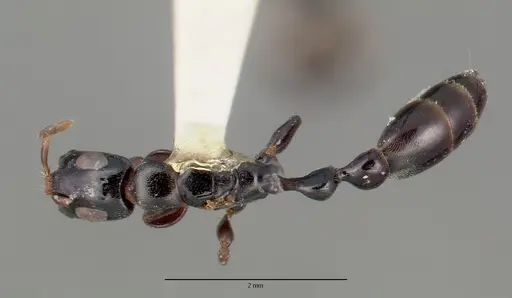
FOCOL1172
View on AntWeb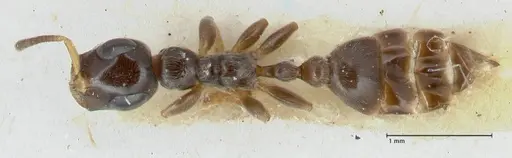
FOCOL1173
View on AntWeb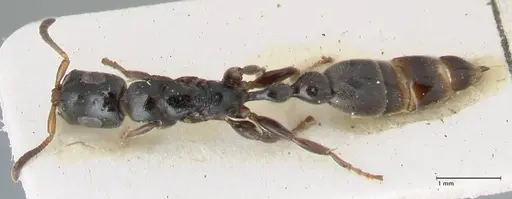
FOCOL1174
View on AntWeb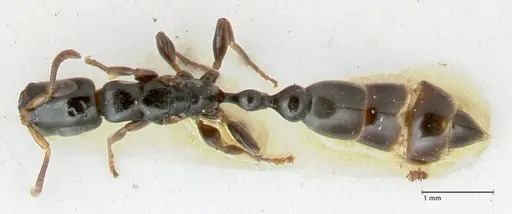
FOCOL1175
View on AntWeb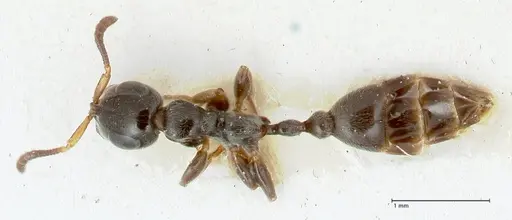
FOCOL1182
View on AntWeb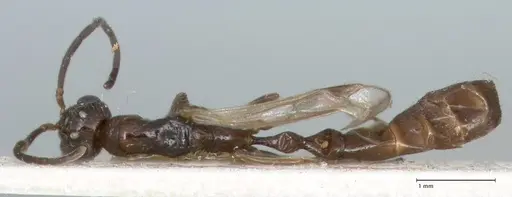
FOCOL1183
View on AntWeb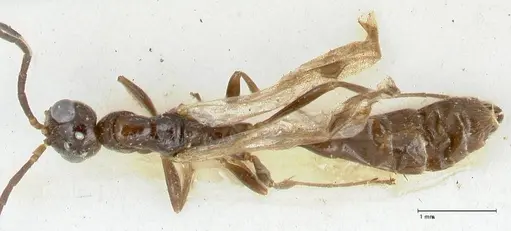
FOCOL1184
View on AntWeb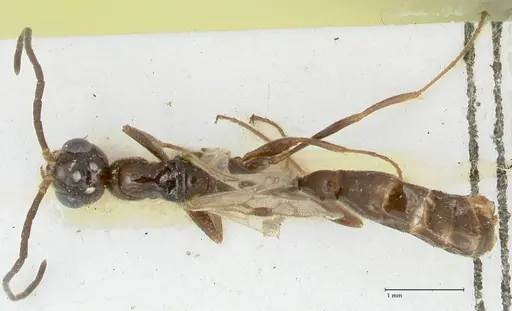
Literature
Loading distribution map...Loading products...