Tetraponera nigra shows a March to May flight window. Peak activity occurs in March and May, with nuptial flights distributed across 2 months. The concentrated timeframe makes peak months critical for sightings.

Black Slender Ant
Tetraponera nigra
- Sci. Name
- Tetraponera nigra
- Tribe
- Pseudomyrmecini
- Subfamily
- Pseudomyrmecinae
- Author
- Jerdon, 1851
- Common Name
- Black Slender Ant
- Distribution
- Found in 9 countries
- Nuptial Flight
- From March to May
- Peak flight Time
- 09:00
AI Identifiable
try →
Introduction
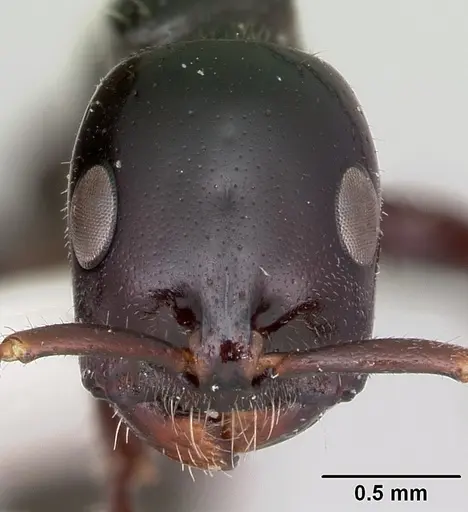
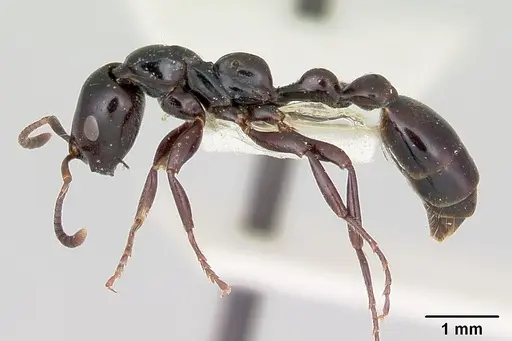
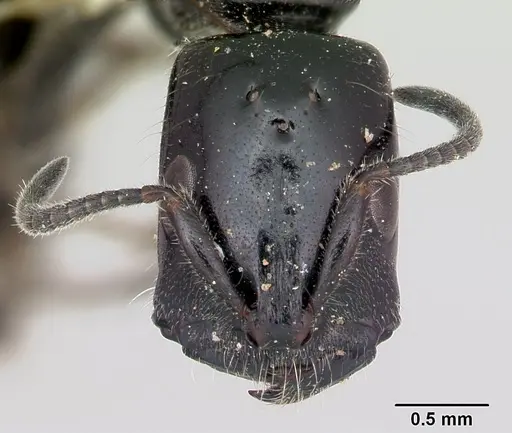
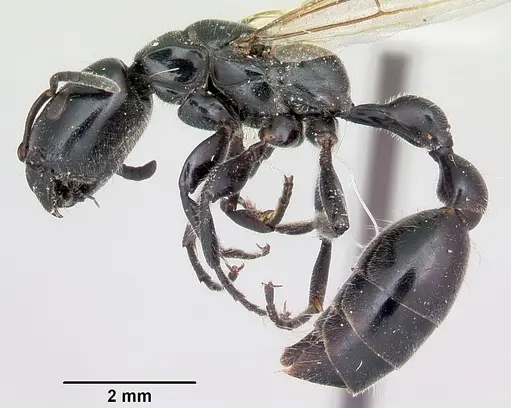
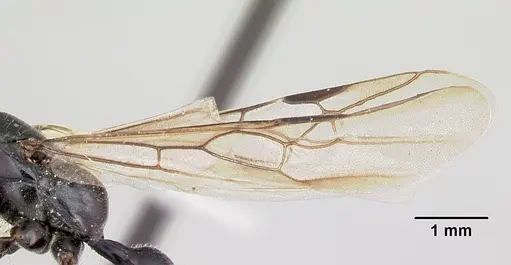
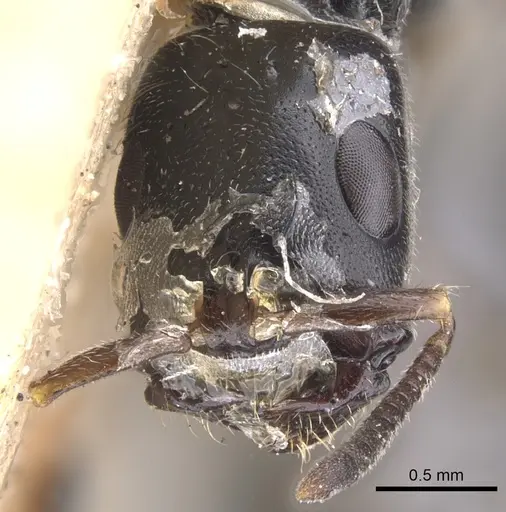
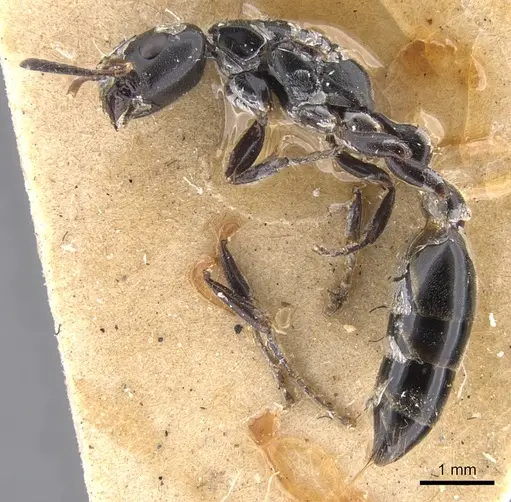
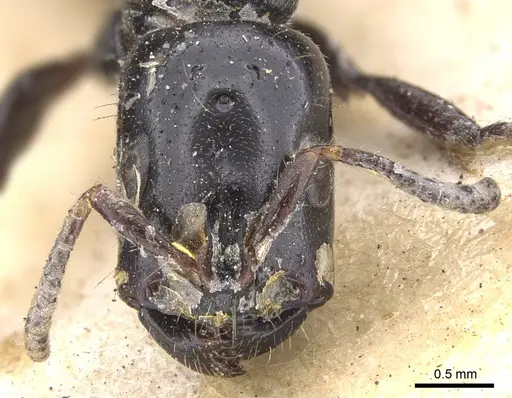
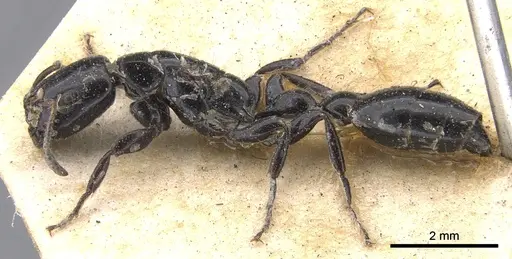
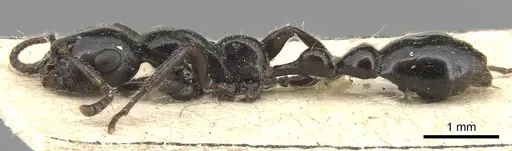
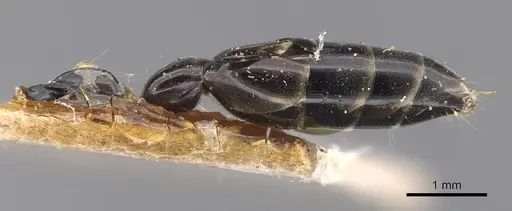
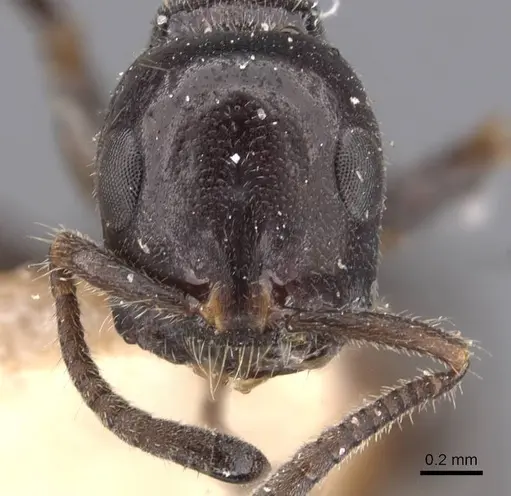
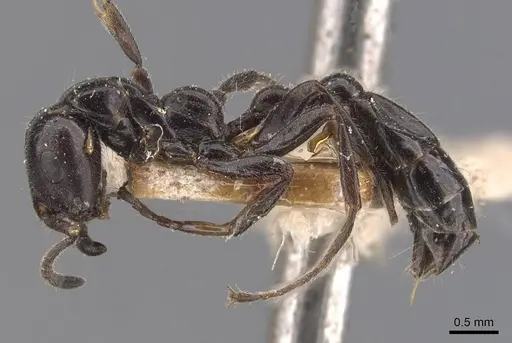
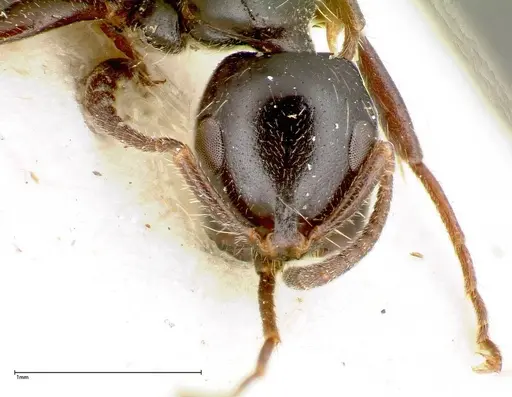
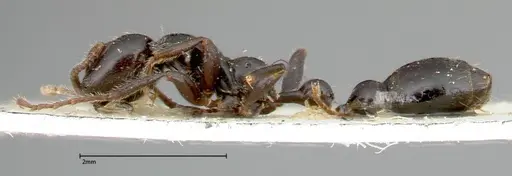
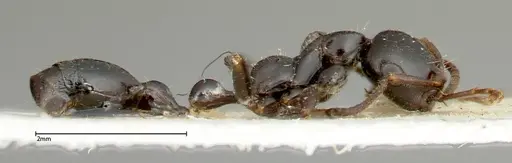
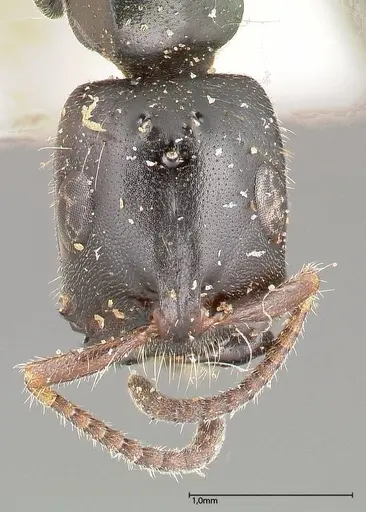
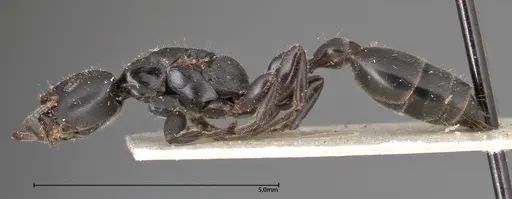
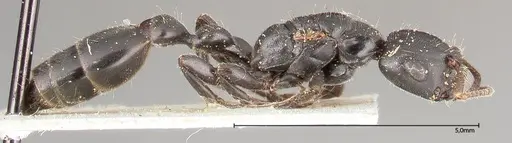
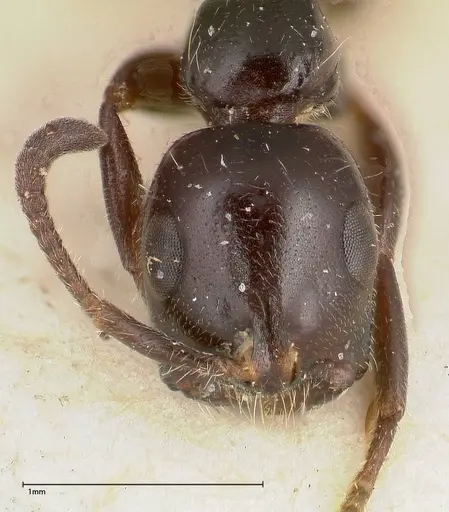
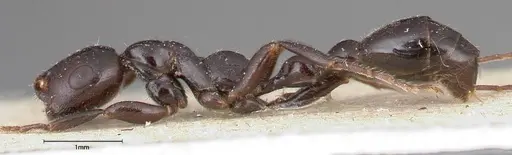
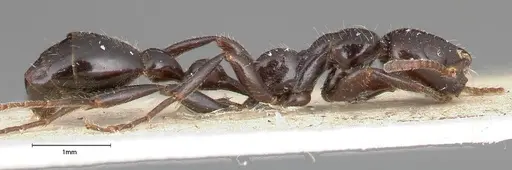
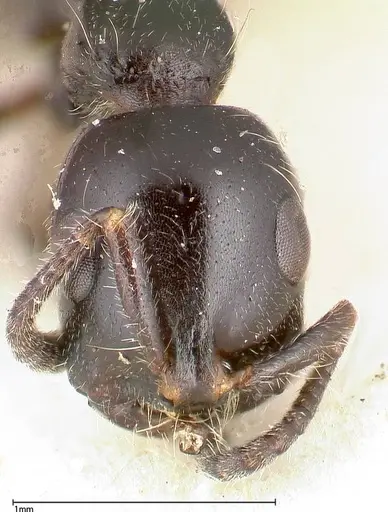
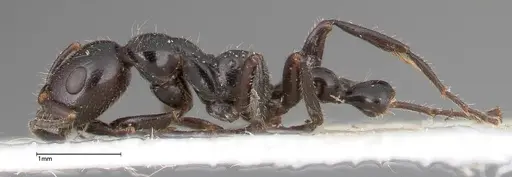
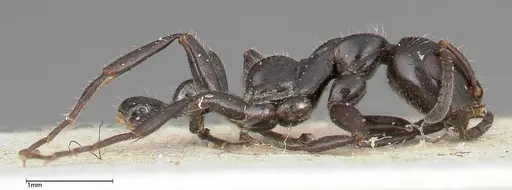
Tetraponera nigra is a relatively large, black arboreal ant from the subfamily Pseudomyrmecinae. Workers measure 7-8 mm, and the queen is about 10.1 mm . They are widely distributed across the Indomalaya region, from India and Sri Lanka through Southeast Asia to southern China . These ants live in tropical dry forests, rainforests, mangroves, and other wooded habitats, but they are highly dependent on primary forest and are not found in secondary growth or plantations . T. nigra nests in dead twigs, branches, and sometimes in live plant stems or thorns, making them facultative cavity dwellers . They possess a remarkable gut pouch filled with symbiotic bacteria that may help fix nitrogen . Interestingly, they are also mimicked by a jumping spider of the genus Salticus .
Quick Summary
- Difficulty: Medium
- Origin & Habitat: Indomalaya region: India, Sri Lanka, Bangladesh, Nepal, Pakistan, Thailand, Laos, Malaysia, Indonesia, Philippines, Borneo, and southern China. Inhabits tropical dry forest, riparian forest, semideciduous forest, rainforest, and mangroves. Strongly associated with primary forest [7][8].
- Colony Type: Unconfirmed, no published data on queen number or social structure for this species.
- Size & Growth:
- Queen: ~10.1 mm [3]
- Worker: 7-8 mm [1][2]
- Colony: Unknown, no published colony size data. Related Tetraponera species usually form moderate colonies of a few hundred workers.
- Growth: Moderate, inferred from tropical arboreal ant patterns.
- Development: Unknown, no published data. Based on related tropical pseudomyrmecines, likely 6-10 weeks at 24-28 °C. (Development speed depends on consistent warmth.)
- Antkeeping:
- Temperature: Keep at 24-28 °C year-round. As a tropical species, prolonged temperatures below 20 °C will stress or kill the colony. Use a heat mat on one side of the nest to create a gradient.
- Humidity: Keep the nest substrate consistently moist but not waterlogged. Provide a humidity gradient with drier areas so the ants can self-regulate. These ants come from humid forests.
- Diapause: No, this is a tropical species with no winter dormancy. Maintain warm conditions all year.
- Nesting: Arboreal nester. Mimic their natural habitat by providing Y‑tong (AAC), plaster, or naturalistic nests with hollow twigs, bamboo sections, or cork tubes. They prefer tight chambers and vertical climbing space. Avoid deep soil formicariums.
- Behavior: Tetraponera nigra is an aggressive species that will vigorously defend its nest, but its sting is less severe than that of some other Tetraponera [3]. Workers are active predators and also feed on extrafloral nectar [11][12][13]. They are excellent climbers, so secure enclosures with tight lids and consider barrier methods. Handle colonies with caution. Outworlds should provide vertical structures like twigs or mesh.
- Common Issues: tropical temperature requirements mean cold drafts or room temperatures below 20 °C can quickly kill the colony, arboreal nature requires vertical space, standard horizontal formicariums are unsuitable, escape prevention is critical, these are agile climbers and can fit through small gaps, aggressive temperament makes colony maintenance and feeding a stinging risk, minimize disturbances, wild‑caught colonies may carry internal parasites or pathogens, quarantine new colonies and monitor health
Nuptial Flight Activity Analysis 112 observations
Flight Activity by Hour 112 observations
Tetraponera nigra nuptial flight activity peaks around 09:00 during the morning. Activity is spread across a 12-hour window (07:00–18:00). Times may be influenced by human observation patterns.
Housing and Nest Setup
Tetraponera nigra is an arboreal species that naturally nests in hollow twigs, branches, and even live plant stems or thorns [8][14]. In captivity, Y‑tong (AAC) or plaster nests work well because they offer tight, enclosed chambers similar to plant cavities. Naturalistic setups with hollow twigs, bamboo sections, or cork tubes also mimic their wild habitat. These ants are agile climbers, so the nest and outworld should include vertical structures like twigs, mesh, or cork bark. Avoid deep soil nests, they are not ground‑dwellers. A test tube can serve as a founding nest, but once the colony grows, move them to an arboreal setup. Ensure good humidity control: the nest substrate should be moist but not saturated, and provide a dry area so the ants can self‑regulate.
Feeding and Diet
In the wild, T. nigra is a predator that hunts small insects and arthropods [11]. They also visit extrafloral nectary plants, showing they readily take sugar sources [12][13]. Feed them small live prey 2-3 times per week, such as fruit flies, pinhead crickets, or mealworms. Always keep a sugar source available, honey water, diluted nectar, or sugar water works well. Remove uneaten prey after 24-48 hours to prevent mold or mites. Young colonies need finely chopped prey, larger colonies can take bigger items. A varied diet supports healthy brood development.
Temperature and Seasonal Care
No precise temperature data exists for T. nigra, but as a tropical species it requires constant warmth. Maintain 24-28 °C and avoid dropping below 20 °C. In temperate climates, use a heating cable or mat on one side of the nest to create a gentle gradient. No hibernation or diapause is needed, keep these conditions year‑round. Signs of cold stress include lethargy, workers clustering in the warmest spot, and brood loss. Room temperature alone is often too cool unless your home stays warm.
Behavior and Temperament
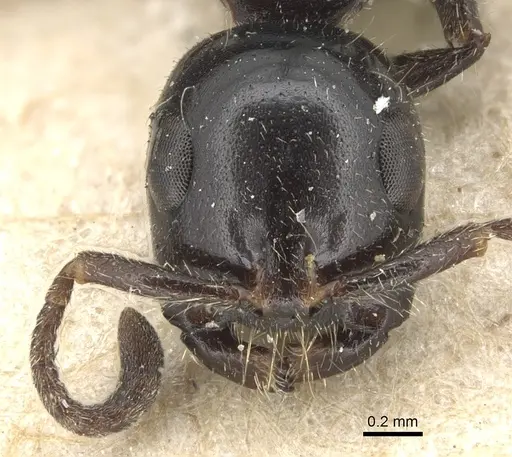
Tetraponera nigra workers are aggressive defenders of their nest and will readily sting. However, their sting is less severe than that of some related Tetraponera species [3]. They are active foragers that hunt prey and collect nectar from extrafloral nectaries [11][12][13]. Their large eyes (typical of Pseudomyrmecinae) indicate good vision. Colonies stay active all year. Because they are arboreal, they spend most of their time on vertical surfaces. When disturbed, they swarm out and attack the source of disruption. Keep them separate from other ant species. Handle carefully during maintenance.
Colony Development
The queen is about 10.1 mm long [3], while workers range from 7-8 mm [1][2]. No colony size or precise development time has been published for T. nigra. Based on related tropical arboreal ants, colonies likely grow to a few hundred workers at a moderate pace. Egg‑to‑worker development probably takes 6-10 weeks at optimal temperatures (24-28 °C). First workers (nanitics) will be smaller than mature workers. Keep the colony warm and well‑fed to support steady growth.
Unique Biology: Gut Symbionts and Mimicry
Tetraponera nigra possesses a well‑developed gut pouch between its midgut and intestine that is filled with a dense mass of bacteria [9]. These bacteria are related to nitrogen‑fixing root‑nodule microbes, the pouch even contains the nifH gene, suggesting the symbionts help the ant fix atmospheric nitrogen. This adaptation may allow T. nigra to thrive on a low‑nitrogen diet, such as plant sap and extrafloral nectar. Additionally, this species is mimicked by a jumping spider from the genus Salticus [10], which likely uses the resemblance to avoid predators.
Field Research and Ecology
Tetraponera nigra is a habitat specialist restricted to primary forest, it is not found in secondary forests or rubber plantations [7]. In the Himalayas it occurs at elevations of 500-1000 m [15]. It is considered rare in parts of its range, such as West Bengal [16]. The species forms mutualisms with extrafloral nectary plants, including Ipomoea, Vigna, Kigelia, and Tecoma [12][13]. In turn, the ants defend these plants against herbivores. They nest in a variety of cavities, from dead twigs to live thorns of Acacia horrida [8].
Frequently Asked Questions
Can I keep Tetraponera nigra in a test tube setup?
Test tubes can work for founding colonies, but these arboreal ants will do better in Y‑tong or plaster nests that mimic their natural plant cavity habitat. If using test tubes, ensure proper humidity and be prepared to move the colony to a more appropriate setup once it grows beyond about 30 workers.
Does Tetraponera nigra need hibernation?
No. As a tropical species from warm Asian climates, T. nigra does not require hibernation or diapause. Keep them warm year‑round at 24-28 °C. Temperatures below 20 °C can stress or kill the colony.
Do Tetraponera nigra ants sting?
Yes. Tetraponera nigra has a functional stinger and delivers a painful sting. They are aggressive and will defend their nest vigorously, though the sting is less severe than that of some other Tetraponera species [3]. Keepers should exercise caution during maintenance.
What do Tetraponera nigra eat?
They are predators that hunt small insects and arthropods [11]. They also feed on extrafloral nectar [12][13]. Offer live prey like fruit flies, pinhead crickets, and mealworms 2-3 times per week, and keep sugar water or honey available constantly.
How long does it take for Tetraponera nigra to develop from egg to worker?
Specific development data is not available for this species. Based on related tropical pseudomyrmecines, expect about 6-10 weeks from egg to first worker at 24-28 °C. Development will be slower at lower temperatures.
Are Tetraponera nigra good for beginners?
No. This species is rated medium difficulty and is not ideal for beginners. Their tropical temperature requirements, aggressive stinging behavior, and specific arboreal nesting needs make them better suited for experienced antkeepers.
How big do Tetraponera nigra colonies get?
Specific colony size data is not available for T. nigra. Based on related Tetraponera species, colonies likely reach a few hundred workers at maturity. They are moderate‑growing and do not reach the massive sizes of some other ant genera.
Can I keep multiple Tetraponera nigra queens together?
Not recommended. There is no documented evidence that T. nigra can form polygyne colonies. Combining unrelated queens could lead to aggression and colony failure. It is safest to keep one queen per colony.
Why is my Tetraponera nigra colony dying?
The most common causes are: temperatures below 20 °C (tropical species cannot tolerate cool conditions), low humidity, improper diet (they need live protein prey, not just sugar), or stress from frequent disturbance. Check your temperature settings first, then review humidity and feeding. Wild‑caught colonies may also carry parasites, quarantine new colonies.
When should I move Tetraponera nigra to a formicarium?
Move the colony when it reaches 30-50 workers or when the test tube becomes cramped. Arboreal ants prefer vertical spaces with climbing structures. Y‑tong nests with multiple chambers work well for growing colonies. Do not move too early, founding colonies do best in simple test tube setups.
Are Tetraponera nigra invasive?
Tetraponera nigra has been intercepted in international trade (especially in wood products from Vietnam) but is not established in non‑native regions like Taiwan [14]. It is native across the Indomalaya region and should never be released outside its natural range.
What makes Tetraponera nigra different from other ants?
Unlike most ants that nest in soil, T. nigra is arboreal and nests in plant cavities, hollow twigs, and branches. They have unusually large eyes (typical of Pseudomyrmecinae) and possess a unique gut pouch containing bacteria that may fix nitrogen [9]. They are also important in plant‑ant mutualisms through their association with extrafloral nectary plants [12][13].
When is the nuptial flight of Tetraponera nigra?
The nuptial flight of Tetraponera nigra typically occurs From March to May.
What time of day does Tetraponera nigra fly?
The nuptial flight of Tetraponera nigra peaks around 09:00 during the morning, with most activity between 07:00 and 18:00. Times may be influenced by human observation patterns.
Report an Issue
The current care sheet is based fully on literature. See inconsistencies, or something that's incorrect? Please , it will be resolved after review from an admin. Contributing to the blogs tab also helps providing information, to make us be able to further improve the caresheets. Thank you for your support!
References

This caresheet is licensed under CC BY-SA 4.0 .
Community Blogs
CASENT0103313
View on AntWeb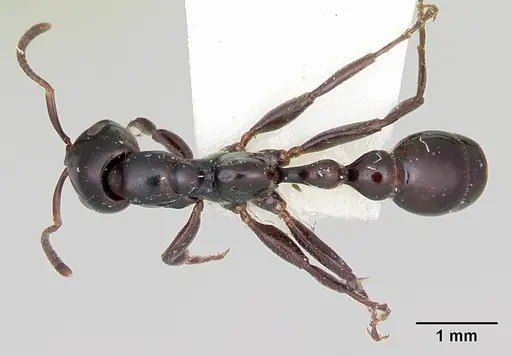
CASENT0103314
View on AntWeb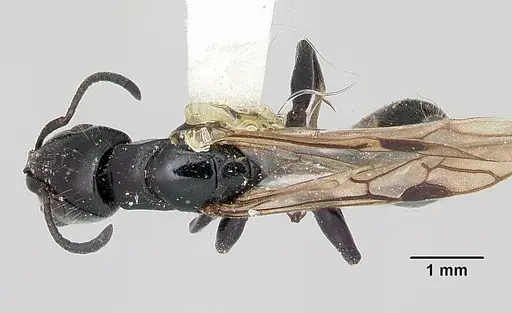
CASENT0902830
View on AntWeb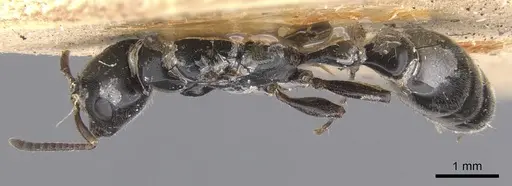
CASENT0902831
View on AntWeb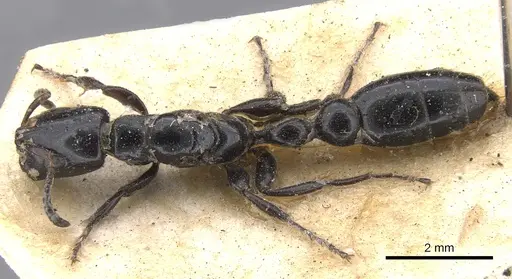
CASENT0904036
View on AntWeb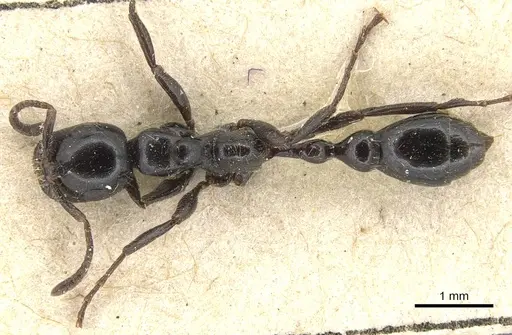
CASENT0907462
View on AntWeb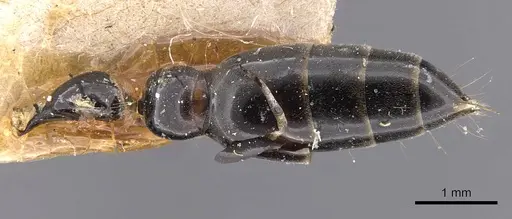
CASENT0907463
View on AntWeb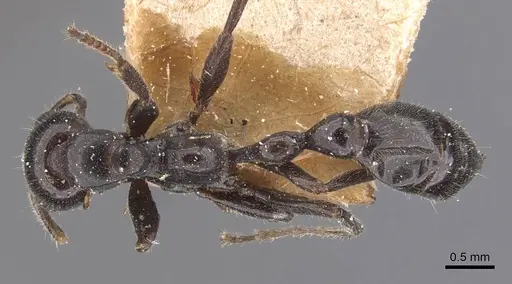
FOCOL0320
View on AntWeb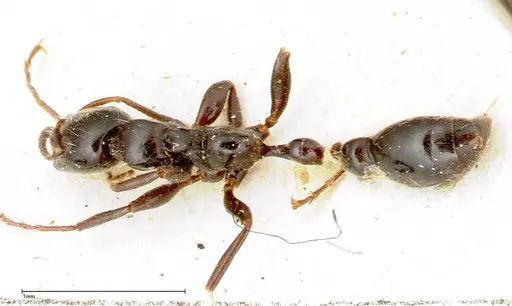
FOCOL0321
View on AntWeb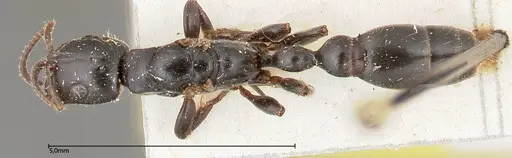
FOCOL0322
View on AntWeb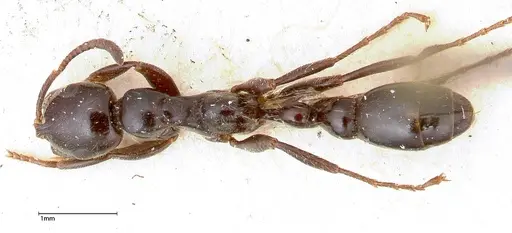
FOCOL0323
View on AntWeb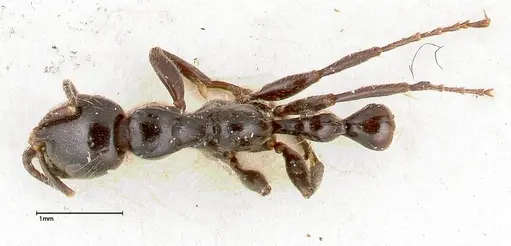
Literature
Loading distribution map...Loading products...