
Tetraponera morondaviensis
- Sci. Name
- Tetraponera morondaviensis
- Tribe
- Pseudomyrmecini
- Subfamily
- Pseudomyrmecinae
- Author
- Forel, 1891
- Distribution
- Found in 1 countries
Introduction
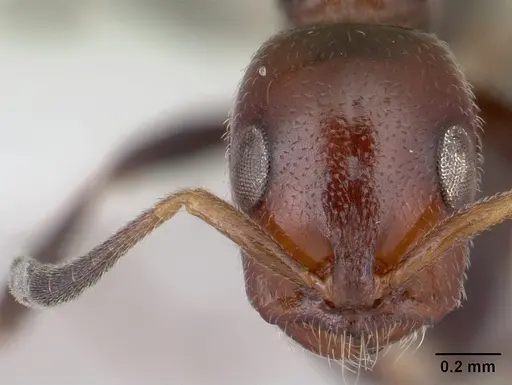
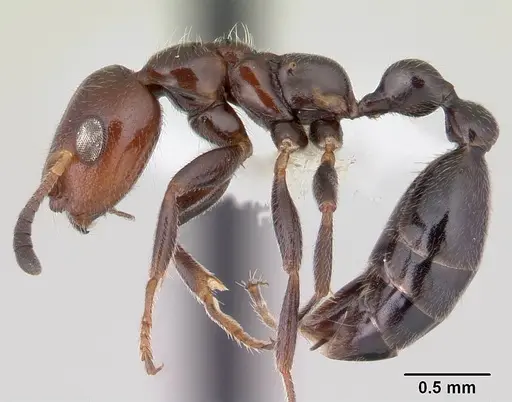
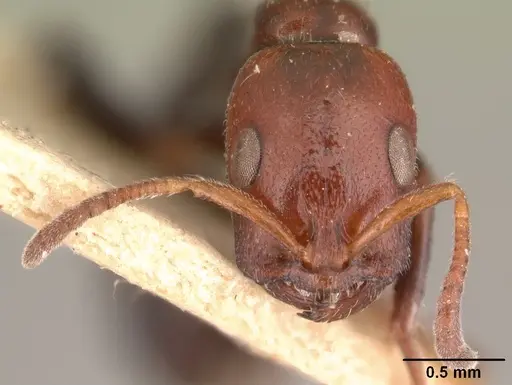
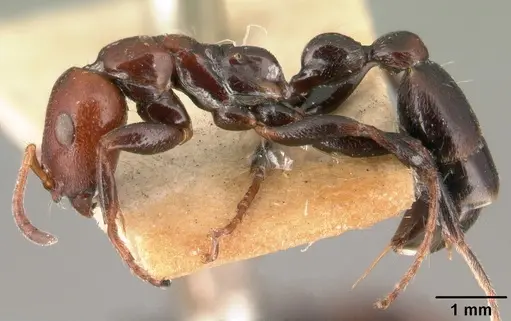
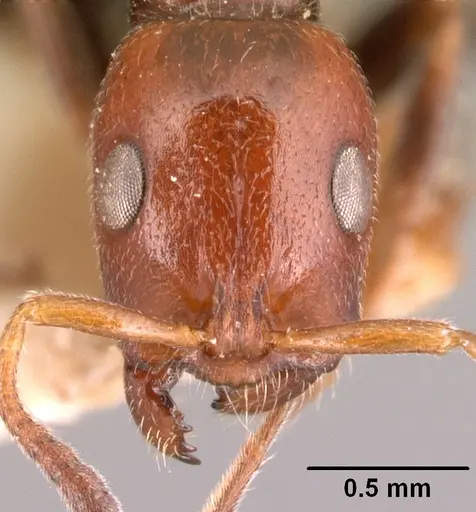
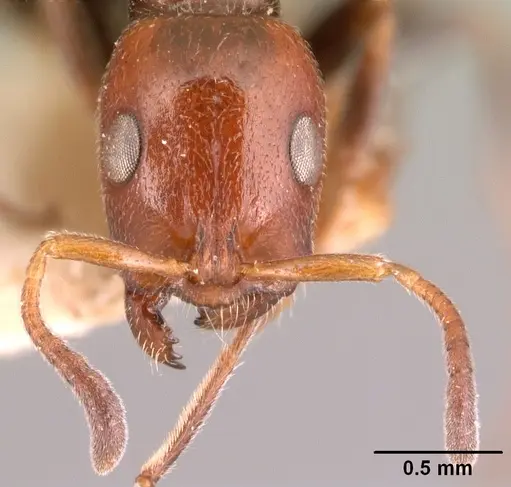
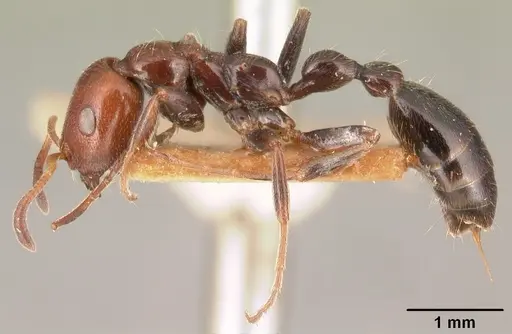
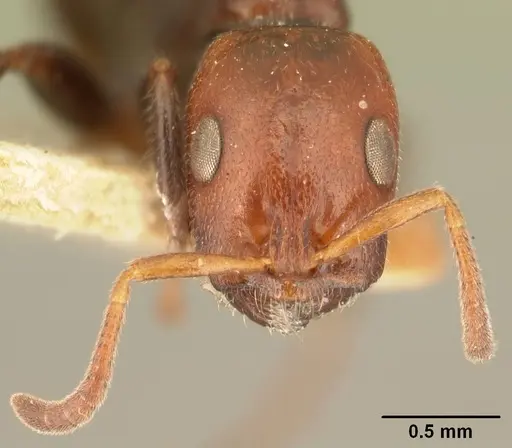
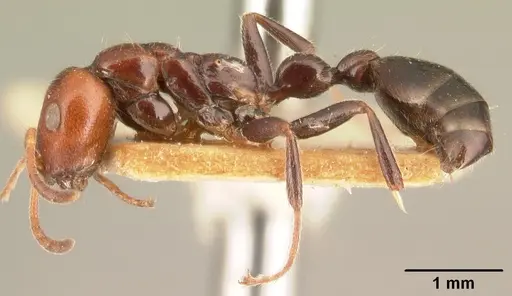
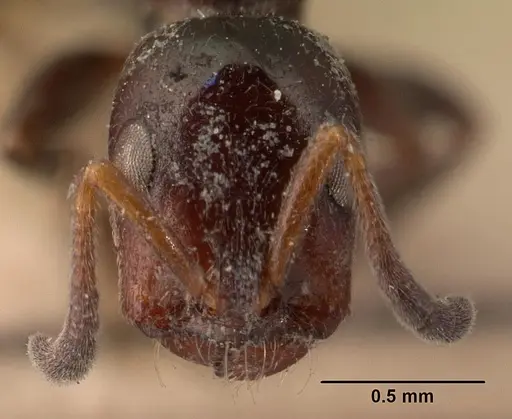
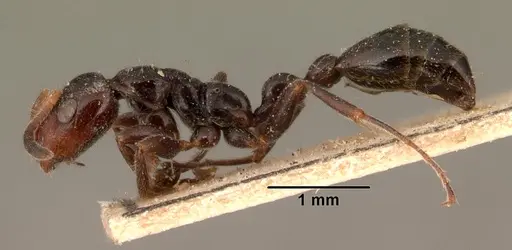
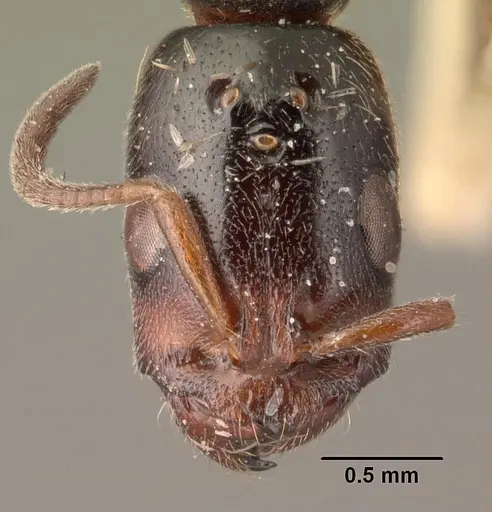
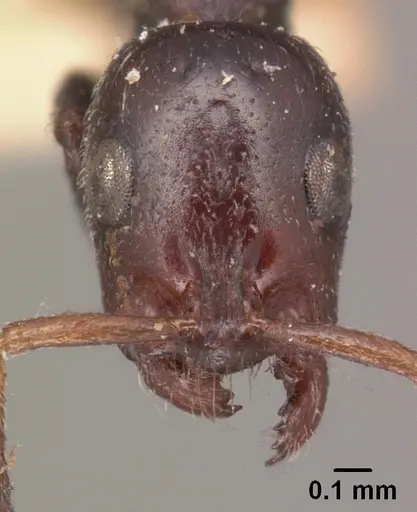
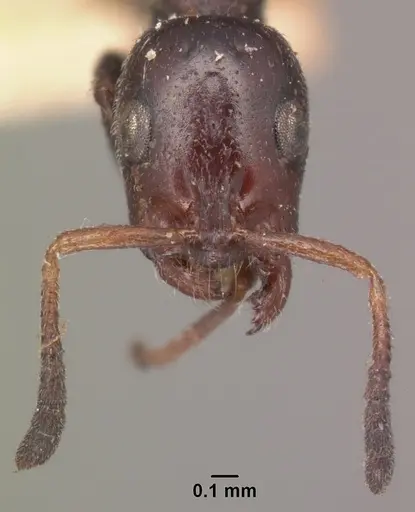
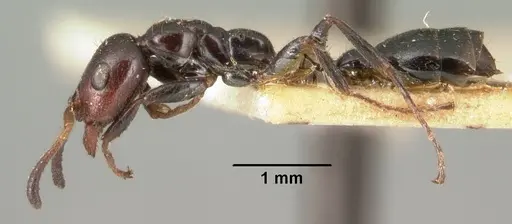
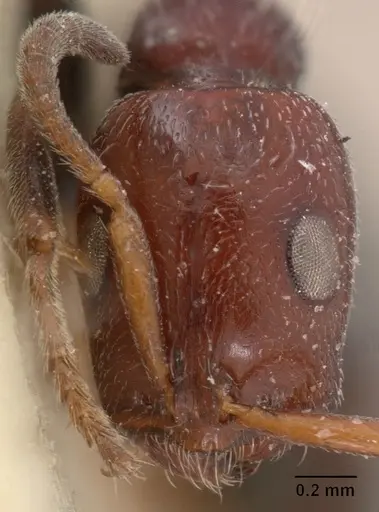
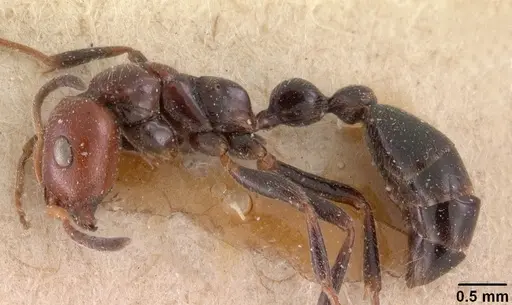
Tetraponera morondaviensis is a slender, arboreal ant from Madagascar's western dry forests, first collected near Morondava . It belongs to the Pseudomyrmecinae subfamily - the 'big-eyed arboreal ants' - known for their large eyes and quick movements . Workers are modest in size (estimated 4-8 mm based on related Tetraponera species), built for life in vegetation. Like other Old World Tetraponera, this species defends its nest aggressively, using a functional sting . Adapted to seasonal dry forests, it prefers dry, dark nesting sites and shows much less tolerance for damp conditions than many tropical ants .
Quick Summary
- Difficulty: Medium
- Origin & Habitat: Endemic to Madagascar, specifically the Morondava region and recorded from Kirindy Forest, a tropical dry forest [5]. Strictly arboreal, nests in tree hollows and aerial vegetation, not in soil [5].
- Colony Type: Colony structure is unconfirmed. Based on related Tetraponera species, likely single-queen (monogyne) colonies, but no specific data exists for this species.
- Size & Growth:
- Queen: Size data unavailable, inferred from Tetraponera genus, queens are typically 7-9 mm.
- Worker: Size data unavailable, inferred from Tetraponera genus, workers typically range from 4-8 mm.
- Colony: Unknown, related Tetraponera species form colonies of several hundred workers, but this is an estimate.
- Growth: Moderate (estimated based on tropical arboreal ant patterns)
- Development: Unknown for this species. Based on related Tetraponera kept under similar conditions (25-28°C), development is estimated at 6-8 weeks. (Actual timeline may vary, no species-specific study exists.)
- Antkeeping:
- Temperature: Keep at 24-28°C. As a tropical species from dry Madagascar forests, they need stable warmth. Provide a slight gradient so workers can thermoregulate. Avoid prolonged drops below 22°C.
- Humidity: Low to moderate, their native habitat is dry forest (collection data: dry=1,humid=0) [4]. The nest substrate should be allowed to dry partially between waterings. Avoid constant dampness.
- Diapause: No. As a tropical species, they do not hibernate. Maintain stable temperatures year-round.
- Nesting: Arboreal setup is essential, they naturally nest in tree hollows and vegetation [5]. Use vertical chambers (Y-tong, cork bark, or naturalistic twigs) rather than horizontal soil nests. Provide small, enclosed spaces for security.
- Behavior: Alert, fast-moving, and aggressive towards disturbances [3]. They have good vision and quickly investigate threats. They can sting in defense. Escape prevention is critical, they are agile climbers and can squeeze through tiny gaps.
- Common Issues: arboreal nature means standard horizontal nests often fail, they need vertical/elevated setups., tropical warmth requirements mean room temperature alone is often too cold, use a heat source., aggressive defense and fast movements make them prone to escape when the nest is opened., dry habitat preference, over-humid conditions cause stress, mold, and may lead to colony decline., limited research means most care details are inferred from genus-level data, not species-specific.
Housing and Nest Setup
Tetraponera morondaviensis requires an arboreal nest, standard horizontal soil formicaria will not work. In the wild, they nest in tree hollows and vegetation [5]. Use Y-tong (AAC) blocks with vertical chambers, or a naturalistic setup with cork bark tubes, hollow twigs, or bamboo sections. Chamber size should be small to match their body size, large open spaces make them feel exposed. Connect several chambers so the colony can organize brood, food storage, and resting areas. Provide an outworld with climbing structures (branches, mesh) to encourage natural foraging. Avoid acrylic nests, they are unsuitable for this dry-adapted species.
Temperature and Heating
These tropical ants need stable warmth. Keep the nest at 24-28°C. Room temperature is usually too cool unless you live in a warm climate. Use a heating cable or heat mat on one side of the nest (top or side, not underneath) to create a temperature gradient. Monitor with a thermometer and avoid sudden fluctuations. Temperatures above 30°C can stress them, and drops below 22°C for more than a day may slow development or cause problems. The gradient lets workers move between warmer brood areas and cooler resting spots.
Feeding and Diet
Tetraponera are predatory, offer small live insects such as fruit flies, small crickets, or mealworms. They are active hunters and will track down prey in the outworld. Also provide a sugar source: honey water or sugar water in small drops. Some keepers offer ripe fruit occasionally. Feed every 2-3 days and remove uneaten prey after 24 hours to prevent mold. Adjust portion size based on how quickly the colony consumes it. Fresh water should always be available (small dish or damp cotton) but keep the water source separate from the dry nest area.
Humidity and Water
This species comes from dry forest conditions (dry=1,humid=0) [4]. They prefer the nest to be mostly dry with just a slightly damp area. Allow the substrate to dry out partially between waterings. Over-moist conditions cause mold and stress. Use a moisture gradient in the nest: one small area slightly damp, the rest dry. Provide a water source in the outworld, a test tube with cotton, or a small bottle cap with sponge. Mist the outworld occasionally, not the nest directly. Good ventilation is important to avoid stagnant humidity.
Behavior and Temperament
These ants are alert and aggressive when disturbed [3]. Workers have large eyes and react quickly to movement or changes near the nest. They will sting in self-defense, the sting is functional, though not particularly painful to humans. When the nest is opened, they run rapidly and can easily escape if barriers are not perfect. Apply fluon or PTFE to all edges of the outworld and nest openings. They are also active climbers, so ensure lids seal tight. Despite their defensive nature, they are fascinating to watch, they patrol their territory and hunt with precision.
Colony Establishment
Colony founding and social structure are unconfirmed for this species. Based on related Tetraponera, founding is likely claustral (queen seals herself in to raise first workers), but this is not proven. If you obtain a queen, place her in a small, enclosed setup (e.g., a test tube with water at the bottom, a cotton plug, and a dark covering) at 25-28°C. First workers (nanitics) will be smaller than mature workers. Do not disturb during founding. Alternatively, acquiring a small established colony is easier. Growth is estimated as moderate, reaching several dozen workers in the first year under good conditions.
Frequently Asked Questions
Can I keep Tetraponera morondaviensis in a test tube?
A test tube works for a founding queen or small colony, but long-term housing needs an arboreal setup. They prefer vertical, enclosed spaces. If using a test tube, keep it warm (24-28°C) and dark.
What do Tetraponera morondaviensis eat?
They are predatory and accept small live insects (fruit flies, small crickets, mealworms). They also need sugar, offer honey water or sugar water. Feed 2-3 times per week.
Do Tetraponera morondaviensis ants sting?
Yes, they have a functional sting and will use it if threatened. The sting is not medically significant for humans but can be painful. This is based on their subfamily Pseudomyrmecinae, which are stinging ants.
Are Tetraponera morondaviensis good for beginners?
This species is rated Medium difficulty. They need specific arboreal housing and warm temperatures, which is more complex than common beginner species. Research arboreal ant care first.
How fast do Tetraponera morondaviensis colonies grow?
Growth is moderate but unstudied. Based on related Tetraponera, expect 6-8 weeks from egg to worker at 25-28°C. A mature colony may reach several hundred workers over 1-2 years.
Do Tetraponera morondaviensis need hibernation?
No, as a tropical species, they do not hibernate. Keep temperatures stable year-round in the 24-28°C range. Avoid prolonged drops below 20°C.
Why are my Tetraponera morondaviensis dying?
Common causes: temperatures too low (below 22°C), excessive humidity (they need dry conditions), poor escape prevention (they escape and dehydrate), or lack of protein food.
When should I move Tetraponera morondaviensis to a formicarium?
Move them when the test tube becomes crowded. Ensure the new nest has vertical chambers and climbing surfaces. They do best in enclosed spaces, not large open areas.
Can I keep multiple queens of Tetraponera morondaviensis together?
Colony structure is unconfirmed for this species. Based on related Tetraponera, they are likely single-queen (monogyne). Do not combine unrelated queens without evidence that they accept multiple queens.
What is the best nest type for Tetraponera morondaviensis?
Y-tong (AAC) nests with vertical chambers, or naturalistic setups with cork bark, hollow twigs, or bamboo. Avoid acrylic. Provide small, enclosed chambers and a dry environment.
Report an Issue
The current care sheet is based fully on literature. See inconsistencies, or something that's incorrect? Please , it will be resolved after review from an admin. Contributing to the blogs tab also helps providing information, to make us be able to further improve the caresheets. Thank you for your support!
References

This caresheet is licensed under CC BY-SA 4.0 .
Community Blogs
CASENT0012835
View on AntWeb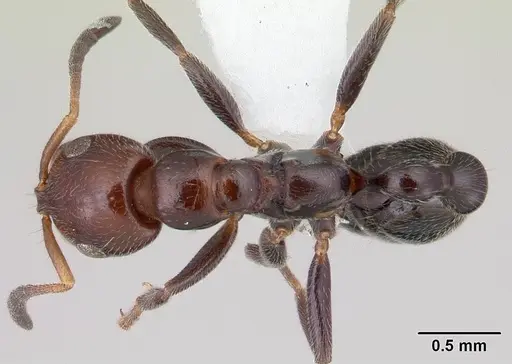
CASENT0101049
View on AntWeb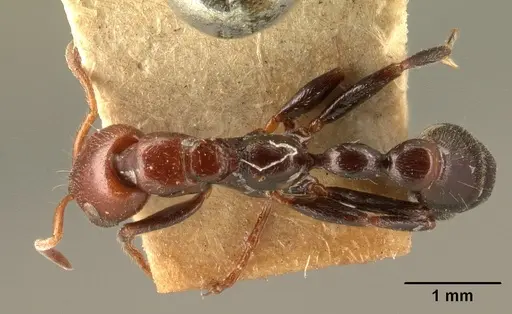
CASENT0101050
View on AntWeb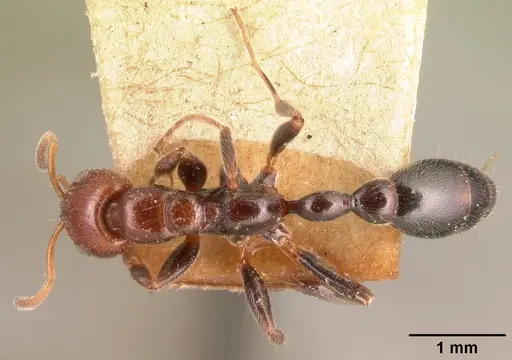
CASENT0101051
View on AntWeb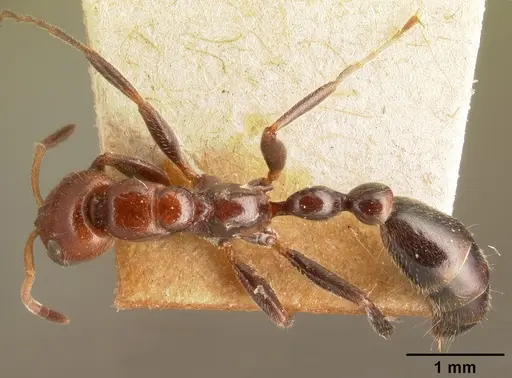
CASENT0101396
View on AntWeb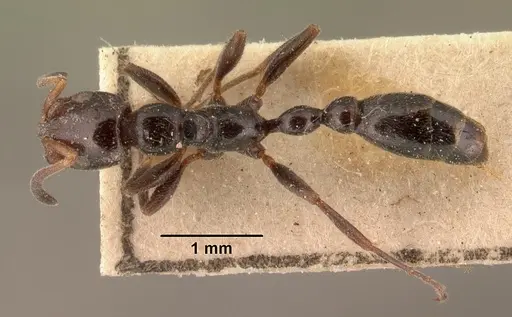
CASENT0101397
View on AntWeb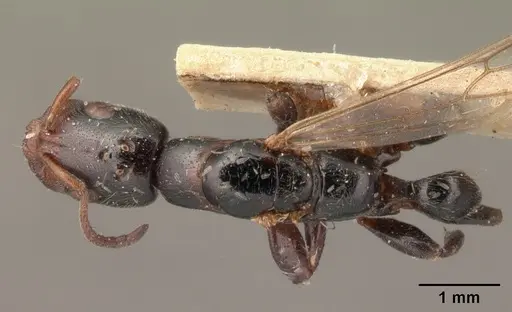
CASENT0101715
View on AntWeb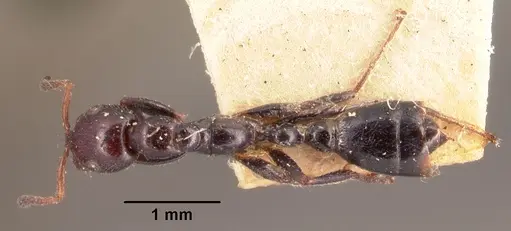
CASENT0102035
View on AntWeb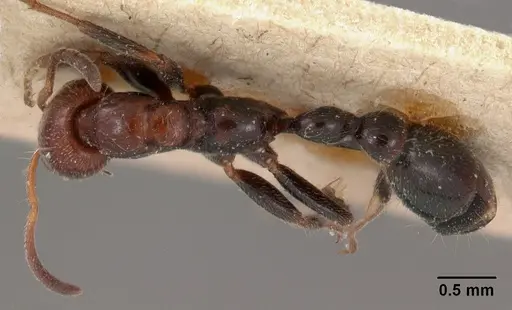
Literature
Loading distribution map...Loading products...