
Tetraponera modesta
- Sci. Name
- Tetraponera modesta
- Tribe
- Pseudomyrmecini
- Subfamily
- Pseudomyrmecinae
- Author
- Smith, 1860
- Distribution
- Found in 8 countries
Introduction
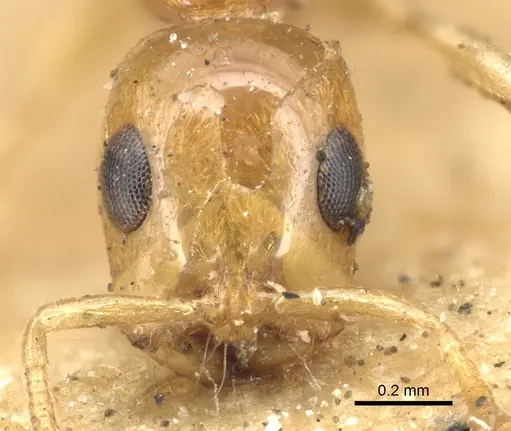
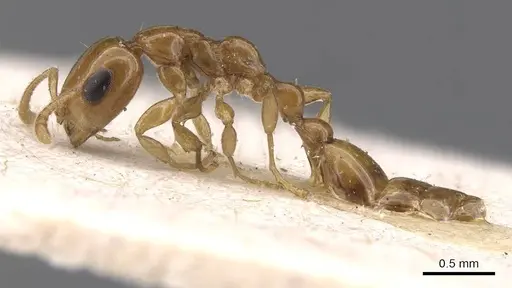
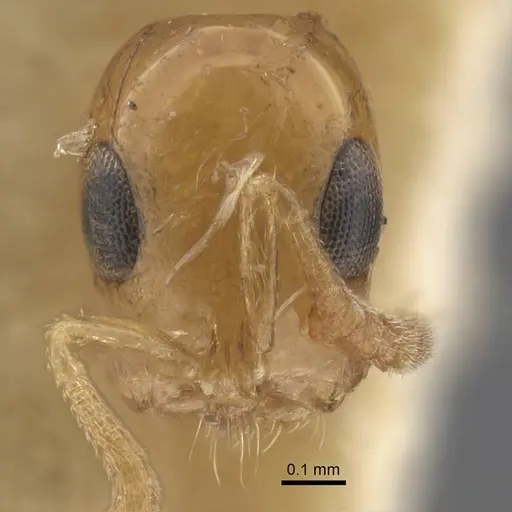
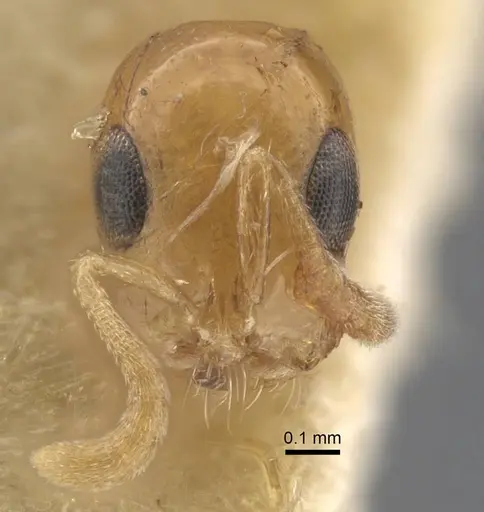
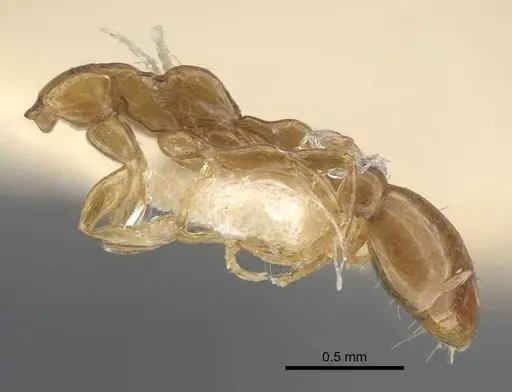
Tetraponera modesta is a tiny arboreal ant from the subfamily Pseudomyrmecinae. Workers are about 3 mm long (based on the original description of 1.5 lines) , with a slender, elongate body that is yellow to orange-brown in color, though the gaster is sometimes darker . They belong to the Tetraponera allaborans species group and are found across a wide range of Southeast Asia, India, China, and into New Guinea . These ants are fully arboreal, nesting in thin dry branches and twigs rather than in soil . Their biology is still poorly known, which makes them an interesting but challenging species for antkeepers who want to observe a different lifestyle from typical ground-nesting ants.
Quick Summary
- Difficulty: Medium
- Origin & Habitat: Native to a broad area of Southeast Asia and surrounding regions: from India, China, Taiwan, Vietnam, Thailand, Malaysia, Singapore, Indonesia, Philippines, through to New Guinea and even into North Korea [3][4][5][6]. They are found in lowland rainforest, mixed dipterocarp forest, and lower montane dipterocarp forest, often collected from tree foliage and fogging samples from canopy trees [6].
- Colony Type: Colony structure is not well documented. Based on patterns in other Tetraponera species, they likely have a single queen (monogyne), but this remains unconfirmed [5].
- Size & Growth:
- Queen: No measurements available in published research.
- Worker: Approximately 3 mm body length (original description by Smith measured 1.5 lines) [1], head width data is not a reliable indicator of body size.
- Colony: Likely under 100 workers, estimated from arboreal nesting in small cavities in thin branches [5].
- Growth: Unknown, no published data on colony growth.
- Development: Not documented for this species. (The entire life cycle has not been studied, observations from captive colonies would be valuable.)
- Antkeeping:
- Temperature: Keep at 24-28°C year-round, reflecting their tropical origin. Temperatures below 20°C for extended periods are harmful. A gentle heat source on one side of the nest can create a gradient [6].
- Humidity: High humidity (70-85%) in the foraging area is recommended, but the nest chamber should remain relatively dry and well-ventilated to mimic their natural nesting sites in dry branches. Mist the outworld regularly and provide a water source, avoid waterlogging the nest [5].
- Diapause: No, these tropical ants do not require hibernation. Maintain stable warm conditions throughout the year [6].
- Nesting: Arboreal specialists: they naturally nest in thin dry branches and twigs [5]. In captivity, provide small chambers with good ventilation, Y-tong or plaster nests with narrow cavities work well. Avoid deep soil setups, vertical or angled spaces are preferred. Test tubes with a dry nesting area also suit them [6].
- Behavior: Workers are active, fast-moving, and agile foragers, hunting small prey in the canopy. They are not aggressive and tend to flee rather than fight. Their tiny size (about 3 mm) and slender body make escape prevention critical, even tiny gaps must be sealed. They are excellent climbers and comfortable on vertical surfaces [5][2].
- Common Issues: escape prevention is critical due to their very small size, use fine mesh and check all connections, arboreal nature means they need vertical climbing space and cannot thrive in deep soil nests, tropical temperature requirements, they cannot tolerate cool temperatures for long periods, overfeeding leads to mold, especially in small colonies, remove uneaten prey after 24 hours, high humidity needs must be balanced with adequate ventilation to prevent condensation in the nest
Housing and Nest Setup
Because Tetraponera modesta nests in thin dry branches in the wild [5], your setup should mimic this: small, narrow chambers with good ventilation and little moisture. Test tubes with a cotton water reservoir work well, but keep the nesting area dry. For formicaria, choose a Y-tong (AAC) nest with small cavities or a plaster nest with narrow galleries. Do not use deep soil, these ants are uncomfortable in damp, enclosed dirt. The outworld should provide vertical surfaces for climbing, such as cork bark or twigs. Seal all openings with fine mesh, these ants can squeeze through gaps of less than 0.5 mm. Fluon on test tube rims also helps prevent escapes.
Feeding and Diet
Like other Pseudomyrmecinae, Tetraponera modesta is predatory, hunting small arthropods in the canopy. Offer live prey such as fruit flies (Drosophila), pinhead crickets, and small termites. They will also accept sugar water or honey water as a carbohydrate source. Feed protein 2-3 times per week, removing leftovers after 24 hours to prevent mold. A constant supply of sugar water is recommended. Because workers are only about 3 mm long, prey must be appropriately sized. Observe your colony to gauge how much they consume, small colonies may not need large prey items.
Temperature and Seasonal Care
Tetraponera modesta comes from tropical climates and needs stable warmth. Keep the nest area at 24-28°C year-round. They are not adapted to cold and should never be exposed to temperatures below 20°C for more than a few hours. No hibernation or dormancy is required, simply maintain the same warm conditions all year. If your room temperature falls below 22°C, use a gentle heat mat on one side of the enclosure to provide a gradient. Avoid direct heat that could dry out the nest. [6]
Humidity and Water
These ants need high ambient humidity in the foraging area (mist the outworld regularly) but prefer the nest itself to be relatively dry, reflecting their natural habitat in dry branches [5]. Provide a water tube or a small dish with pebbles for drinking. Do not soak the nest, condensation inside should be minimal. If you see persistent dampness, increase ventilation. A good approach is to keep the outworld at 70-80% humidity while keeping the nest chamber dry. Monitor the nest for mold, as their small size makes them vulnerable to fungal issues.
Behavior and Observation
Workers are fast, slender, and constantly active, patrolling the outworld in search of prey. They are not aggressive toward humans but may be nervous and quick to retreat. Their small size means you'll need good lighting and possibly a magnifier to watch them. They are comfortable climbing vertical surfaces and often explore every nook. Colonies are likely quiet and methodical, typical of arboreal species. Their biology is poorly known, so careful observation can yield new insights. Avoid disturbing the nest frequently, as stress can set back small colonies. [5][2]
Colony Establishment
Starting a colony of Tetraponera modesta is challenging because wild queens are seldom found and captive sources are rare. Founding behavior has not been documented, but like most Pseudomyrmecinae, it is likely claustral, the queen seals herself in a small cavity and raises the first workers on her stored reserves. However, this is speculative. If you have a queen, keep her in a small dark test tube with a cotton water plug and a narrow nesting chamber. Be patient, the first workers (nanitics) will be extremely small. Colony growth is probably slow, and you may never exceed a few dozen workers, which is normal for this species. [5]
Common Problems and Solutions
The primary challenge is escape prevention, these ants are tiny and can slip through gaps you might not see. Use fluon on test tube rims, fine mesh on all ventilation, and tape any tubing connections. Second, humidity balance: too much moisture in the nest causes mold, while too little desiccates the colony. Mist the outworld but keep the nest dry. Third, temperature stress: these tropical ants cannot stay cold. Use a gentle heat source if needed. Fourth, overfeeding leads to mold, smaller colonies need only a few prey items per week. Fifth, they need live prey, if you cannot provide fruit flies or other small insects, they may not thrive. [6]
Captive Observations and Research Potential
Because the biology of Tetraponera modesta is poorly known, captive keepers have an opportunity to document important details like colony founding, development time, and food preferences. Simple observations (e.g., how many workers after a year, what prey they accept) can add value. Their arboreal lifestyle and small size make them a unique addition to an ant collection, but they are not a beginner species. If you can meet their specialized needs, they offer a window into the canopy ant world that most keepers never experience [5][3].
Frequently Asked Questions
Can I keep Tetraponera modesta in a test tube?
Yes, a test tube setup can work. Use a small tube with a cotton water reservoir, but keep the nesting area dry. Cover any openings with fine mesh to prevent escapes. The narrow space mimics their natural branch habitat.
How long does it take for Tetraponera modesta to develop from egg to worker?
The exact development time is unknown because this species has not been studied. No reliable estimates are available from related species. Observation of captive colonies would be valuable.
Do Tetraponera modesta ants sting?
Like all Pseudomyrmecinae, they have a functional sting, but they are very small and non‑aggressive. Stinging would only occur if the ant is directly handled or threatened, and the effect would be mild.
Are Tetraponera modesta good for beginners?
No. Their tiny size makes escape prevention difficult, they have specific arboreal nesting and humidity requirements, and they need tropical temperatures and live prey. Beginners should start with hardier species like Lasius or Tetramorium.
What do Tetraponera modesta eat?
They are predators of small arthropods. Offer live prey such as fruit flies, pinhead crickets, and tiny termites. They will also take sugar water or honey water. Provide protein 2-3 times per week and a constant sugar source.
Do Tetraponera modesta need hibernation?
No, they are tropical ants and do not require hibernation. Keep them at 24-28°C year‑round. They are not adapted to cold and can die if kept below 20°C for long periods.
How big do Tetraponera modesta colonies get?
Colony size is not well documented, but based on their arboreal nesting in small cavities, they likely stay under 100 workers. Many arboreal ants that nest in thin branches have modest colony sizes.
Why are my Tetraponera modesta escaping?
Their tiny size (about 3 mm) lets them squeeze through gaps you might not see. Check all connections, use fine mesh on any openings, and apply fluon to test tube rims. Even standard cotton plugs can have gaps large enough for them.
When should I move Tetraponera modesta to a formicarium?
Move them when the test tube becomes crowded or shows signs of mold from waste. For small colonies, a modified test tube can serve indefinitely. If you switch to a formicarium, use a Y-tong or plaster nest with small, dry chambers.
Can I keep multiple queens together?
It is not recommended. Colony structure has not been studied, but typical Tetraponera are monogyne (single queen). Attempting to keep multiple queens could lead to fighting. Keep one queen per colony unless observation proves otherwise.
Report an Issue
The current care sheet is based fully on literature. See inconsistencies, or something that's incorrect? Please , it will be resolved after review from an admin. Contributing to the blogs tab also helps providing information, to make us be able to further improve the caresheets. Thank you for your support!
References

This caresheet is licensed under CC BY-SA 4.0 .
Community Blogs
CASENT0281872
View on AntWeb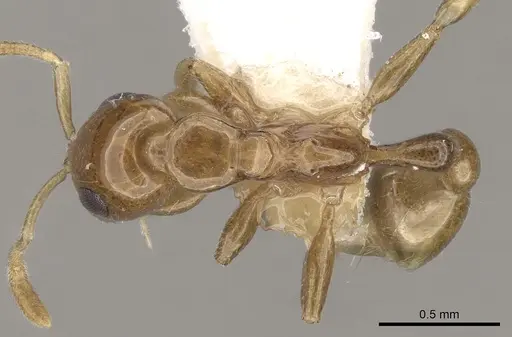
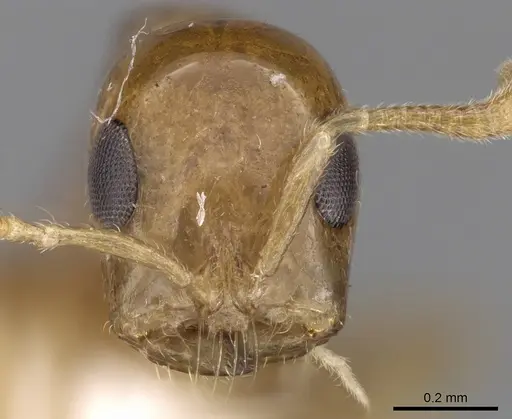
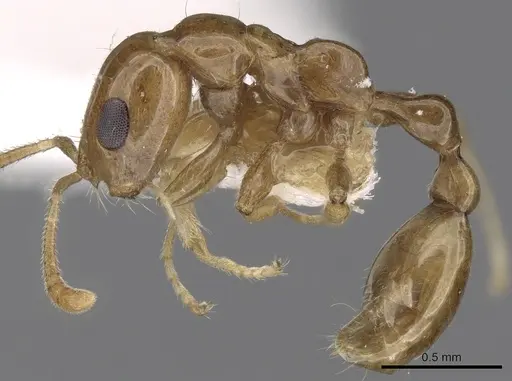
CASENT0901930
View on AntWeb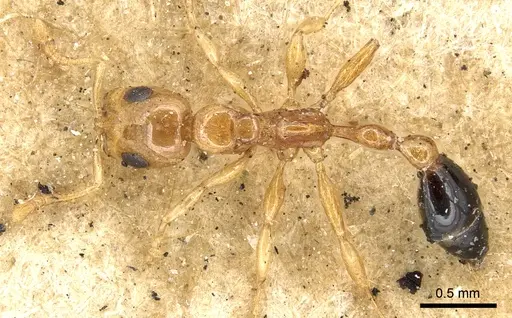
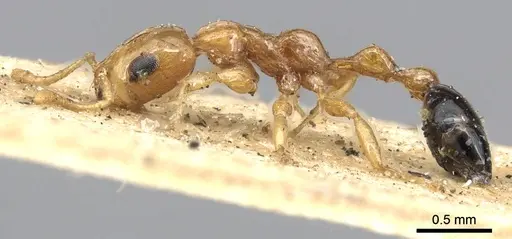
CASENT0907461
View on AntWeb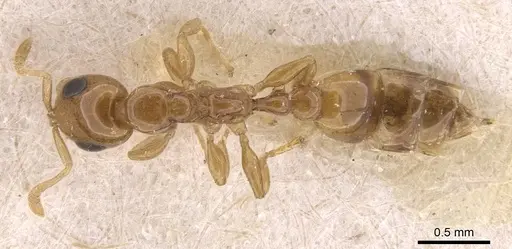
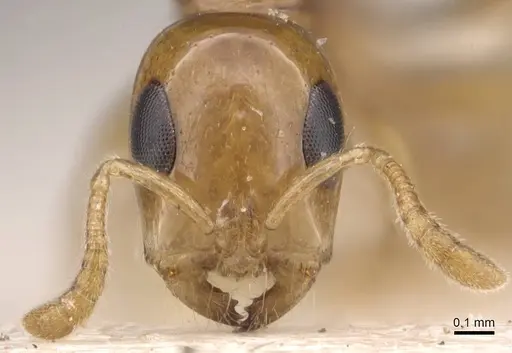
CASENT0917206
View on AntWeb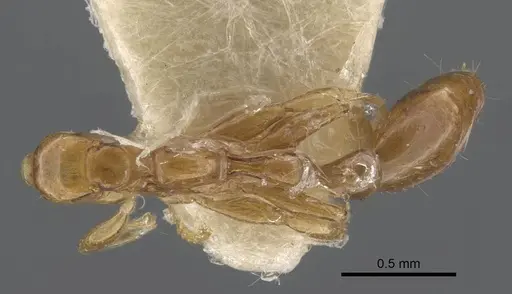
Literature
Loading distribution map...Loading products...