
Tetraponera mocquerysi
- Sci. Name
- Tetraponera mocquerysi
- Tribe
- Pseudomyrmecini
- Subfamily
- Pseudomyrmecinae
- Author
- André, 1890
- Distribution
- Found in 15 countries
Introduction
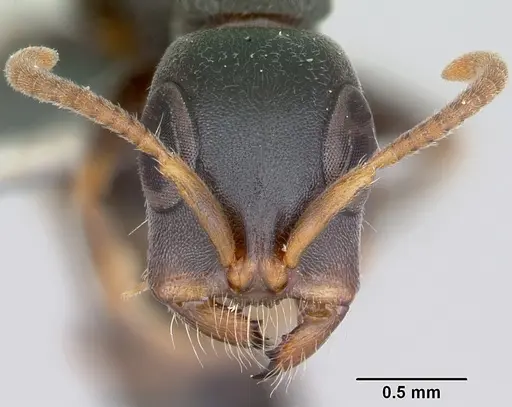
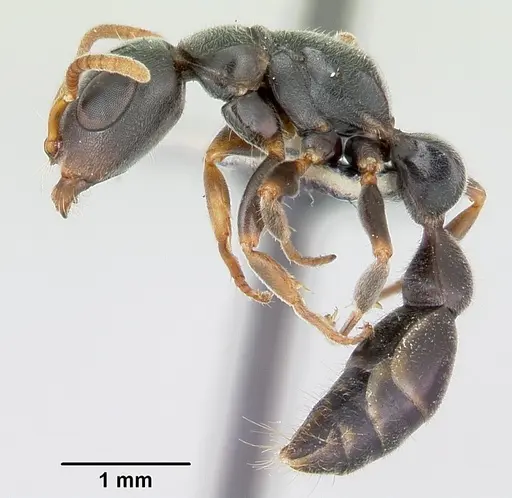
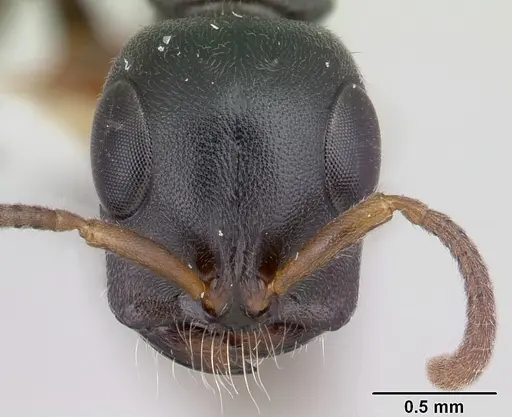
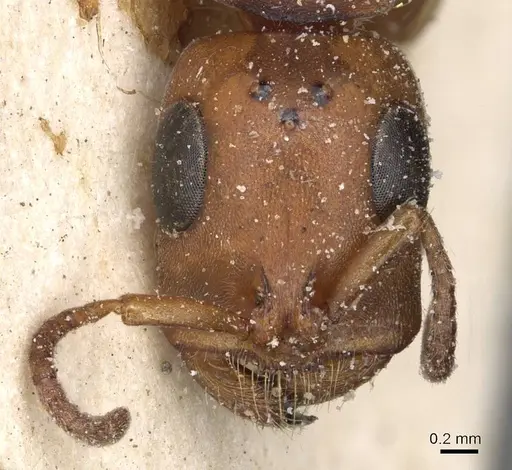
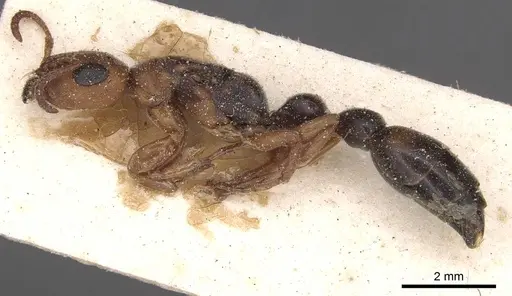
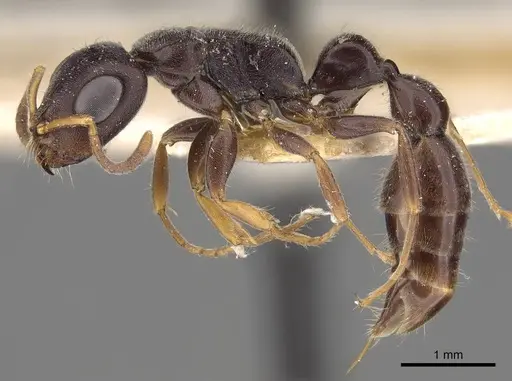
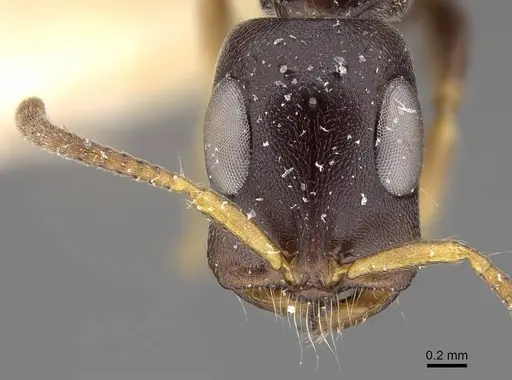
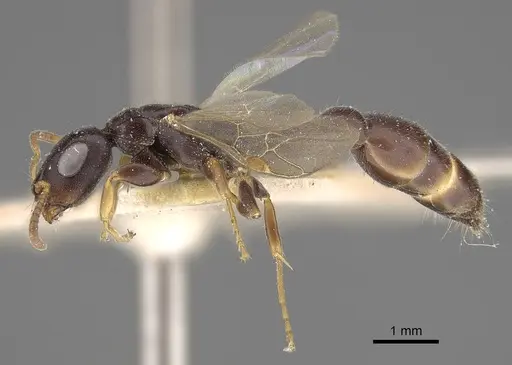
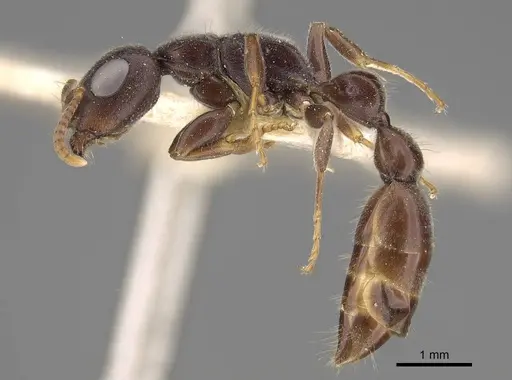
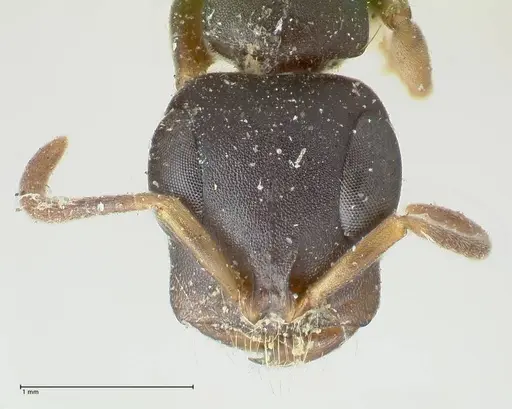
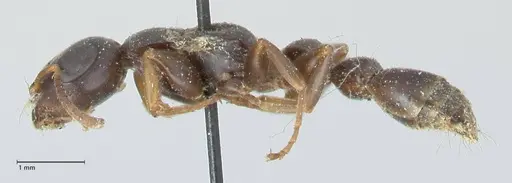
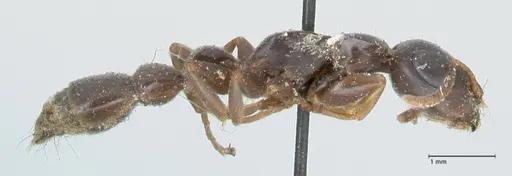
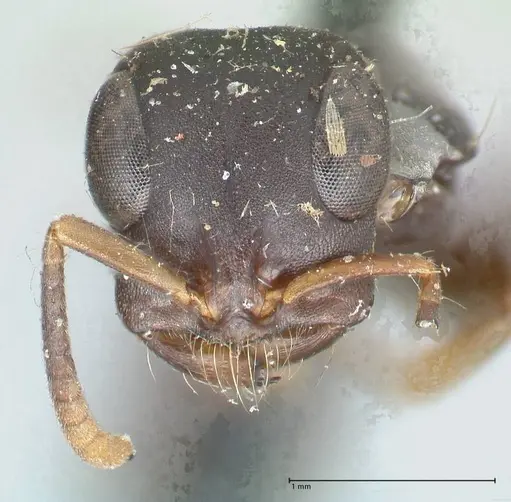
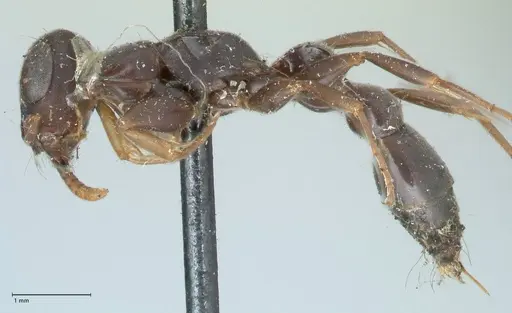
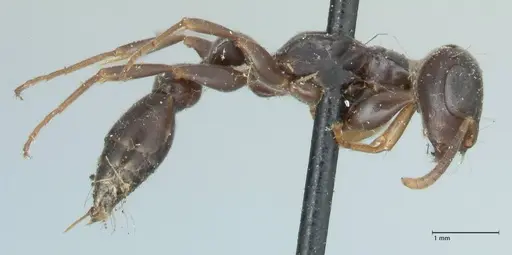
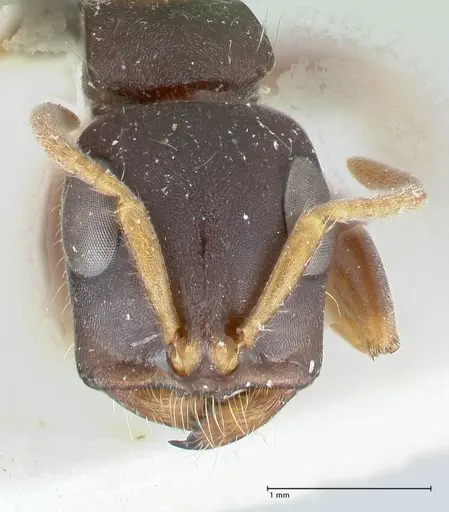
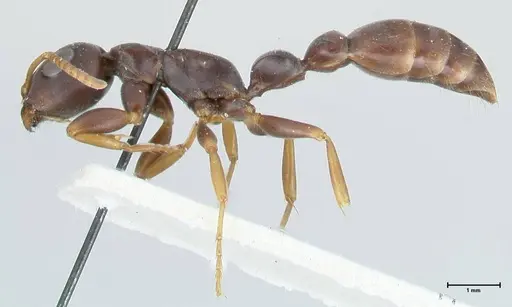
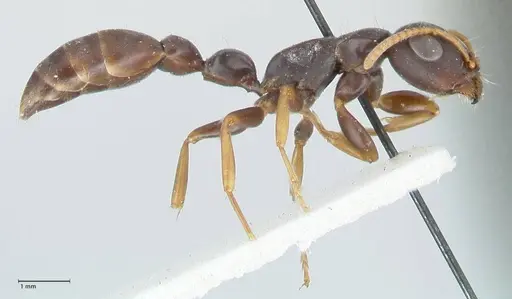
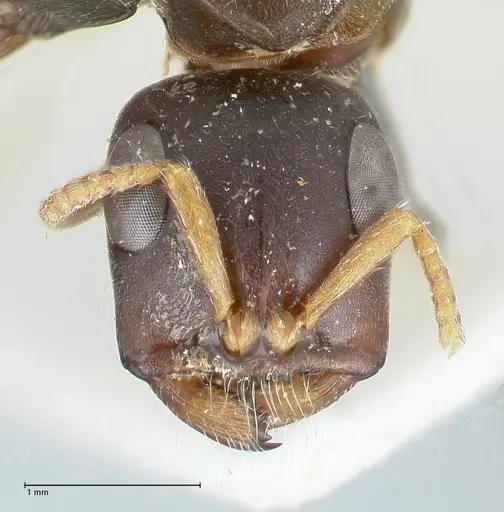
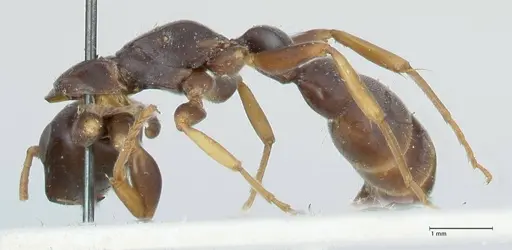
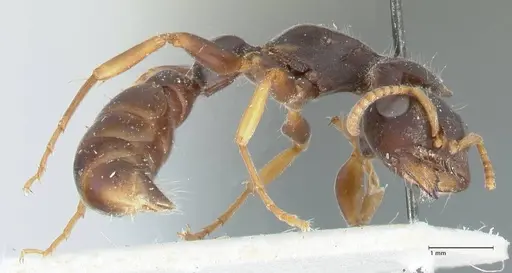
Tetraponera mocquerysi is a slender, elongated ant from the subfamily Pseudomyrmecinae. Worker size is not directly measured; based on related species, they are about 3–5 mm long, with a narrow body typical of arboreal ants. Queens are larger, roughly 5–7 mm. The species is widespread across the Afrotropical region, from Sierra Leone east to Kenya and Rwanda, and south to Angola and Gabon . It lives in lowland rainforests and forest margins, nesting in cavities between bark and wood of fallen trees and has been found living inside the domatia of *Barteria fistulosa* plants . Originally described from Sierra Leone in 1890,it has since had many synonyms, now all consolidated under *Tetraponera mocquerysi* .
Quick Summary
- Difficulty: Medium
- Origin & Habitat: Afrotropical region – from Sierra Leone, Ghana, Ivory Coast, Nigeria, Cameroon, Gabon, Congo, Democratic Republic of Congo, Uganda, Kenya, Rwanda, Tanzania, and Angola. Inhabits lowland rainforests and forest margins, nesting in cavities between bark and wood of fallen trees [2][4][1].
- Colony Type: Colony structure is not well documented. Based on related Tetraponera species, they are likely monogyne (single queen), but this is unconfirmed.
- Size & Growth:
- Queen: Not directly measured, inferred from related Tetraponera species (~5–7 mm).
- Worker: Not directly measured, inferred from related Tetraponera species (~3–5 mm) [5].
- Colony: Not documented, based on related species, colonies may reach up to 500 workers. Studies have only found 1–2 individuals per sample, suggesting small colonies in the wild [5][4].
- Growth: Moderate (estimated, no specific data).
- Development: Estimated 6–8 weeks based on related Pseudomyrmecinae species. (No specific development data for T. mocquerysi. Estimate assumes warm tropical temperatures (24–28°C).)
- Antkeeping:
- Temperature: Keep at 24–28°C. This is a tropical species from central African forests, avoid drops below 22°C. Use a heating mat in cooler climates [6][1].
- Humidity: Provide a humidity gradient in the nest – keep the substrate moist but not waterlogged. This species comes from humid rainforests, so dry conditions will stress the colony [1].
- Diapause: No – tropical species from a region without cold winters. Maintain warm temperatures year-round.
- Nesting: Arboreal – nest between bark and wood. Use cork bark, wooden inserts, or test tubes with wood pieces. Avoid soil-based nests. Provide vertical climbing structures [2].
- Behavior: T. mocquerysi is an arboreal ant that forages in the canopy and along tree trunks. Workers are quick and agile. They have a well-developed sting and will aggressively defend their nest and host plants. In captivity they are generally calm but may sting if disturbed. They are rarely attracted to baits, so food may need to be offered on elevated surfaces [5]. Due to their small size, use fluon or oil barriers to prevent escapes. This species is considered a potential bioindicator for wooded habitats, suggesting sensitivity to environmental changes [7].
- Common Issues: requires warm temperatures year-round – cold drafts can be fatal, arboreal nature means they need vertical space and climbing structures, not just horizontal ground, small colony sizes in the wild suggest slow initial growth – patience is needed, specific nesting preferences mean standard soil nests may not be accepted, rare at baits – finding acceptable food may require trial and error, can deliver a painful sting if the nest is disturbed
Housing and Nest Setup
Tetraponera mocquerysi needs an arboreal setup. In the wild they nest between bark and wood of fallen trees [2]. Provide cork bark, wooden inserts, or a test tube with a wooden stick. The nest chamber should be tight and enclosed, not open. In the outworld, include branches, cork pieces, and vertical surfaces for climbing. They use vertical space more than horizontal. Avoid soil-based nests since they are not ground-nesters. A test tube setup works for founding, but add a climbing structure. They are fast and small, so use fluon or an oil barrier to prevent escapes.
Temperature and Climate Control
As a tropical species from central African lowland forests, T. mocquerysi needs warm temperatures (24–28°C). They have been collected at elevations around 110 m in Gabon, confirming their warmth-loving nature [6]. Do not let temperatures drop below 22°C. No diapause is needed, keep them warm year-round. Use a small heating mat if your room is cool. Monitor nest temperature with a thermometer to avoid overheating.
Feeding and Diet
This species is rarely attracted to baits [5], so you may need to offer food on elevated surfaces (branches, cork) rather than the ground. Offer small live prey such as fruit flies, small crickets, and springtails. Sugar water or honey water can be tried but acceptance may vary. Fresh protein is likely important for brood development. Experiment with different foods to see what they accept.
Humidity and Water
Provide moderate to high humidity by keeping the nest substrate moist but not waterlogged. A test tube water reservoir works well. Use cork or wood that retains some moisture without becoming soaked. Good ventilation helps prevent mold. Mist the outworld occasionally, but avoid direct misting of the nest. This species inhabits humid rainforests, so dry conditions will stress the colony [5][1].
Colony Development and Growth
Colony development is not well documented. Based on related species, expect moderate growth. Field studies found only 1–2 individuals per sample [5][4], suggesting that colonies stay small. Under optimal conditions, the first workers (nanitics) should appear within 6–8 weeks. Queen longevity is unknown, related species live several years. Be patient – this is not a fast-growing species.
Behavior and Temperament
T. mocquerysi is an arboreal species belonging to a subfamily with a well-developed sting. They are quick and agile, and will aggressively defend their nest and host plants. In captivity they are generally calm but may sting if you disturb the nest. They are not attracted to baits and seem to prefer foraging on vegetation [5]. They are not known to be territorial outside the nest, but their sting is effective. Due to their small size, use barriers to prevent escapes. They do not exhibit slave-making or other unusual behaviors [2].
Frequently Asked Questions
Can I keep Tetraponera mocquerysi in a test tube?
Yes, test tubes work for founding colonies, but add a small wooden or cork insert for them to nest in. This species prefers enclosed spaces between wood or bark, not soil. Provide climbing structures in the outworld.
How long does it take for Tetraponera mocquerysi to produce first workers?
An estimated 6–8 weeks from egg to first worker at optimal temperatures (24–28°C). This is based on related species – specific data for T. mocquerysi is not available.
Do Tetraponera mocquerysi ants sting?
Yes. Like other Pseudomyrmecinae ants, they have a well-developed sting and will use it to defend the nest. The sting can be painful, so handle with care.
Are Tetraponera mocquerysi good for beginners?
This is a medium-difficulty species. They need warm, humid tropical conditions year-round, arboreal housing with climbing structures, and they can deliver a painful sting. They are not as hardy as common species like Lasius or Camponotus. Beginners should ensure they can maintain stable heat before trying this species.
What do Tetraponera mocquerysi eat?
Offer small live prey (fruit flies, springtails, small crickets) and sugar water or honey water. They are rarely attracted to baits, so place food on elevated surfaces. Fresh protein is likely important for brood.
Do Tetraponera mocquerysi need hibernation?
No. This is a tropical species from central African forests with no cold season. Keep them warm (24–28°C) year-round. Temperatures below 22°C can be harmful.
How big do Tetraponera mocquerysi colonies get?
Colony size is not well documented. Based on related Tetraponera species, they may reach up to 500 workers. Field studies have found only 1–2 individuals per sample, suggesting they maintain small colonies in the wild.
When should I move Tetraponera mocquerysi to a formicarium?
Move them to a proper arboreal setup once the colony has a few dozen workers or when the test tube becomes cramped. Use a wood- or cork-based nest with vertical climbing space.
Why are my Tetraponera mocquerysi not eating?
This species is rarely attracted to baits. Try offering live prey on elevated surfaces (branches, cork bark) rather than on the ground. They may prefer hunting live insects over sugar water. Ensure temperatures are warm (24–28°C), as cool temps reduce activity and appetite.
Can I keep multiple queens together?
Colony structure is undocumented. Based on related Tetraponera species, single-queen colonies are likely. Do not combine unrelated queens – it may result in aggression.
Report an Issue
The current care sheet is based fully on literature. See inconsistencies, or something that's incorrect? Please , it will be resolved after review from an admin. Contributing to the blogs tab also helps providing information, to make us be able to further improve the caresheets. Thank you for your support!
References

This caresheet is licensed under CC BY-SA 4.0 .
Community Blogs
CASENT0172624
View on AntWeb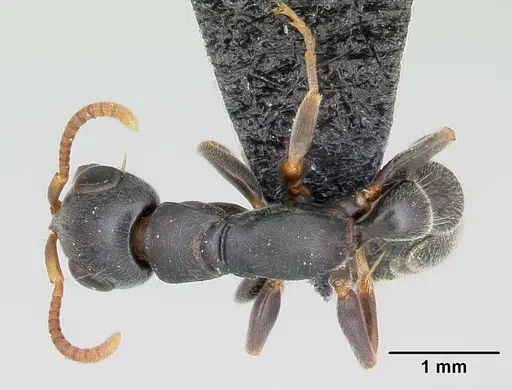
CASENT0178283
View on AntWeb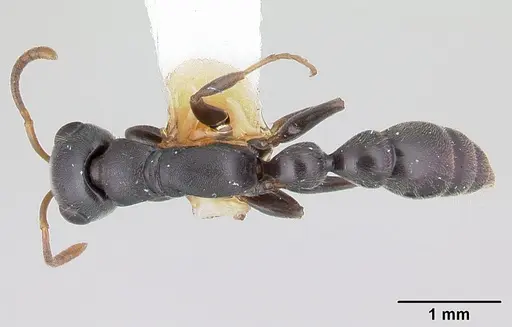
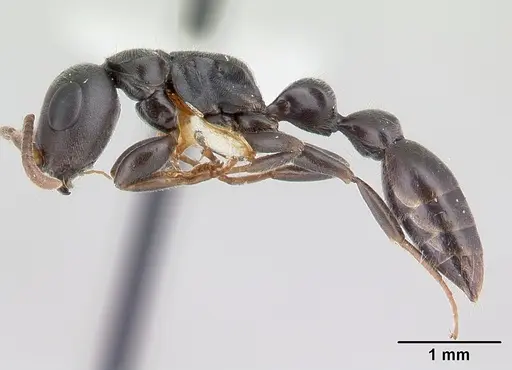
CASENT0794203
View on AntWeb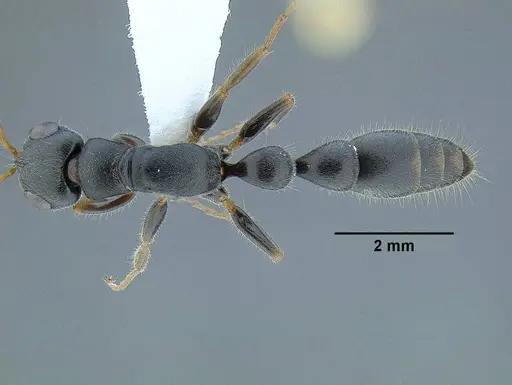
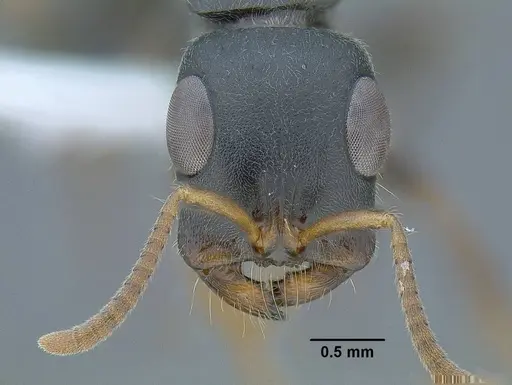
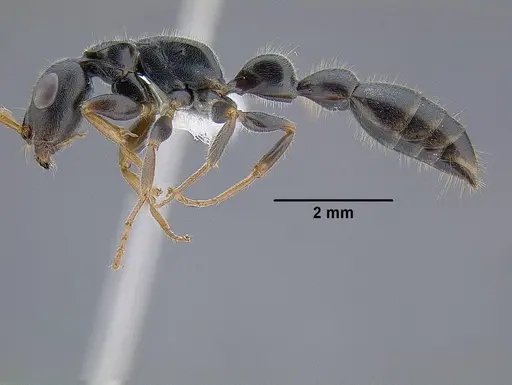
CASENT0904032
View on AntWeb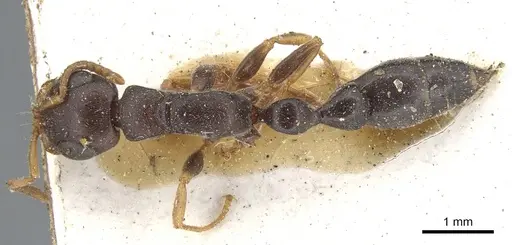
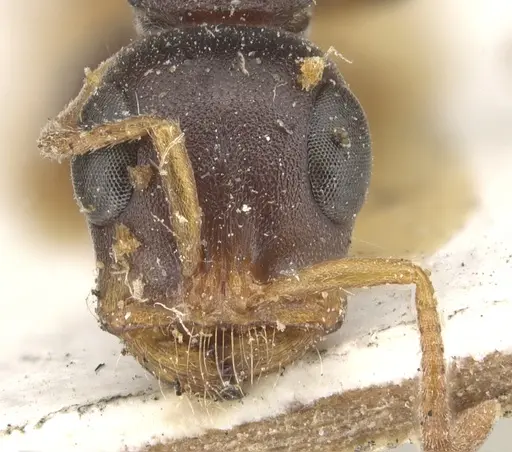
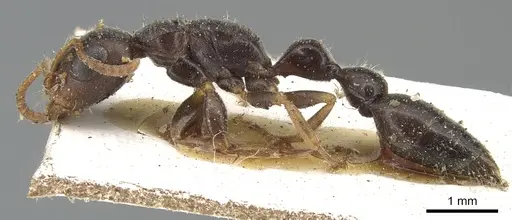
CASENT0907473
View on AntWeb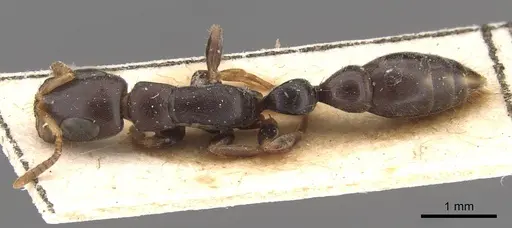
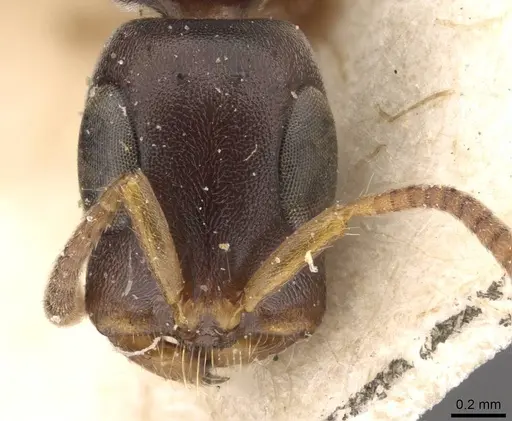
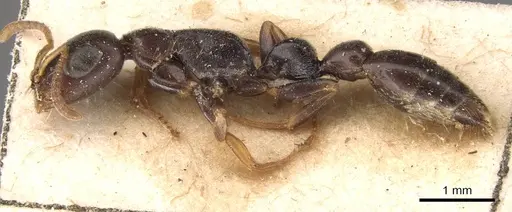
CASENT0907475
View on AntWeb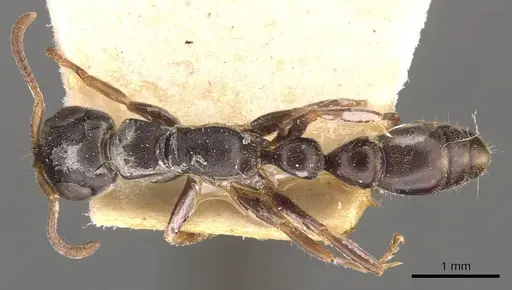
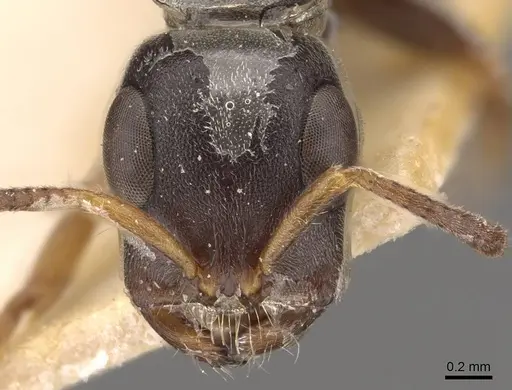
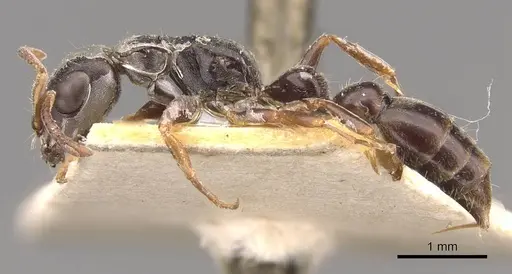
CASENT0913719
View on AntWeb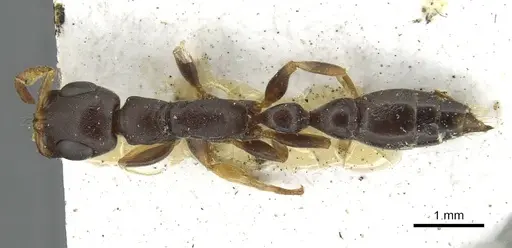
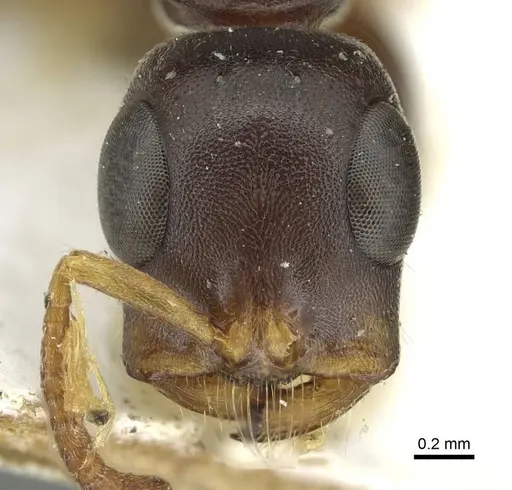
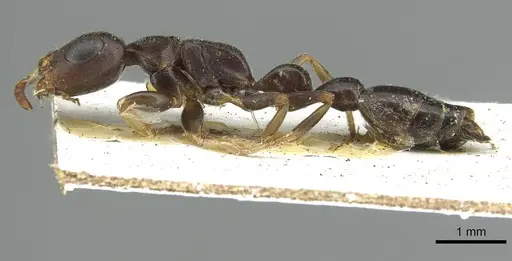
CASENT0913720
View on AntWeb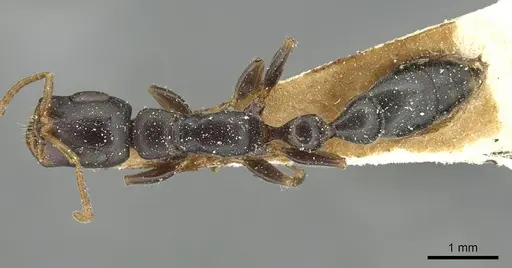
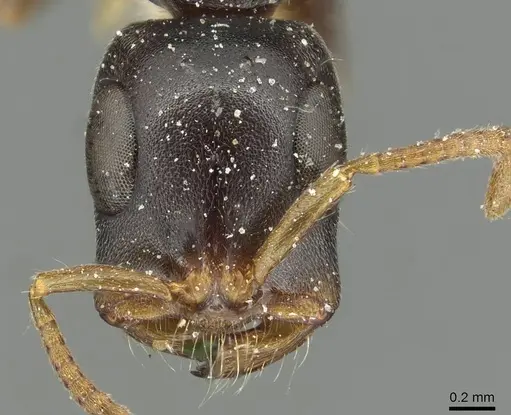
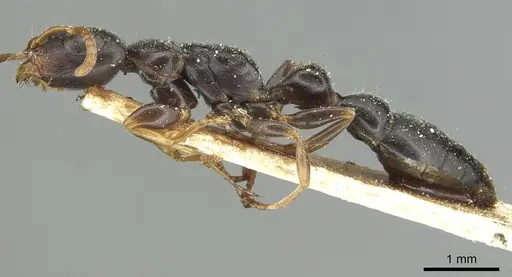
CASENT0915530
View on AntWeb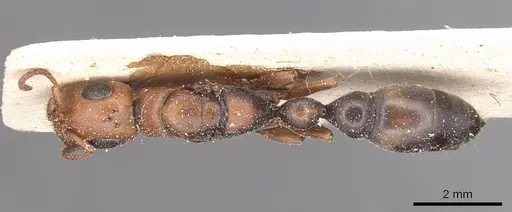
CASENT0915531
View on AntWeb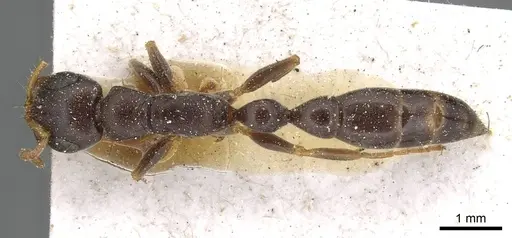
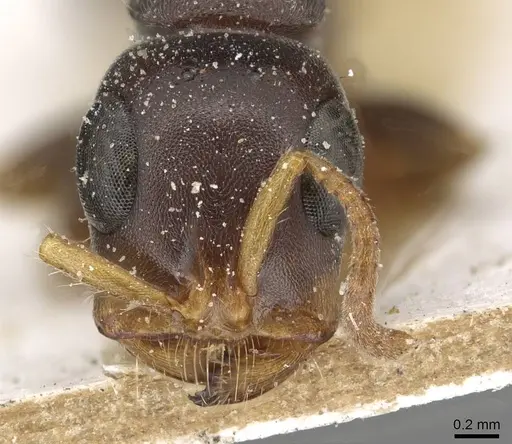
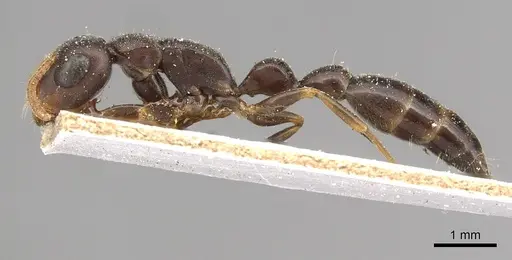
CASENT0915541
View on AntWeb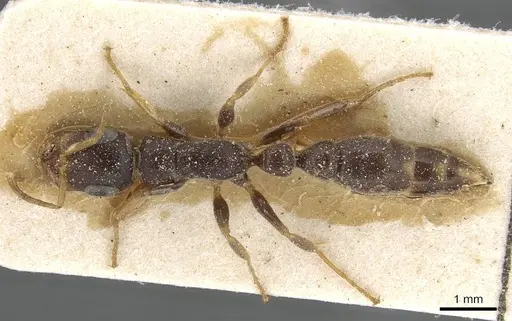
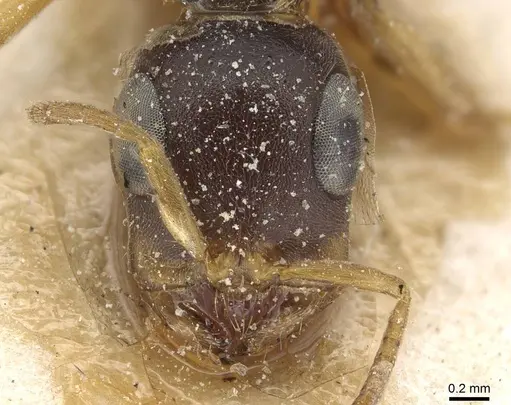
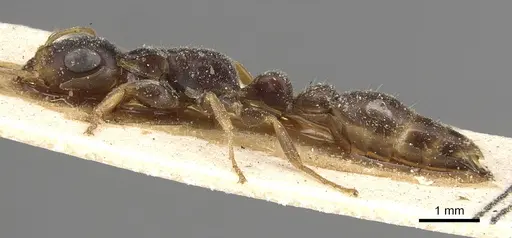
CASENT0916865
View on AntWeb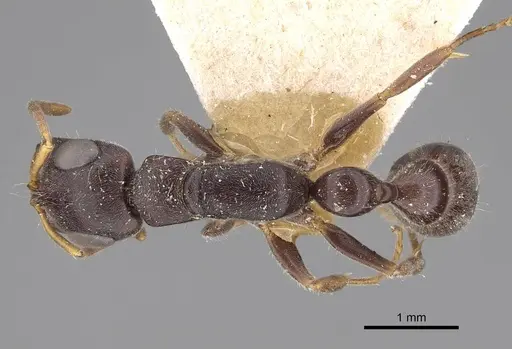
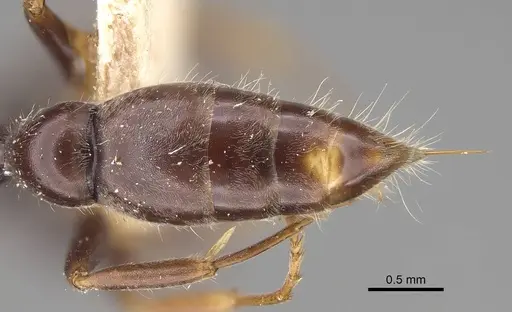
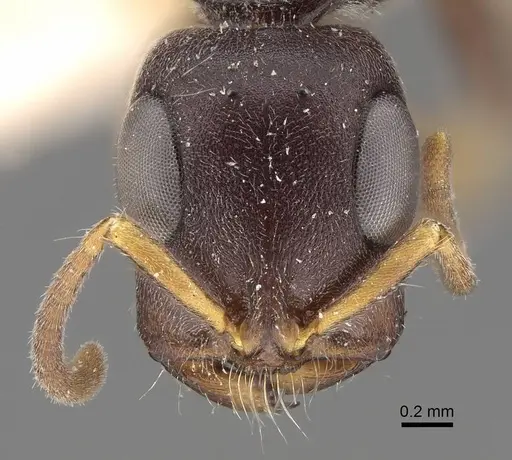
CASENT0916866
View on AntWeb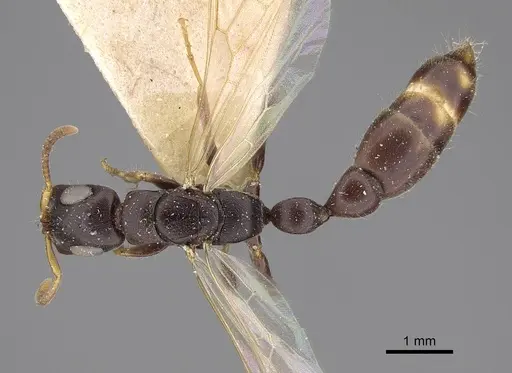
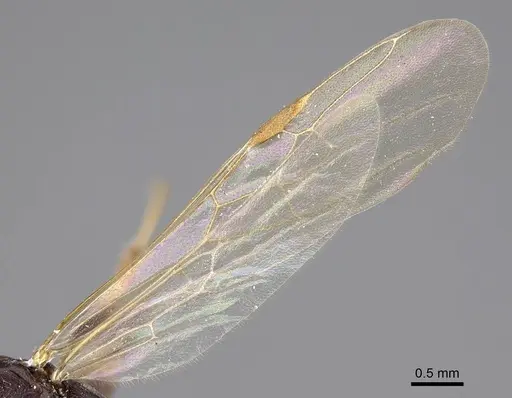
CASENT0922550
View on AntWeb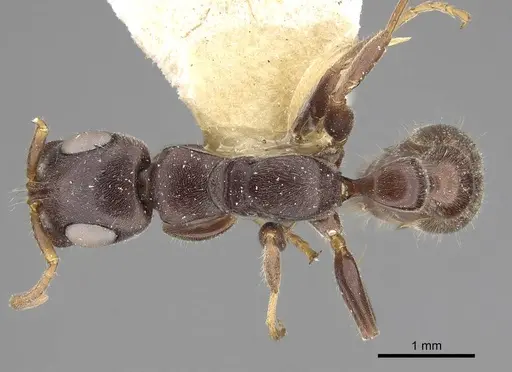
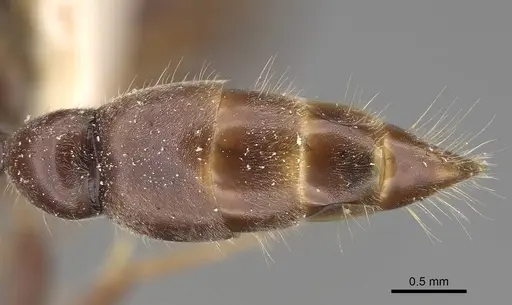
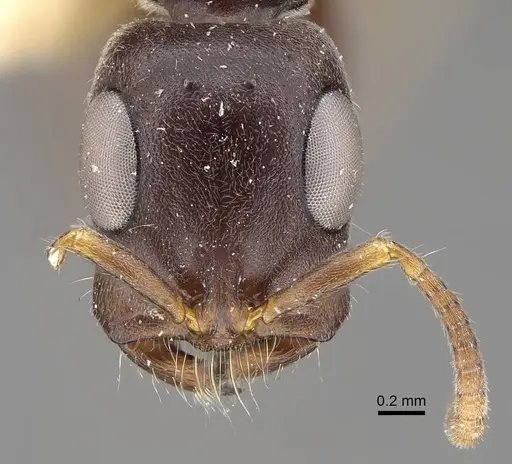
FOCOL1153
View on AntWeb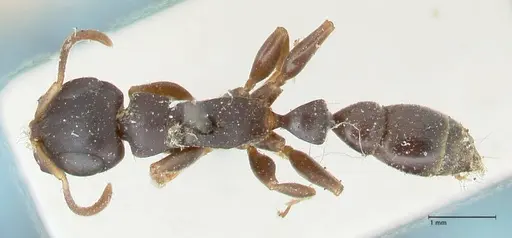
FOCOL1154
View on AntWeb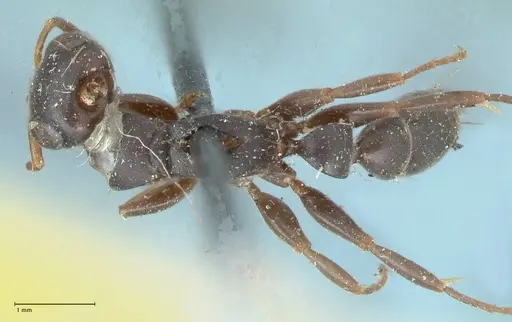
FOCOL1161
View on AntWeb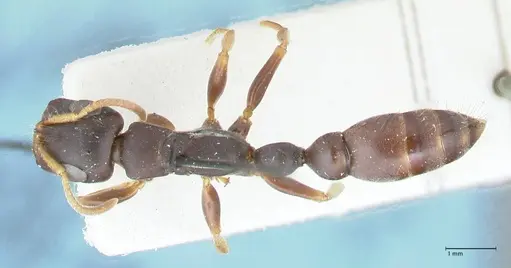
FOCOL1162
View on AntWeb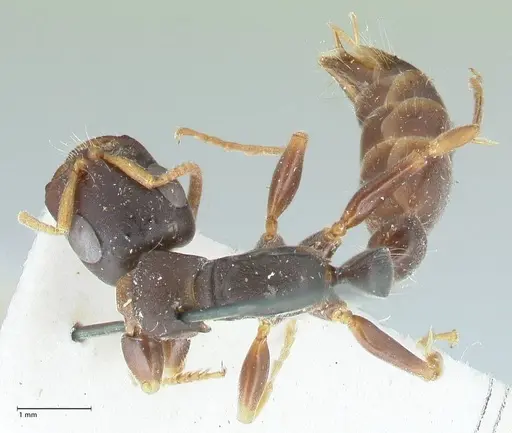
Literature
Loading distribution map...Loading products...