
Tetraponera longula
- Sci. Name
- Tetraponera longula
- Tribe
- Pseudomyrmecini
- Subfamily
- Pseudomyrmecinae
- Author
- Emery, 1895
- Distribution
- Found in 1 countries
Introduction
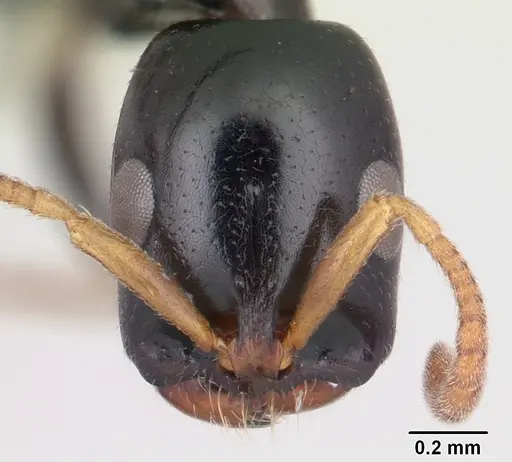
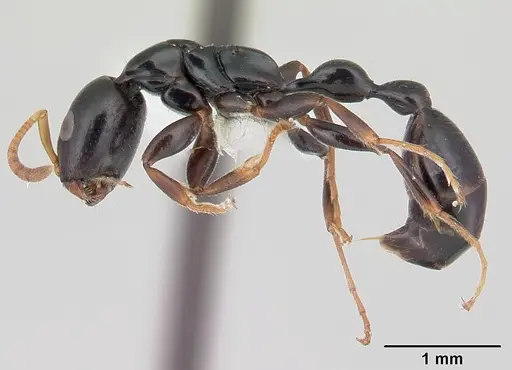
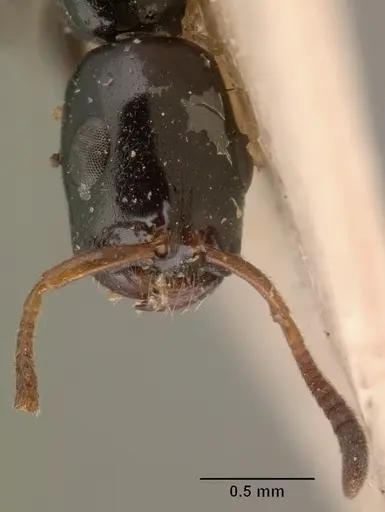
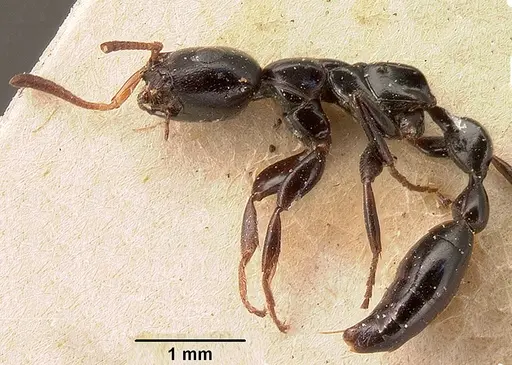
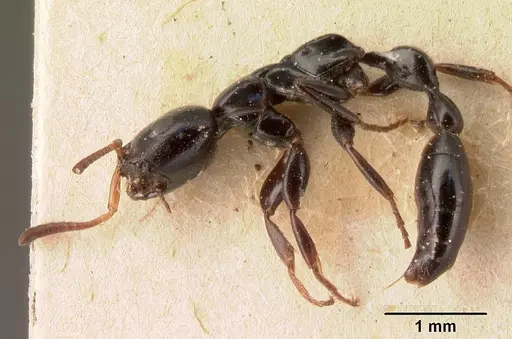
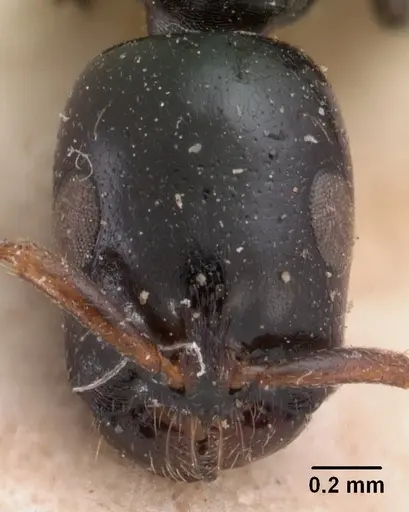
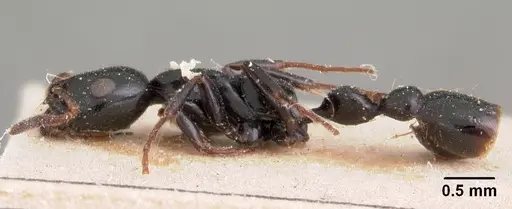
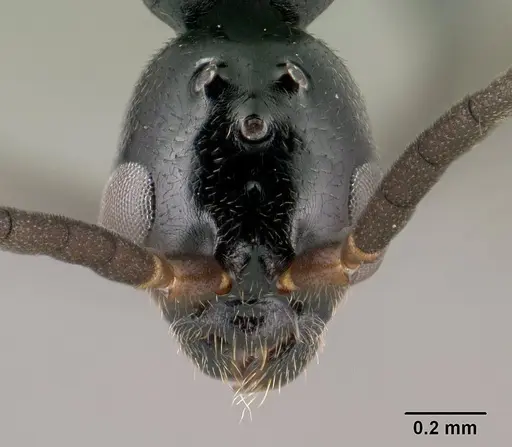
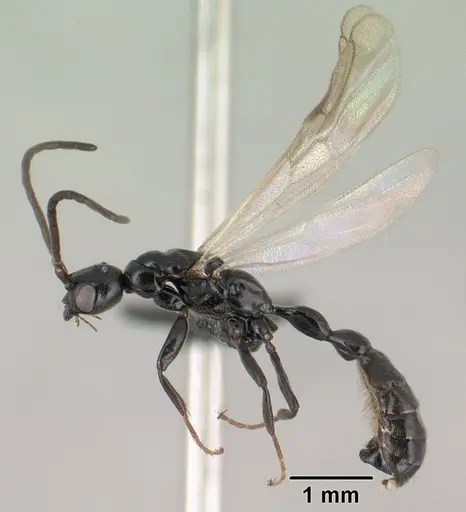
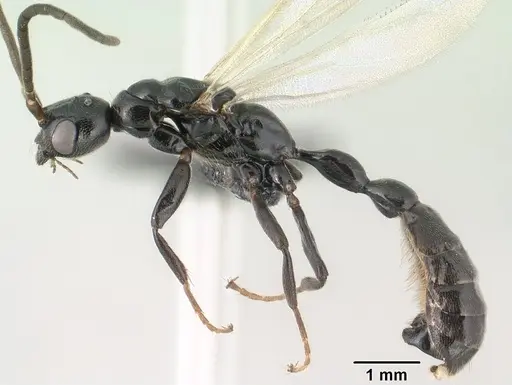
Tetraponera longula is a slender, arboreal ant from Madagascar's coastal rainforests. It was originally described as a variety of Sima sahlbergi before being recognized as a distinct species . Found at low elevations (around 25 m) on the Masoala Peninsula , this species prefers humid, shaded forest environments . It forms small colonies and is considered a non-dominant ant in its ecosystem - it ranked third most common in a coastal transect with 9% relative frequency . Typical of the Pseudomyrmecinae subfamily, it has a well-developed sting used to defend its host plants. Size details are currently unavailable for this species.
Quick Summary
- Difficulty: Medium
- Origin & Habitat: Native to Madagascar, specifically recorded from coastal rainforest at about 25 m elevation on the Masoala Peninsula [2]. It is arboreal and prefers humid, shaded conditions [3].
- Colony Type: Small colonies with a single queen, typical for the Tetraponera genus, though specific colony structure details are not confirmed for this species.
- Size & Growth:
- Queen: Size data unavailable, inferred from Tetraponera genus patterns (~7-9 mm)
- Worker: Size data unavailable, inferred from Tetraponera genus patterns (~3-6 mm)
- Colony: Small, likely under 500 workers, based on non‑dominant status [4]
- Growth: Moderate (inferred from small colony size)
- Development: Estimated 6-8 weeks (based on related Pseudomyrmecinae species, species‑specific timing unconfirmed) (Development timeline is inferred from genus‑level data, specific timing for T. longula is unknown.)
- Antkeeping:
- Temperature: Based on its tropical origin, keep warm and stable: 24-28 °C. Avoid drops below 22 °C.
- Humidity: High humidity is needed. Keep nest substrate consistently moist but not waterlogged, with good ventilation to prevent mold.
- Diapause: No, as a tropical species, it does not require hibernation. Keep warm year‑round.
- Nesting: Arboreal, so provide a nest with narrow chambers (e.g., Y‑tong or wooden formicarium) and include climbing structures in the outworld.
- Behavior: Generally peaceful and non‑aggressive toward keepers. Workers are fast‑moving and alert. They have a sting (typical of Pseudomyrmecinae) but are not known to sting humans unless seriously provoked. Escape prevention is critical due to their small size, use tight‑fitting lids and barrier gel or fluon on container edges.
- Common Issues: small colony size means slower growth, don't expect rapid expansion, high humidity can lead to mold problems if ventilation is poor, arboreal nature means they need climbing structures and may not use ground‑level foraging areas, tropical species will decline if temperatures drop below 22 °C, escape prevention is critical due to small worker size
Housing and Nest Setup
As an arboreal species, Tetraponera longula needs a setup that mimics tree‑dwelling conditions. A wooden or Y‑tong (AAC) nest with narrow chambers works well. Unlike ground‑nesting ants, they prefer climbing structures in the outworld, include branches, twigs, or vertical surfaces. The nest should be kept humid but well‑ventilated. Place a water reservoir to maintain moisture without flooding. Because workers are small, ensure connections between chambers are properly sized. Escape prevention is critical, use tight‑fitting lids and apply barrier gel or fluon on outworld edges.
Feeding and Diet
Tetraponera longula is a generalist forager. In captivity, offer protein sources (small insects such as fruit flies, pinhead crickets, or small mealworms) 2-3 times per week. Keep sugar water or honey water constantly available. Remove uneaten prey after 24-48 hours to prevent mold and hygiene issues.
Temperature and Seasonal Care
This tropical species requires warm conditions year‑round. Keep the nest at 24-28 °C. Temperatures below 22 °C can lead to colony decline, while above 32 °C may stress them. Use a small heating cable on one side to create a gradient, always providing an unheated area. No hibernation (diapause) is needed, maintain consistent warmth throughout the year. Avoid placing the colony near air‑conditioning vents or drafty windows.
Humidity Management
Native to humid rainforest, T. longula requires a consistently moist nest substrate, damp to the touch, but never waterlogged. Use a water reservoir or misting system, but ensure good ventilation with mesh tops or small holes to prevent mold. Watch for condensation buildup on nest walls, which can drown small colonies. If water droplets accumulate heavily, increase ventilation slightly.
Colony Development
Tetraponera longula forms small colonies, so growth is slower than many common species. A founding queen typically produces her first workers (nanitics) within about 6-8 weeks under optimal conditions. These first workers will be smaller than mature workers. Colony growth is gradual, expect several months to reach 50 workers, and perhaps a year or more to reach larger numbers. This species is not for keepers expecting rapid expansion. Be patient and avoid overfeeding, which can cause mold issues in small colonies.
Frequently Asked Questions
How long does it take for Tetraponera longula to get first workers?
Expect first workers (nanitics) approximately 6-8 weeks after the queen lays eggs, assuming optimal conditions of 24-28 °C and high humidity. This timeline is an estimate based on related Pseudomyrmecinae species, specific data for T. longula is unavailable.
Can I keep Tetraponera longula in a test tube?
Test tubes can work for founding colonies, but once the colony reaches about 20-30 workers, move them to a proper nest with narrow chambers and climbing structures. A Y‑tong or wooden formicarium is ideal for established colonies.
Do Tetraponera longula ants sting?
Like other members of the Pseudomyrmecinae subfamily, T. longula has a well‑developed sting. However, they are generally peaceful toward keepers and will flee rather than attack. Stings are rare unless the ants are seriously provoked.
What temperature do Tetraponera longula ants need?
Keep them at 24-28 °C. As a tropical species, they require warm conditions and will decline below 22 °C. Use a heating cable on one side of the nest to maintain a gradient, always providing an unheated area.
Are Tetraponera longula good for beginners?
This species is rated as medium difficulty. The small colony size and slower growth require patience. Humidity and temperature requirements are straightforward but must be consistent. Beginners should be prepared for slower progress than with faster‑growing species.
How big do Tetraponera longula colonies get?
Colonies remain relatively small, likely under 500 workers. This is natural for the species, they are non‑dominant in their ecosystem and do not form large supercolonies [4].
Do Tetraponera longula need hibernation?
No, they do not require hibernation. As a tropical species from Madagascar, they need warm conditions year‑round. There is no seasonal diapause period.
What do Tetraponera longula eat?
They are generalist feeders. Offer small insects (fruit flies, pinhead crickets, small mealworms) as protein 2-3 times per week, and keep sugar water or honey water available at all times. Remove uneaten prey after 24-48 hours.
Why is my Tetraponera longula colony declining?
Common causes include: temperatures below 22 °C, poor humidity (too dry or too wet with poor ventilation), mold from overwatering, or insufficient protein. Check temperature first, then review humidity. Small colonies are sensitive to environmental stress.
When should I move Tetraponera longula to a formicarium?
Move them when the test tube colony reaches about 20-30 workers or when the water reservoir runs low. Choose a nest with narrow chambers scaled to their small size and include climbing structures in the outworld.
Report an Issue
The current care sheet is based fully on literature. See inconsistencies, or something that's incorrect? Please , it will be resolved after review from an admin. Contributing to the blogs tab also helps providing information, to make us be able to further improve the caresheets. Thank you for your support!
References

This caresheet is licensed under CC BY-SA 4.0 .
Community Blogs
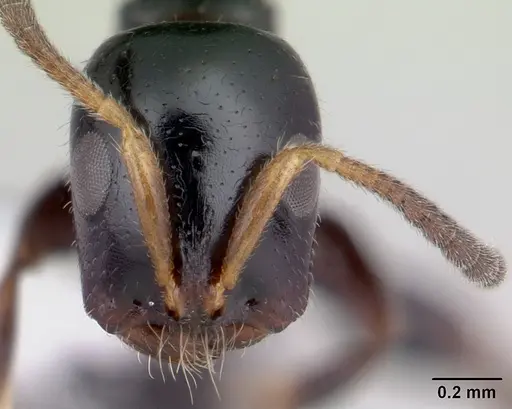
CASENT0012843
View on AntWeb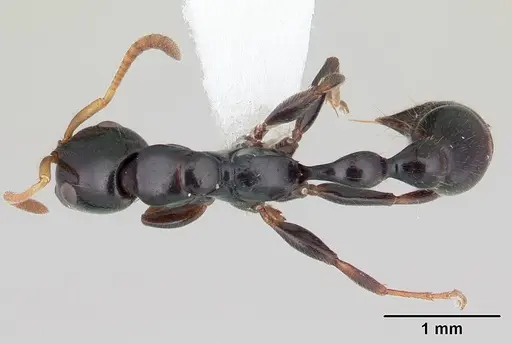
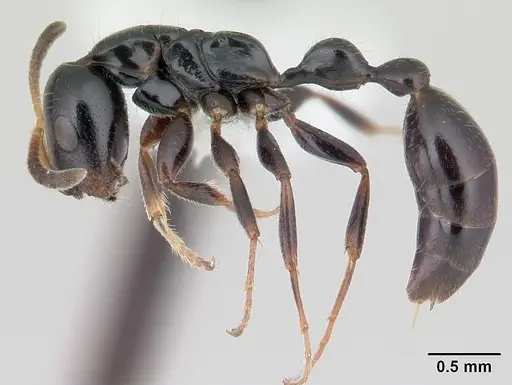
CASENT0012844
View on AntWeb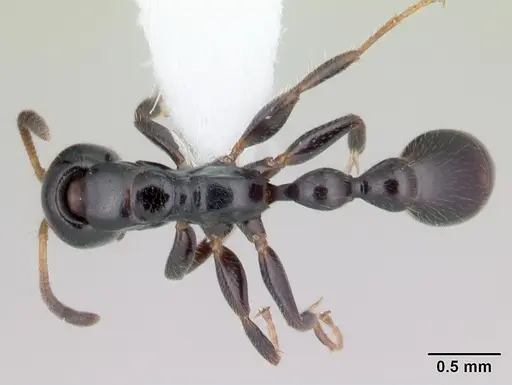
CASENT0101395
View on AntWeb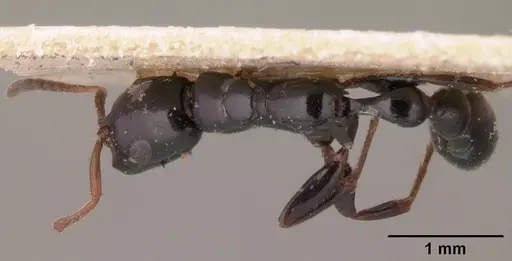
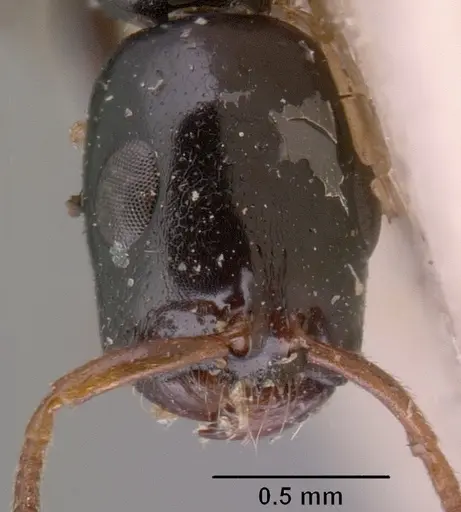
CASENT0102031
View on AntWeb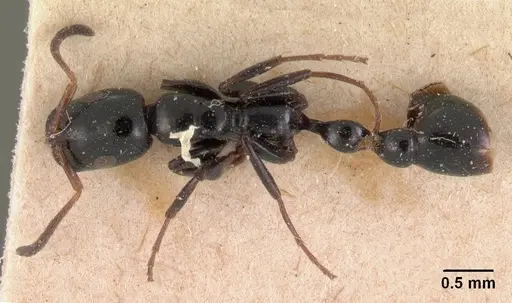
CASENT0138661
View on AntWeb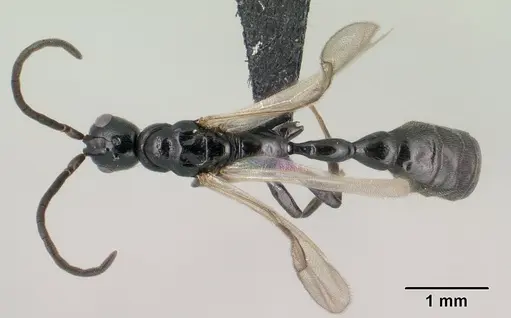
Literature
Loading distribution map...Loading products...