
Tetraponera latifrons
- Sci. Name
- Tetraponera latifrons
- Tribe
- Pseudomyrmecini
- Subfamily
- Pseudomyrmecinae
- Author
- Emery, 1912
- Distribution
- Found in 6 countries
Introduction
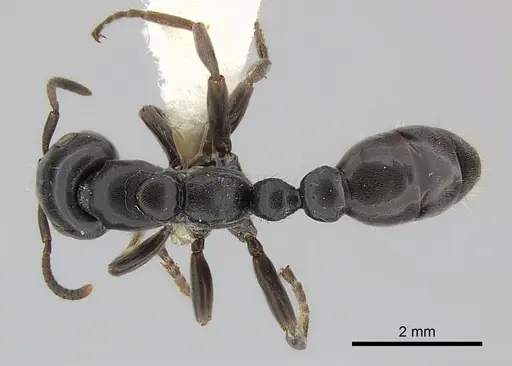
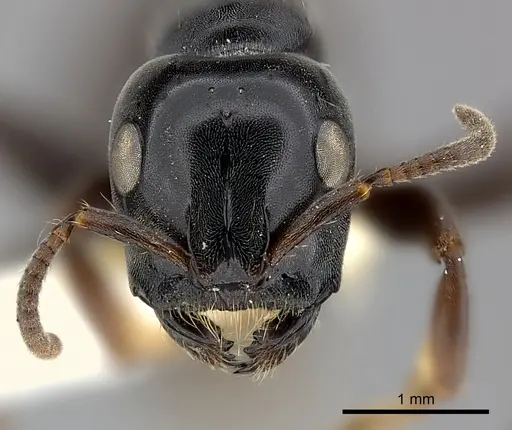
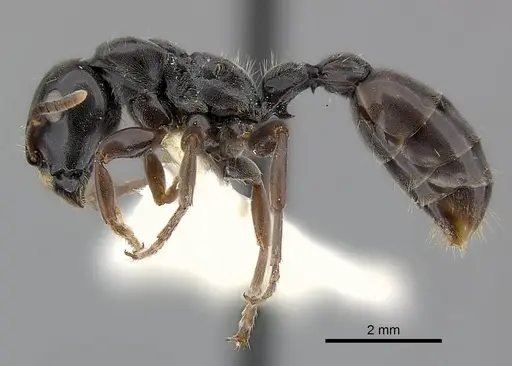
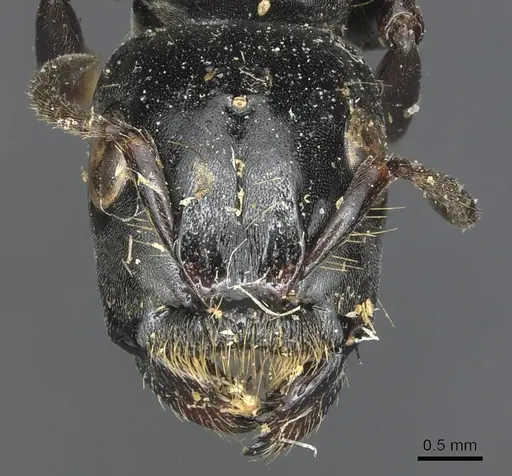
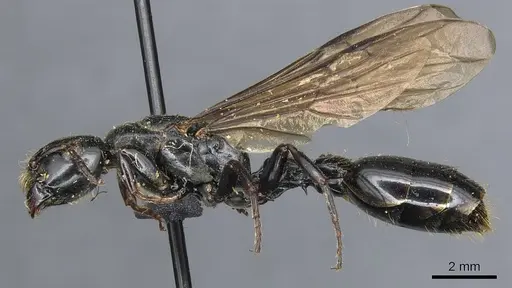
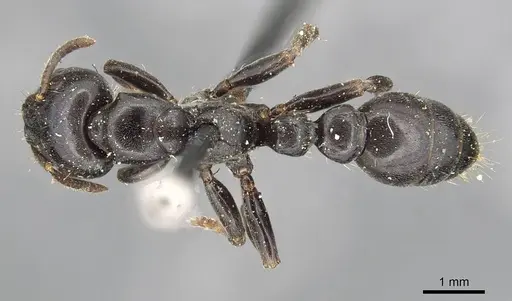
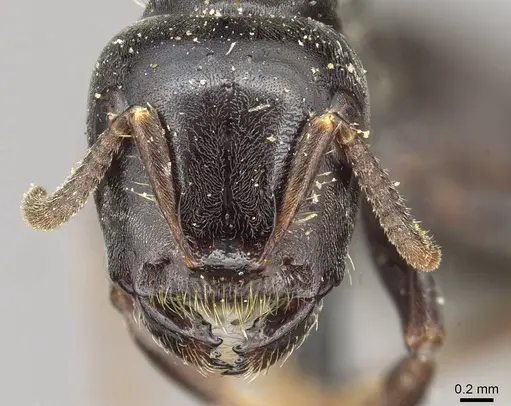
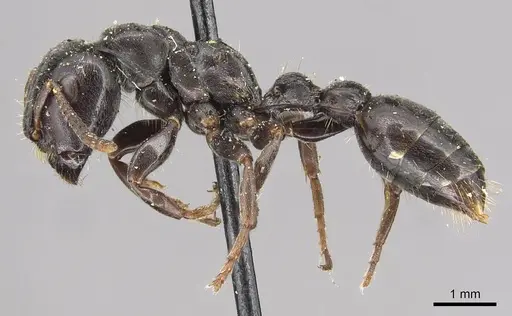
Tetraponera latifrons is a slender, wasp-like ant belonging to the subfamily Pseudomyrmecinae. Size data is unavailable. This species is native to West and Central Africa, found in countries including Cameroon, Nigeria, Congo, Democratic Republic of the Congo, and Gabon . It is a specialist inhabitant of the antplant *Barteria fistulosa*, living within the domatia (hollow structures) of this plant and protecting it in return for shelter . It has also been found in domatia of *Vitex staudtii* and *Barteria dewevrei* . This mutualistic relationship with plants makes *T. latifrons* a unique species for antkeepers interested in plant-dwelling ants. The ant is also associated with a specific fungus (OTU Y9) in its domatia .
Quick Summary
- Difficulty: Expert
- Origin & Habitat: West and Central African lowland tropical rainforests. This species is a specialist inhabitant of *Barteria* antplants (primarily *B. fistulosa* and *B. dewevrei*), nesting within the domatia of these plants [2][4]. It has also been recorded in *Vitex staudtii* [3].
- Colony Type: Unknown, no confirmed data on queen number. As a plant-dwelling specialist, colonies likely consist of a single queen residing within the plant's hollow structures, but this is not documented.
- Size & Growth:
- Queen: Size data unavailable, no total length measurements are available in the literature.
- Worker: Size data unavailable, no total length measurements are available in the literature.
- Colony: Unknown, maximum colony size has not been recorded.
- Growth: Unknown, no published data on colony growth rate.
- Development: Unknown, no published data on development time. (As a tropical species, development is expected to be continuous if kept warm, but exact timelines are not documented.)
- Antkeeping:
- Temperature: No specific data, as a tropical species from African rainforests, keep warm (24-28°C). Avoid drops below 22°C. Provide a slight temperature gradient if possible.
- Humidity: No specific data, likely high, reflecting its rainforest habitat. Keep the nest substrate consistently moist but not waterlogged. Use a humidity gradient in the nest (one moist area, one drier area).
- Diapause: No, this tropical species does not require winter diapause. Keep warm year-round.
- Nesting: Specialist plant-dweller. In captivity, provide a naturalistic setup with live or dried *Barteria* stems, or a Y-tong (AAC) or plaster nest with high humidity and narrow tunnels mimicking domatia. Avoid acrylic nests. Ensure excellent ventilation to prevent mold.
- Behavior: Active and alert workers that patrol extensively. As a plant-dwelling species, they are excellent climbers and can escape easily. They are defensive of their territory and will sting if threatened, as is typical of Pseudomyrmecinae. Workers are fast-moving. Escape prevention is essential, use tight-fitting lids and barrier gel or fluon on container edges.
- Common Issues: tropical temperature requirements mean colonies can decline if kept too cool, maintain 24-28°C year-round., escape prevention is critical, these are active, slender ants that squeeze through small gaps., high humidity needs can lead to mold if ventilation is inadequate, ensure airflow., plant-dwelling lifestyle means they may struggle in conventional test tube setups, provide a naturalistic nest with plant material., wild-caught colonies may arrive with plant material that needs proper humidification or may contain fungal associate (OTU Y9) that could affect health.
Housing and Nest Setup
Tetraponera latifrons requires a setup that mimics its natural plant-dwelling habitat. The ideal setup is a naturalistic terrarium with live Barteria fistulosa or Barteria dewevrei plants, which provide the domatia this species naturally inhabits [2]. If live plants aren't available, a Y-tong (AAC) or plaster nest with high humidity chambers works well. The nest should have multiple chambers connected by narrow tunnels, replicating the enclosed spaces of plant domatia. Ensure excellent escape prevention, these active ants will find any gap. Use a water reservoir or moisture wicking system to maintain high humidity. A small outworld for foraging allows you to offer food without disturbing the nest area.
Feeding and Diet
In the wild, Tetraponera latifrons is a generalist forager that tends honeydew-producing insects and hunts small prey [1]. In captivity, offer a varied diet including sugar water or honey as a constant energy source. Protein should come from small insects like fruit flies, pinhead crickets, or mealworms. Feed protein 2-3 times per week, and replace uneaten prey after 24 hours to prevent mold. Fresh water should always be available. No specific dietary preferences are documented.
Temperature and Humidity
As a tropical African species, T. latifrons likely requires warm temperatures of 24-28°C. Temperatures below 22°C can slow colony activity and development, while temperatures above 30°C may cause stress. Use a heating cable or mat on one side of the nest to create a gentle gradient, allowing ants to self-regulate. Humidity should remain high, keep the nest substrate consistently moist but not waterlogged. This species is adapted to the humid rainforest environment of Central and West Africa. Use a hygrometer to monitor conditions, and mist the nest area occasionally if humidity drops. However, avoid constant misting, good ventilation prevents mold while maintaining humidity. [1]
Behavior and Colony Dynamics
Tetraponera latifrons workers are active foragers that patrol extensively throughout their territory. They are excellent climbers and will readily ascend plant stems or any textured surface. When threatened, workers use a well-developed sting (subfamily Pseudomyrmecinae), which is their primary defense mechanism. Colonies are likely moderate-sized, but no precise data exists. The queen resides within the nest domatia. No worker polymorphism or division into major/minor is documented. This species shows typical pseudomyrmecine behavior, alert, fast-moving, and highly responsive to disturbances. [1]
Seasonal Care
Unlike temperate ants, T. latifrons does not require a winter diapause. Keep the colony at consistent tropical temperatures year-round (24-28°C). If your room temperature drops below 22°C in winter, use supplemental heating. The colony should remain active throughout the year. Breeding may slow slightly in cooler conditions, but maintaining stable warmth prevents any seasonal downturns. This makes them suitable for keepers who prefer not to manage hibernation cycles. [1]
Frequently Asked Questions
Can I keep Tetraponera latifrons in a test tube?
Test tubes are not ideal for this species. As a plant-dwelling specialist, they prefer enclosed spaces with high humidity. A naturalistic setup with plant material or a humid Y-tong/plaster nest works much better. If you must use a test tube, provide a water reservoir and keep it in a humid enclosure.
How long does it take for Tetraponera latifrons to produce first workers?
This is unknown, no published data exists on development time for this species.
Do Tetraponera latifrons ants sting?
Yes, they belong to subfamily Pseudomyrmecinae, which has a well-developed sting used for defense. They may also bite. They are not considered dangerous to humans.
Are Tetraponera latifrons good for beginners?
No, this species is rated Expert. Specific conditions (high humidity, tropical temperatures) may challenge even experienced keepers. Additionally, they are an obligate plant-dwelling species, making captive care difficult without live host plants. Not recommended for beginners.
What do Tetraponera latifrons eat?
They are generalist feeders. Offer sugar water or honey as a constant energy source, and protein from small insects like fruit flies, crickets, or mealworms 2-3 times per week. They also tend honeydew in the wild, so sugar sources are readily accepted.
How big do Tetraponera latifrons colonies get?
Unknown, no published data on maximum colony size. Based on related Tetraponera, colonies likely remain moderate (a few hundred workers), but this is unconfirmed.
Do Tetraponera latifrons need hibernation?
No. This is a tropical African species that does not require diapause. Keep them at consistent warm temperatures year-round (24-28°C). They remain active throughout the year in captivity when properly heated.
Why are my Tetraponera latifrons dying?
Common causes include: temperatures below 22°C, low humidity, poor escape prevention, or inadequate protein. Check all three parameters first. Also ensure they are not in a dry test tube setup, they need humid conditions. No specific disease data exists.
Can I keep multiple queens together?
Not recommended, colony structure is unknown. Keeping multiple unrelated queens together is not documented and likely not possible. A single queen with her colony is the standard approach.
When should I move Tetraponera latifrons to a formicarium?
Move established colonies (when they outgrow their initial nest) to a naturalistic setup or larger humid nest. They do well in naturalistic terrariums with plant material. Wait until the colony is strong and actively foraging before upgrading their housing.
Report an Issue
The current care sheet is based fully on literature. See inconsistencies, or something that's incorrect? Please , it will be resolved after review from an admin. Contributing to the blogs tab also helps providing information, to make us be able to further improve the caresheets. Thank you for your support!
References

This caresheet is licensed under CC BY-SA 4.0 .
Community Blogs
Literature
Loading distribution map...Loading products...