
Tetraponera hysterica
- Sci. Name
- Tetraponera hysterica
- Tribe
- Pseudomyrmecini
- Subfamily
- Pseudomyrmecinae
- Author
- Forel, 1892
- Distribution
- Found in 1 countries
Introduction
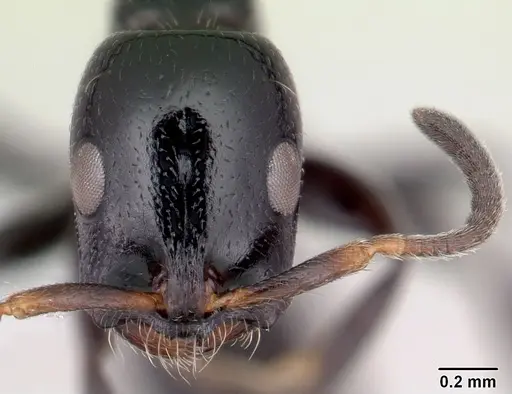
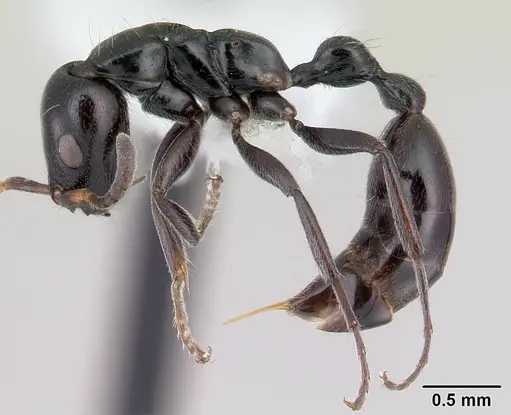
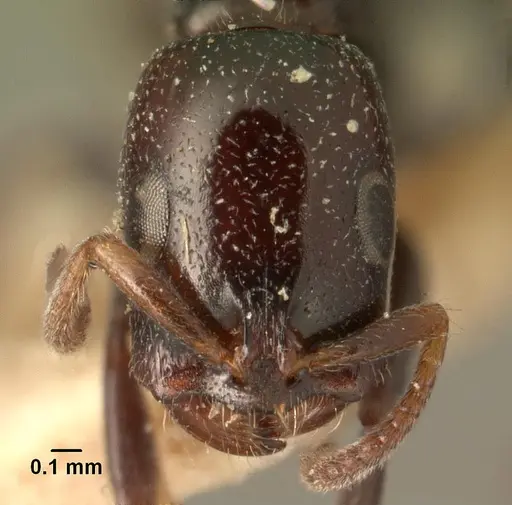
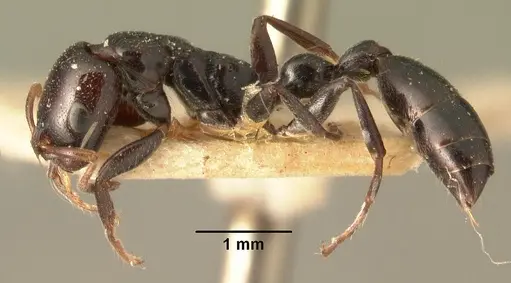
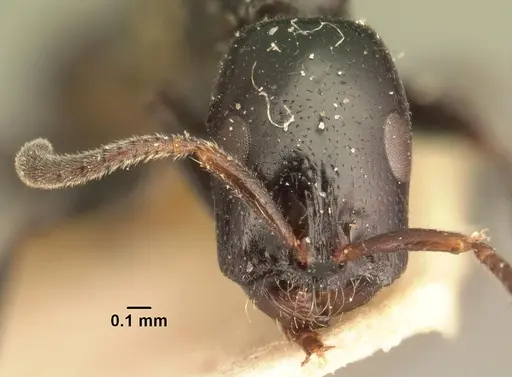
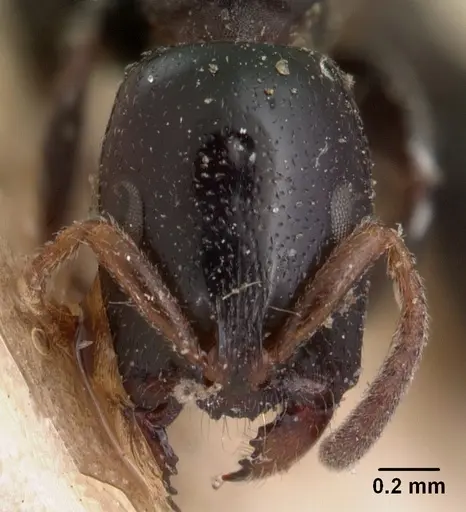
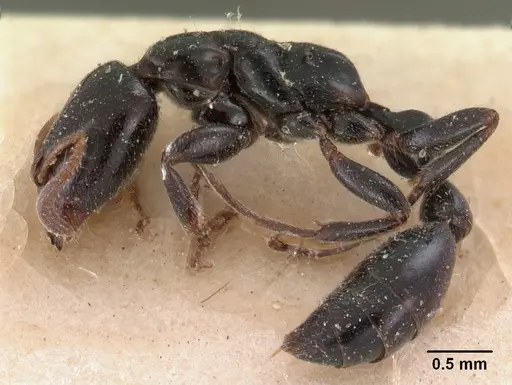
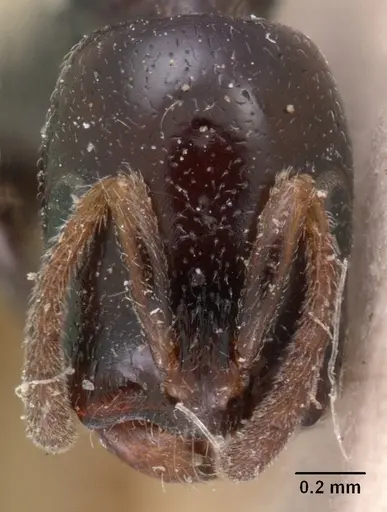
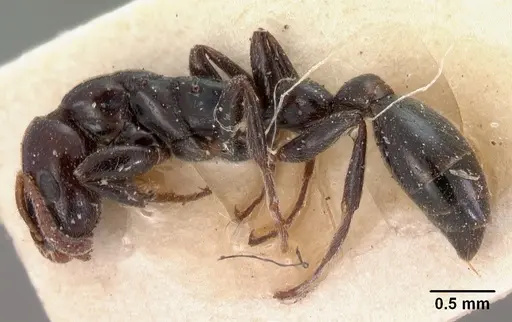
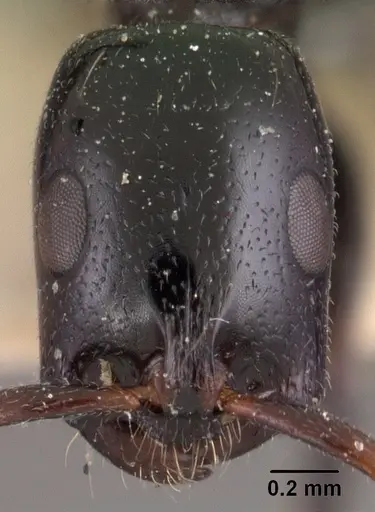
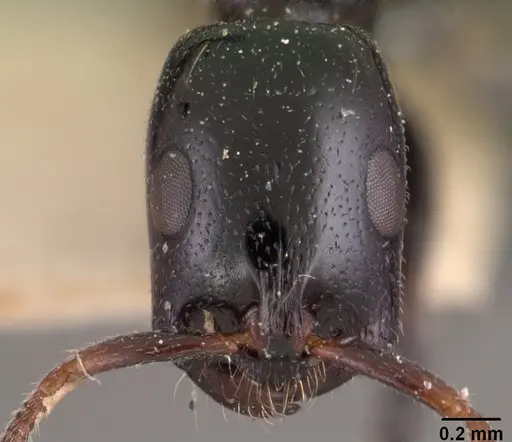
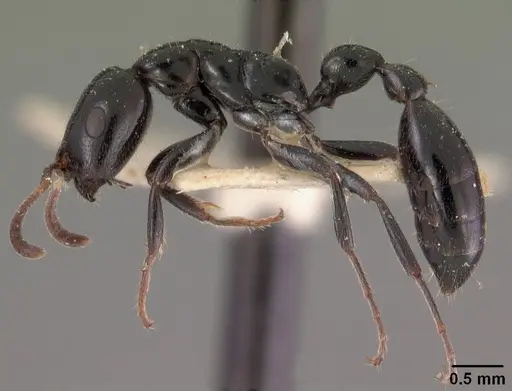
Tetraponera hysterica is a slender, elongated ant from the Pseudomyrmecinae subfamily, commonly known as twig ants due to their preference for nesting in hollow plant stems. Workers are typically reddish-brown to dark brown with a narrow body and long legs, though coloration is inferred from the genus as no specific description exists in the literature. This species is endemic to Madagascar and belongs to the Tetraponera allaborans species group . It was originally described by Forel in 1892 . Tetraponera hysterica is associated with Albizia trees and is a facultative domatia-nester, meaning it can nest inside living plant stems that offer pre-formed cavities . It also acts as a generalist twig-nester, occupying abandoned beetle burrows and other hollow plant material . This arboreal lifestyle makes it an interesting species for keepers who want to observe natural ant-plant interactions.
Quick Summary
- Difficulty: Medium
- Origin & Habitat: Madagascar, found across the Malagasy region including Anosibé (type locality), Andranohinaly, Tulear, and Lake Alaotra. Inhabits forests and savanna areas at elevations around 430 m [3][4][1].
- Colony Type: Unconfirmed, likely monogyne (single queen) based on typical Pseudomyrmecinae patterns, though no direct documentation exists for this species. Colony structure is typical of twig-nesting species, with relatively small populations.
- Size & Growth:
- Queen: Inferred from genus, likely around 8-10 mm
- Worker: Inferred from genus, likely around 4-6 mm
- Colony: Unknown, inferred from twig-nesting Pseudomyrmecinae, typically up to a few hundred workers at maturity
- Growth: Moderate, estimated based on related species
- Development: Estimated 6-8 weeks at warm tropical temperatures (24-28°C) based on related Pseudomyrmecinae (Direct measurements for Tetraponera hysterica are not available, timeline is inferred from related species)
- Antkeeping:
- Temperature: Likely 24-28°C based on tropical origin. Avoid temperatures below 22°C as this species is adapted to Madagascar's warm climate. No direct data on optimal temperature.
- Humidity: Moderate to high, keep nest substrate consistently moist but well-drained. Ensure good ventilation to prevent mold. As an arboreal species, they tolerate slightly drier conditions than ground-nesters but still need access to moisture.
- Diapause: No, as a tropical species from Madagascar, Tetraponera hysterica does not require hibernation. Maintain year-round warm conditions.
- Nesting: Provide a naturalistic setup with twigs, small hollow stems, or Y-tong (AAC) nests with narrow chambers that mimic their natural twig-nesting behavior [2]. Position nests vertically or at an angle.
- Behavior: Tetraponera hysterica is an arboreal, predatory ant that actively forages on vegetation and tree bark. Workers are agile and quick, using their long legs to move rapidly through plants. They are predatory and will hunt small insects and arthropods. This species is not particularly aggressive toward keepers but will defend their nest if threatened. They have a functional stinger, typical of Pseudomyrmecinae. Escape prevention is important as they are quick and can squeeze through small gaps. They are diurnal, reflecting their arboreal foraging patterns.
- Common Issues: cold stress, tropical species requires consistent warmth below 22°C can be lethal, live prey requirement, they may reject dead insects or sugar alone, escape risk, small size and quick movement require tight seals, mold from poor ventilation in nests without adequate airflow, slow colony growth compared to ground-nesting species, be patient with development
Housing and Nest Setup
Tetraponera hysterica is an arboreal species that naturally nests in hollow twigs, stems, and plant domatia [2]. In captivity, you can replicate this with a naturalistic setup using small twigs or hollow plant stems, or use a Y-tong (AAC) formicarium with narrow chambers to mimic their natural nesting cavities [2]. The nest should be positioned vertically or at an angle, as this species prefers elevated nesting sites. Include some decorative elements like fake leaves or branches in the outworld to give them climbing surfaces. A test tube setup can work for founding colonies, but they will do better in a more naturalistic arboreal setup as the colony grows. Ensure escape prevention is solid, these ants are quick and can slip through small gaps.
Feeding and Diet
As a predatory Pseudomyrmecinae ant, Tetraponera hysterica needs a protein-rich diet based on small live insects. Offer small prey like fruit flies, pinhead crickets, small mealworms, and other tiny arthropods. They are active hunters that will chase down moving prey. While some Pseudomyrmecinae occasionally accept honey or sugar water, this species is primarily predatory and may not show strong interest in sugar sources. Feed small prey items 2-3 times per week, adjusting based on colony size. Remove uneaten prey after 24 hours to prevent mold. A well-fed colony will have glossy, alert workers. Diet inference based on subfamily behavior.
Temperature and Seasonal Care
Being from tropical Madagascar, Tetraponera hysterica requires warm conditions year-round. Keep the nest area at 24-28°C with minimal temperature fluctuations. A small heating cable on one side of the nest can help maintain warmth, but avoid direct heat that could dry out the nest. Room temperature in most homes (20-24°C) may be slightly cool, consider using a small heat mat or placing the colony in a warmer room. This species does not require hibernation or winter cooling. Maintain consistent warmth throughout the year to support brood development. Cold stress is one of the most common issues with tropical species. No specific temperature data exists for this species, guidance is based on its tropical origin.
Behavior and Colony Dynamics
Tetraponera hysterica workers are active, diurnal foragers that spend much of their time hunting on vegetation and tree surfaces. They have excellent vision for an ant, which helps them locate prey in their arboreal habitat. Workers are slender and extremely fast-moving compared to many other ant species. When threatened, they can deliver a sting, Pseudomyrmecinae retain functional stingers unlike some other subfamilies. Colony size remains relatively small compared to ground-nesting species, typically reaching a few hundred workers at maturity. The queen lays eggs progressively, and the colony grows steadily rather than explosively. Workers may be seen patrolling plant stems and leaves in search of prey. These observations are based on typical Pseudomyrmecinae behavior.
Handling and Temperament
This species is not aggressive toward keepers but will defend its nest if disturbed. When handling, be aware that they can deliver a painful sting, while not medically significant for most people, it can be uncomfortable. They are best observed rather than handled. Their quick movement and small size make them challenging to contain during nest inspections, so work carefully and use appropriate lighting to spot escaped workers. Provide enrichment in the outworld with climbing structures and occasional prey hunting opportunities to keep workers active and engaged.
Frequently Asked Questions
How long does it take for Tetraponera hysterica to raise their first workers?
Based on genus-level data, expect 6-8 weeks from egg to first worker at optimal tropical temperatures (25-28°C). Development may be slower at cooler temperatures. The first workers (nanitics) will be smaller than mature workers.
Do Tetraponera hysterica ants sting?
Yes, Pseudomyrmecinae ants like Tetraponera hysterica have functional stingers. While not medically dangerous for healthy adults, the sting can be painful and may cause mild irritation. Handle with care and avoid provoking defensive behavior.
What do Tetraponera hysterica eat?
They are primarily predatory and need live small insects like fruit flies, pinhead crickets, small mealworms, and other tiny arthropods. They may occasionally accept sugar water or honey but protein prey should be their main food source.
Can I keep Tetraponera hysterica in a test tube?
Test tubes work for founding colonies but this arboreal species prefers more naturalistic setups with twigs or stems [2]. Once the colony reaches 10-20 workers, consider moving them to a Y-tong or naturalistic setup with vertical nesting options.
Do Tetraponera hysterica need hibernation?
No, as a tropical species from Madagascar, they do not require hibernation. Keep them warm year-round at 24-28°C. Cold temperatures can stress or kill this species.
How big do Tetraponera hysterica colonies get?
Based on typical Pseudomyrmecinae patterns, colonies likely reach a few hundred workers at maturity. They remain relatively small compared to many ground-nesting ant species.
Are Tetraponera hysterica good for beginners?
This species is rated as medium difficulty. While not the hardest ant to keep, their need for consistent warmth, live prey diet, and arboreal housing preferences make them better suited for keepers with some experience. Beginners should ensure they can maintain warm temperatures year-round.
Why is my Tetraponera hysterica colony declining?
Common causes include: cold temperatures (below 22°C), insufficient protein prey, too dry or too wet conditions, mold from poor ventilation, or stress from excessive disturbance. Check temperature first, then review feeding and humidity levels.
Can I keep multiple Tetraponera hysterica queens together?
This is not recommended. While colony structure is not fully documented for this species, combining unrelated queens of this genus typically leads to aggression. Start with a single founding queen.
What is the best nest type for Tetraponera hysterica?
Y-tong (AAC) nests with narrow chambers or naturalistic setups with small twigs/stems work best [2]. This species naturally nests in hollow plant material, so replicating these conditions supports natural behavior. Ensure the nest allows for vertical orientation.
Report an Issue
The current care sheet is based fully on literature. See inconsistencies, or something that's incorrect? Please , it will be resolved after review from an admin. Contributing to the blogs tab also helps providing information, to make us be able to further improve the caresheets. Thank you for your support!
References

This caresheet is licensed under CC BY-SA 4.0 .
Community Blogs
CASENT0012842
View on AntWeb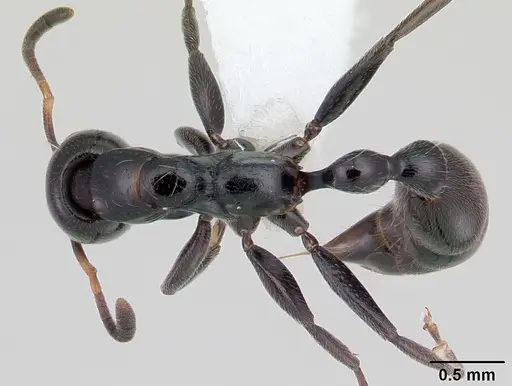
CASENT0101575
View on AntWeb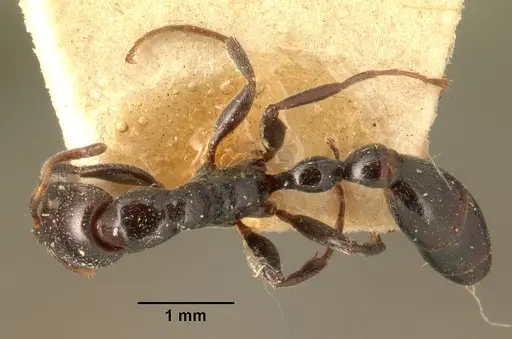
CASENT0101635
View on AntWeb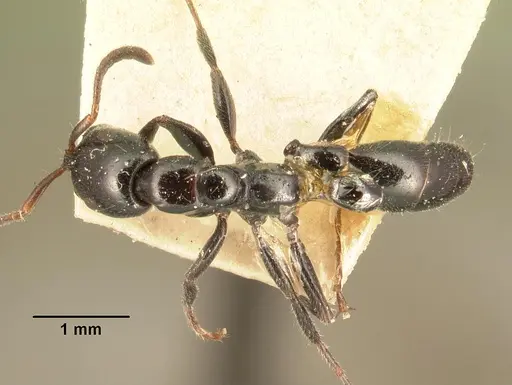
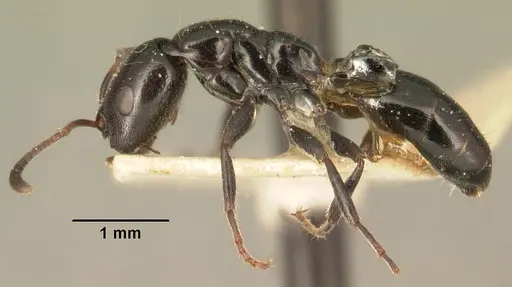
CASENT0101941
View on AntWeb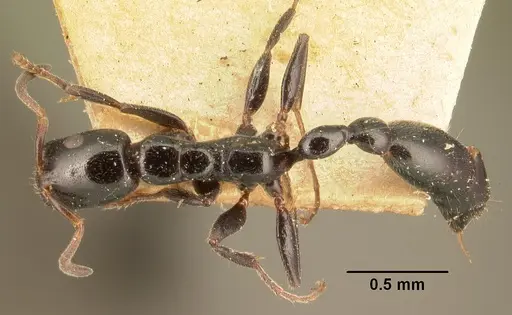
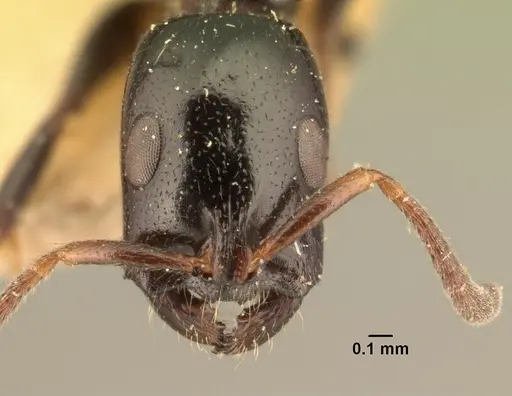
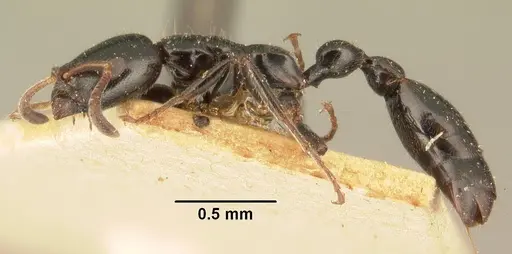
CASENT0102032
View on AntWeb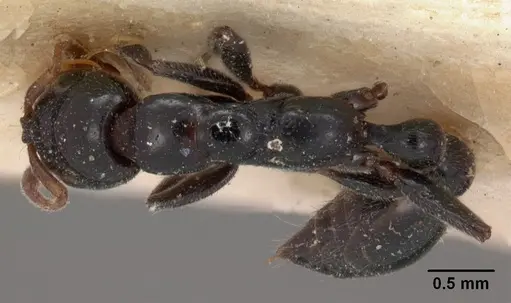
CASENT0102033
View on AntWeb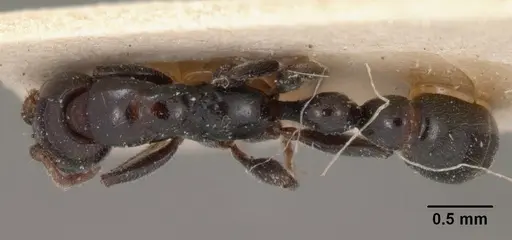
CASENT0102034
View on AntWeb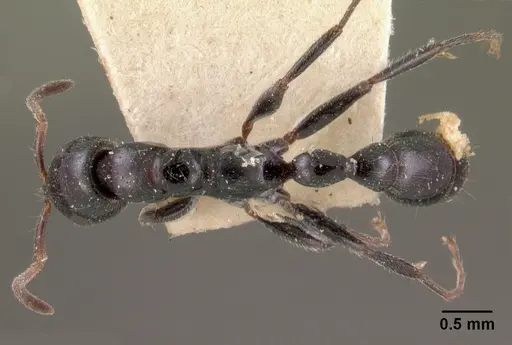
Literature
Loading distribution map...Loading products...