
Tetraponera fictrix
- Sci. Name
- Tetraponera fictrix
- Tribe
- Pseudomyrmecini
- Subfamily
- Pseudomyrmecinae
- Author
- Forel, 1897
- Distribution
- Found in 1 countries
Introduction
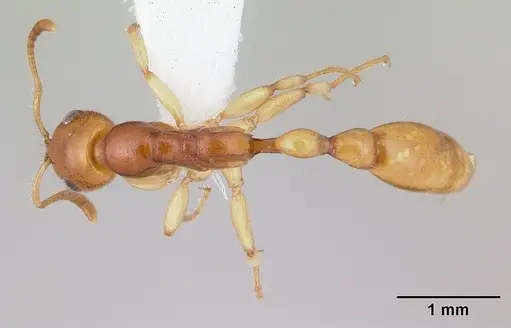
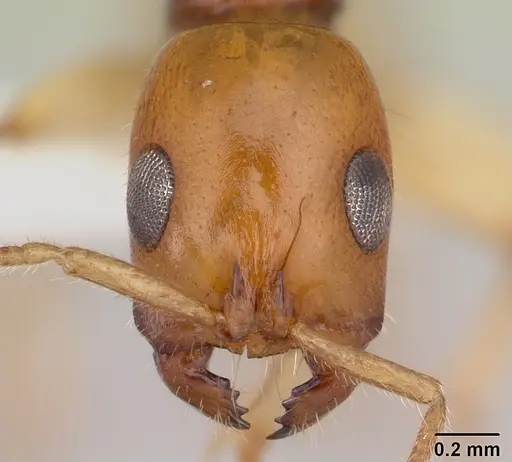
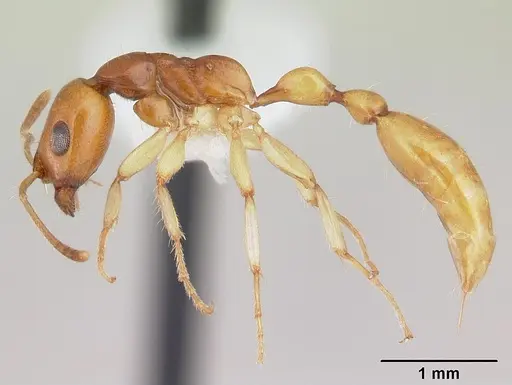
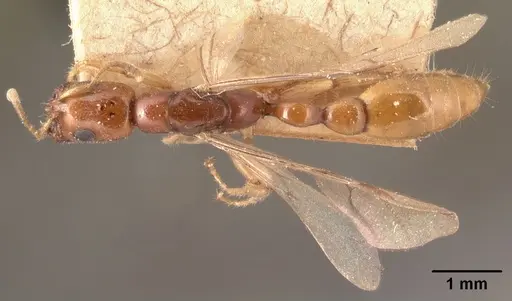
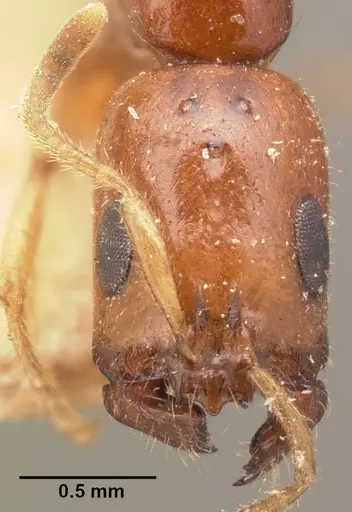
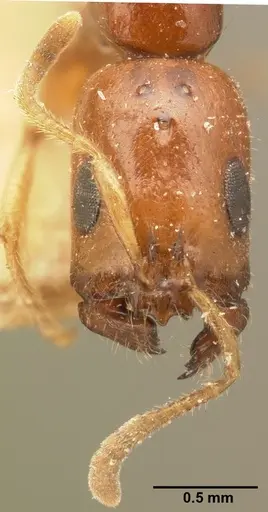
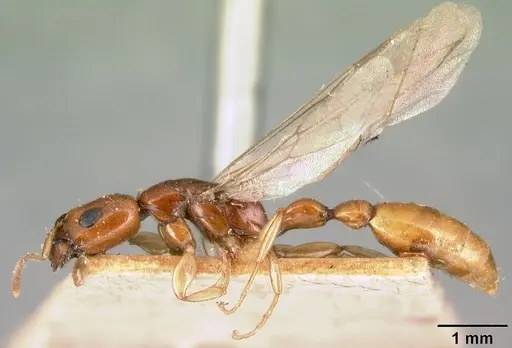
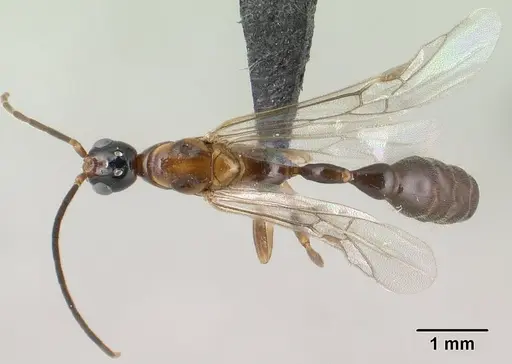
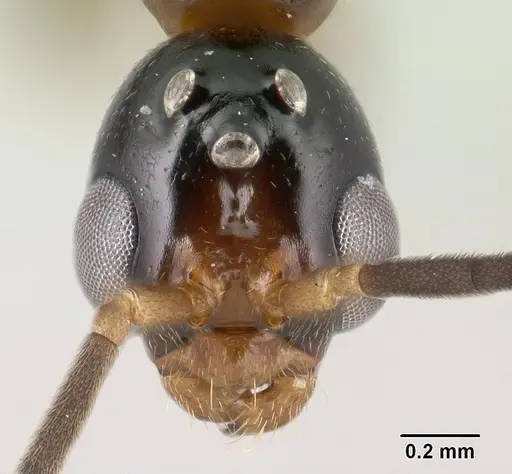
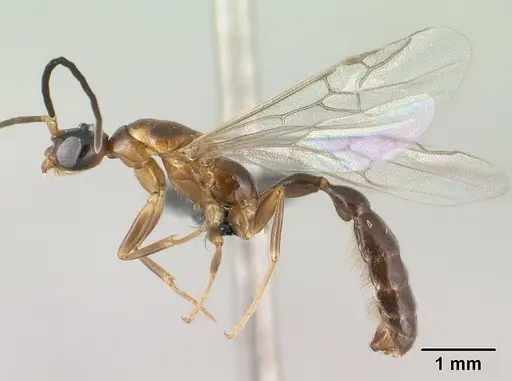
Tetraponera fictrix is a slender, long-legged ant from the Pseudomyrmecinae subfamily. It is a member of the Tetraponera allaborans species group and is found only in Madagascar, with records from Nossi Bé and the tropical dry forests of western Madagascar like Kirindy Forest . Their exact body size has not been documented. This species is arboreal, nesting in hollow twigs and tree cavities . It has been recorded as one of ten Tetraponera species in Kirindy Forest, the highest single-locality diversity for the genus . Habitat data suggest they prefer humid, light-exposed arboreal environments .
Quick Summary
- Difficulty: Medium
- Origin & Habitat: Madagascar, especially tropical dry forests like Kirindy Forest and coastal areas like Nossi Bé. They are arboreal, living in trees and vegetation [3][2].
- Colony Type: Unconfirmed. Colony structure has not been studied for this species. Related Tetraponera species are typically monogyne, but this is not confirmed for T. fictrix.
- Size & Growth:
- Queen: Size data unavailable
- Worker: Size data unavailable
- Colony: Unknown, no colony size data available
- Growth: Unknown
- Development: Not documented. General ant development under tropical conditions may take 6-8 weeks, but this is unconfirmed. (No specific studies exist for this species.)
- Antkeeping:
- Temperature: As a tropical species, keep at 24-28°C. A heating cable can create a gradient. Avoid extended drops below 20°C [4].
- Humidity: High humidity is needed. Nest substrate should be kept moist but not waterlogged. The species is recorded from humid habitats [4].
- Diapause: No, tropical species, no hibernation needed.
- Nesting: Arboreal. In captivity use Y-tong (AAC) or plaster nests with narrow chambers that mimic hollow twigs. Avoid soil setups [3].
- Behavior: Active, alert, and fast-moving. They have large eyes and good vision. Like other Pseudomyrmecinae, they defend with a sting. Escape risk is high due to slender bodies and climbing ability, use Fluon barriers.
- Common Issues: humidity must be consistently high, dry conditions quickly kill colonies, arboreal nesting needs mean unsuitable ground-based nests cause stress, escape risk is high, seal all gaps and use barriers, colony growth and founding details are unknown, making care harder to predict, wild-caught colonies may carry parasites
Housing and Nest Setup
Because Tetraponera fictrix is arboreal, provide a nest that mimics hollow twigs or branches. Y-tong (AAC) nests with narrow chambers work well, as do plaster nests that can hold humidity. Avoid naturalistic soil formicariums, these ants are not ground-nesters [3]. A test tube setup can work for a founding colony, but upgrade to a suitable nest as soon as workers appear.
Escape prevention is critical. Use Fluon or similar barriers on nest edges and ensure all connections are tight. Their slender bodies let them squeeze through tiny gaps.
Feeding and Diet
Likely omnivorous with a predatory focus, like most Pseudomyrmecinae. In nature they probably hunt small insects and tend aphids for honeydew, but this is not confirmed for this species. Offer small live prey (fruit flies, pinhead crickets, small worms) 2-3 times per week, and provide constant access to sugar water or honey. For small colonies, feed very small prey. Remove uneaten food after 24 hours. No specific dietary studies exist for T. fictrix.
Temperature and Humidity
These are tropical ants that need warm, humid conditions. Keep the nest at 24-28°C [4]. A heating cable on one side provides a gradient. Humidity should be high, the nest substrate should feel damp. The species has been recorded only in humid habitats [4]. Avoid temperature drops below 20°C. Do not let the nest dry out, occasional misting can help, but avoid standing water.
Colony Development and Growth
Founding behavior has not been observed in this species. Based on general ant biology, queens likely raise the first brood in a sealed chamber. If founding is claustral, the queen does not leave to forage. The timeline from egg to worker is not documented, possibly 6-8 weeks under warm conditions, but this is unconfirmed. Colony growth rate and maximum size are unknown. Avoid disturbing a founding queen until at least 4-6 weeks to give her a chance to establish.
Behavior and Temperament
Workers are active, alert, and fast-moving. They have good vision. Like other Pseudomyrmecinae, they possess a sting and can be defensive if their nest is disturbed, but they are not highly aggressive. They are diurnal foragers. Their slender bodies and climbing ability make escape prevention essential, use Fluon on nest rims.
Frequently Asked Questions
Is Tetraponera fictrix a good species for beginners?
It is rated medium difficulty, but because founding and colony needs are not well documented, it may be challenging. Beginners should have experience with tropical species before attempting.
What do Tetraponera fictrix ants eat?
Offer small live insects (fruit flies, pinhead crickets, small worms) for protein, and sugar water or honey regularly. This is based on general Pseudomyrmecinae diet, not species-specific data.
How long does it take for the first workers to emerge?
Not documented for this species. Under warm tropical conditions (24-28°C), other ants of similar size take about 6-8 weeks, but this is unconfirmed.
Do Tetraponera fictrix ants need hibernation?
No. They are tropical and should be kept warm year-round. Cold temperatures would likely kill them.
What type of nest is best for Tetraponera fictrix?
Y-tong (AAC) or plaster nests with narrow chambers that mimic hollow twigs work best. Do not use soil formicariums. They are arboreal [3].
Can I keep multiple queens together?
Colony structure is unconfirmed. Based on related Tetraponera, they are likely monogyne. Do not combine queens.
How big do Tetraponera fictrix colonies get?
Unknown. No colony size data exists for this species.
Do Tetraponera fictrix ants sting?
Yes. They belong to Pseudomyrmecinae, which has a functional sting used for defense.
Why are my Tetraponera fictrix dying?
Most common causes: low humidity, temperatures below 20°C, disturbance during founding, or improper nest setup. Ensure high humidity and warm conditions.
When should I move my colony to a formicarium?
Founding queens can be left in a test tube or small nest until the colony is established and clearly needs more space. Moving too early can cause stress. There are no specific guidelines for this species.
Report an Issue
The current care sheet is based fully on literature. See inconsistencies, or something that's incorrect? Please , it will be resolved after review from an admin. Contributing to the blogs tab also helps providing information, to make us be able to further improve the caresheets. Thank you for your support!
References

This caresheet is licensed under CC BY-SA 4.0 .
Community Blogs
Literature
Loading distribution map...Loading products...