
Tetraponera extenuata
- Sci. Name
- Tetraponera extenuata
- Tribe
- Pseudomyrmecini
- Subfamily
- Pseudomyrmecinae
- Author
- Ward, 2001
- Distribution
- Found in 6 countries
Introduction
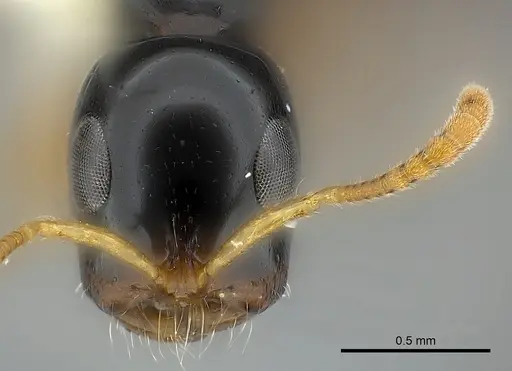
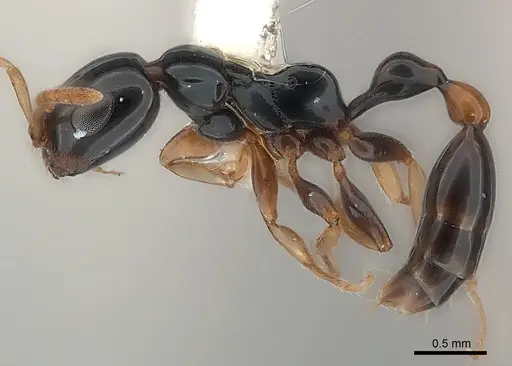
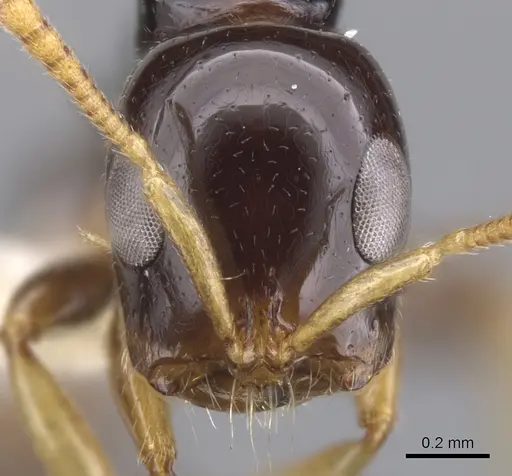
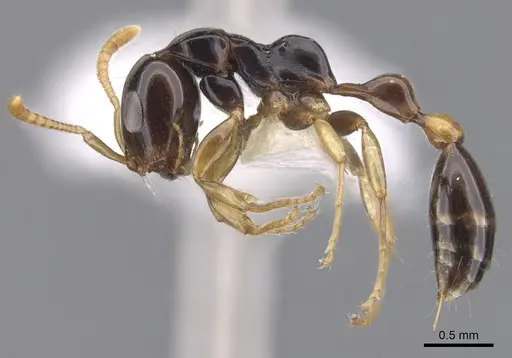
Tetraponera extenuata is a small to medium-sized arboreal ant from Southeast Asia, found from Thailand and Malaysia east to the Philippines and south to Bali and Lombok . Workers have a dark black or brownish-black body with contrasting lighter coloration on the postpetiole, tibiae, tarsi, and scapes, which appear yellow to orange-brown . This species belongs to the Tetraponera allaborans species group and can be identified by its taller, more slender propodeum and convex, soft-edged pronotal margins . In the wild, colonies nest in dead twigs of trees such as Timonius and Rhodamnia, and workers are often found foraging on low vegetation or in the forest canopy . They host Sodalis-like bacteria and may have a symbiotic relationship .
Quick Summary
- Difficulty: Medium
- Origin & Habitat: Tropical Southeast Asia – found in primary and secondary lowland rainforest, lower montane mixed dipterocarp forest, and relict rainforest in Singapore, Borneo, Brunei, Philippines, Thailand, Malaysia, and Indonesia [3][6]
- Colony Type: Colony structure is unconfirmed. Based on related Tetraponera species, likely single-queen colonies. Founding behavior is unconfirmed.
- Size & Growth:
- Queen: Size data unavailable
- Worker: Size data unavailable (no total length measurements in available literature)
- Colony: Unknown – likely small colonies, inferred from natural nesting in small twigs [3]
- Growth: Unknown – no data available
- Development: Unknown – no data available for this species (No documented development timeline. Tropical species likely develop faster than temperate ones, but specifics are unconfirmed.)
- Antkeeping:
- Temperature: Keep at 24–28°C – based on natural rainforest habitat [3]. Avoid temperatures below 24°C. A gentle temperature gradient is recommended.
- Humidity: High humidity – keep nest substrate consistently moist but not waterlogged. Good ventilation is essential to prevent mold.
- Diapause: No – tropical species. Keep warm year-round.
- Nesting: Arboreal nester. Provide Y‑tong (AAC) nests, plaster nests, or test tube setups with small chambers. Include dead twigs or small hollow stems for natural nesting feel.
- Behavior: Workers are active, fast‑moving foragers. They have a functional sting but are not aggressive and typically flee rather than attack. Their small size requires fine mesh to prevent escapes. They host Sodalis‑like bacteria [5]. Based on related species, they are generalist foragers.
- Common Issues: small size means escapes are likely without fine mesh barriers, tropical species may struggle if temperatures drop below 24°C, high humidity requirements can lead to mold if ventilation is poor, arboreal nature means they need vertical space and climbing surfaces, limited research data makes specific care requirements uncertain
Housing and Nest Setup
In the wild, Tetraponera extenuata nests in dead twigs, for example of Timonius sp. and Rhodamnia trinervia [3]. In captivity, Y‑tong (AAC) nests, plaster nests, or test tube setups work well. The key is providing appropriately scaled chambers – these are tiny ants, so narrow passages and small chambers are better than large open spaces. Include some dead twigs or small hollow stems in the outworld to satisfy natural nesting instincts. Use fine mesh on all enclosures because their small size allows them to squeeze through surprisingly small gaps. Provide climbing surfaces like cork bark or twigs in the outworld.
Feeding and Diet
Like other Tetraponera species, these ants are likely generalist foragers that collect nectar, honeydew, and small insects. In captivity, offer sugar water or honey regularly as a carbohydrate source. For protein, provide small live prey like fruit flies, pinhead crickets, or small mealworms. They may also accept dead insects. Feed small amounts 2–3 times per week, removing uneaten prey after 24 hours to prevent mold. Their small size means even tiny prey items are suitable. Observe your colony's preferences – some colonies may be more selective. Avoid large prey items that could overwhelm workers.
Temperature and Care
As a tropical species from Southeast Asian rainforests [3], Tetraponera extenuata needs warm temperatures year‑round. Keep the nest area at 24–28°C. A heating cable on one side can create a gentle gradient, but ensure the warm side does not exceed 30°C. Room temperature in most homes (20–24°C) may be slightly cool – consider using a small heat mat. They do not need hibernation or cooling periods. Temperature affects metabolic rate, warmer within the safe range may speed up brood development, though no data exists. If workers cluster near heat sources, the nest may be too cool.
Humidity and Water
These rainforest ants need high humidity. Keep the nest substrate consistently moist but never waterlogged – it should feel damp to the touch, with some slightly drier areas so ants can choose their preferred microclimate. Mist the outworld occasionally but avoid excess moisture that leads to mold. Good ventilation is essential – stagnant air causes mold problems, while excessive airflow dries them out. A balance of moisture and airflow works best. For watering, use a syringe to add water to the nest reservoir or mist the substrate directly. Check moisture levels daily and rehydrate when the surface begins drying. [3]
Behavior and Observation
Workers are active foragers that move quickly through their environment. They are not particularly aggressive but have a functional sting and will defend if the nest is threatened. In the wild, they forage on vegetation and in the canopy, so they are adapted to climbing [3]. Provide plenty of vertical space and climbing materials in the outworld. Their small size and striking color contrast – dark body with lighter postpetiole and limbs [2][4] – make them visually interesting. They host Sodalis‑like bacteria [5]. Colonies are likely small, so individual behaviors may be easily observed.
Frequently Asked Questions
How long does it take for Tetraponera extenuata to produce first workers?
The exact timeline is not documented. No data is available for this species.
Can I keep Tetraponera extenuata in a test tube setup?
Yes, test tubes are suitable for founding and small colonies. Use a test tube with a cotton stopper and water reservoir. Because they are small, ensure fine mesh on any openings to prevent escape. They may benefit from moving to a Y‑tong or plaster nest as the colony grows, but colony size is unknown, so observe their space needs.
Do Tetraponera extenuata ants sting?
Yes, like other Pseudomyrmecinae, they have a functional sting and can use it if threatened. However, they are not aggressive and typically flee rather than attack. The sting is mild for most people due to their small size.
What do Tetraponera extenuata eat?
They are generalist foragers. Offer sugar water or honey as a constant carbohydrate source. For protein, provide small live prey such as fruit flies, small crickets, or mealworms. Feed 2–3 times per week, removing uneaten food promptly.
Are Tetraponera extenuata good for beginners?
This species is rated medium difficulty. They have specific humidity and temperature requirements typical of tropical ants, and their small size demands good escape prevention. If you have experience with small tropical ants, you should do well. Complete beginners may find the escape prevention and humidity balance challenging, and the lack of research data makes care more uncertain.
How big do Tetraponera extenuata colonies get?
Colony size is not documented. Based on natural nesting in small twigs, colonies are likely small – probably under a few hundred workers at maturity, but this is an inference.
Do Tetraponera extenuata need hibernation?
No, they do not require hibernation. As tropical ants from Southeast Asia, they need warm temperatures year‑round. Keep them at 24–28°C consistently. Cooling below room temperature for extended periods could be harmful.
Why are my Tetraponera extenuata dying?
Common causes include: temperatures below 24°C (tropical species are sensitive to cool conditions), low humidity (they need damp conditions), poor escape prevention (they are tiny and can escape easily), or mold from overwatering with poor ventilation. Check each factor and adjust accordingly.
When should I move Tetraponera extenuata to a formicarium?
Wait until the colony has outgrown its current container. Since colony size is unknown, move when you see multiple workers foraging actively and the current nest seems crowded. Moving too early can stress the colony. A Y‑tong or plaster nest with appropriately sized chambers works well.
Can I keep multiple Tetraponera extenuata queens together?
The colony structure is not documented for this species. Based on related Tetraponera species, they likely form single‑queen colonies. Combining unrelated queens is not recommended without evidence that they accept multiple queens.
Report an Issue
The current care sheet is based fully on literature. See inconsistencies, or something that's incorrect? Please , it will be resolved after review from an admin. Contributing to the blogs tab also helps providing information, to make us be able to further improve the caresheets. Thank you for your support!
References

This caresheet is licensed under CC BY-SA 4.0 .
Community Blogs
CASENT0217591
View on AntWeb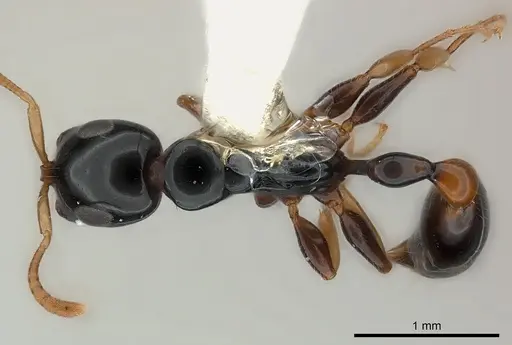
CASENT0902824
View on AntWeb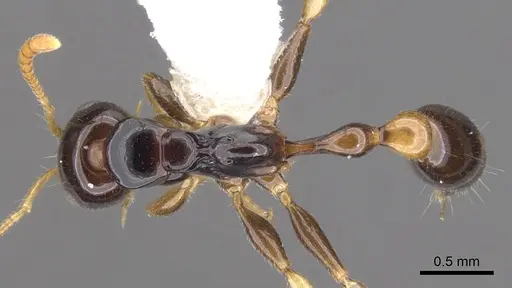
Literature
Loading distribution map...Loading products...