
Tetraponera exasciata
- Sci. Name
- Tetraponera exasciata
- Tribe
- Pseudomyrmecini
- Subfamily
- Pseudomyrmecinae
- Author
- Forel, 1892
- Distribution
- Found in 1 countries
Introduction
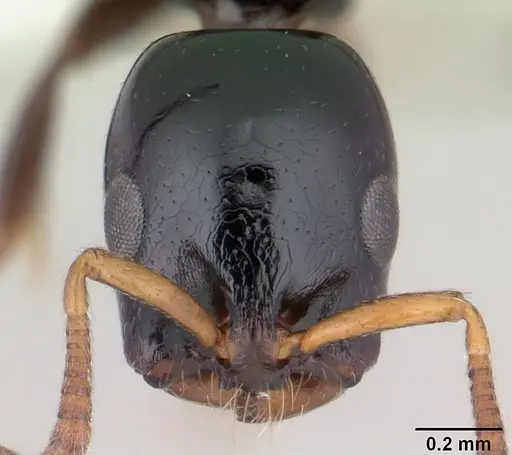
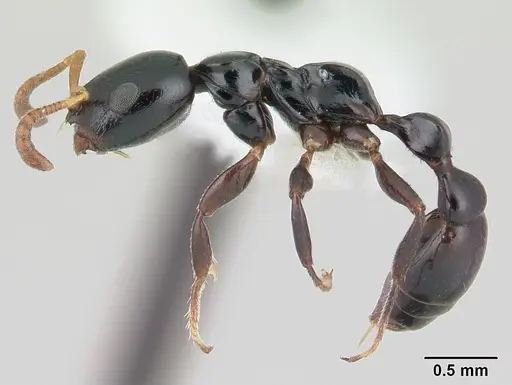
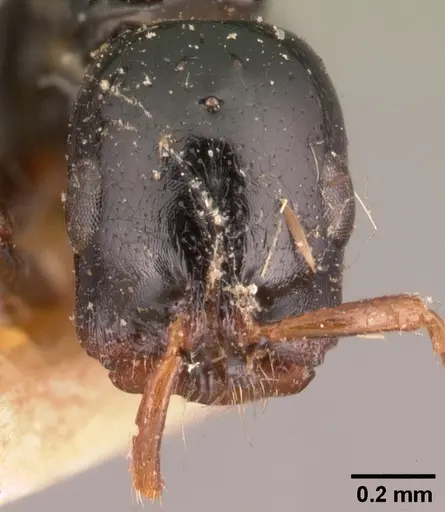
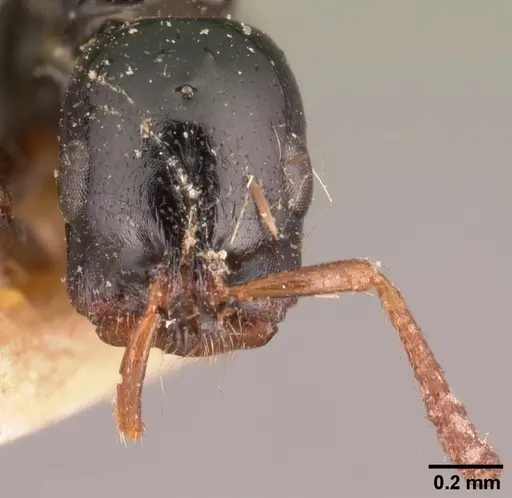
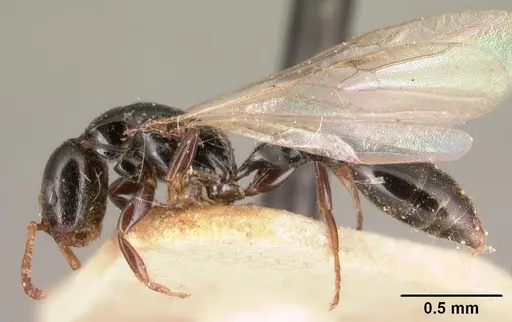
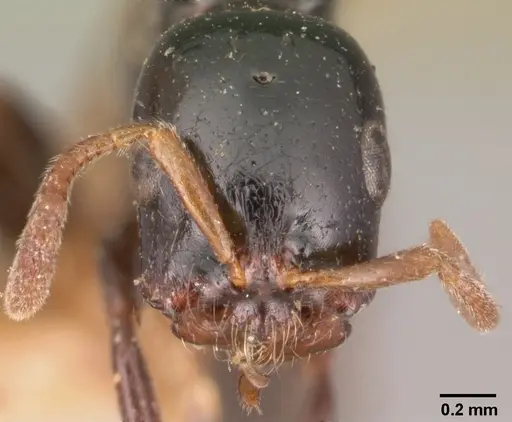
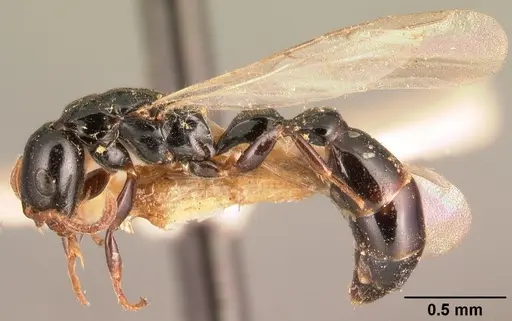
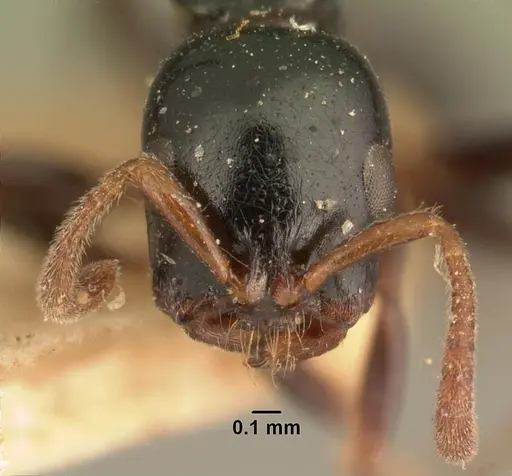
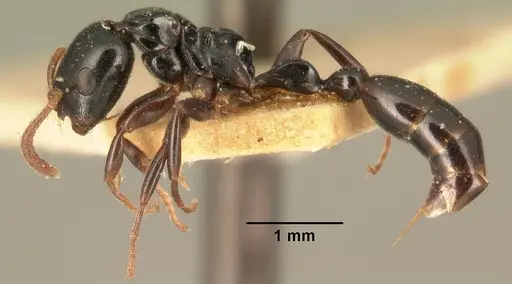
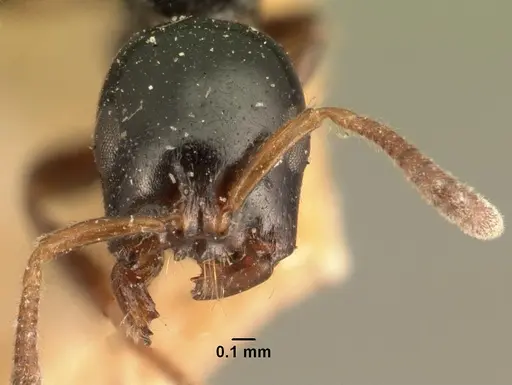
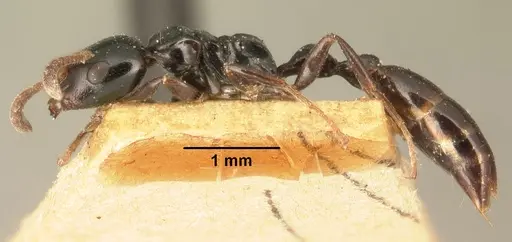
Tetraponera exasciata is a slender ant from Madagascar, part of the allaborans species group in the subfamily Pseudomyrmecinae . They are generally reddish-brown to dark brown, with the elongated body typical of Tetraponera . The type locality is the Andrangoloaka Forest in Madagascar . Almost nothing has been published specifically on this species, so most care information comes from general knowledge of the genus and subfamily. Like other Pseudomyrmecinae, they are arboreal and have a well-developed sting for defense.
Quick Summary
- Difficulty: Medium
- Origin & Habitat: Endemic to Madagascar [1]. The type locality is Andrangoloaka Forest [2]. Based on the genus, they likely inhabit forests and nest in hollow twigs, stems, or other plant cavities.
- Colony Type: Unconfirmed, no data on queen number or social structure for this species. Related Tetraponera are typically monogyne, but this is speculative.
- Size & Growth:
- Queen: size data unavailable
- Worker: size data unavailable
- Colony: unknown
- Growth: unknown
- Development: No specific data available. (Development is likely temperature-dependent, but no reliable estimates exist.)
- Antkeeping:
- Temperature: Unknown, as a tropical species, warm conditions (24-28°C) are a reasonable starting point, but closely observe the colony and adjust based on their activity.
- Humidity: Unknown, typical tropical forest ants need moderately moist conditions. Provide a damp substrate in part of the nest, but allow ventilation to prevent mold.
- Diapause: No, Madagascar has a tropical climate with year‑round warmth, so hibernation is not expected.
- Nesting: Provide hollow twigs, bamboo sections, or a formicarium with narrow chambers. Y‑tong (AAC) or plaster nests with small, enclosed spaces work well.
- Behavior: Like other Pseudomyrmecinae, these ants are active predators with a painful sting. They are arboreal and will aggressively defend their nest if disturbed. Alert and quick‑moving, they require secure enclosures to prevent escape.
- Common Issues: limited species‑specific care data means some trial and error are necessary, hollow twig nests can rot if humidity is too high, monitor for fungus, active foragers may escape if barriers are not tight (their slender body lets them squeeze through tiny gaps), the sting is painful, handle the colony carefully, founding success is uncertain because we don't know their specific founding type or queen preferences
Housing and Nest Setup
In nature, Tetraponera exasciata almost certainly nests in plant cavities, hollow twigs, bamboo stems, or galleries in rotting wood [1]. For captive care, offer a choice of narrow, enclosed spaces. A Y‑tong or plaster nest with small chambers is a good alternative. Since we don’t know their preferred nest material, providing multiple options (hollow twigs, wooden blocks with drilled tunnels) can help the colony settle. Keep the nest clean and well‑ventilated to prevent mold.
Feeding and Diet
Pseudomyrmecinae are active predators. Offer small live insects such as fruit flies, pinhead crickets, or termites. A sugar source (honey‑water, sugar water) can also be provided. Because no specific dietary data exists for T. exasciata, observe what the colony accepts. Remove uneaten prey after 24 hours to avoid spoilage.
Temperature and Humidity
No precise requirements are known. As a tropical forest ant, starting at 24-28°C is reasonable. Use a heating cable on one side to create a gradient. Humidity should be moderate, aim for slightly damp substrate in part of the nest but allow some dry areas. Overly wet conditions can cause mold and suffocate the ants. Monitor and adjust based on colony behaviour.
Behavior and Colony Dynamics
Very little is known about T. exasciata specifically. In general, Tetraponera workers are agile, visual hunters that patrol their territory actively. The queen may found a colony independently (typical for the subfamily), but this is a guess. If they do found claustrally, the queen will seal herself in a cavity and raise the first workers on stored reserves. Established colonies may be defensive and use their sting. Because of the lack of data, careful observation is essential.
Frequently Asked Questions
How long does it take for Tetraponera exasciata to produce first workers?
No data exists. Development time depends heavily on temperature, under tropical conditions (24-28°C) it might take several weeks to a few months, but this is purely speculative.
What do Tetraponera exasciata ants eat?
They are likely generalist predators. Offer small live insects (fruit flies, small crickets) and a sugar solution. Their exact preferences are unknown, so experiment with different prey.
Do Tetraponera exasciata ants need hibernation?
No, as a tropical species from Madagascar they do not require diapause. Keep them warm year‑round.
Can I keep Tetraponera exasciata in a test tube?
A test tube can be used for a founding attempt, but these ants prefer enclosed plant cavities. Once the colony grows, provide hollow twigs or a formicarium with narrow chambers.
Are Tetraponera exasciata good for beginners?
This species is rated medium difficulty. The main challenge is the lack of specific care information, which means keepers must be prepared to adjust conditions through observation. They also have a painful sting, so caution is needed.
How big do Tetraponera exasciata colonies get?
Colony size is unknown. Related Tetraponera species can reach several hundred workers, but this is not confirmed for T. exasciata.
Do Tetraponera exasciata ants sting?
Yes. They belong to Pseudomyrmecinae, which have a functional sting used for defense and subduing prey. The sting can be painful, but it is not medically dangerous.
What temperature is best for Tetraponera exasciata?
The ideal temperature is unknown. Start at 24-28°C and adjust based on activity. Avoid letting the nest drop below 20°C.
When should I move my colony to a formicarium?
There are no guidelines for this species. Generally, move them when the founding chamber becomes crowded or when the colony outgrows the available space. Watch for signs of stress.
Why are my Tetraponera exasciata dying?
Common causes for unknown tropical ants include: temperatures too low, humidity imbalance, mold, starvation, or stress from frequent disturbance. Check conditions and reduce handling.
Report an Issue
The current care sheet is based fully on literature. See inconsistencies, or something that's incorrect? Please , it will be resolved after review from an admin. Contributing to the blogs tab also helps providing information, to make us be able to further improve the caresheets. Thank you for your support!
References

This caresheet is licensed under CC BY-SA 4.0 .
Community Blogs
CASENT0012858
View on AntWeb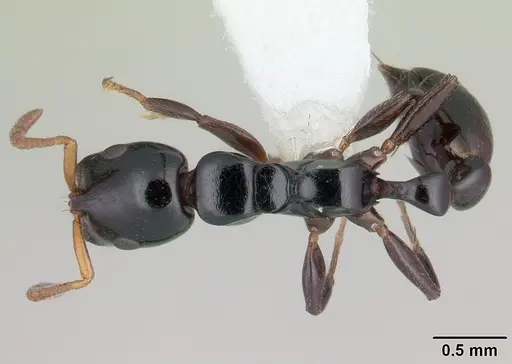
CASENT0101047
View on AntWeb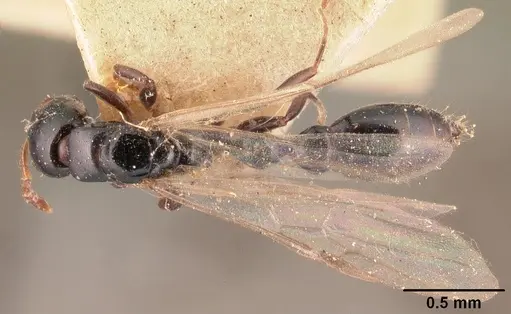
CASENT0101048
View on AntWeb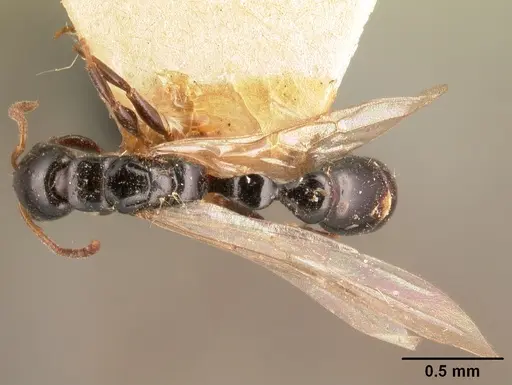
CASENT0101738
View on AntWeb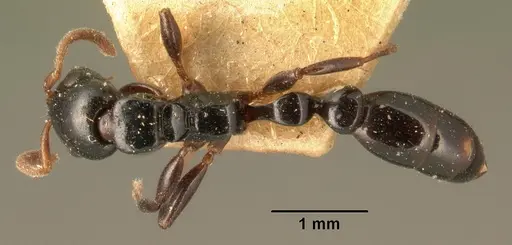
CASENT0101881
View on AntWeb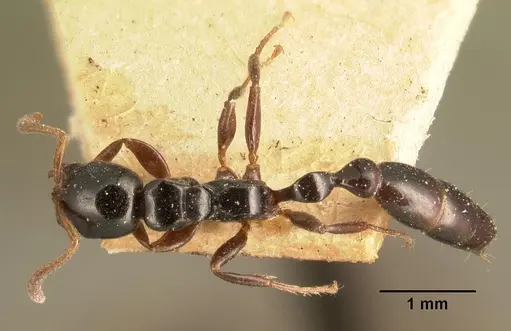
Literature
Loading distribution map...Loading products...