
Tetraponera diana
- Sci. Name
- Tetraponera diana
- Tribe
- Pseudomyrmecini
- Subfamily
- Pseudomyrmecinae
- Author
- Santschi, 1911
- Distribution
- Found in 1 countries
Introduction
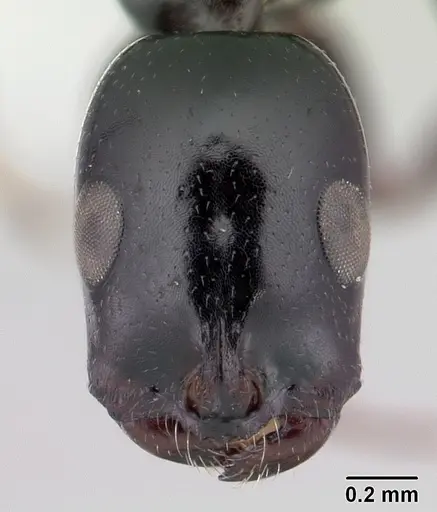
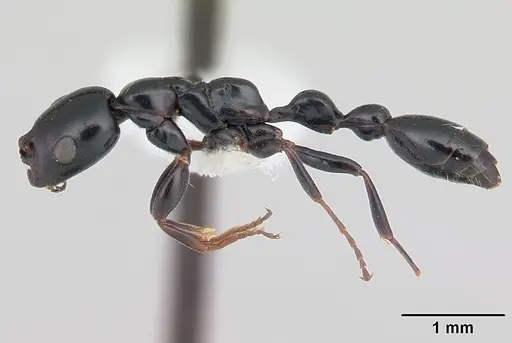
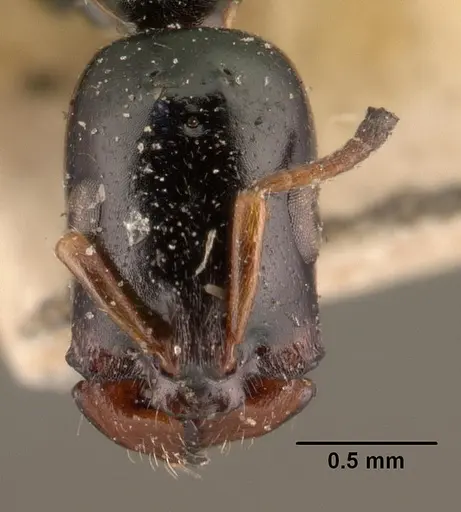
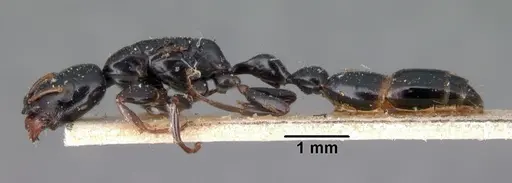
Tetraponera diana is a slender, elongated ant species native to Madagascar, belonging to the Pseudomyrmecinae subfamily and the tetraponera allaborans species group . The species was originally described by Santschi in 1911 from a queen collected in the Tanala Forest, region Ikongo, Ankarimbelo, Madagascar . Workers are typically small and agile with the characteristic long legs and narrow body shape of this genus. Little detailed biological research exists for this specific species, but it has been documented in both burned and unburned grassland habitats in western Madagascar, indicating adaptability to varying environmental conditions .
Quick Summary
- Difficulty: Medium
- Origin & Habitat: Native to Madagascar. The type locality is Tanala Forest, region Ikongo, Ankarimbelo [2]. The species has also been collected in burned and unburned grassland in the Beanka Reserve, western Madagascar, using soil monolith and day baiting methods [3]. As a tropical ant from Madagascar, it likely inhabits forest edges, grassland, and dry deciduous forest areas.
- Colony Type: Unconfirmed, colony structure is not documented for this species.
- Size & Growth:
- Queen: Size not documented for this species, based on typical tetraponera genus, estimated ~8-10 mm for queens.
- Worker: Size not documented for this species, based on typical tetraponera genus, estimated ~4-6 mm for workers.
- Colony: Unknown, no colony size data available for this species.
- Growth: Moderate, estimated based on related tropical species.
- Development: Estimated 6-8 weeks at tropical temperatures (24-28°C), based on typical pseudomyrmecinae development patterns, no direct data for this species. (Development timeline is not directly documented for this species, estimates based on genus-level data for related tropical ants.)
- Antkeeping:
- Temperature: Based on tropical origin, likely needs warm temperatures around 24-28°C. A slight gradient with a heating cable on one side of the nest allows workers to self-regulate. Activity may slow below 20°C.
- Humidity: Maintain moderate to high humidity. Keep the nest substrate consistently moist but not waterlogged. Madagascar experiences high humidity, so occasional misting or a water reservoir in the outworld helps replicate their natural conditions.
- Diapause: Unlikely, as a tropical species from Madagascar, they probably do not require true diapause. Keep temperatures stable year-round.
- Nesting: In nature, tetraponera species often nest in hollow twigs, stems, or rotting wood. In captivity, a Y-tong (AAC) nest or a naturalistic setup with cork or wood pieces works well. They prefer tight, enclosed spaces that mimic their natural twig-nesting behavior.
- Behavior: Tetraponera ants are typically active foragers with well-developed vision. They are often aggressive defenders of their territory and can deliver painful stings (Pseudomyrmecinae ants are known for their sting defense). Workers are fast-moving and may be skittish. Escape prevention is important as they are agile and may explore for exits. They likely forage individually or in small groups, hunting small prey and collecting honeydew from aphids or scale insects.
- Common Issues: tropical species requires stable warmth, cold temperatures below 20°C can suppress activity and slow or stop colony development., aggressive defensive behavior means stings are likely when disturbed, handle with care., limited documentation means colony founding and early development may be challenging without established protocols., escape risk is moderate, their slender bodies can fit through small gaps in equipment., humidity must be maintained, dry conditions can quickly stress colonies.
Housing and Nest Setup
Tetraponera diana is best housed in a Y-tong (AAC) nest or a naturalistic setup that provides tight, enclosed chambers mimicking their natural twig-nesting behavior [1]. These ants do well in plaster or 3D-printed nests with narrow chambers scaled to their body size. Provide an outworld connected to the nest where foragers can search for food. Use a water test tube as a humidity source, positioned so condensation can reach the nest chambers. Escape prevention should include fluon on the rim of the nest and tight-fitting lids, as these agile ants will explore for exits.
Feeding and Diet
In captivity, offer a varied diet including small live prey (fruit flies, pinhead crickets, small mealworms) for protein and sugar sources (honey water, sugar water, or diluted honey) for energy [1]. Tetraponera ants are typically omnivorous, hunting small insects and tending sap-sucking insects for honeydew. Feed protein prey 2-3 times per week, and keep a constant sugar source available. Remove uneaten prey after 24 hours to prevent mold. Fresh water should always be available.
Temperature and Seasonal Care
Based on its tropical origin, maintain temperatures around 24-28°C year-round [3]. This species from Madagascar does not tolerate cool conditions well, activity will slow significantly below 20°C. Use a heating cable or heating mat on one side of the nest to create a gentle temperature gradient, allowing workers to self-regulate. No diapause is required, but you may notice reduced foraging activity during cooler periods. Keep temperatures stable rather than allowing major fluctuations.
Behavior and Temperament
Expect active, fast-moving workers that are alert and defensive [1]. Pseudomyrmecinae ants, including tetraponera, are known for their aggressive defense of the colony and painful stings (sting is a primary defense mechanism). Handle the nest minimally and observe from a distance when possible. Workers will likely patrol the outworld actively and may react defensively to vibrations or disturbances. Their slender bodies and long legs give them excellent mobility, ensure your setup is secure. They probably use individual foraging rather than chemical recruitment trails.
Colony Founding
Colony founding behavior has not been directly documented for tetraponera diana [1]. It is unknown whether queens are claustral or semi-claustral. Keep the founding chamber in a quiet, dark location with stable humidity. Do not disturb for the first 4-6 weeks. Once workers emerge, gradually introduce small prey items to the outworld.
Frequently Asked Questions
How long does it take for tetraponera diana to raise first workers?
The egg-to-worker timeline is not directly documented for this species [1]. Based on typical pseudomyrmecinae development at tropical temperatures (24-28°C), expect approximately 6-8 weeks from egg to first worker. The first workers (nanitics) will typically be smaller than mature workers.
Do tetraponera diana ants sting?
Yes, Pseudomyrmecinae ants use a sting as their primary defense mechanism. These ants can deliver painful stings when defending their colony. Handle with care and avoid disturbing the nest unnecessarily.
Can I keep tetraponera diana in a test tube?
A test tube can work for a founding colony [1], but these active foragers will need access to an outworld for foraging once workers emerge. Consider transitioning to a Y-tong or plaster nest once the founding setup becomes crowded.
What temperature do tetraponera diana ants need?
Keep them warm at 24-28°C [3]. This tropical species from Madagascar does not tolerate cool temperatures well, activity and development slow significantly below 20°C. A heating cable on one side of the nest creates a useful gradient.
Do tetraponera diana need hibernation?
No, hibernation is not required. As a tropical species from Madagascar, they do not experience cold winters. Keep temperatures stable year-round in the tropical range (24-28°C).
How big do tetraponera diana colonies get?
Colony size data is not available for this specific species [1]. Based on typical tetraponera colony sizes, expect colonies to possibly reach several hundred workers over time, but this is an inference and not confirmed.
Are tetraponera diana good for beginners?
This species is rated as medium difficulty [1]. While not the most challenging ant to keep, the limited documented care information and their tropical temperature requirements make them better suited for keepers who already have some experience with tropical ant species.
What do tetraponera diana eat?
They are omnivorous [1]. Offer small live prey (fruit flies, small crickets, mealworms) for protein 2-3 times per week, and provide constant access to sugar sources (honey water, sugar water). They will also collect honeydew from sap-sucking insects if available.
When should I move tetraponera diana to a formicarium?
Move the colony to a larger nest (Y-tong, plaster, or naturalistic setup) once the test tube or founding setup becomes crowded [1]. Ensure the new nest maintains appropriate humidity and has an attached outworld for foraging.
Why are my tetraponera diana dying?
Common causes include: temperatures below 20°C causing inactivity and stress, dry conditions causing dehydration, overfeeding leading to mold, or disturbance during the critical founding stage [1]. Check that humidity is adequate, temperatures are in the 24-28°C range, and the nest is in a quiet location.
Report an Issue
The current care sheet is based fully on literature. See inconsistencies, or something that's incorrect? Please , it will be resolved after review from an admin. Contributing to the blogs tab also helps providing information, to make us be able to further improve the caresheets. Thank you for your support!
References

This caresheet is licensed under CC BY-SA 4.0 .
Community Blogs
CASENT0012850
View on AntWeb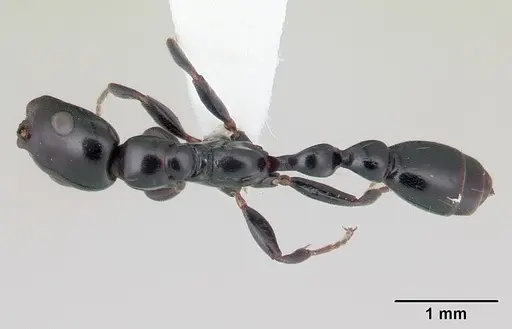
CASENT0101394
View on AntWeb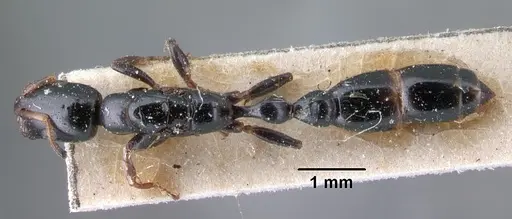
Literature
Loading distribution map...Loading products...