
Tetraponera attenuata
- Sci. Name
- Tetraponera attenuata
- Tribe
- Pseudomyrmecini
- Subfamily
- Pseudomyrmecinae
- Author
- Smith, 1877
- Distribution
- Found in 9 countries
Introduction
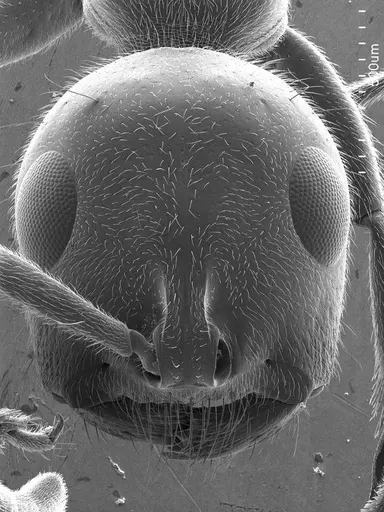
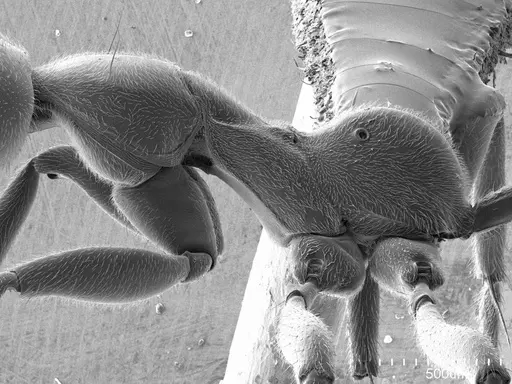
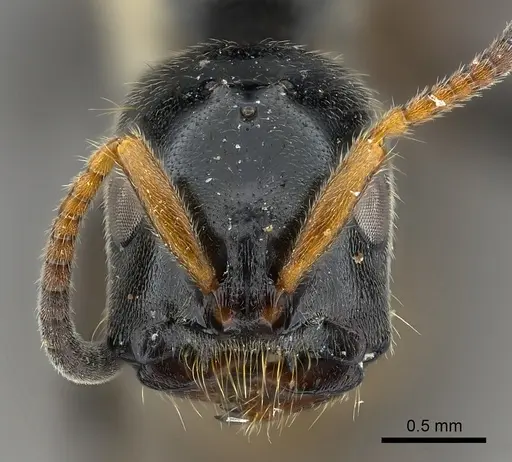
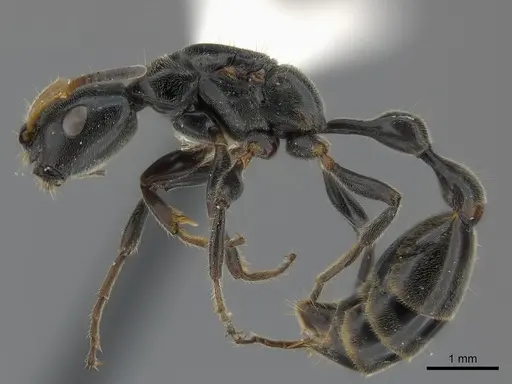
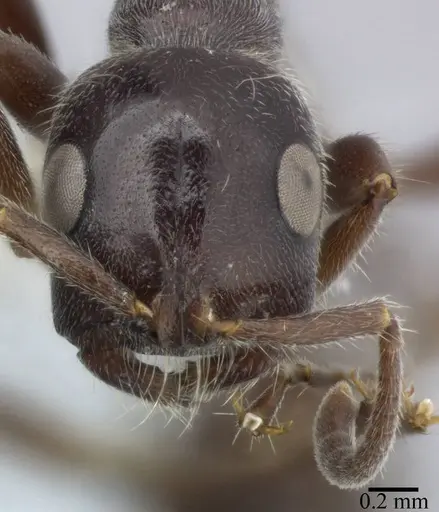
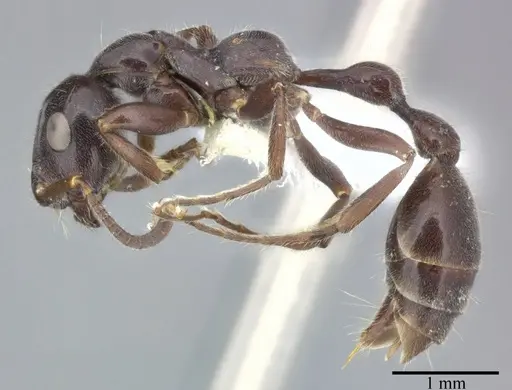
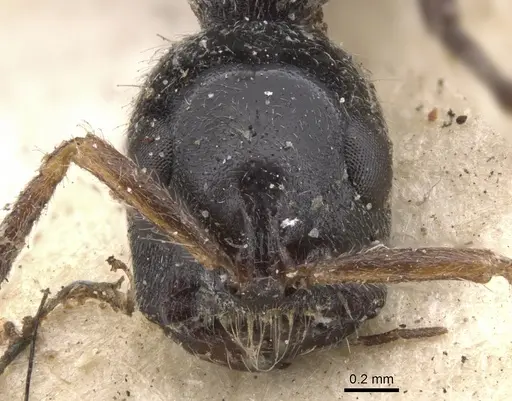
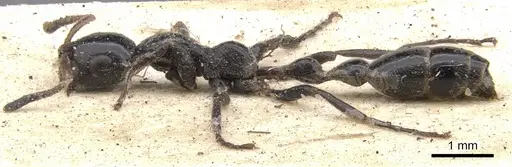
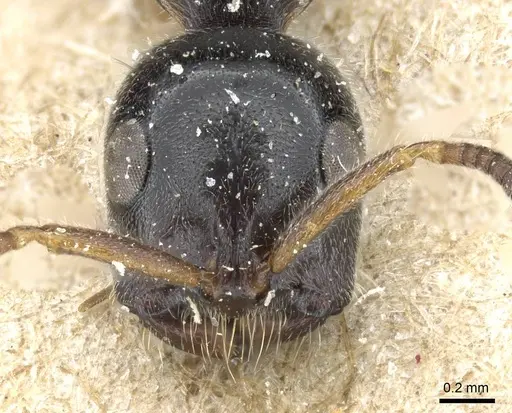
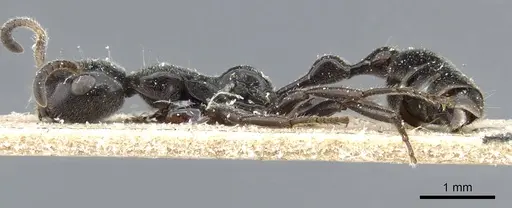
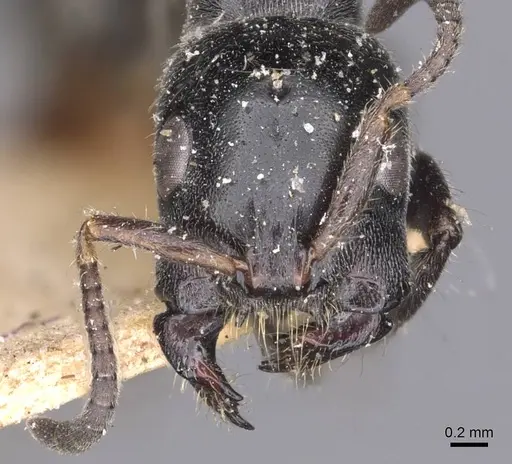
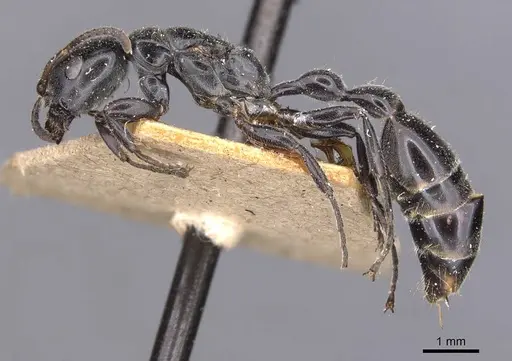
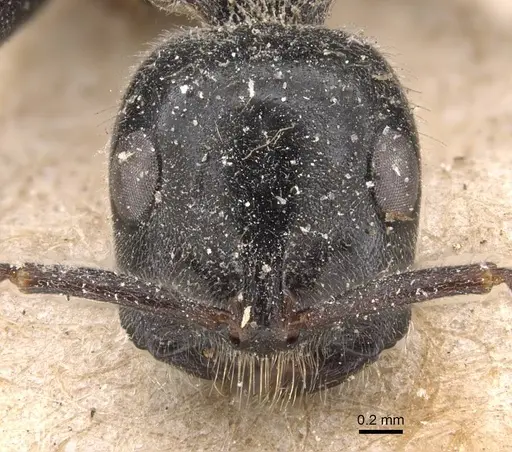
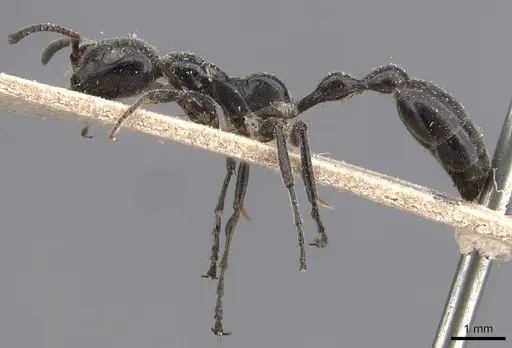
Tetraponera attenuata is a slender, arboreal ant from the subfamily Pseudomyrmecinae. Workers have a broad head, an elongated petiole, and a dense covering of suberect pubescence and standing hairs across most of the body . It ranges widely across Asia, from northeast India through mainland and island Southeast Asia to southern China, Taiwan, and Japan . They live in lowland rainforests, primary dipterocarp forests, second-growth forests, and occasionally mangroves (males only) . Unlike ground-nesting ants, this species is arboreal - it nests in both living and dead branches of standing trees, and colonies are often found in newly fallen branches . A unique feature is its specialized gut bacteria (Bartonella-like Rhizobiales) that help process plant-derived foods .
Quick Summary
- Difficulty: Medium
- Origin & Habitat: Native to tropical and subtropical Asia, from northeast India through Southeast Asia to southern China, Taiwan, and Japan. Found in lowland rainforest, primary dipterocarp forest, lower montane mixed dipterocarp forest, hilltop dipterocarp forest, second-growth forest, and mangrove (males only) [1].
- Colony Type: Colony structure is poorly documented. Nests are established in hollow branches of trees [2], but queen number is unconfirmed, likely single-queen (monogyne) based on genus patterns, though this is not verified.
- Size & Growth:
- Queen: Size data unavailable, no total body length recorded in literature. Queens show geographical variation in size and morphology [1].
- Worker: Size data unavailable, no total body length recorded in literature. Workers are described as relatively large and slender, with a broad head and elongate petiole [1].
- Colony: Not well documented. Maximum colony size is unknown, inferred from related arboreal Pseudomyrmecinae, possibly several hundred workers.
- Growth: Moderate
- Development: Unknown, no direct development studies exist for this species. Based on typical tropical Pseudomyrmecinae, an estimate of 6-10 weeks at 24-28°C is plausible but unconfirmed. (Development time is uncertain. Maintain stable warm temperatures and provide appropriate nutrition to support growth.)
- Antkeeping:
- Temperature: Keep at 24-28°C. These are tropical arboreal ants that need stable warmth, avoid temperatures below 22°C for extended periods. Use a heating cable if necessary.
- Humidity: Moderate to high air humidity. Keep the nest substrate consistently moist but not waterlogged. Provide a water tube and mist the outworld occasionally. As an arboreal species, they need humid air but not saturated soil.
- Diapause: No true diapause, as a tropical species, they remain active year-round if kept warm. Do not attempt to hibernate them.
- Nesting: Arboreal setup is essential. Use a naturalistic nest with twigs and branches, a Y-tong (AAC) nest with narrow chambers, or a plaster nest that mimics branch interiors. Ensure the outworld has climbing structures like twigs or artificial plants. Never use acrylic nests, they are unsuitable. Apply fluon to prevent escapes.
- Behavior: Tetraponera attenuata is an arboreal forager and part of the leaf-foraging functional group [5]. Workers actively search for food in the canopy and on vegetation. They have a functional sting (subfamily Pseudomyrmecinae) but are not particularly aggressive, they usually flee rather than sting. However, they will defend the nest if disturbed. They are agile climbers, so escape prevention is important. In the wild, they tend scale insects [6] and maintain specialized gut bacteria that aid digestion of plant foods.
- Common Issues: arboreal nature requires a branch-like nest, a standard test tube or ground nest will not work long-term., tropical species needs warm temperatures (24-28°C) year-round, cold conditions slow or stop development., diet must include plant-derived sugars (honey water, nectar) to support gut bacteria, pure protein alone is insufficient., colony founding is unconfirmed in the literature, making it difficult to obtain and establish mated queens., frequent disturbance may stress colonies, keep nest inspections minimal, especially during founding.
Housing and Nest Setup
Tetraponera attenuata requires an arboreal-style setup. In the wild, they nest in living and dead branches of standing trees and are often found in newly fallen branches [2]. For captive care, use a Y-tong (AAC) nest with narrow chambers that mimic branch interiors, or a plaster nest with built-in twig-like tunnels. Avoid acrylic nests. The outworld should include climbing structures (e.g., twigs, cork bark, artificial plants) since they forage above ground. Provide a water tube to maintain humidity, but keep the nest substrate damp, not waterlogged. These ants are agile climbers, so apply fluon to the rim of the outworld and use a tight-fitting lid. A test tube can be used temporarily for founding, but switch to an arboreal formicarium once the colony has around 10-20 workers.
Feeding and Diet
Tetraponera attenuata is a leaf-foraging species, meaning they actively search for plant-derived food [5]. Their diet should include constant access to sugar water (honey water, sugar water, or diluted honey) and protein sources (small insects like fruit flies, pinhead crickets, or mealworms) offered 2-3 times per week. What makes this ant special is its gut bacteria, Bartonella-like Rhizobiales that help process plant nutrients [3][4]. Therefore, offer small amounts of ripe fruit or plant nectar in addition to sugar water. In the wild, they tend scale insects for honeydew [6]. Providing a live aphid or scale colony on a suitable plant can be beneficial, though challenging in a captive setup.
Temperature and Seasonal Care
As a tropical species from Southeast Asia, Tetraponera attenuata needs warm conditions year-round. Maintain temperatures of 24-28°C in the nest area. Do not let it drop below 22°C for extended periods or brood development will stall. Use a heating cable on one side of the nest if your room is cool. They do not require any hibernation or diapause, they remain active throughout the year. Stable temperatures and moderate humidity are key. Avoid drafts and temperature fluctuations. [1]
Behavior and Colony Dynamics
Colonies of Tetraponera attenuata are small to moderate and not particularly aggressive. Workers are active foragers that climb branches and vegetation in search of food [5]. They have a functional sting (subfamily Pseudomyrmecinae) but rarely use it on keepers. A unique biological feature is their association with gut bacteria: all examined colonies harbor Bartonella-like Rhizobiales, which aid in nitrogen recycling and digestion of plant-based foods [4]. They also commonly carry Wolbachia bacteria (supergroup A) [4]. In the wild, they maintain scale insects inside the nest for honeydew [6]. Workers are slender and fast-moving, so ensure your setup is escape-proof.
Growth and Development
Specific development data for Tetraponera attenuata are not available. Based on related Pseudomyrmecinae in tropical conditions, egg-to-worker development likely takes around 6-10 weeks at optimal temperatures (24-28°C), but this is unconfirmed. The first workers (nanitics) are smaller than mature workers. Colony growth is moderate, expect a slow but steady increase in worker numbers once the colony is established. Key factors for success: stable warmth, a diet including both sugar and protein, and minimal disturbance during the founding stage.
Frequently Asked Questions
Can I keep Tetraponera attenuata in a test tube setup?
A test tube can work temporarily for the founding stage or a very small colony, but this species is arboreal and does best in a nest that mimics branch interiors (e.g., Y-tong or plaster with narrow chambers). Long-term housing in a test tube is not recommended, provide an arboreal formicarium as soon as the colony has around 10-20 workers. [1][2]
How long does it take for Tetraponera attenuata to raise the first workers?
The exact timeline is unknown because no direct studies have been done on this species. Based on related tropical Pseudomyrmecinae, a rough estimate is 6-10 weeks from egg to worker under ideal conditions (24-28°C). This is speculative, actual development may differ. [1]
Do Tetraponera attenuata ants sting?
Yes. Pseudomyrmecinae ants (the subfamily of Tetraponera) have functional stingers. However, Tetraponera attenuata is not particularly aggressive and is more likely to flee than sting. They may sting if the nest is heavily disturbed. The sting is not known to be medically significant. As general taxonomic knowledge, this is not cited.
What do Tetraponera attenuata eat?
They are leaf-foragers with specialized gut bacteria that help digest plant material. Offer constant access to sugar water or honey water, plus protein (small insects like fruit flies, pinhead crickets) 2-3 times per week. They also readily take ripe fruit and nectar. In the wild, they tend scale insects for honeydew. [5][3][6]
Are Tetraponera attenuata good for beginners?
This species is rated Medium difficulty. They require an arboreal setup, stable warm temperatures, and a diet that includes plant-derived sugars to support their gut bacteria. They are not the best choice for complete beginners, but an antkeeper with some experience keeping tropical arboreal species should succeed. [1]
Do Tetraponera attenuata need hibernation?
No. As a tropical species from Southeast Asia, they do not require any hibernation or diapause. Keep them warm (24-28°C) year-round. Attempting to hibernate them would likely kill the colony. [1]
How big do Tetraponera attenuata colonies get?
Maximum colony size is not documented. Based on related arboreal Pseudomyrmecinae, colonies probably reach a few hundred workers, but this is an estimate. There is no reliable data. [1]
Why are my Tetraponera attenuata dying?
Common causes: temperatures too low (below 22°C), they need stable 24-28°C, incorrect setup (they need an arboreal, not ground, nest), poor diet lacking plant-derived sugars, overdisturbance, or too dry conditions. Check your husbandry against the requirements above. [1]
Can I keep multiple Tetraponera attenuata queens together?
There is no information on whether this species can form polygynous (multiple-queen) colonies. It is safest to house queens separately until a colony is established. Combining unrelated queens is not recommended due to lack of data. [1]
When should I move Tetraponera attenuata to a formicarium?
Move them once the colony has outgrown the founding setup, typically around 10-20 workers. Ensure the new nest has narrow, branch-like chambers and is escape-proof. Do not move them too early, let the queen and first workers settle fully. [1]
Report an Issue
The current care sheet is based fully on literature. See inconsistencies, or something that's incorrect? Please , it will be resolved after review from an admin. Contributing to the blogs tab also helps providing information, to make us be able to further improve the caresheets. Thank you for your support!
References

This caresheet is licensed under CC BY-SA 4.0 .
Community Blogs
ANTWEB1008596
View on AntWeb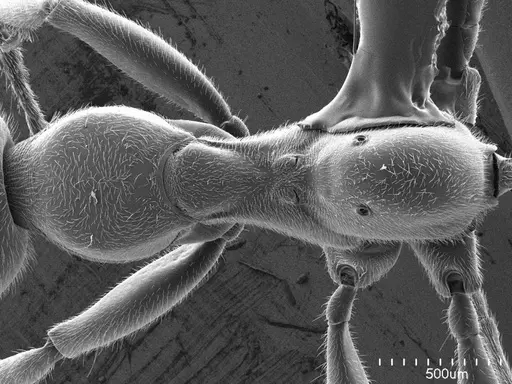
CASENT0217587
View on AntWeb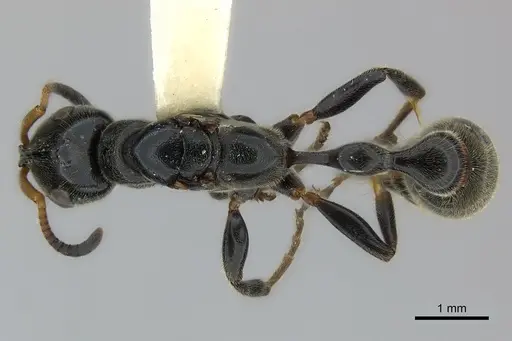
CASENT0246299
View on AntWeb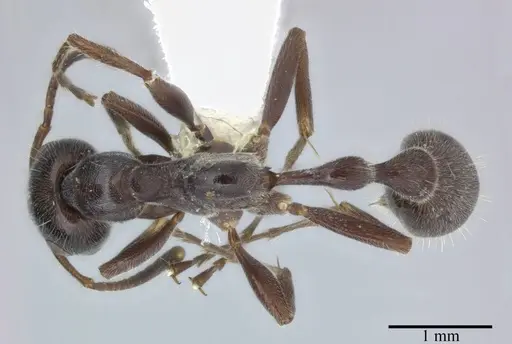
CASENT0902828
View on AntWeb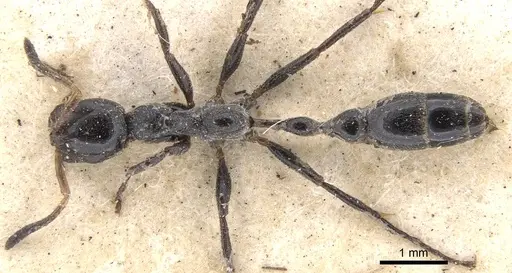
CASENT0905747
View on AntWeb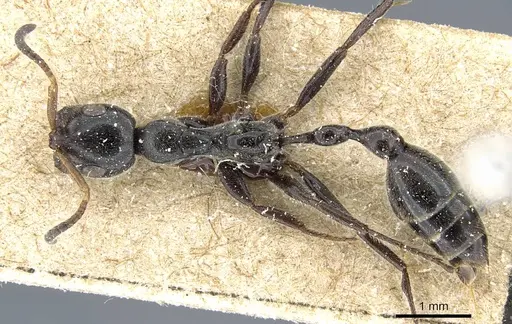
CASENT0907459
View on AntWeb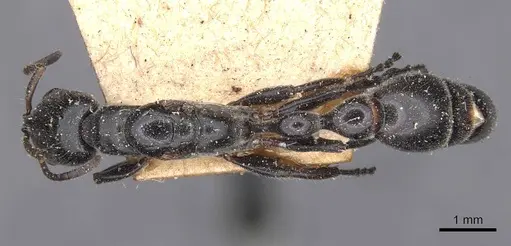
CASENT0907467
View on AntWeb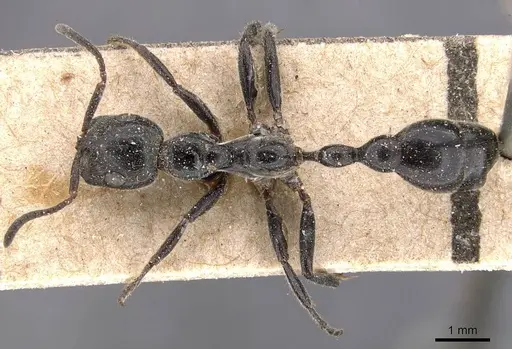
Literature
Loading distribution map...Loading products...