
Tetraponera ambigua
- Sci. Name
- Tetraponera ambigua
- Tribe
- Pseudomyrmecini
- Subfamily
- Pseudomyrmecinae
- Author
- Emery, 1895
- Distribution
- Found in 6 countries
Introduction
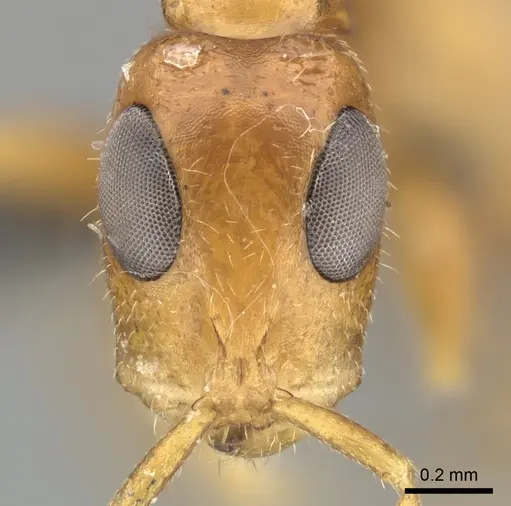
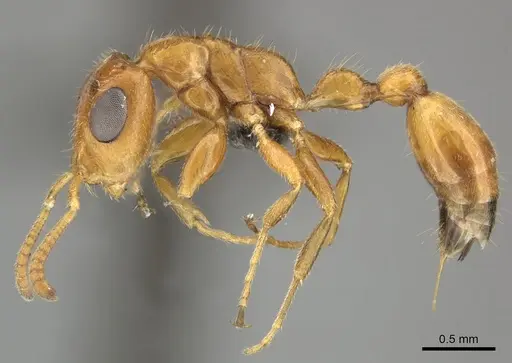
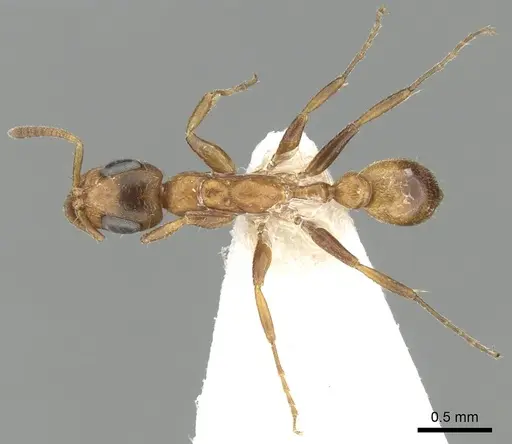
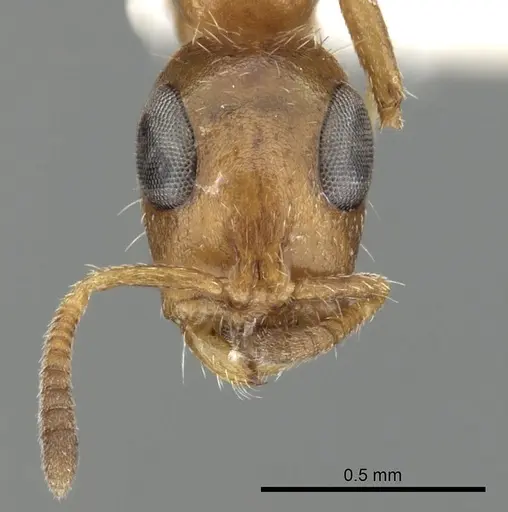
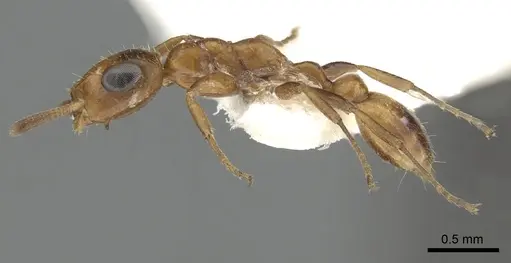
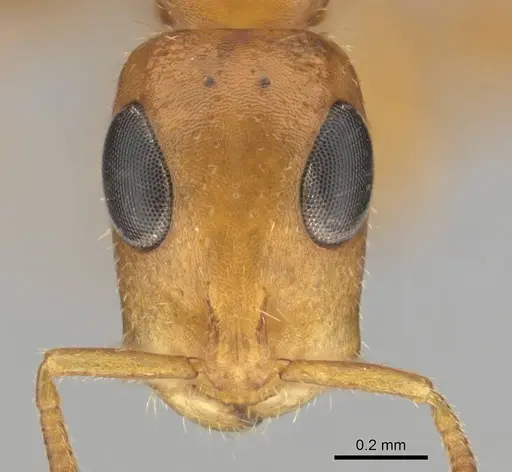
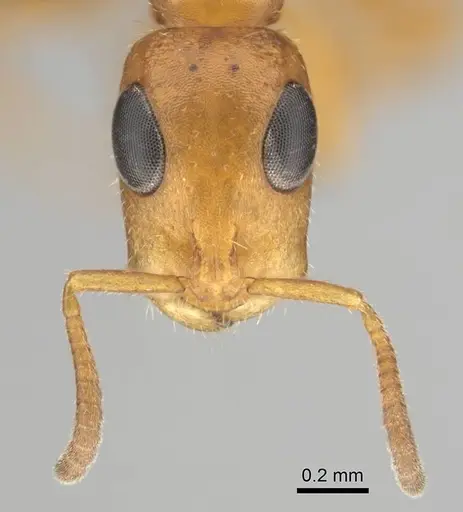
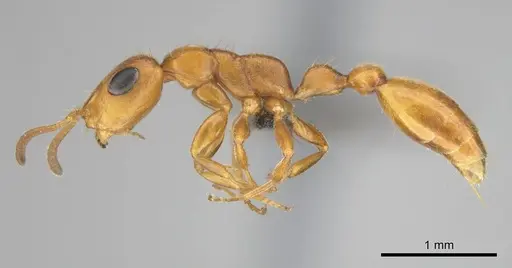
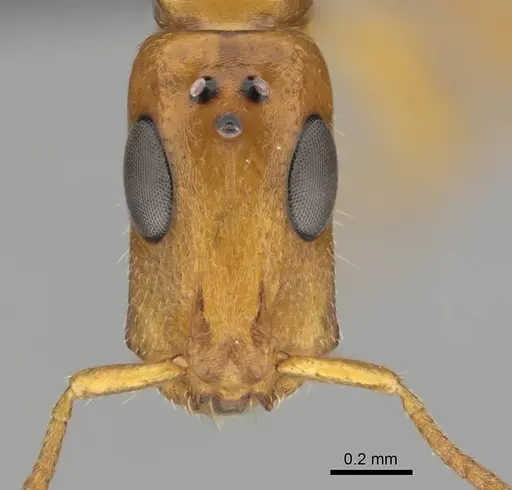
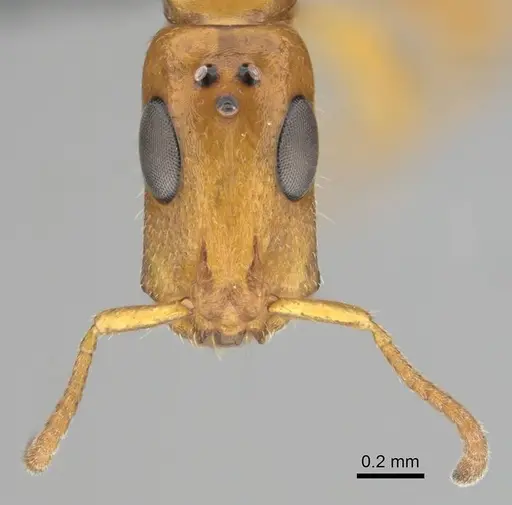
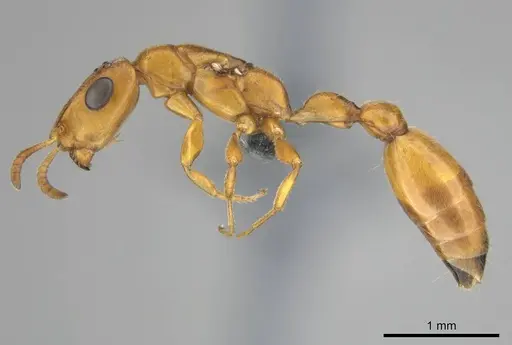
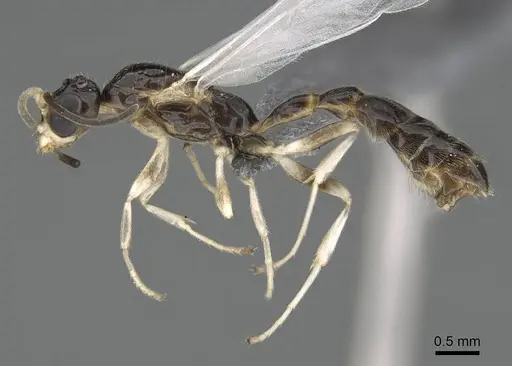
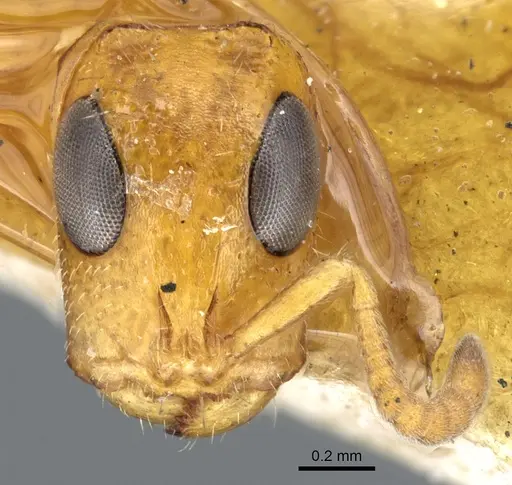
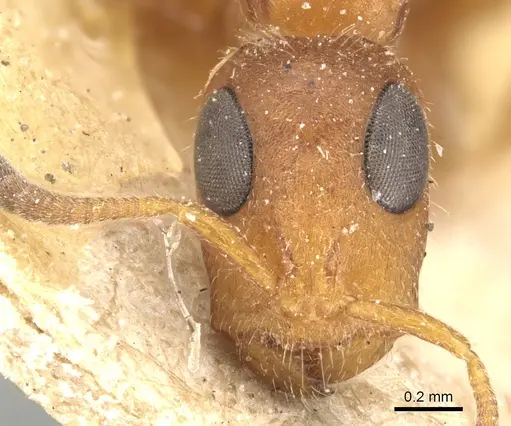
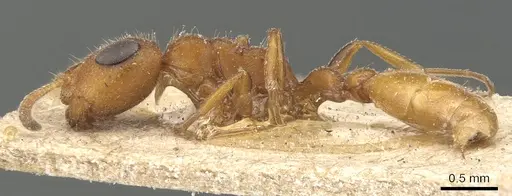
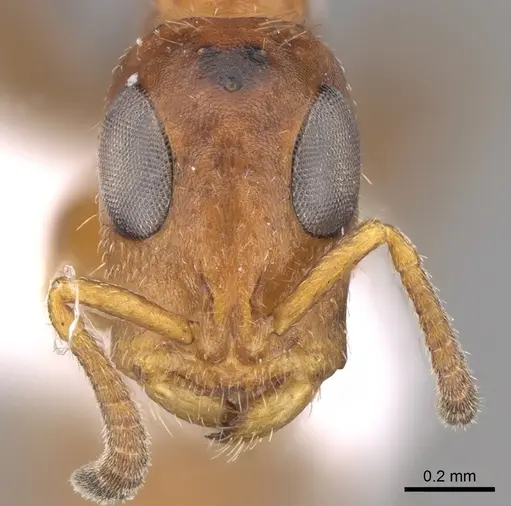
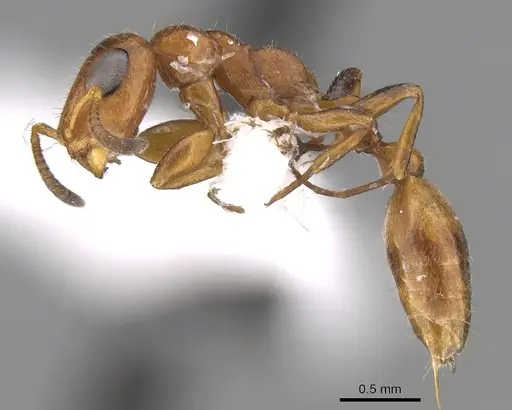
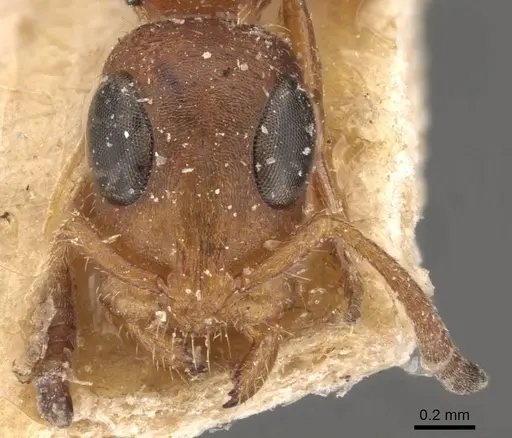
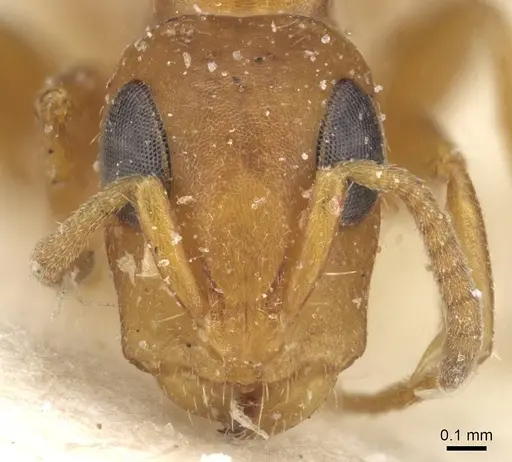
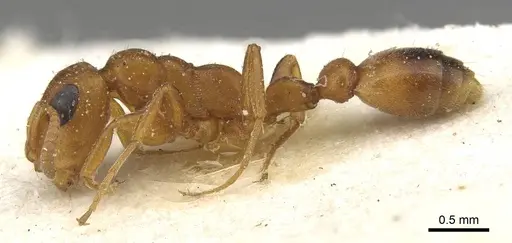
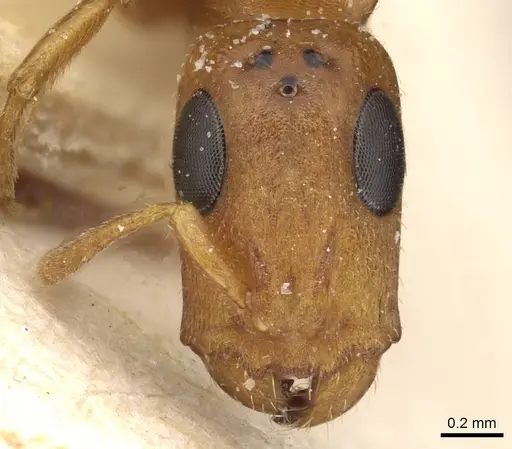
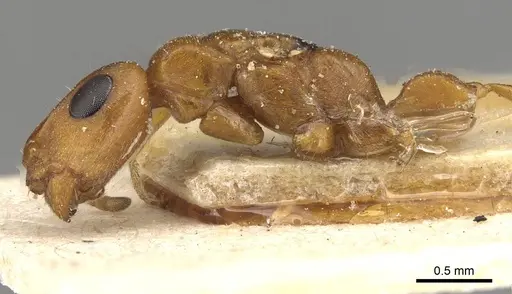
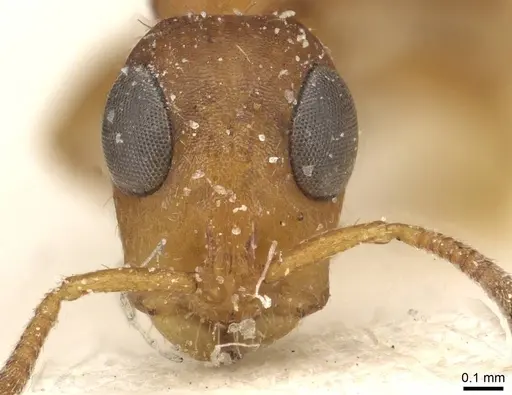
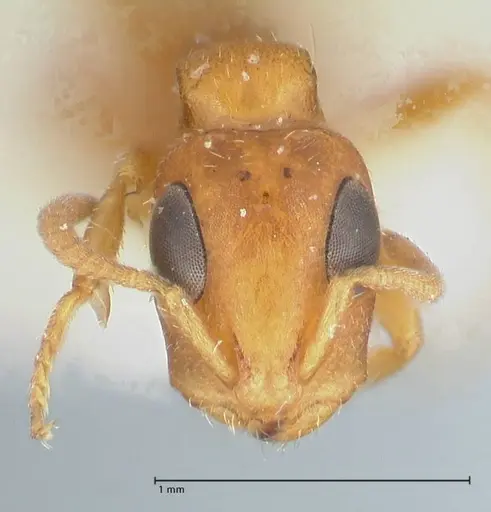
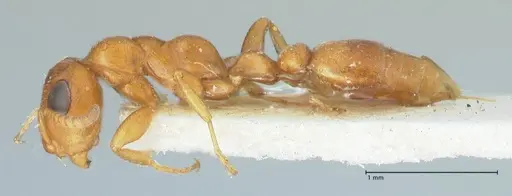
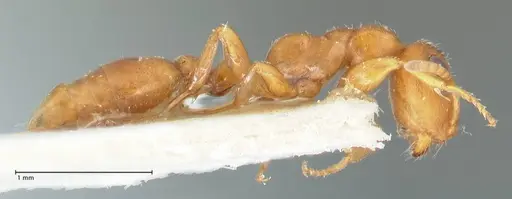
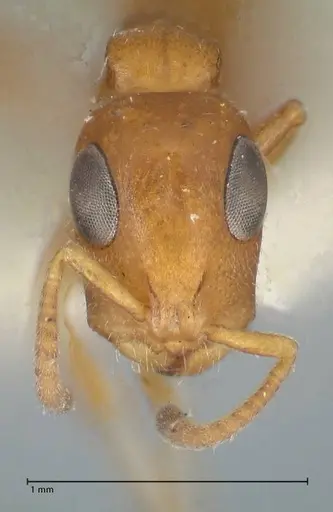
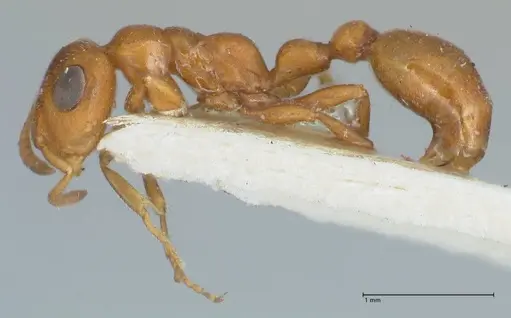
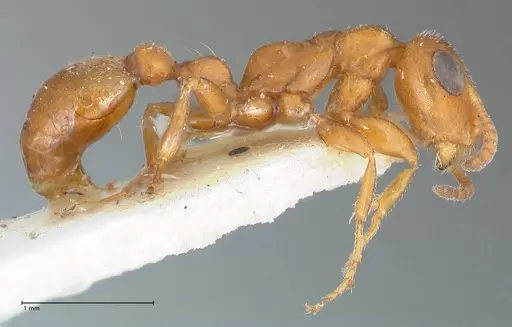
Tetraponera ambigua is a small to medium-sized ant from the Pseudomyrmecinae subfamily. Workers are pale yellowish-orange to orange-brown, with a relatively flat upper body profile and abundant standing hairs on the mesonotum and propodeum . This species produces both minor workers and a larger soldier caste (dimorphic) . It has an exceptionally wide range across Africa and the Arabian Peninsula, from the Sahara and the Arabian Peninsula south to South Africa, and west to Senegal, making it one of the most widespread Tetraponera species . Unlike many ants that prefer rainforest, this species thrives in semi-arid, dry habitats and nests in dead twigs .
Quick Summary
- Difficulty: Medium
- Origin & Habitat: Native to the Afrotropical region, ranging from the Arabian Peninsula and Sahara south to South Africa, with outlying populations in the southern Palaearctic (Algeria, Egypt, Israel, Libya) [1][4]. This is a dry-adapted species that nests in dead twigs in semi-arid environments, avoiding dense rainforest [1].
- Colony Type: Colony structure is not fully documented. The species is dimorphic (workers and soldiers), but whether it is monogyne (single queen) or polygyne (multiple queens) is unknown [2].
- Size & Growth:
- Queen: Unknown from primary data, queens of related Tetraponera species are typically larger than workers, estimated ~7–9 mm
- Worker: Total length unknown from confirmed studies, but related forms (treated as junior synonyms) measure minor TL 3.8–4.2 mm, major TL 4.5–5.0 mm [5]
- Colony: Unknown – no documented colony size studies exist
- Growth: Moderate
- Development: Unconfirmed – based on related Pseudomyrmecinae, expect ~6–10 weeks at optimal temperatures (Development not directly studied for this species.)
- Antkeeping:
- Temperature: Keep at 22–26°C – these are warm-adapted ants from semi-arid African environments [1]. A gentle gradient allowing self-regulation is ideal, room temperature within this range works well.
- Humidity: Low to moderate – the species naturally inhabits dry semi-arid environments. Keep the nest substrate relatively dry, with some moisture available but avoid overly damp conditions that would suit rainforest species.
- Diapause: Likely minimal or none – being an Afrotropical species from warm climates, they probably do not require a true hibernation period. A slight cool-down during winter may be beneficial but is not mandatory.
- Nesting: Natural nesting: dead twigs, small cavities in dry wood [1]. Captive care: Y-tong (AAC) or plaster nests with small chambers appropriate for their worker size. Avoid overly humid setups – these are dry-adapted ants.
- Behavior: These ants are relatively calm and not particularly aggressive. They are generalist foragers that likely hunt small insects and tend honeydew-producing insects. Workers are small (under 4 mm) so escape prevention using fine mesh is important. They naturally live in twigs above ground, not in soil nests.
- Common Issues: dry habitat requirements – too much humidity can cause colony decline, small worker size means escape prevention must be good despite their calm nature, limited documented care information makes experimental approaches necessary, dimorphic colony structure (soldiers vs workers) may confuse new keepers about normal caste ratios, wild-caught colonies may carry parasites from their native range
Natural History and Distribution
Tetraponera ambigua has an extensive range across Africa and the Arabian Peninsula. The species is found from the Arabian Peninsula and Sahara Desert south through East Africa to South Africa, with western populations reaching Senegal [1]. This makes it one of the most widely distributed Tetraponera species in the Afrotropical region. The northern limits of its distribution include Israel, Egypt, Libya, and Algeria in the Palaearctic region [4][6].
Unlike many ant species that thrive in humid rainforest environments, T. ambigua shows a preference for semi-arid habitats. It is commonly found nesting in dead twigs, which provides the dry, well-ventilated conditions this species prefers [1]. This arboreal nesting behavior means the ants are adapted to living in elevated microhabitats rather than ground nests. The species is dimorphic, producing both regular workers and larger soldier castes, which is a notable trait within the genus [2].
Housing and Nest Preferences
In captivity, replicate their natural twig-nesting habitat. Y-tong (AAC) nests or plaster nests with small chambers work well for these small ants. Avoid large, open spaces that would make them feel insecure.
Because they come from dry, semi-arid environments, keep the nest relatively dry. Allow the substrate to dry out between rehydrations. Good ventilation is important to prevent stagnant, humid conditions. Provide a small water reservoir for drinking but avoid constant dampness in the nest chamber.
These are arboreal ants – they do better in setups that allow foraging at multiple levels. A formicarium with multiple connected chambers, or a test tube setup with a separate foraging area, works well. [1][2]
Temperature and Climate Requirements
Being a species from warm African environments, T. ambigua prefers temperatures in the 22–26°C range. This matches their natural habitat in semi-arid regions that experience warm temperatures year-round [1]. Room temperature within this range is typically suitable for established colonies.
A gentle temperature gradient within the nest lets the colony self-regulate brood development. Place a heating cable on one side of the nest, but ensure it doesn't dry out the nest too quickly or create hot spots. Monitor colony behavior – if workers cluster consistently in one area, adjust the heating accordingly.
Regarding winter care, these ants likely do not require a true hibernation period given their Afrotropical origin. A slight reduction during winter months (18–20°C) may help simulate natural seasonal variations and could benefit colony health.
Feeding and Diet
Like other Pseudomyrmecinae ants, T. ambigua is a generalist predator and honeydew consumer. In the wild, they forage for small insects and tend scale insects or aphids for honeydew.
In captivity, offer a varied diet: small live prey (fruit flies, small crickets, mealworms) for protein, and sugar sources (honey water, sugar water, diluted syrup) for carbohydrates. Protein-rich foods support brood development. Given their small worker size, prey items should be appropriately sized – not larger than the ants themselves.
Feed small amounts every 2–3 days, removing uneaten prey after 24 hours to prevent mold. Sugar water can be provided in a small container with a cotton wick to prevent drowning.
Colony Structure and Castes
One interesting feature of Tetraponera ambigua is its dimorphic colony structure: the species produces both regular workers and a larger soldier caste [2]. This is somewhat unusual among ants and worth observing in established colonies.
The soldiers are larger than regular workers and likely serve defensive functions. In a healthy colony, you should see a mix of both castes. The proportion of soldiers to workers varies with colony age and resources.
The exact colony structure (monogyne vs polygyne) has not been documented. Until more research is available, assume single-queen colonies and house founding queens separately. Do not combine multiple queens unless you have specific information about this species' tolerance.
Frequently Asked Questions
How long does it take for Tetraponera ambigua to produce first workers?
The exact development timeline is undocumented. Based on related Pseudomyrmecinae, expect approximately 6–10 weeks from egg to first worker at optimal temperatures (around 24–26°C). Actual times vary with temperature and colony health.
What size colony does Tetraponera ambigua reach?
Colony size has not been documented. Based on related Tetraponera species, established colonies likely reach 100–500 workers over several years.
Do Tetraponera ambigua ants sting?
Pseudomyrmecinae ants have functional stingers, so yes, they likely can sting if threatened. However, these ants are not particularly aggressive and typically flee rather than attack. The sting is not medically significant for healthy humans, causing only mild discomfort.
Can I keep Tetraponera ambigua in a test tube setup?
Yes, test tubes work well for founding colonies. Ensure the water reservoir is not too large, as these dry-adapted ants prefer modest humidity. Once the colony grows to around 20–30 workers, move to a small formicarium or Y-tong nest with appropriately sized chambers.
Are Tetraponera ambigua good for beginners?
This species is rated as medium difficulty. They have specific humidity requirements (dry habitat) that differ from many common pet ants, and limited documented care information exists. Some experience is helpful, but they are not among the most difficult species.
What temperature should I keep Tetraponera ambigua at?
Keep them at 22–26°C. This warm range reflects their natural semi-arid African habitat [1]. Room temperature in this range works, if your room is cooler, use a gentle heat source on one side of the nest.
Do Tetraponera ambigua need hibernation?
Probably not. Coming from warm African climates, they likely do not require a true hibernation period. A slight temperature reduction during winter (to around 18–20°C) may be beneficial but is not mandatory. Avoid temperatures below 15°C.
Why are my Tetraponera ambigua dying?
Most common issues: 1) Too much humidity – these are dry-adapted ants that suffer in damp conditions. 2) Poor escape prevention despite small size. 3) Wild-caught colonies may carry parasites. 4) Temperature too low or unstable. Review your setup and ensure dry nest conditions with good ventilation.
What do Tetraponera ambigua eat?
They are generalist feeders. Offer small live prey (fruit flies, small crickets, mealworms) for protein, and sugar sources (honey water, sugar water, diluted syrup) for carbohydrates. Feed protein 2–3 times per week and provide constant access to sugar sources.
When should I move Tetraponera ambigua to a formicarium?
Move from test tube to a small formicarium or Y-tong nest when the colony reaches around 20–30 workers and the test tube is becoming crowded. These ants prefer dry conditions, so choose a nest type that doesn't retain excessive moisture.
Report an Issue
The current care sheet is based fully on literature. See inconsistencies, or something that's incorrect? Please , it will be resolved after review from an admin. Contributing to the blogs tab also helps providing information, to make us be able to further improve the caresheets. Thank you for your support!
References

This caresheet is licensed under CC BY-SA 4.0 .
Community Blogs
CASENT0217586
View on AntWeb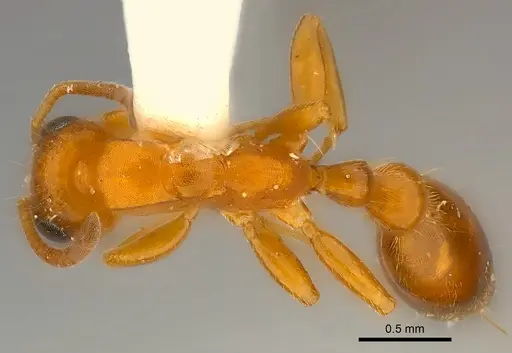
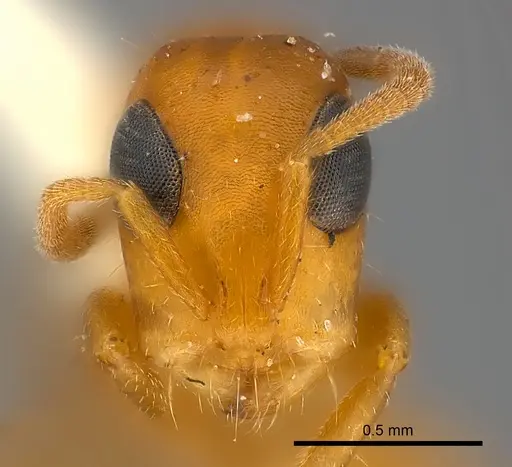
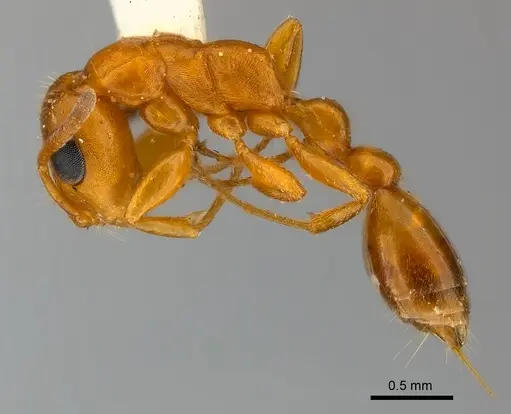
CASENT0235821
View on AntWeb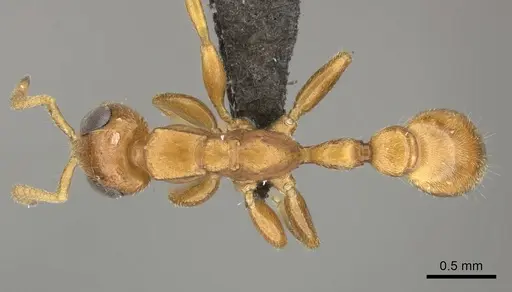
CASENT0249824
View on AntWeb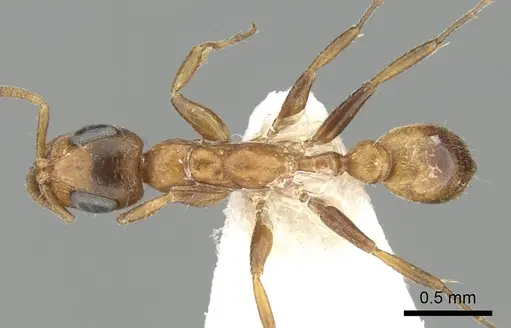
CASENT0257172
View on AntWeb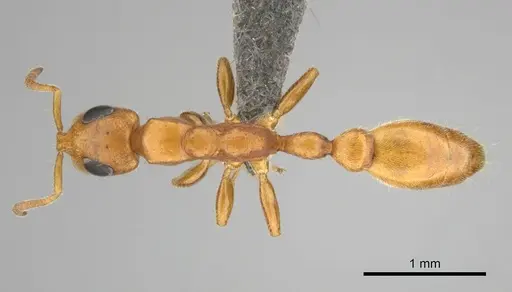
CASENT0257308
View on AntWeb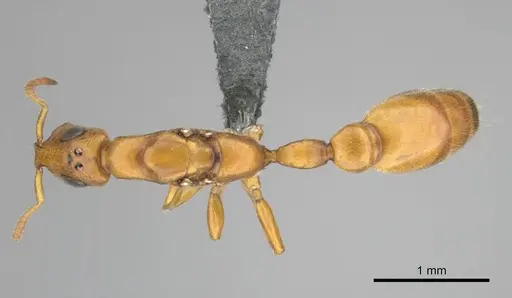
CASENT0770305
View on AntWeb
CASENT0902814
View on AntWeb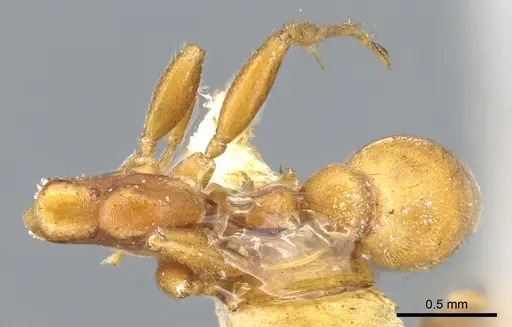
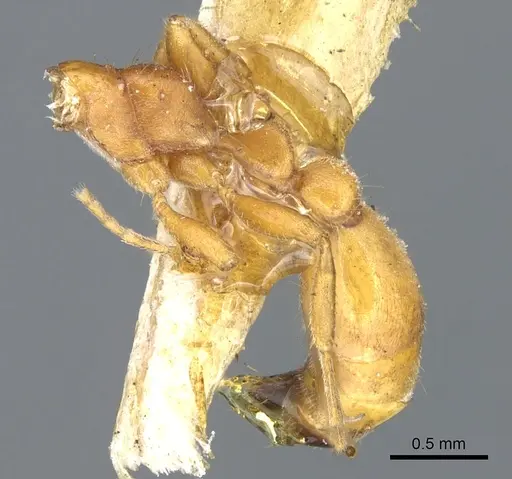
CASENT0904033
View on AntWeb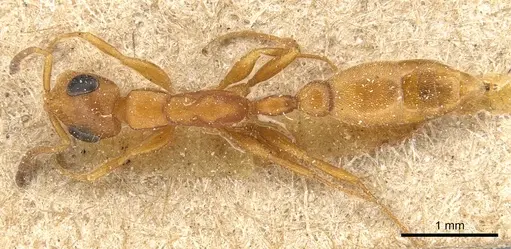
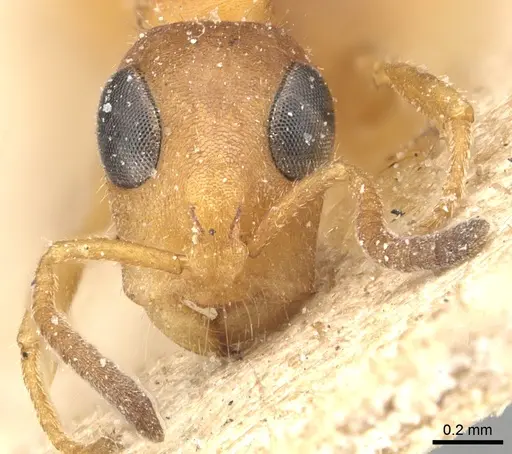
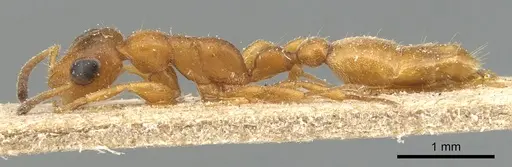
CASENT0904034
View on AntWeb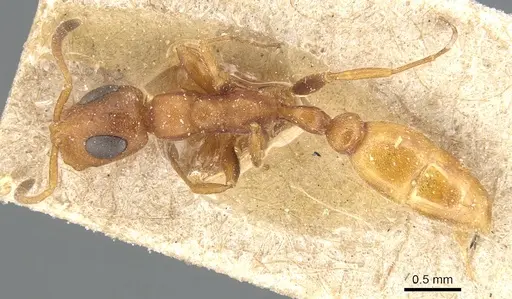
CASENT0906480
View on AntWeb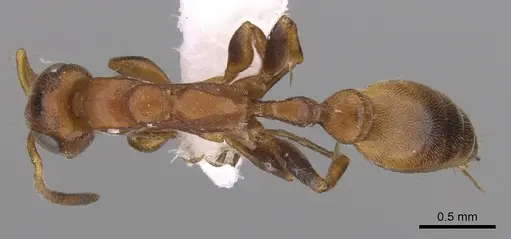
CASENT0907469
View on AntWeb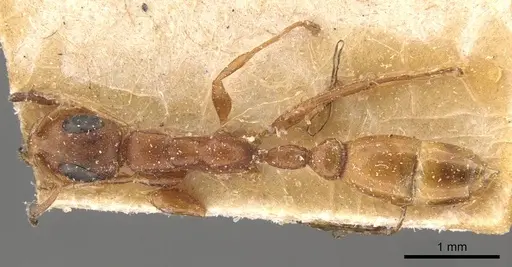
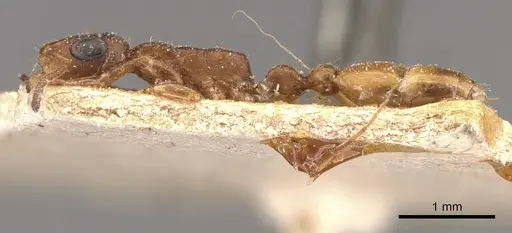
CASENT0915525
View on AntWeb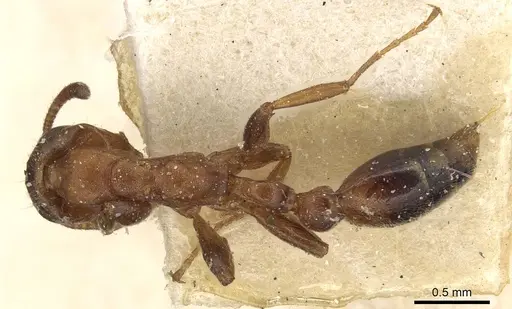
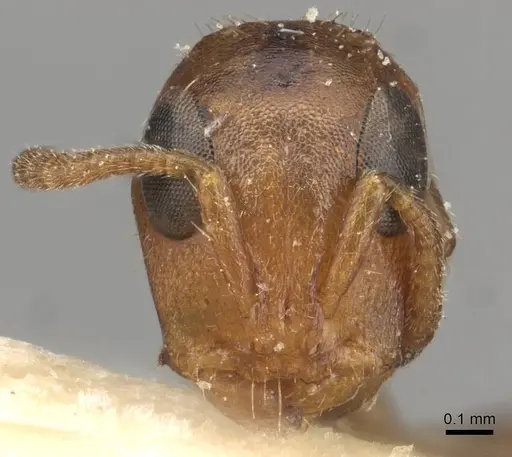
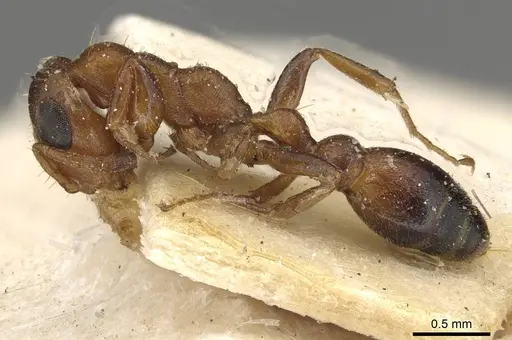
CASENT0915526
View on AntWeb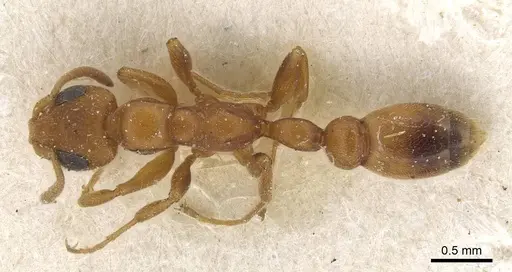
CASENT0915528
View on AntWeb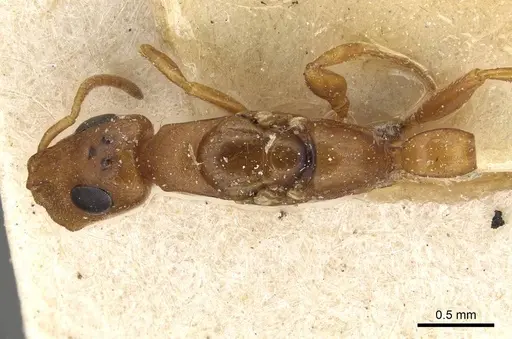
CASENT0915536
View on AntWeb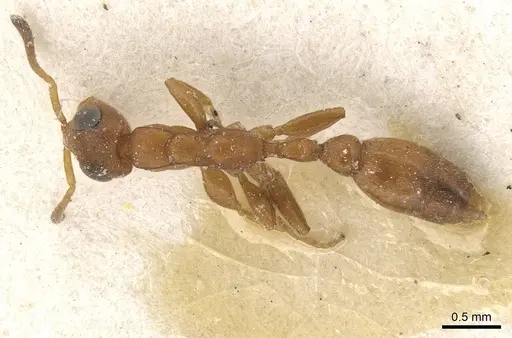
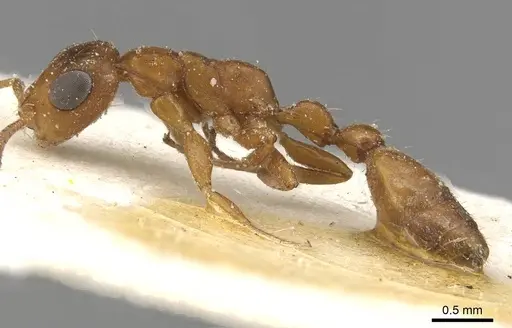
CASENT0915849
View on AntWeb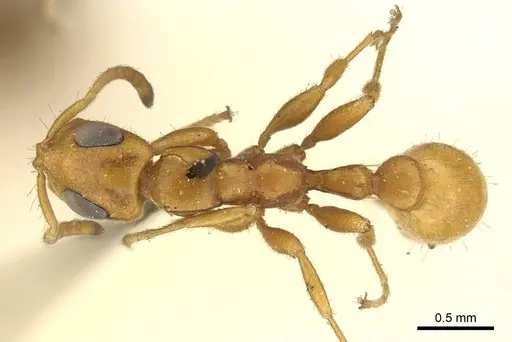
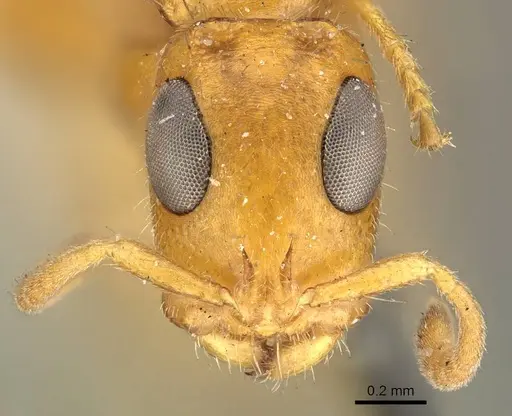
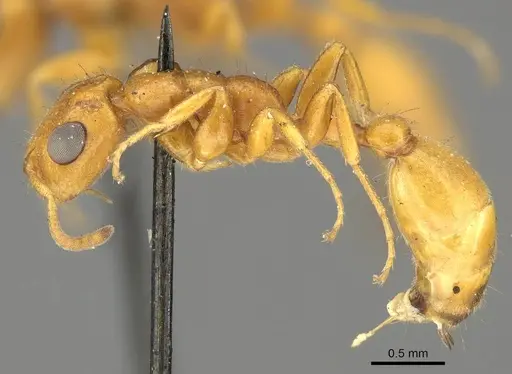
FOCOL1169
View on AntWeb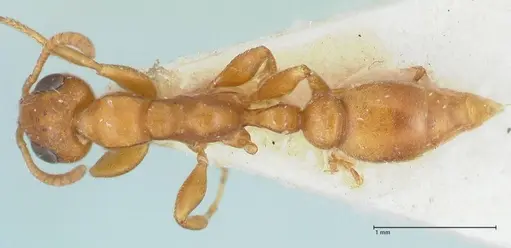
FOCOL1170
View on AntWeb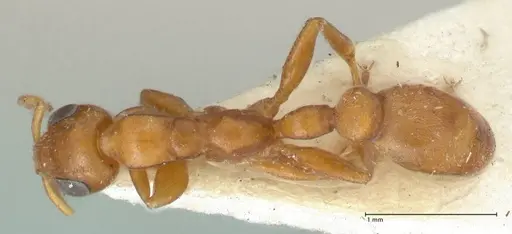
Literature
Loading distribution map...Loading products...