
Tetramorium zenatum
- Sci. Name
- Tetramorium zenatum
- Tribe
- Crematogastrini
- Subfamily
- Myrmicinae
- Author
- Bolton, 1979
- Distribution
- Found in 1 countries
Introduction
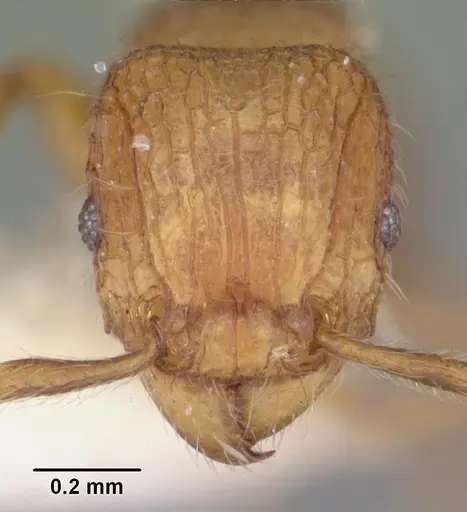
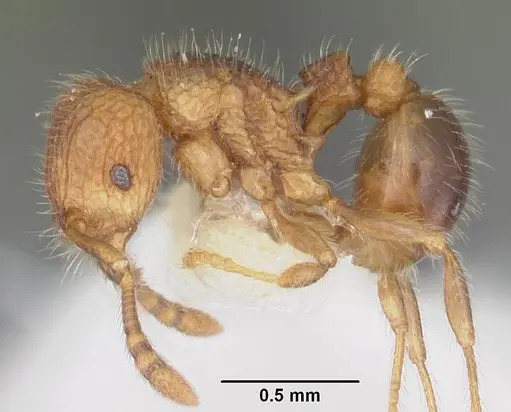
Tetramorium zenatum is a small ant species native to Madagascar, belonging to the Tetramorium ranarum species group . Workers are typical of the genus – small, dark-bodied ants with 12-segmented antennae and a two-segmented petiole . This species is endemic to Madagascar . It has been recorded in unburned grassland and dry deciduous forest in the Beanka Reserve, Melaky Region, western Madagascar .
Quick Summary
- Difficulty: Medium
- Origin & Habitat: Endemic to Madagascar, found in unburned grassland and dry deciduous forest in the Beanka Reserve, Melaky Region [2][1].
- Colony Type: Likely monogyne (single queen) based on typical Tetramorium patterns, but not specifically documented for this species.
- Size & Growth:
- Queen: size unknown – inferred from Tetramorium genus (~5–7 mm)
- Worker: ~2.5–3.5 mm (inferred from Tetramorium genus)
- Colony: Up to a few thousand workers (inferred from related Tetramorium species)
- Growth: Moderate (inferred from related species)
- Development: Estimated 6–10 weeks at 24–28°C based on typical Tetramorium development (inferred from genus patterns) (Actual timing for T. zenatum has not been directly studied – this is an estimate.)
- Antkeeping:
- Temperature: Keep at 24–28°C (inferred from tropical Madagascar climate). A heating cable on one side of the nest can create a gradient.
- Humidity: Moderate to high – keep the nest substrate moist but not waterlogged (inferred from grassland/forest habitat in Madagascar) [2].
- Diapause: No – inferred from tropical Madagascar climate with no true winter.
- Nesting: Ground-nesting species. In captivity, use test tubes (for founding), Y-tong (AAC) nests, or plaster nests with moist substrate (inferred from typical Tetramorium and habitat).
- Behavior: Active foragers that search for food on the ground. Not particularly aggressive but will defend the nest if threatened. Workers are small, so escape risk is high – use fine mesh barriers and tight-fitting lids. Accept a varied diet of small insects and sugar sources (inferred from genus patterns).
- Common Issues: small size means escapes are likely without fine mesh barriers, limited natural history data makes care recommendations uncertain, wild-caught colonies may have parasites specific to Madagascar, humidity must be maintained – drying out can quickly kill colonies, growth rate is moderate – patience required during founding phase
Housing and Nest Setup
Start with a standard test tube setup for the founding queen. Once the colony grows past the founding stage, you can move it to a more permanent formicarium. Y-tong (AAC) nests work well because they provide the dark, humid environment these ants prefer while allowing you to observe colony growth. Plaster nests are also a good option – they hold moisture well. Provide a water reservoir or moisture source in the nest, as these ants need consistent humidity. The outworld should be simple and easy to clean. Always use excellent escape prevention – their small size means they can squeeze through gaps that seem impossible.
Feeding and Diet
Tetramorium ants are generalist omnivores. In captivity, offer small live prey like fruit flies, pinhead crickets, or mealworms for protein several times a week, adjusting based on colony size. Provide constant access to sugar sources such as honey water, sugar water, or commercial ant nectar. A constant sugar water feeder works well for established colonies. Remove uneaten prey after 24–48 hours to prevent mold.
Temperature and Heating
As a Madagascar species, Tetramorium zenatum expects warm conditions. Keep the nest area at 24–28°C for optimal brood development. Room temperature in this range is ideal, but you may need supplemental heating in cooler climates. A heating cable placed on one side of the nest creates a temperature gradient so ants can self-regulate. Avoid placing heat directly under water reservoirs as it causes rapid evaporation. Monitor both temperature and humidity together – if workers seem sluggish and cluster in cooler areas, slightly increase heat, if they avoid the heated area, reduce heat.
Humidity Management
These ants come from grassland and forest habitats in Madagascar, which have moderate to high humidity [2]. Keep the nest substrate consistently moist but never waterlogged – it should feel damp to the touch, like a wrung-out sponge. For test tube setups, keep the water reservoir full but not overflowing, you want moisture to slowly wick through the cotton, not flood the chamber. In Y-tong or plaster nests, check regularly that the moisture level hasn't dropped. Dry air causes colony decline, especially during founding. However, avoid condensation dripping directly on ants – excessive moisture without ventilation leads to mold. A balance of damp substrate with some drier areas for foraging works best.
Colony Founding
Founding behavior for T. zenatum is unconfirmed, so you will need to observe the queen carefully. Provide a small piece of protein food (like a tiny piece of mealworm) in the founding setup once she lays eggs. Monitor her but don't disturb too often. The first brood should develop into larvae within a couple of weeks, then pupae, and first workers typically emerge after 6–10 weeks under warm conditions. These first workers are usually smaller than mature workers. Once workers emerge, the queen will likely stop foraging as the workers take over food collection. Do not feed large prey to founding colonies – the queen and tiny nanitics cannot handle oversized prey.
Growth and Development
Colony growth is moderate. With consistent warmth (24–28°C), adequate humidity, and regular feeding, a colony may take six to twelve months to reach around 50 workers. Brood development takes several weeks per cycle. Once you have 50+ workers, growth typically accelerates as more foragers can gather food. The maximum colony size is unknown but likely reaches a few hundred to a few thousand workers based on related Tetramorium species. Patience is essential – these are not display species that grow quickly. Regular feeding and stable conditions are more important than any special care tricks.
Frequently Asked Questions
How long does it take for Tetramorium zenatum to get first workers?
Expect first workers (nanitics) in 6–10 weeks after eggs are laid, assuming temperatures of 24–28°C. This is typical for Tetramorium species, but the exact timeline for T. zenatum has not been documented.
What do Tetramorium zenatum ants eat?
They are generalist omnivores. Offer small live insects for protein several times a week and provide constant access to sugar sources like honey water or sugar water. Remove uneaten prey after 24 hours.
Can I keep Tetramorium zenatum in a test tube?
Yes, test tubes work well for founding colonies. Keep the water reservoir filled with fresh water and maintain humidity by ensuring the cotton stays moist but not flooded. Once the colony outgrows the test tube, consider moving to a larger formicarium.
Do Tetramorium zenatum ants need hibernation?
No, they don't require hibernation. As a Madagascar species, they expect year-round warm conditions. A slight temperature reduction during winter months is acceptable but not necessary.
Are Tetramorium zenatum ants aggressive?
They are not particularly aggressive toward humans but will defend the nest if threatened. Workers are small and their sting is minimal – Myrmicinae ants have stingers, but Tetramorium species are not known for painful stings.
How big do Tetramorium zenatum colonies get?
The maximum colony size is not documented. Based on related Tetramorium species, colonies likely reach several hundred to a few thousand workers.
What temperature do Tetramorium zenatum ants need?
Keep them at 24–28°C. This warm range mimics their Madagascar habitat and supports optimal brood development. A heating cable on one side of the nest can provide this warmth.
Why are my Tetramorium zenatum dying?
Common causes include: drying out (low humidity kills them), temperatures that are too cold, mold from overwatering or poor ventilation, escape due to inadequate barriers, or stress from too much disturbance. Check humidity and temperature first.
When should I move Tetramorium zenatum to a formicarium?
Move them when the test tube becomes crowded (30+ workers) or when the water reservoir needs frequent refilling. A Y-tong or plaster nest works well for this species.
Do Tetramorium zenatum ants escape easily?
Yes, their small size means they can escape through tiny gaps. Use fine mesh on all openings, ensure lids fit tightly, and consider barrier methods like fluon on container rims. Check for escapes daily.
Is Tetramorium zenatum good for beginners?
This species is rated as medium difficulty. While not the hardest ant to keep, the limited natural history data and small size make it better suited for keepers who already have some experience with Myrmicinae ants.
Can I keep multiple Tetramorium zenatum queens together?
Not recommended. Colony structure is not well documented, but combining unrelated queens typically leads to fighting. If you obtain a colony, assume single-queen (monogyne) structure based on typical Tetramorium patterns.
Report an Issue
The current care sheet is based fully on literature. See inconsistencies, or something that's incorrect? Please , it will be resolved after review from an admin. Contributing to the blogs tab also helps providing information, to make us be able to further improve the caresheets. Thank you for your support!
References

This caresheet is licensed under CC BY-SA 4.0 .
Community Blogs
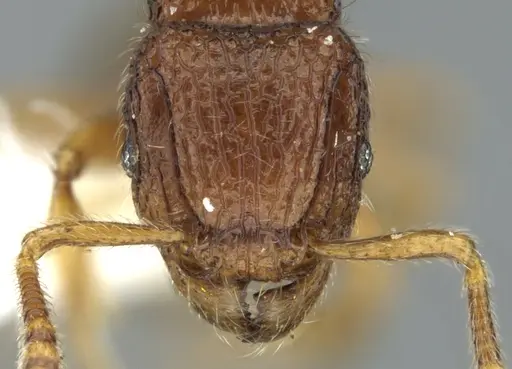
CASENT0102355
View on AntWeb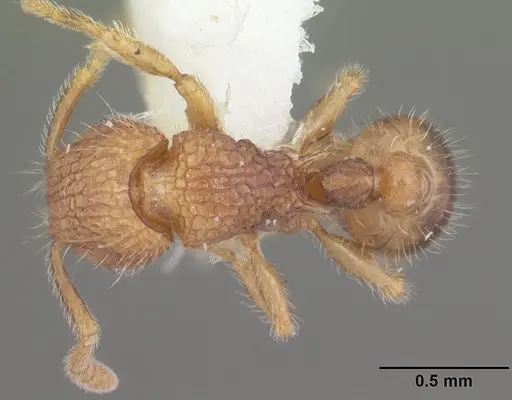
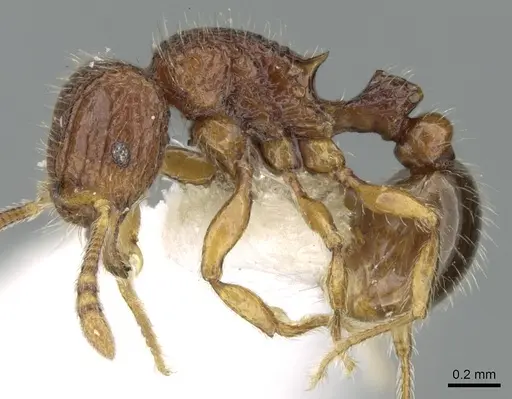
CASENT0344941
View on AntWeb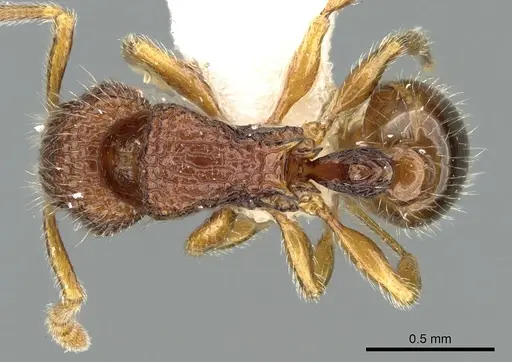
Literature
Loading distribution map...Loading products...