
Tetramorium zambezium
- Sci. Name
- Tetramorium zambezium
- Tribe
- Crematogastrini
- Subfamily
- Myrmicinae
- Author
- Santschi, 1939
- Distribution
- Found in 7 countries
Introduction
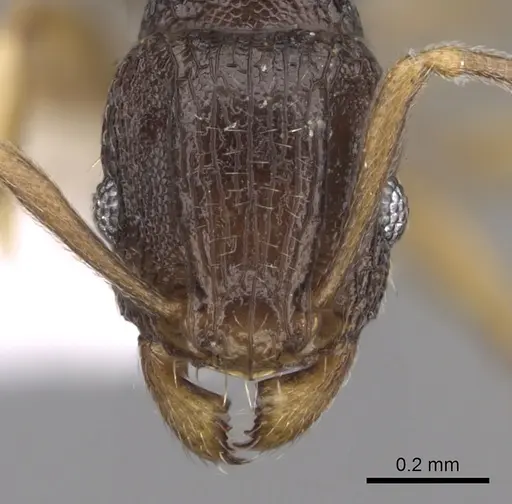
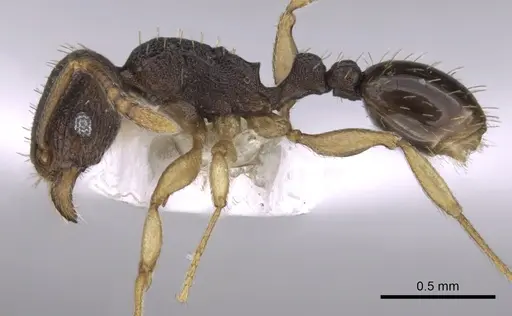
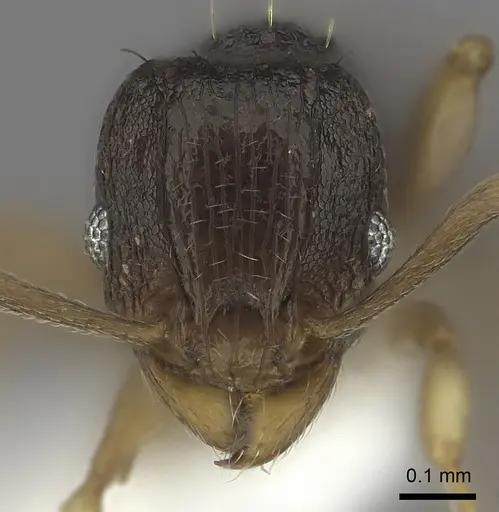
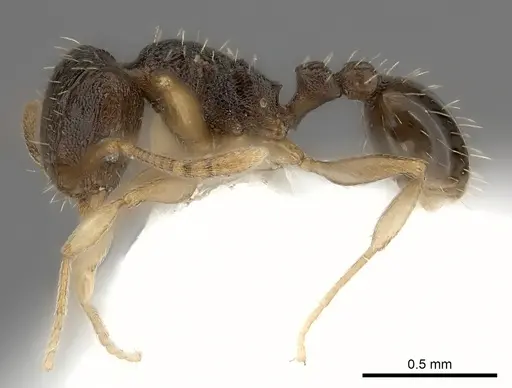
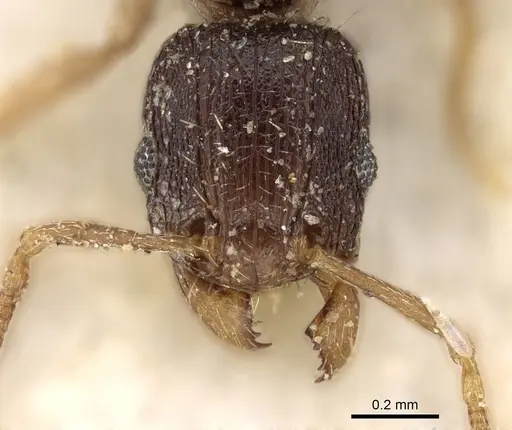
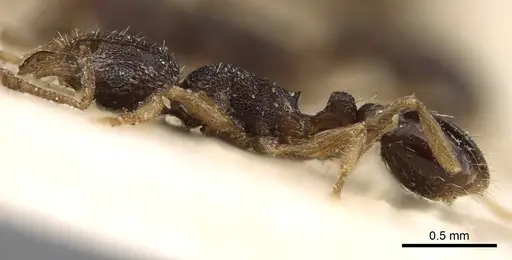
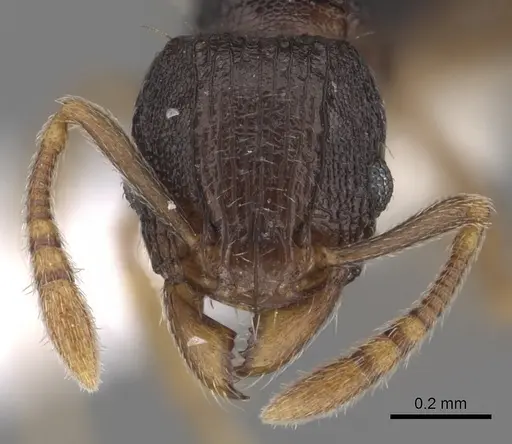
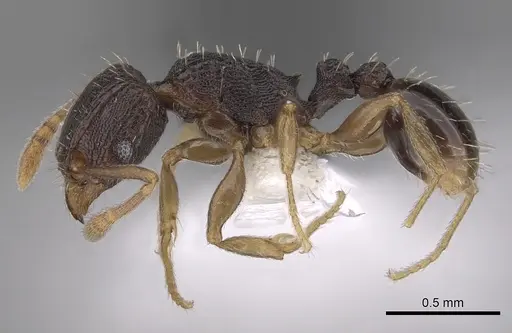
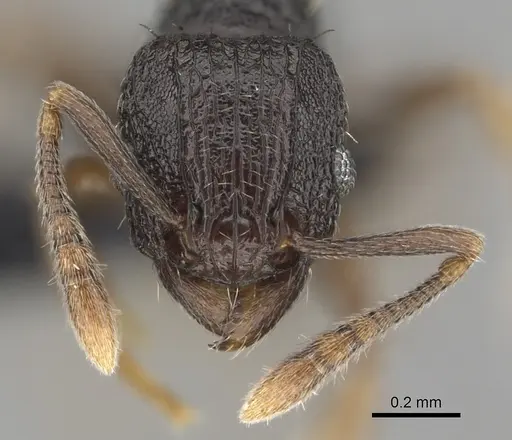
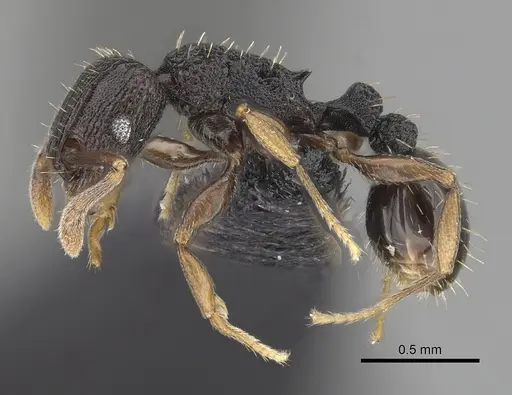
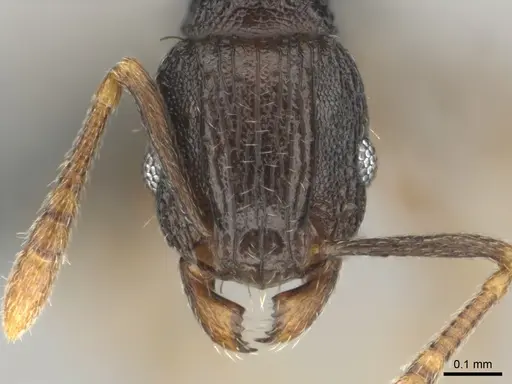
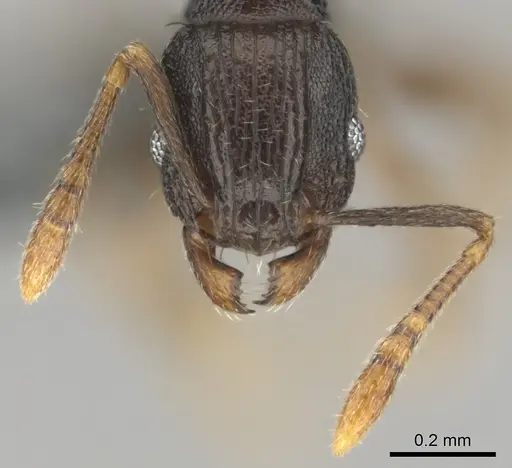
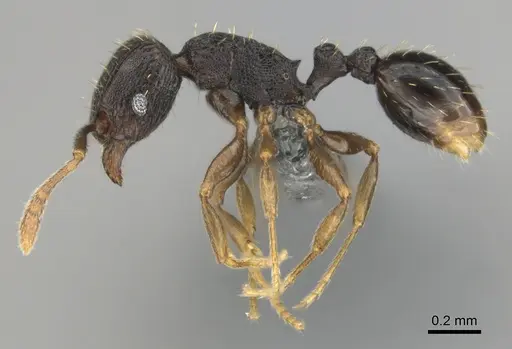
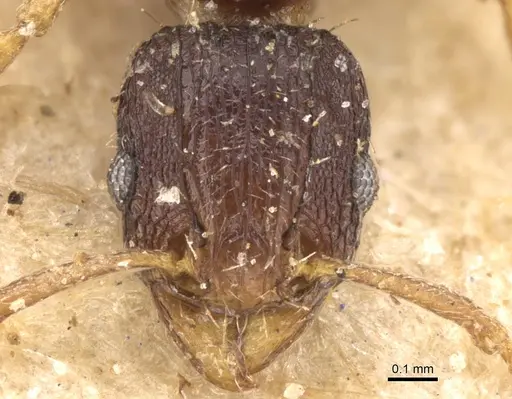
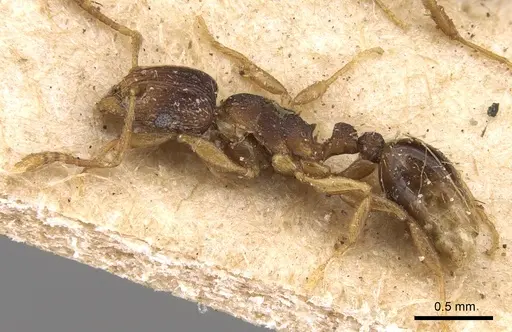
Tetramorium zambezium is a small, ground-dwelling ant species native to the Afrotropical region, found across central, eastern, and southern Africa including the Democratic Republic of Congo, Ivory Coast, Kenya, Mozambique, Rwanda, Zambia, and Zimbabwe . It has also been recorded in Gabon (previously misidentified as Tetramorium minisculum) and was first reported from Rwanda in 2022 . Workers are typically 3-4mm in length, with the characteristic Tetramorium appearance: a compact body, two-segmented petiole, and a rough, textured surface. The species was originally described from Zimbabwe in 1939 and was later synonymized with Tetramorium delagoense before being revived as a valid species in 1995 . This species belongs to the large genus Tetramorium, often called 'pavement ants' in the hobby due to their nesting habits under stones and along ground surfaces. As a tropical African species, it likely prefers warm, moderately humid conditions similar to other members of the genus. The species has been documented in forest margins and transitional zones between forest and savannah, indicating adaptability to different microhabitats .
Quick Summary
- Difficulty: Easy
- Origin & Habitat: Afrotropical region, Democratic Republic of Congo, Ivory Coast, Kenya, Mozambique, Rwanda, Zambia, Zimbabwe, and Gabon [1][3][2]. Found in forest margins and transitional forest-savannah zones [3].
- Colony Type: Likely monogyne (single queen colony) based on typical Tetramorium patterns. Colony structure has not been directly documented for this specific species.
- Size & Growth:
- Queen: Estimated 6-8mm, inferred from Tetramorium genus patterns
- Worker: Estimated 3-4mm, inferred from Tetramorium genus patterns
- Colony: Likely several hundred workers, inferred from related Tetramorium species
- Growth: Moderate, inferred from typical Myrmicinae development
- Development: Estimated 6-8 weeks at warm temperatures, inferred from typical Tetramorium development (Development time is estimated from related species, actual timing may vary. Tropical species typically develop faster than temperate ones.)
- Antkeeping:
- Temperature: Keep at 22-26°C. As a tropical species, warmth is important for colony activity and brood development. A heating cable on one side of the nest can create a suitable gradient, inferred from habitat
- Humidity: Moderate humidity around 50-70%. Keep the nest substrate slightly moist but not waterlogged. These ants prefer conditions similar to forest floor, damp but with good ventilation, inferred from habitat
- Diapause: Likely minimal or no true diapause, as a tropical species, they may slow down during cooler periods but do not require hibernation like temperate species, inferred from habitat
- Nesting: Ground-nesting species that likely prefers soil-based nests or test tube setups with dirt substrate. They do well in naturalistic setups with a moisture reservoir. Y-tong nests also work well for this size, inferred from genus patterns
- Behavior: Generally peaceful and not aggressive toward keepers. Workers are active foragers, typical of Tetramorium species, they search for seeds, small insects, and honeydew. Escape risk is moderate due to their small size, use standard barriers like Fluon on test tube rims. Their defense mechanism is 'smearing': they use a modified flattened stinger to wipe venom onto enemies rather than piercing. The venom is mild and poses no threat to humans.
- Common Issues: colonies may decline if kept too cold, maintain warm temperatures, small colony size means slow growth, patience is required, escape prevention needed due to small worker size, test tube setups can dry out quickly, monitor moisture levels, wild-caught colonies may have parasites that affect survival
Housing and Nest Setup
Tetramorium zambezium does well in standard ant keeping setups. For founding colonies, a test tube setup with a water reservoir works well, the queen will seal herself in and raise her first nanitic workers in the dark chamber. Once the colony reaches about 20 workers, you can transition to a small formicarium or keep them in a test tube with a foraging area. Because they are ground-nesting ants, they do best in setups with a soil or sand substrate that they can dig through. A small container with 2-3cm of moist earth connected to a foraging area gives them space to expand. Y-tong (AAC) nests are also suitable for this species, especially if you want to observe their tunneling behavior. Whatever setup you choose, ensure the nest area stays slightly moist and provide a water source in the foraging area, inferred from genus patterns.
Feeding and Diet
Like most Tetramorium species, Tetramorium zambezium is omnivorous and will accept a variety of foods. In captivity, they do well on a balanced diet of protein and carbohydrates. Protein sources include small insects like fruit flies, pinhead crickets, mealworms, and other appropriately sized arthropods. Offer protein prey 2-3 times per week, adjusting based on colony size, larger colonies need more frequent feeding. For carbohydrates, provide sugar water, honey water, or a small drop of honey. They will also collect seeds if available, though this is more common in some Tetramorium species than others. Fresh fruit can also be accepted. Always remove uneaten prey after 24-48 hours to prevent mold issues in the nest, inferred from genus patterns.
Temperature and Seasonal Care
As a tropical African species, Tetramorium zambezium prefers warm conditions. Keep the nest area at 22-26°C for optimal colony health and brood development. Temperatures below 20°C may slow activity and potentially stress the colony. You can use a small heating cable or heating mat on one side of the nest to create a temperature gradient, allowing ants to move between warmer and cooler areas. Place the heating element on top of the nest rather than underneath to avoid drying out the substrate too quickly. Unlike temperate species, they do not require a true hibernation period, though they may become slightly less active during cooler periods. Room temperature within the 22-26°C range is often suitable without additional heating, inferred from habitat.
Colony Development and Growth
A newly mated queen will seal herself in a small chamber and lay her first eggs, raising the brood on her own body reserves. The first workers (nanitics) are typically smaller than mature workers and appear within 6-8 weeks under warm conditions. After the nanitics emerge, the queen stops foraging entirely and the workers take over all colony maintenance and food collection. Colony growth is moderate, expect the population to double every few months under good conditions. A mature colony may reach several hundred workers over 1-2 years. Growth rate depends heavily on temperature, feeding frequency, and colony health. Colonies are self-sustaining once the first workers emerge, but the founding phase is delicate, avoid disturbing the queen during this time, inferred from genus patterns.
Frequently Asked Questions
How long does it take for Tetramorium zambezium to get first workers?
Expect first workers (nanitics) to emerge in about 6-8 weeks after the queen lays eggs, assuming temperatures around 24-26°C. This timeline is based on typical Tetramorium development and may vary slightly, inferred from genus patterns.
What do Tetramorium zambezium ants eat?
They are omnivorous and accept both protein and sugar sources. Feed small insects like fruit flies or mealworms 2-3 times per week, and provide sugar water, honey, or honey water constantly. They will also occasionally take seeds and fresh fruit, inferred from genus patterns.
Can I keep Tetramorium zambezium in a test tube?
Yes, test tubes work well for founding colonies. Use a standard test tube setup with a water reservoir and cotton plug. Keep the tube horizontal or with the cotton end slightly elevated so the water stays at the far end. Once the colony reaches 20-30 workers, consider adding a small foraging area or transitioning to a formicarium, inferred from genus patterns.
Do Tetramorium zambezium ants sting?
They have a modified stinger used for smearing venom, not for piercing. The venom is mild and poses no real threat to humans. If threatened, they may attempt to smear venom, but it is negligible, subfamily/tribe defense mechanism.
What temperature do Tetramorium zambezium colonies need?
Keep them warm at 22-26°C. As a tropical African species, they prefer consistent warmth. Room temperature in this range is usually sufficient, but you can use a small heating cable if your room runs cool, inferred from habitat.
How big do Tetramorium zambezium colonies get?
Based on related species, colonies likely reach several hundred workers over 1-2 years. The exact maximum is unknown for this species, but typical Tetramorium colonies stay in the few-hundred-worker range, inferred from genus patterns.
Do Tetramorium zambezium need hibernation or diapause?
No, as a tropical species they do not require hibernation. They may slow down slightly during cooler periods, but no special winter care is needed. Simply maintain normal temperatures year-round, inferred from habitat.
Are Tetramorium zambezium good for beginners?
Yes, they are considered easy to keep. They are forgiving of minor care mistakes, do not require hibernation, and accept a wide variety of foods. Their modest temperature and humidity needs make them suitable for new ant keepers, inferred from genus patterns.
Why are my Tetramorium zambezium dying?
Common causes include temperatures that are too cold (below 20°C), excessive dryness, or overfeeding leading to mold. Also check for escape, these small ants can slip through gaps in lids. Ensure proper hydration and warmth, and remove uneaten prey promptly, inferred from genus patterns.
Can I keep multiple Tetramorium zambezium queens together?
This is not recommended. While colony structure is not confirmed for this species, most Tetramorium are monogyne (single queen). Combining unrelated queens typically leads to fighting and colony failure, inferred from genus patterns.
Report an Issue
The current care sheet is based fully on literature. See inconsistencies, or something that's incorrect? Please , it will be resolved after review from an admin. Contributing to the blogs tab also helps providing information, to make us be able to further improve the caresheets. Thank you for your support!
References

This caresheet is licensed under CC BY-SA 4.0 .
Community Blogs
CASENT0217211
View on AntWeb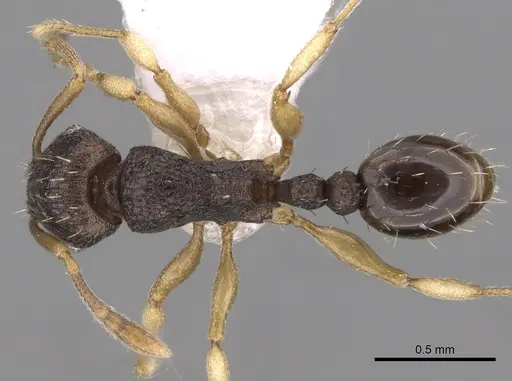
CASENT0217981
View on AntWeb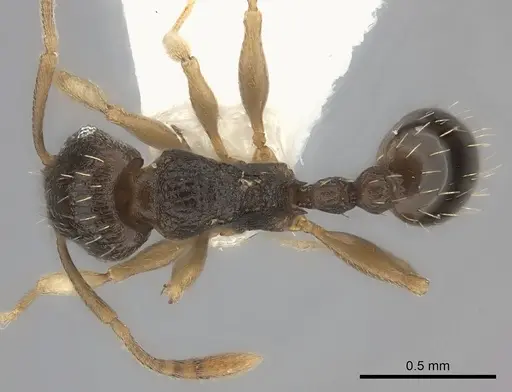
CASENT0280859
View on AntWeb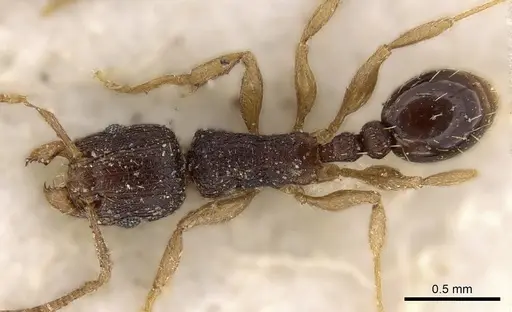
CASENT0316954
View on AntWeb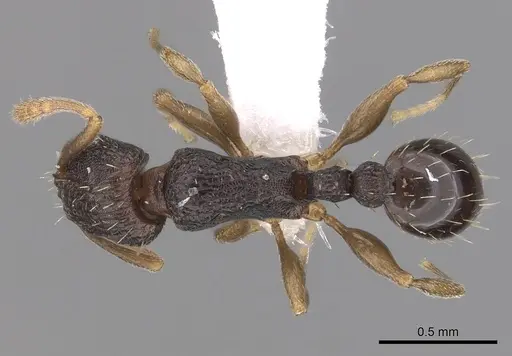
CASENT0316956
View on AntWeb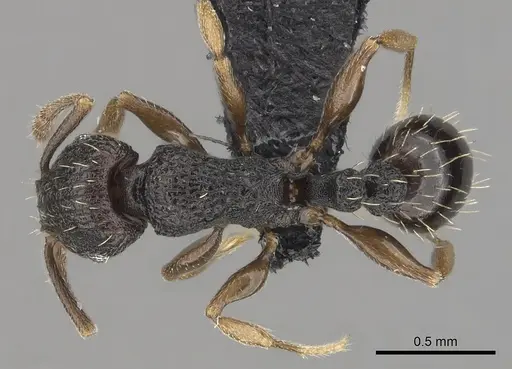
CASENT0367033
View on AntWeb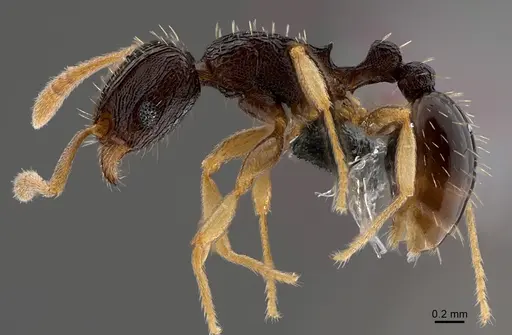
CASENT0815682
View on AntWeb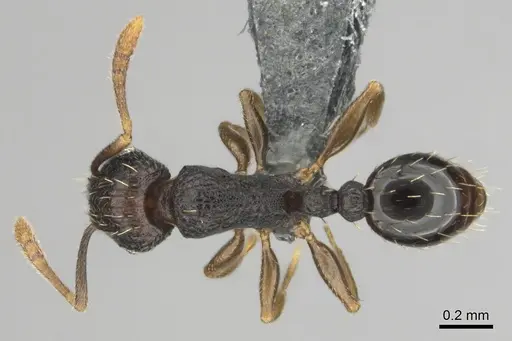
CASENT0906142
View on AntWeb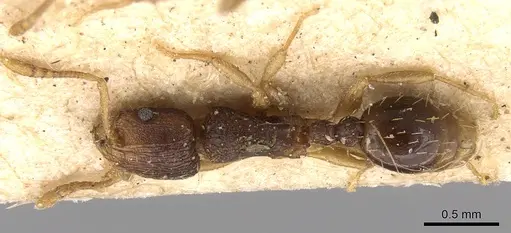
Literature
Loading distribution map...Loading products...