
Tetramorium vony
- Sci. Name
- Tetramorium vony
- Tribe
- Crematogastrini
- Subfamily
- Myrmicinae
- Author
- Hita Garcia & Fisher, 2012
- Distribution
- Found in 1 countries
Introduction
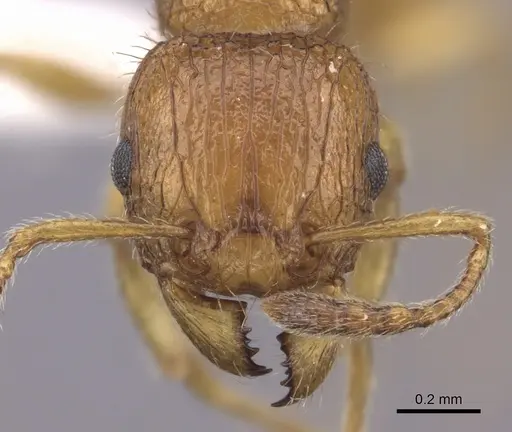
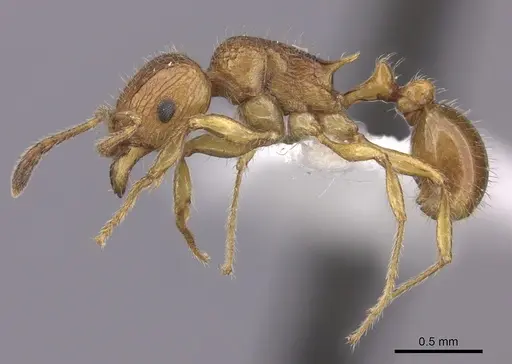
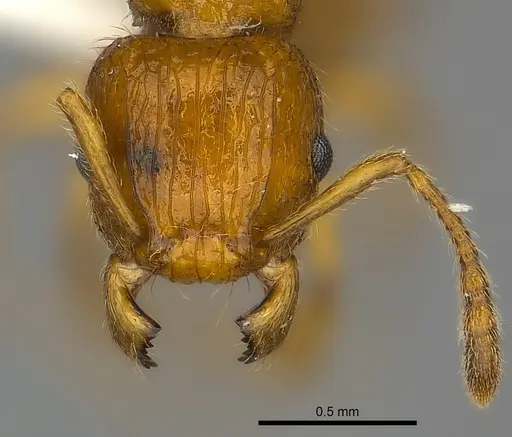
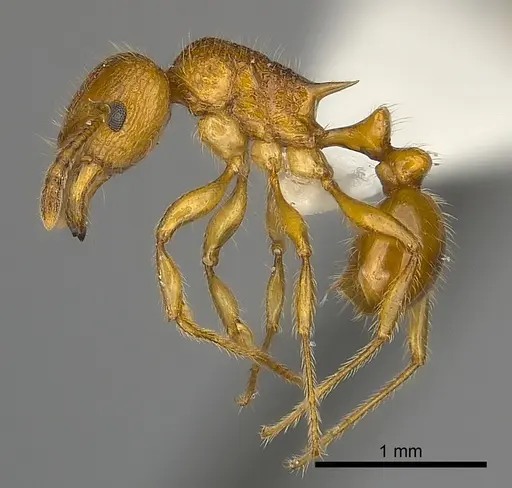
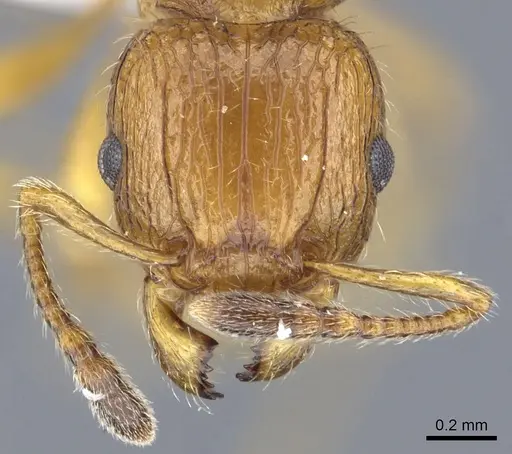
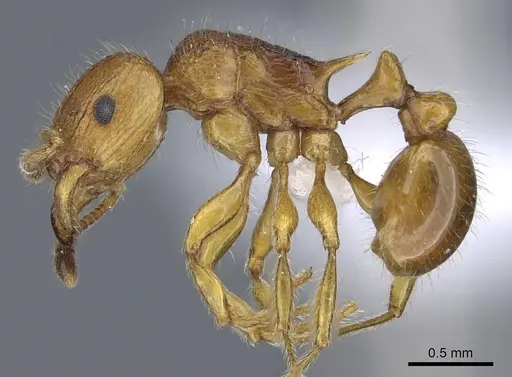
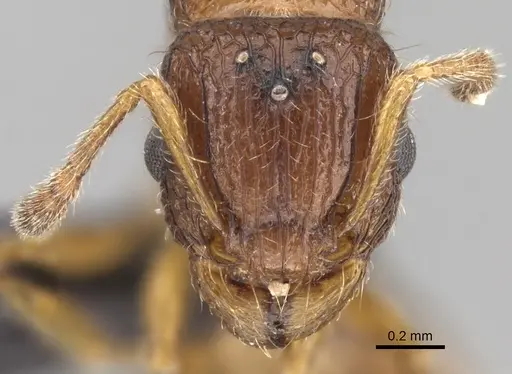
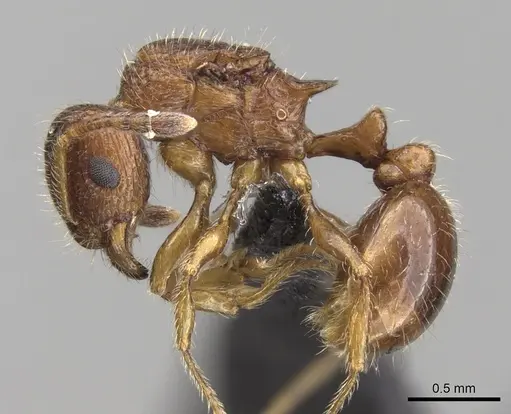
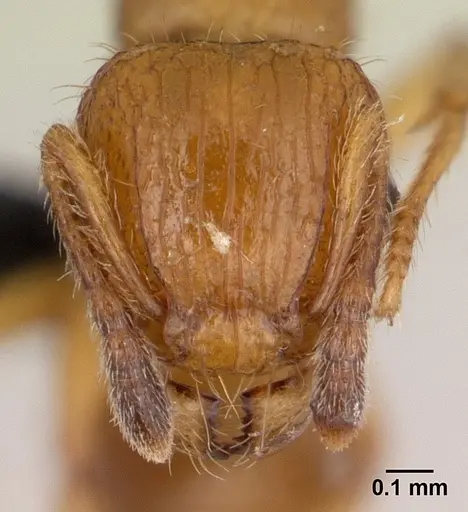
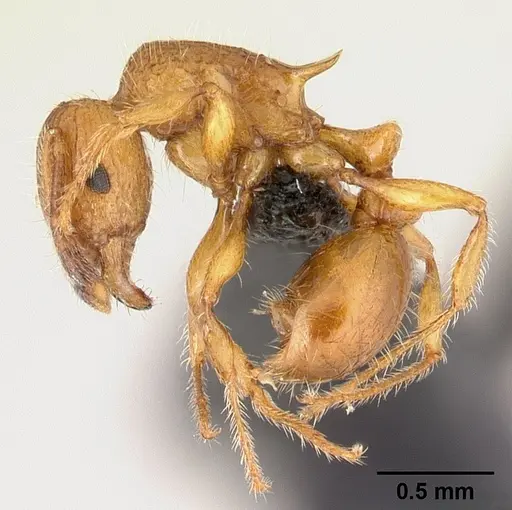
Tetramorium vony is a tiny yellow ant species native to northern Madagascar, where it inhabits tropical dry forests at elevations between 60 and 1025 meters . Workers are very small (exact body size not documented in the literature), with a uniform yellow coloration that gives the species its name (vony means 'yellow' in Malagasy) . The species belongs to the Tetramorium bonibony group and can be identified by its distinctive triangular cuneiform petiolar node that is highly compressed from front to back, and its long propodeal spines . These ants are primarily found in the northern regions of Madagascar, from Andavakoera and Antsahabe north to Montagne des Français, with a preference for lower vegetation rather than ground nesting . As a tropical species from Madagascar, they likely prefer warm and relatively stable conditions similar to their natural dry forest habitat.
Quick Summary
- Difficulty: Medium
- Origin & Habitat: Northern Madagascar, tropical dry forests at 60-1025m elevation [1]
- Colony Type: Colony structure is unconfirmed, likely single-queen based on typical Tetramorium patterns
- Size & Growth:
- Queen: size data unavailable
- Worker: size data unavailable
- Colony: Unknown, likely moderate colony size based on typical Tetramorium species
- Growth: Moderate, inferred from typical genus development
- Development: Estimated 6-8 weeks at optimal temperature based on related Tetramorium species (Development time is estimated as no specific data exists for this species)
- Antkeeping:
- Temperature: Keep at 24-28°C [1], warm tropical conditions. A gentle gradient allowing workers to self-regulate is ideal.
- Humidity: Moderate to low humidity. These ants come from tropical dry forests, so keep the nest substrate slightly dry to moderately moist, avoid waterlogging. A dry area and a slightly moist area works well for self-regulation.
- Diapause: Unlikely, as a tropical species from Madagascar, they probably do not require a true hibernation period. However, a slight cool period during winter months (20-22°C) may be beneficial but is not mandatory.
- Nesting: Likely nests in small cavities in vegetation or under loose bark based on collection from lower vegetation [1]. In captivity, a small Y-tong or plaster nest with tight chambers works well for their tiny size. Test tube setups are suitable for founding.
- Behavior: These are small, active foragers typical of the Tetramorium genus. They likely forage for small prey and tend honeydew-producing insects. Workers are extremely small, so escape risk is high, use fine mesh barriers and ensure all openings are sealed. Their yellow coloration makes them easy to spot against dark backgrounds. Likely non-aggressive toward humans but will defend their nest if threatened. As a member of the Myrmicinae tribe Crematogastrini, they possess a modified stinger used to wipe or smear venom onto enemies rather than piercing, making them unique among ants.
- Common Issues: tiny size means escapes are likely without fine mesh barriers, limited information on captive care requirements, some trial and error expected, tropical species may be sensitive to temperature drops or drafts, small colony size initially means slow population growth, test tube setups must have appropriately sized water reservoirs to avoid flooding
Housing and Nest Setup
Because of their tiny size, Tetramorium vony requires appropriately scaled housing. A small Y-tong (AAC) nest or plaster formicarium with narrow chambers works well, avoid large open spaces that can cause stress. Test tube setups are suitable for founding colonies, but ensure the water reservoir is appropriately sized to prevent flooding. The nest material should retain some moisture without becoming waterlogged. Given their collection from lower vegetation in the wild [1], they may appreciate some vertical space or climbing structures within the outworld. Escape prevention is critical, these tiny ants can squeeze through surprisingly small gaps. Use fine mesh on any ventilation holes and ensure all lids fit tightly.
Temperature and Heating
As a tropical species from Madagascar, Tetramorium vony prefers warm conditions [1]. Aim for temperatures between 24-28°C in the nest area. A heating cable placed on one side of the nest can create a gentle temperature gradient, allowing workers to move between warmer and cooler areas as needed. Avoid placing the nest directly on heating elements that could cause overheating or rapid drying. Room temperature in a warm home may suffice, but monitor colony activity, if workers seem sluggish, consider adding gentle supplemental heat. Sudden temperature drops should be avoided, as this species originates from a stable tropical environment.
Feeding and Diet
Based on typical Tetramorium behavior, these ants are likely generalist foragers that accept both protein and sugar sources. Offer small live prey appropriate to their tiny size, fruit flies, pinhead crickets, and small mealworms work well. They will likely accept sugar water, honey, or diluted honey water as an energy source. In the wild, they probably forage for small insects and tend honeydew-producing insects common in their dry forest habitat. Feed small amounts several times per week, removing any uneaten prey after 24-48 hours to prevent mold. A constant sugar source is recommended once workers are established.
Humidity and Water
Tetramorium vony comes from tropical dry forests in Madagascar [1], suggesting they prefer moderate to low humidity rather than the damp conditions some ant species require. The substrate should feel slightly moist to the touch but should not be dripping wet. Provide a water tube in the outworld so workers can drink. Monitor condensation levels in test tube setups, excessive condensation can drown colonies, while too little can cause desiccation. A light misting of the outworld occasionally can help maintain appropriate humidity levels, but avoid over-misting as these ants are adapted to drier conditions.
Colony Development
Little is known about the specific development timeline for Tetramorium vony. Based on related Tetramorium species, expect the first workers (nanitics) to emerge approximately 6-8 weeks after the queen lays her first eggs, assuming optimal temperature conditions. Initial colony growth will be slow, the queen alone tends to the first brood. Once workers emerge, the colony will begin to grow more steadily as workers take over foraging and brood care. Given their small worker size, colonies may reach moderate numbers (likely several hundred workers) over time. Patience is essential during the founding stage, as disturbing the colony too frequently can cause queen stress or abandonment.
Seasonal Care
As a tropical species from Madagascar, Tetramorium vony likely does not require a true hibernation period [1]. However, slight seasonal variations in temperature may be beneficial, a modest reduction during winter months (perhaps dropping a few degrees to around 20-22°C) can simulate natural seasonal cycles without true diapause. Avoid temperatures below 18°C for extended periods. During winter, reduce feeding frequency slightly but continue providing sugar water. Maintain warm conditions year-round, as this species is not adapted to cold temperatures. If your room temperature stays in the recommended range throughout the year, no special winter adjustments may be needed.
Frequently Asked Questions
How long does it take for Tetramorium vony to produce first workers?
Based on typical Tetramorium development, expect first workers (nanitics) approximately 6-8 weeks after egg-laying at optimal temperature. This is an estimate since specific development data for this species does not exist.
What do Tetramorium vony ants eat?
They likely accept small live prey (fruit flies, tiny crickets) and sugar sources (honey water, sugar water). Based on typical Tetramorium behavior, they are generalist feeders.
Are Tetramorium vony good for beginners?
This species is rated as medium difficulty. While not the most challenging species, the limited available care information and their tiny size require some experience with ant keeping.
Do Tetramorium vony ants sting?
As a member of the Myrmicinae subfamily (tribe Crematogastrini), they have a modified stinger used to smear venom rather than sting in the traditional sense. Given their tiny size, any venom application would be very mild and unlikely to cause significant discomfort.
What temperature do Tetramorium vony need?
Keep them warm at 24-28°C [1]. They come from tropical Madagascar and prefer stable warm conditions.
How big do Tetramorium vony colonies get?
Colony size is not well documented, but based on related species, they likely reach several hundred workers. Growth is moderate over time.
Can I keep multiple Tetramorium vony queens together?
This has not been documented. Based on typical Tetramorium patterns, single-queen colonies are most likely. Combining unrelated queens is not recommended.
Do Tetramorium vony need hibernation?
As a tropical species, they likely do not require true hibernation [1]. A slight temperature reduction during winter may be beneficial but is not mandatory.
Why are my Tetramorium vony escaping?
Their extremely small size means they can squeeze through very small gaps. Use fine mesh barriers and check all lid seals carefully.
When should I move Tetramorium vony to a formicarium?
Wait until the colony has outgrown the test tube (showing signs of stress like workers piling at the entrance). Ensure the new formicarium has appropriately sized chambers for their small size.
Report an Issue
The current care sheet is based fully on literature. See inconsistencies, or something that's incorrect? Please , it will be resolved after review from an admin. Contributing to the blogs tab also helps providing information, to make us be able to further improve the caresheets. Thank you for your support!
References

This caresheet is licensed under CC BY-SA 4.0 .
Community Blogs
CASENT0044898
View on AntWeb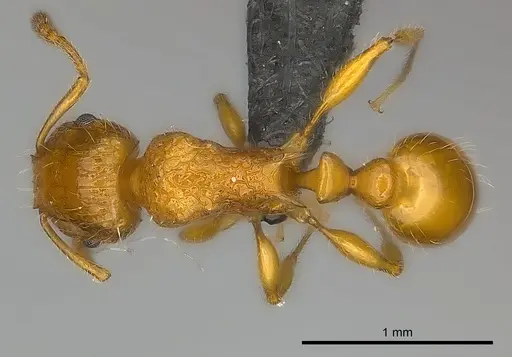
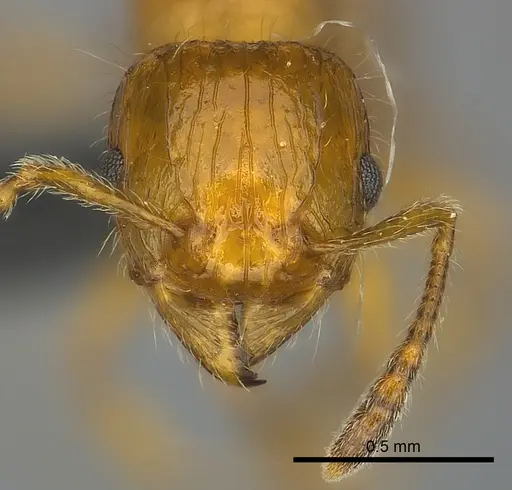
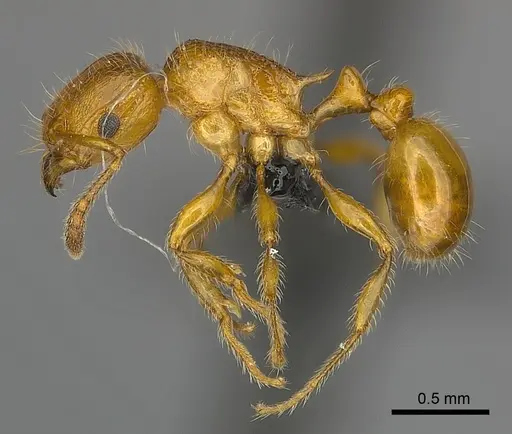
CASENT0404272
View on AntWeb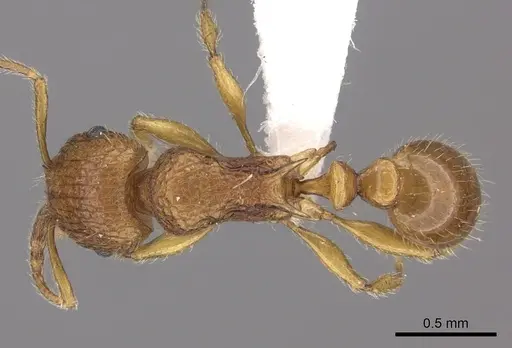
CASENT0404286
View on AntWeb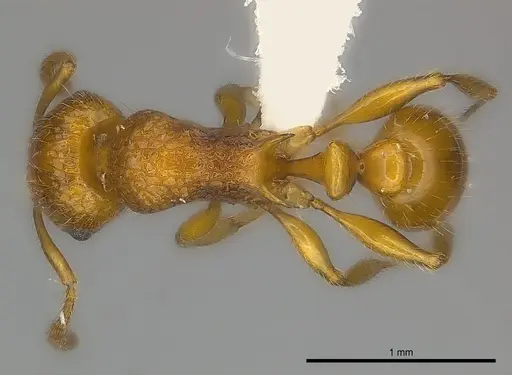
CASENT0404310
View on AntWeb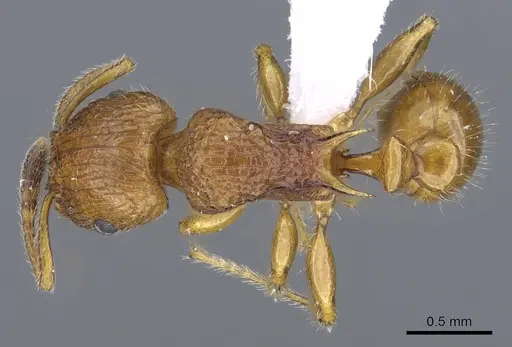
CASENT0443714
View on AntWeb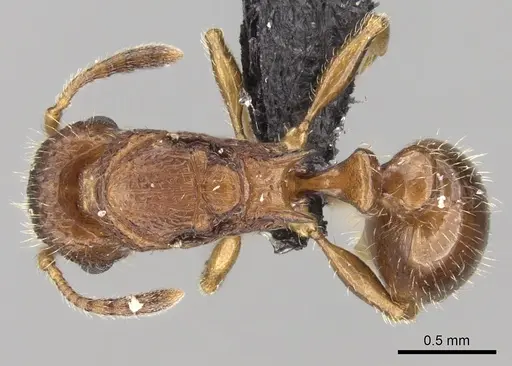
CASENT0498388
View on AntWeb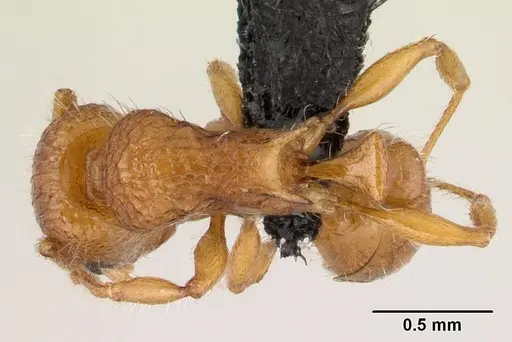
Literature
Loading distribution map...Loading products...