
Tetramorium vohitra
- Sci. Name
- Tetramorium vohitra
- Tribe
- Crematogastrini
- Subfamily
- Myrmicinae
- Author
- Hita Garcia & Fisher, 2012
- Distribution
- Found in 1 countries
Introduction
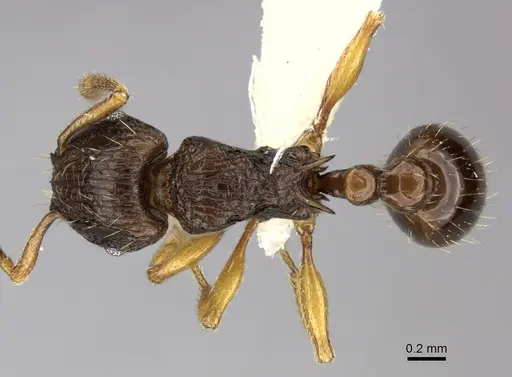
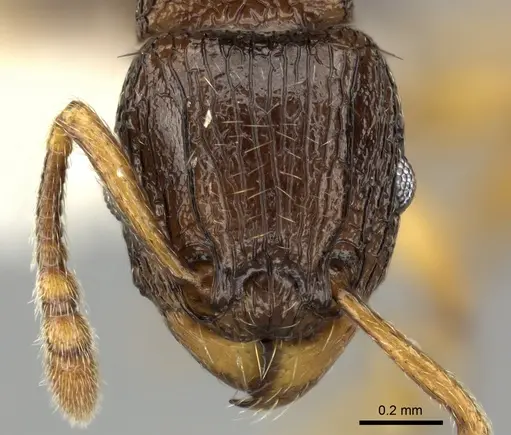
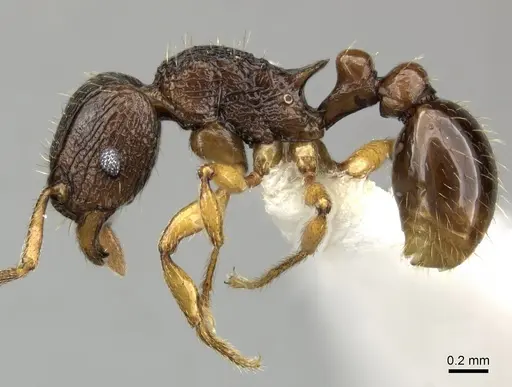
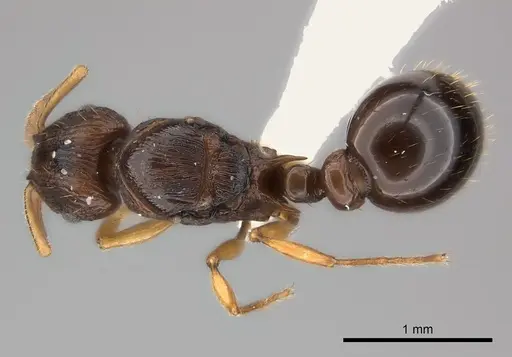
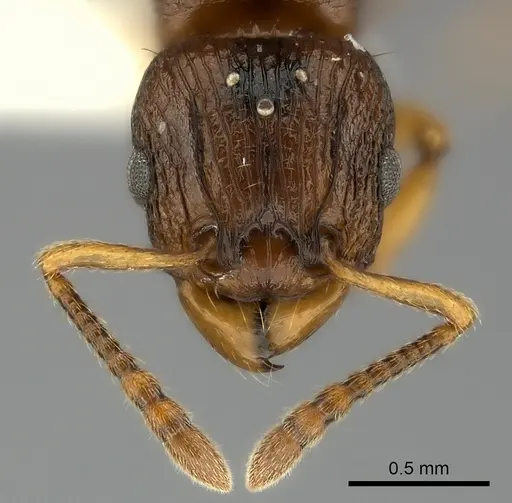
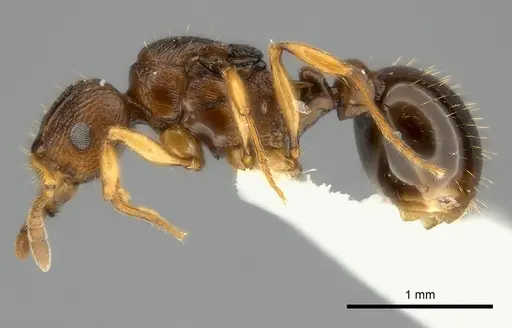
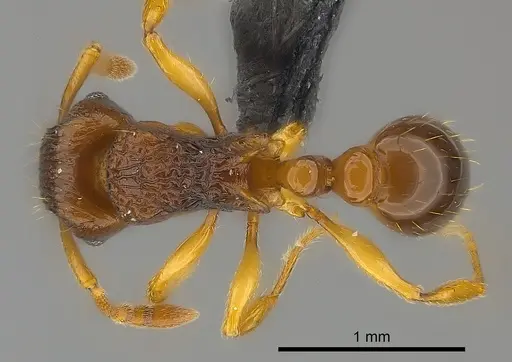
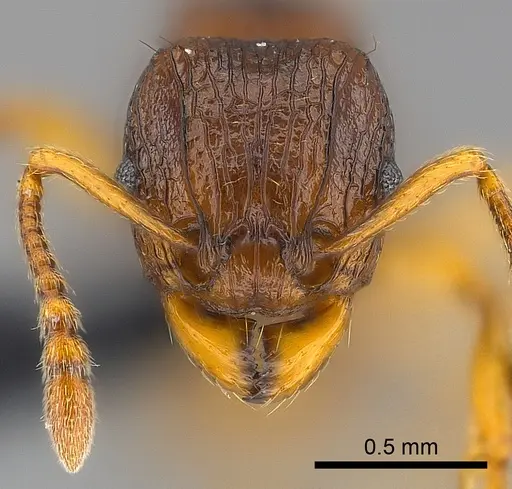
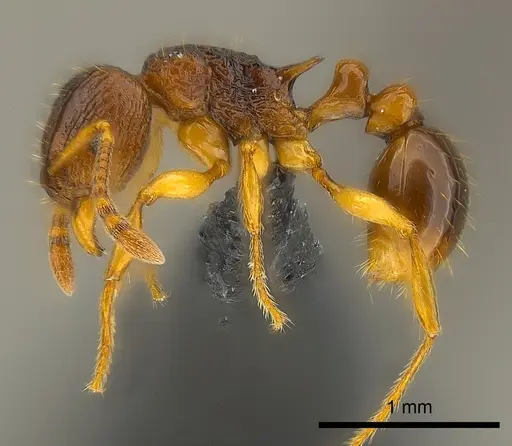
Tetramorium vohitra is a tiny brown ant species endemic to the high-altitude montane rainforests of Madagascar. Workers are very small and belong to the Tetramorium dysalum species group . They are distinguished by short antennal scapes, long propodeal spines, and a rounded high nodiform petiolar node . The species was described in 2012 and is only known from the Andringitra region at elevations between 1680 and 1990 meters . This species lives in the leaf litter stratum of montane rainforests, meaning they are adapted to a cool, humid, and stable microclimate on the forest floor . The name 'vohitra' is Malagasy for 'hill' or 'mountain', referencing the nearly 2000m elevation where they were found . For antkeepers, this is a rare species that presents challenges due to its tiny size and specialized habitat requirements.
Quick Summary
- Difficulty: Expert
- Origin & Habitat: Andringitra, Madagascar, montane rainforests at 1680-1990m elevation [1]
- Colony Type: Unknown, colony structure has not been documented for this species
- Size & Growth:
- Queen: Undescribed, queen measurements not available [1]
- Worker: Worker size data unavailable. The original description provides only head measurements, not total body length [1]
- Colony: Unknown, colony size has not been documented
- Growth: Unknown, growth rate has not been studied
- Development: Unknown, development timeline has not been documented (Based on typical Tetramorium patterns, expect 6-10 weeks at optimal temperature, but this is an estimate)
- Antkeeping:
- Temperature: Likely prefers cooler conditions around 18-22°C based on high-elevation montane habitat. Start in the low 20s and observe colony activity.
- Humidity: High humidity required, think damp forest floor. Keep the nest substrate consistently moist but not waterlogged.
- Diapause: Unknown, likely experiences seasonal variation given the montane environment, but specific requirements unstudied
- Nesting: In captivity, provide a naturalistic setup with moist substrate or a Y-tong/plaster nest. They naturally live in leaf litter, so a setup that maintains humidity is essential.
- Behavior: These ants are very small and likely timid. They probably forage in the leaf litter layer, collecting small prey and honeydew. As a member of the Crematogastrini tribe, they have a modified spatulate stinger used to smear venom onto enemies, but this poses no threat to humans given their tiny size. Escape prevention is critical due to their tiny size, they can squeeze through standard mesh.
- Common Issues: escape prevention is critical, their tiny size means they can squeeze through standard mesh barriers, high humidity requirements can lead to mold if ventilation is inadequate, slow growth and small colony sizes make them vulnerable to stress, wild-caught colonies may have parasites that are difficult to detect, cold-sensitive due to montane origin, room temperature may be too warm
Housing and Nest Setup
Because Tetramorium vohitra is a leaf-litter dwelling species from montane rainforests, you’ll need to create a humid, stable environment that mimics their natural habitat. A naturalistic setup with a moist soil substrate works well, use a mix that holds moisture without becoming waterlogged. Y-tong (AAC) nests or plaster nests can also work if you maintain high humidity in the outworld. The key is providing a humid nest chamber while allowing some ventilation to prevent mold. Given their tiny size, use fine mesh on any ventilation holes and ensure all connections are tight, these ants can escape through gaps that would hold back larger species [1][2].
Temperature and Humidity
This species comes from high-elevation montane rainforests in Madagascar, which means they prefer cooler temperatures than most tropical ants. Aim for around 18-22°C in the nest area, this is cooler than typical room temperature, so you may need to use a cooling method in warmer climates. High humidity is essential, similar to what you’d find on a damp forest floor. Keep the nest substrate consistently moist but not saturated. A water reservoir or regular misting can help maintain humidity, but ensure there’s also some drier areas so the ants can self-regulate. Avoid placing the nest near heating elements that could dry it out [1].
Feeding and Diet
Like other Tetramorium species, T. vohitra likely has an omnivorous diet typical of litter-dwelling ants. They probably collect honeydew from aphids and scale insects, and hunt small prey like springtails, mites, and other micro-arthropods found in leaf litter. In captivity, offer small live prey such as springtails, fruit flies, and other tiny insects. Sugar sources like honey water or sugar water may be accepted, though some Tetramorium species prefer protein. Offer a variety and observe what your colony takes. Feed small amounts regularly rather than large prey items that might go uneaten and cause mold issues.
Colony Founding
The founding behavior of Tetramorium vohitra has not been directly documented. However, based on typical Tetramorium genus patterns, the queen likely seals herself in a small chamber (claustral founding) and raises the first workers on stored fat reserves without leaving to forage. This means you should provide a founding queen with a small, humid chamber and leave her undisturbed until the first workers (nanitics) emerge. Expect this to take several weeks to a couple months depending on temperature. Do not feed the founding queen, claustral queens do not forage during founding.
Handling and Temperament
Given their extremely small size, handling these ants requires care. They are likely timid and may flee from disturbance rather than attack. As a member of the Crematogastrini tribe, they have a modified spatulate stinger that smears venom, but it is harmless to humans due to their size. The main concern is their tendency to escape, their small size allows them to squeeze through tiny gaps. Always use excellent escape prevention, including fine mesh barriers and tight-fitting lids. When observing your colony, do so quietly and avoid vibrations that could stress the ants [1].
Seasonal Care and Overwintering
The specific seasonal requirements of Tetramorium vohitra are unknown, but their high-elevation montane origin suggests they may experience cooler temperatures and seasonal changes in the wild. For now, maintain stable conditions year-round. If you suspect they need a cooler period, a very gentle cool-down to around 15-18°C for a few months during what would be the Southern Hemisphere winter (roughly June-August) may be appropriate. However, do not assume hibernation is required, more research is needed. Monitor your colony for signs of stress when making any seasonal adjustments [1].
Frequently Asked Questions
How long does it take for Tetramorium vohitra to raise first workers?
The exact development timeline has not been documented for this species. Based on typical Tetramorium genus patterns, expect 6-10 weeks from egg to first worker at optimal temperature (around 20°C). The first workers (nanitics) will likely be smaller than mature workers. Be patient, this is a slow-growing species.
What size colony does Tetramorium vohitra reach?
Colony size has not been documented for this species. Based on their small worker size and leaf-litter dwelling habits, colonies are likely smaller than many Tetramorium species, probably under a few hundred workers at maturity. They may remain as modest colonies.
Can I keep multiple queens together?
The colony structure of Tetramorium vohitra has not been studied, so we don’t know if they are single-queen (monogyne) or multi-queen (polygyne) species. Until more information is available, keep them separately as unrelated queens may fight.
Do Tetramorium vohitra ants sting?
As members of the subfamily Myrmicinae, they have a functional stinger. However, given their extremely small size (under 1mm), any sting would be negligible to humans. They are not considered dangerous.
Are Tetramorium vohitra good for beginners?
No. This species is rated as Expert difficulty due to several challenges: their extremely small size makes them prone to escaping, they require specific cool and humid conditions that are hard to maintain, and almost nothing is known about their captive care requirements. They are also very rare in the hobby. Beginners should start with more documented species like Tetramorium caespitum or other established pets.
What do I feed Tetramorium vohitra?
Based on typical Tetramorium behavior, offer small live prey like springtails, fruit flies, and other micro-arthropods. They may also accept sugar sources like honey water or sugar water. Offer small amounts of protein prey 2-3 times per week and keep sugar water available. Remove uneaten food promptly to prevent mold in the humid setup.
What temperature do they need?
Based on their high-elevation montane habitat in Madagascar, they likely prefer cooler temperatures than typical tropical ants. Aim for around 18-22°C in the nest area. This is cooler than normal room temperature in many homes, so you may need to use cooling methods or position the nest in a cooler location.
How do I prevent escapes?
Escape prevention is absolutely critical with this species due to their tiny size (workers are under 1mm). Use fine mesh (at least 0.5mm or smaller) on all ventilation. Check all connections and gaps in your setup, these ants can squeeze through gaps that would hold back larger species. Use fluon or other barriers on smooth surfaces. Inspect your setup regularly.
Where is Tetramorium vohitra found in the wild?
This species is only known from the Andringitra region in central Madagascar, at elevations between 1680 and 1990 meters. They live in montane rainforests in the leaf litter stratum, the layer of decomposing leaves on the forest floor. This makes them a true high-elevation specialist.
When was Tetramorium vohitra discovered?
This species was described in 2012 by Hita Garcia and Fisher. It is a relatively new discovery, which explains why so little is known about its biology and behavior in the wild. It belongs to the Tetramorium dysalum species group.
Why is my colony declining?
Several factors could cause decline: improper temperature (too warm or too cold), humidity issues (too dry or too wet leading to mold), stress from disturbance, insufficient or inappropriate food, or parasites. Review each parameter and make small adjustments. Given how little we know about this species, some trial and error may be necessary. If your colony is wild-caught, parasites are a common cause of decline.
Report an Issue
The current care sheet is based fully on literature. See inconsistencies, or something that's incorrect? Please , it will be resolved after review from an admin. Contributing to the blogs tab also helps providing information, to make us be able to further improve the caresheets. Thank you for your support!
References

This caresheet is licensed under CC BY-SA 4.0 .
Community Blogs
Literature
Loading distribution map...Loading products...