
Tetramorium valky
- Sci. Name
- Tetramorium valky
- Tribe
- Crematogastrini
- Subfamily
- Myrmicinae
- Author
- Hita Garcia & Fisher, 2012
- Distribution
- Found in 1 countries
Introduction
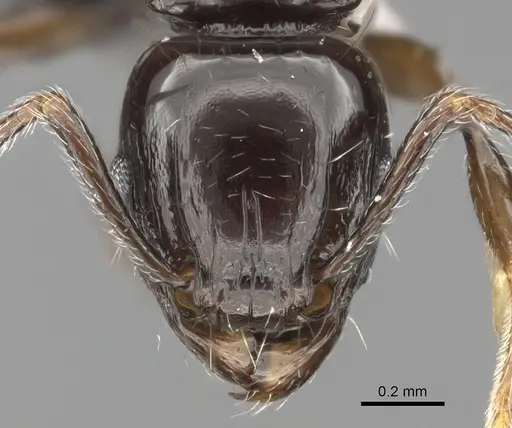
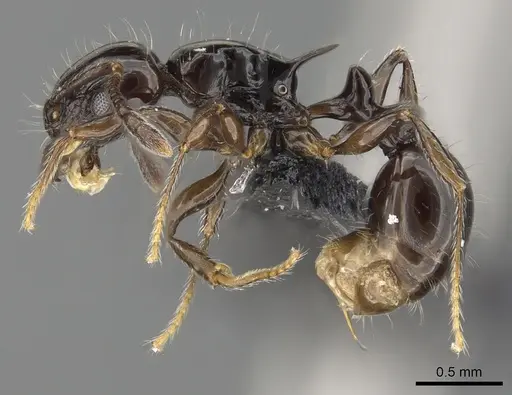
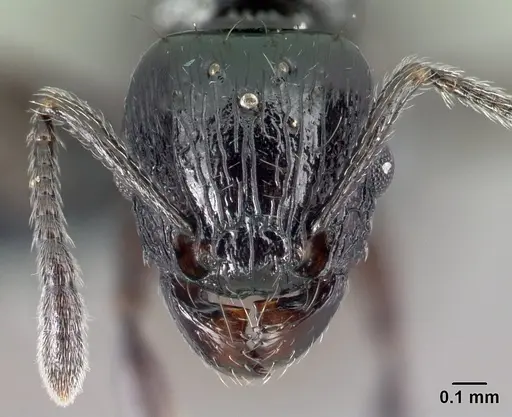
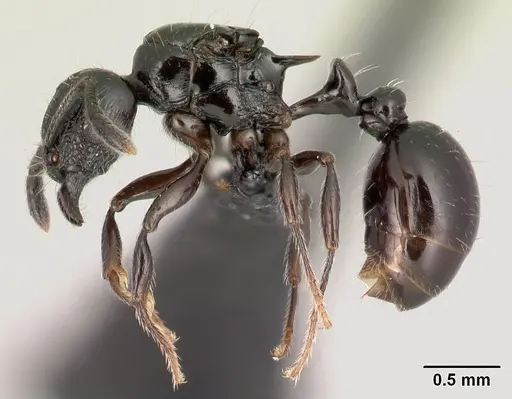
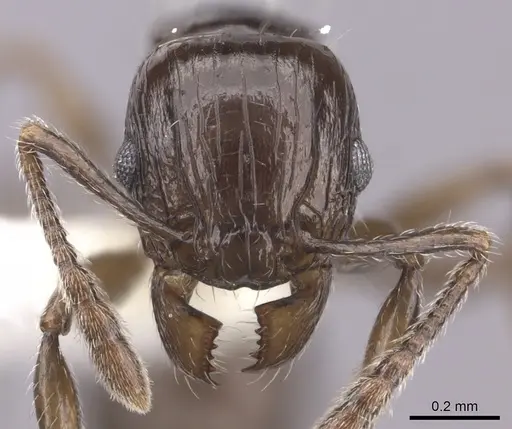
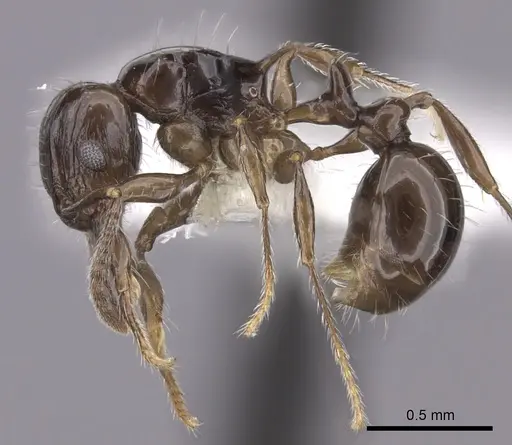
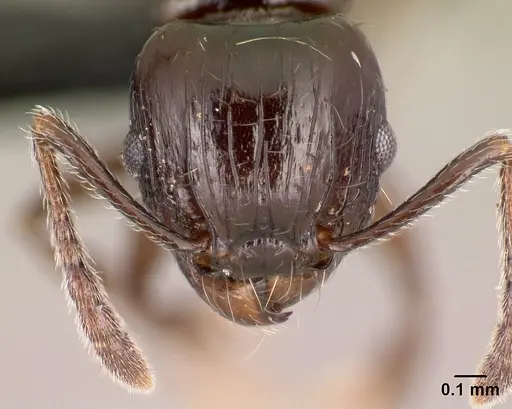
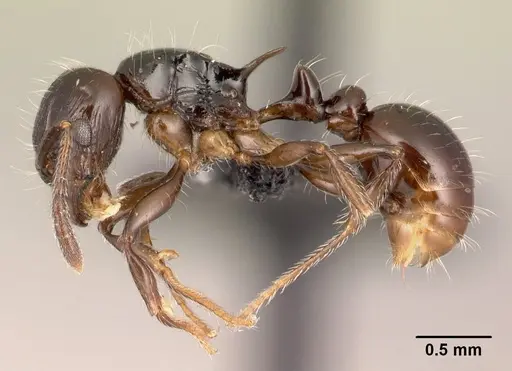
Tetramorium valky is a small, dark ant species native to eastern Madagascar. Workers are estimated to be around 2-3 mm in total length based on genus patterns, making them one of the smaller Tetramorium species. They are easily recognized by their very long propodeal spines, smooth and shiny mesosomal dorsum, and distinctive triangular to squamiform petiolar node that is strongly compressed from front to back . The body is uniformly dark brown to black with abundant long hairs covering the mesosomal dorsum . This species belongs to the Tetramorium marginatum species group and is restricted to lowland rainforest habitats at elevations of 10 to 600 meters . They live in leaf litter and the lower vegetation layer, typically found in rotting wood, sifted litter, and under stones on the forest floor .
Quick Summary
- Difficulty: Medium
- Origin & Habitat: Eastern Madagascar, from Mandena and St. Luce in the south to Ambanizana and Montagne d'Akirindro in the north. Found exclusively in lowland rainforest at 10-600m elevation [1][2].
- Colony Type: Colony structure is unconfirmed. Based on typical Tetramorium patterns, likely single-queen (monogyne) colonies, though this has not been directly documented.
- Size & Growth:
- Queen: Undescribed in primary literature, estimated 4-6mm based on genus patterns.
- Worker: Approximately 2-3mm total length (inferred from typical Tetramorium proportions).
- Colony: Unknown, possibly up to a few hundred workers based on typical leaf-litter ant colony sizes.
- Growth: Moderate, estimated based on similar litter-dwelling Tetramorium species.
- Development: Estimated 6-10 weeks at optimal temperature based on genus-level data for related species. (Development time is inferred from typical Tetramorium patterns, specific timing has not been documented for this species.)
- Antkeeping:
- Temperature: Keep at 22-26°C. This species comes from warm, humid lowland rainforest so they need stable warmth. A gentle heat gradient allows them to regulate [3].
- Humidity: High humidity required, they live in damp rainforest leaf litter. Keep nest substrate consistently moist but not waterlogged. Think damp forest floor conditions [3][2].
- Diapause: Unlikely, as a tropical species from lowland Madagascar, they probably do not require a true diapause. However, a slight reduction in temperature during the cooler months may be beneficial.
- Nesting: In captivity, they do well in naturalistic setups with moist substrate or Y-tong nests with tight chambers. They prefer tight spaces scaled to their tiny size. Provide pieces of rotting wood, leaf litter material, or cork bark for them to nest in [2].
- Behavior: These are small, ground-dwelling ants that prefer humid, dark microhabitats [3]. They belong to a tribe (Crematogastrini) known for a smearing venom defense: they have a modified stinger used to wipe venom onto enemies rather than piercing. They are generally non-aggressive and will flee rather than attack. Their very small size means escape prevention must be excellent, they can easily slip through standard test tube cotton. Use fine mesh barriers and tight-fitting lids.
- Common Issues: escape prevention is critical due to their tiny size, standard barriers may not contain them., high humidity requirements can lead to mold problems if ventilation is poor., slow colony growth may cause keepers to overfeed or disturb the colony too often., wild-caught colonies from leaf litter may contain parasites that can decimate the colony., drying out is a major risk, they need consistently moist conditions.
Natural History and Distribution
Tetramorium valky is endemic to eastern Madagascar, where it occupies a relatively narrow geographic range stretching from Mandena and St. Luce in the south to Ambanizana and Montagne d'Akirindro in the north [1]. This distribution follows the eastern rainforest belt of the island. The species is restricted to lowland rainforest habitats at elevations between 10 and 600 meters above sea level [2]. Unlike some Tetramorium species that tolerate disturbed areas, T. valky appears to be a true forest specialist. In their natural habitat, these ants live in leaf litter and the lower vegetation layer. Collection data shows they nest in rotting sticks on the ground, sifted leaf mold, and rotten logs [2]. They have been collected using various methods including beating low vegetation, yellow pan traps, and direct collection from decaying wood, indicating they are active throughout the forest floor microhabitat [2]. The presence of very long propodeal spines is a notable morphological trait, likely serving defensive purposes against predators in their dense leaf-litter environment [1].
Housing and Nest Setup
Because of their tiny size and preference for humid leaf-litter environments, Tetramorium valky needs careful housing setup. A naturalistic terrarium-style setup works well, use a shallow container with several centimeters of moist substrate (a mix of soil and peat works good), and add pieces of rotting wood, cork bark, or dried leaves for them to nest in [2]. The substrate should stay damp but never waterlogged. Alternatively, a Y-tong (AAC) nest with very small chambers can work, though you may need to add extra moisture sources since these nests dry out faster. Whatever setup you choose, ensure excellent escape prevention, these ants are tiny enough to slip through standard cotton plugs in test tubes and through gaps in poorly sealed formicaria. Use fine mesh (at least 0.5mm) for any ventilation holes. Provide a small outworld for foraging where you can offer food. Keep the entire setup in a warm, shaded location away from direct sunlight, these ants prefer dark conditions and can quickly overheat or dry out in bright light [3].
Feeding and Diet
Like other Tetramorium species, T. valky is likely a generalist forager that collects both protein sources and carbohydrate-rich foods. In the wild, they probably prey on small soil arthropods and tend aphids or scale insects for honeydew. In captivity, offer small protein sources such as fruit flies, small mealworms, tiny crickets, or other appropriately-sized live prey. Since workers are only about 2-3mm long, prey items should be very small, springtails are an excellent choice. For carbohydrates, offer a drop of sugar water, honey, or diluted honey water. Change sugar sources every few days to prevent mold. Feed small amounts every 2-3 days and remove any uneaten prey after 24 hours to prevent mold growth in the humid setup they require. The key is to match prey size to their tiny workers, oversized prey will be ignored or could even harm the ants.
Temperature and Humidity Requirements
As a lowland rainforest species from tropical Madagascar, Tetramorium valky requires warm and humid conditions. Keep temperatures in the range of 22-26°C, with a slight gradient allowing workers to choose their preferred spot. Room temperature in most homes (20-24°C) should be suitable, but you may need a small heating cable or mat on one side of the nest during cooler months. The critical factor is humidity, these ants come from constantly damp forest floor environments [3]. Keep the substrate consistently moist but not soggy. If using a test tube setup, ensure the water reservoir is adequate but not so large that it floods the colony. A good indicator is when you see condensation on the glass, that means humidity is high enough. However, balance humidity with adequate ventilation to prevent mold, which thrives in stagnant, overly humid conditions. The functional trait data confirms they prefer humid (humid=1) and dark (dark=1) conditions while avoiding dry and light environments [3].
Colony Development and Growth
Specific colony development data for Tetramorium valky is not documented in scientific literature, so we must infer from typical Tetramorium patterns and related species. Based on genus-level data, expect the following timeline: after founding (likely claustral), eggs should hatch within 1-2 weeks, with larvae developing over the next 3-5 weeks, and pupae emerging as workers 1-2 weeks later. This gives an estimated 6-10 weeks from egg to first worker at optimal temperatures (around 24-26°C). The first workers (nanitics) will be smaller than mature workers and may take several months before you see significant colony growth. Once the colony reaches about 20-30 workers, growth typically accelerates. Colony size is likely limited compared to larger Tetramorium species, expect a maximum of perhaps a few hundred workers in a mature colony. Patience is key with this species, as small leaf-litter ants naturally develop more slowly than larger, more conspicuous species.
Handling and Temperament
Tetramorium valky workers are small and relatively docile compared to some other Myrmicinae. They are not aggressive and will typically flee rather than engage when disturbed. However, like other members of the tribe Crematogastrini, they possess a modified stinger used to smear venom onto enemies rather than inject it. If the colony feels threatened, they may use this defense, but the effect is mild for most humans, similar to a small pinprick. These ants are not suitable for handling but can be observed closely in a well-set-up naturalistic terrarium. Their small size and preference for dark, humid conditions means they are not particularly active in the open, so you may see more activity at night or when you gently mist the enclosure. They are not escape artists in the sense of climbing smooth surfaces, but their tiny size means they can simply walk through gaps that larger ants cannot fit through. Always use fine mesh and check all seals regularly.
Frequently Asked Questions
How long does it take for Tetramorium valky to raise their first workers?
The exact timeline is unconfirmed for this species, but based on typical Tetramorium development patterns, expect 6-10 weeks from egg to first worker at optimal temperatures (24-26°C). This is slower than many common ant species, so patience is essential.
What size colony does Tetramorium valky reach?
Colony size is not documented, but based on typical leaf-litter Tetramorium species, expect a maximum of a few hundred workers. They are small ants with a compact colony structure.
Do Tetramorium valky ants sting?
They have a modified stinger typical of the Crematogastrini tribe, used to smear venom rather than pierce. They are not aggressive and rarely use it unless handled roughly or the nest is severely disturbed. Any reaction is typically mild due to their tiny size.
What do Tetramorium valky eat?
They are generalist foragers. Offer small live prey (fruit flies, springtails, tiny mealworms) for protein and sugar water or honey for carbohydrates. Prey must be appropriately sized for their 2-3mm workers.
Do Tetramorium valky need hibernation?
No, as a tropical lowland rainforest species from Madagascar, they do not require true hibernation. A slight temperature reduction during cooler months may be natural but is not required.
Are Tetramorium valky good for beginners?
This species is rated as medium difficulty. While not the hardest species, their high humidity requirements and tiny size make them better suited for keepers who have already kept at least one other leaf-litter or tropical species successfully.
How do I set up a nest for Tetramorium valky?
A naturalistic setup with moist substrate (soil/peat mix), pieces of rotting wood, and leaf litter material works best. Alternatively, a Y-tong nest with small chambers and added moisture can work. Ensure excellent escape prevention due to their tiny size.
Why are my Tetramorium valky escaping?
Their tiny size allows them to slip through standard barriers. Use fine mesh (0.5mm or smaller), check all seals regularly, and ensure any cotton plugs in test tubes are tightly packed. They are not climbers but can walk through any gap.
What temperature range is ideal for Tetramorium valky?
Keep them at 22-26°C. They come from warm lowland rainforest in Madagascar and need consistent warmth. A slight gradient allows them to self-regulate.
Where is Tetramorium valky found in the wild?
They are endemic to eastern Madagascar, found only in lowland rainforests between 10-600m elevation. Their range stretches from Mandena in the south to Ambanizana in the north [1].
Can I keep multiple Tetramorium valky queens together?
This has not been documented. Based on typical Tetramorium patterns, they likely form single-queen colonies. Combining unrelated queens is not recommended without evidence they can coexist.
How often should I feed Tetramorium valky?
Offer small amounts of food every 2-3 days. Remove uneaten prey after 24 hours to prevent mold in the humid setup they require. Sugar sources should be refreshed every few days.
Report an Issue
The current care sheet is based fully on literature. See inconsistencies, or something that's incorrect? Please , it will be resolved after review from an admin. Contributing to the blogs tab also helps providing information, to make us be able to further improve the caresheets. Thank you for your support!
References

This caresheet is licensed under CC BY-SA 4.0 .
Community Blogs
CASENT0049289
View on AntWeb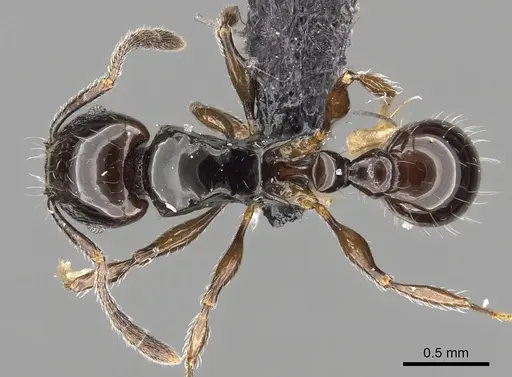
CASENT0163232
View on AntWeb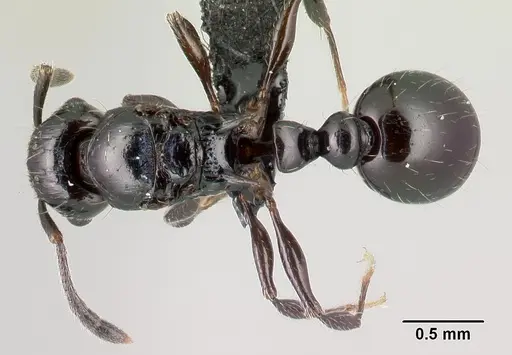
CASENT0235220
View on AntWeb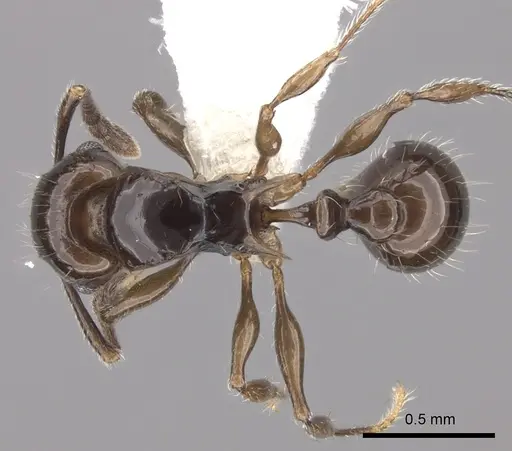
CASENT0496394
View on AntWeb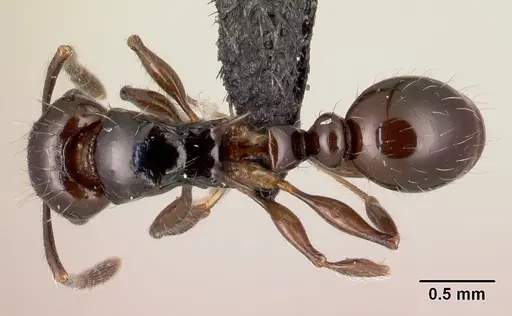
Literature
Loading distribution map...Loading products...