
Tetramorium validiusculum
- Sci. Name
- Tetramorium validiusculum
- Tribe
- Crematogastrini
- Subfamily
- Myrmicinae
- Author
- Emery, 1897
- Distribution
- Found in 2 countries
Introduction
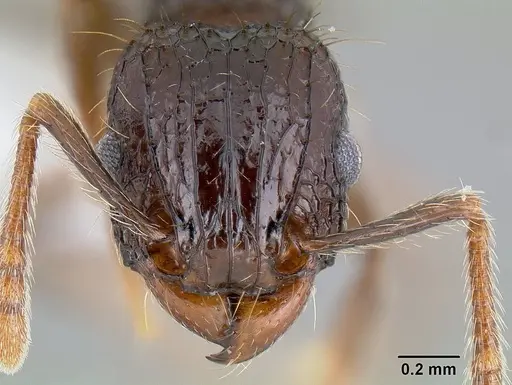
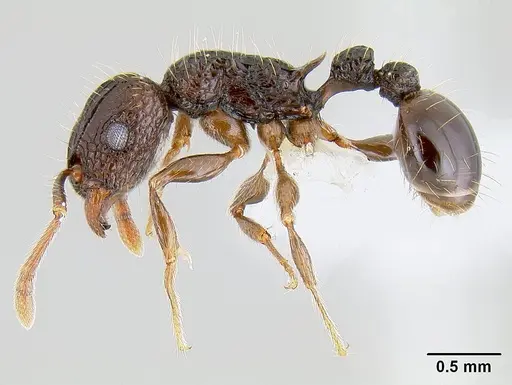
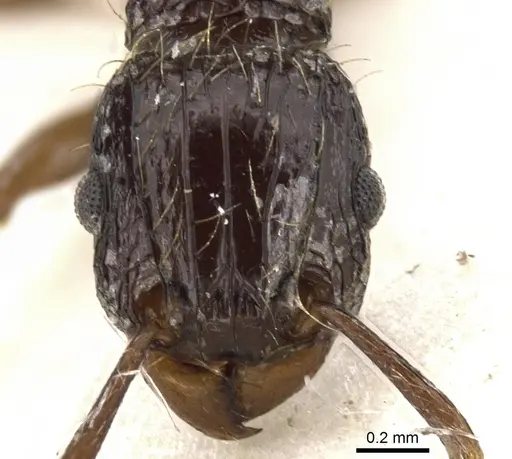
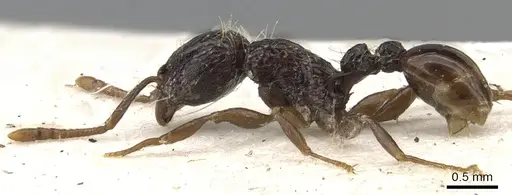
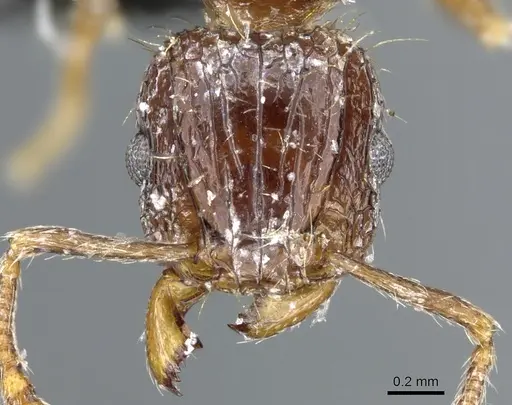
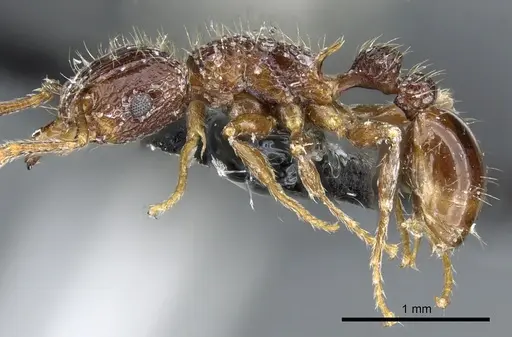
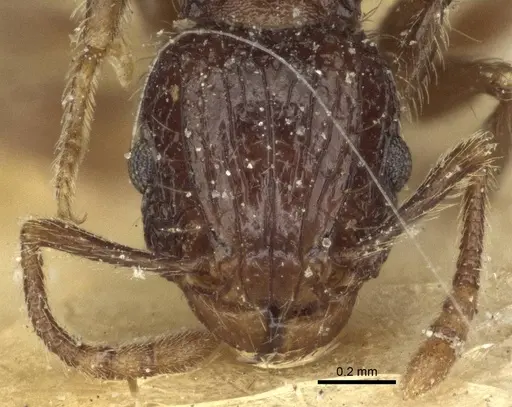
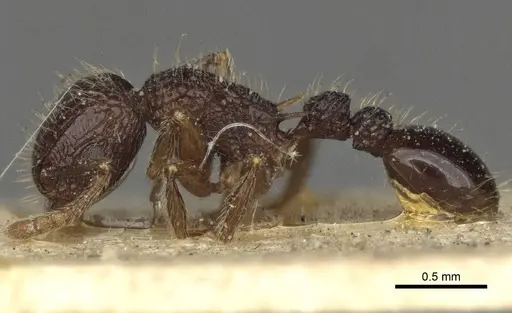
Tetramorium validiusculum is a small, dark brown to black ant from the Australasian region, found in New Guinea, northern Australia (Cape York Peninsula), and recently documented in the Philippines . Workers measure 3.7-4.6 mm, making them quite small . They belong to the subfamily Myrmicinae, which means they have a two-segmented waist and a functional stinger. This species looks similar to the related Tetramorium pacificum but stands out because of its much weaker head sculpture - the top of the head has long grooves (carinae) but lacks the cross-links seen in most related species . They live in rainforests and disturbed areas like pine and coffee plantations, nesting in rotten wood and under bark .
Quick Summary
- Difficulty: Medium
- Origin & Habitat: Australasian region: New Guinea, northern Australia (Cape York Peninsula), and the Philippines. They inhabit rainforest and disturbed forests (pine, coffee), with nests in rotten wood and under bark [2][1].
- Colony Type: Unconfirmed, likely monogyne (single queen) based on typical Tetramorium patterns. Founding behavior is unconfirmed but probably claustral (the queen raises the first brood alone without foraging) as is common in the genus.
- Size & Growth:
- Queen: size data unavailable, estimated ~6-9 mm based on Tetramorium genus patterns
- Worker: 3.7-4.6 mm [2]
- Colony: unknown, likely up to several hundred workers based on typical Tetramorium colony sizes
- Growth: Moderate
- Development: 6-10 weeks (estimated, based on related Tetramorium species) (Development time depends on temperature, estimates are from genus patterns.)
- Antkeeping:
- Temperature: Keep at 22-26°C, this tropical species prefers warmth and will slow down below 20°C. Avoid prolonged cold.
- Humidity: Keep the nest substrate consistently moist but not waterlogged, these ants naturally nest in rotting wood which holds moisture.
- Diapause: No, this is a tropical species that does not need hibernation. Maintain stable warmth year-round.
- Nesting: Provide a moist, dark nest. Rotten wood nesting suggests they do well in Y-tong (AAC), plaster, or soil setups that mimic damp wood [2].
- Behavior: Workers are active foragers, searching on the ground and in leaf litter. They aren't especially aggressive toward humans but will defend the nest. Like other Crematogastrini, they have a modified stinger that smears venom onto attackers rather than injecting it, a wipe-and-smear defense. Their small size means they can squeeze through tiny gaps, so good escape prevention is vital.
- Common Issues: escape risk is high due to small worker size, use fine mesh and fluon on all openings or the colony may be lost., tropical species may struggle in consistently cool rooms below 20°C, causing slowed development or queen death., high humidity needs can lead to mold in poorly ventilated nests, provide some airflow., wild-caught queens may carry parasites or be damaged during collection, buy from trusted breeders if possible.
Housing and Nest Setup
For Tetramorium validiusculum, choose a nest that holds moisture well. In the wild they live in rotting wood and under bark, so a Y-tong (AAC) block, plaster nest, or a soil setup with cork bark pieces mimics that well [2]. A test tube with a water reservoir works for founding a colony, but for long-term growth a more natural, moisture-retaining nest is better. Keep the nest dark and the substrate damp, you should be able to squeeze a drop of water from a pinch of substrate, but no pooling. The outworld can be dry and should have a barrier (fluon or oil) to stop escape.
Feeding and Diet
Like most Tetramorium, T. validiusculum is an omnivore. Offer small protein sources such as fruit flies, pinhead crickets, or small mealworms twice a week. Leave a constant supply of sugar water or honey (diluted) available. Remove uneaten protein after 24-48 hours to prevent mold. Because workers are only 3.7-4.6 mm, make sure prey items are not larger than their head.
Temperature and Seasonal Care
Keep the colony at a steady 22-26°C. This tropical ant does not need hibernation and will stay active year-round if kept warm. If temperatures drop below 18°C for long, the queen may stop laying eggs and workers become sluggish. A small heat mat on one side of the nest can create a gradient so the ants can choose their preferred spot. No diapause is necessary.
Colony Founding
Founding behavior is not directly confirmed for this species, but based on the Tetramorium genus it is likely claustral. This means the queen seals herself in a small chamber and raises the first workers using stored fat reserves, without foraging. Provide a test tube with a water plug or a small soil chamber kept in the dark and humid. During the first 4-8 weeks, do not disturb the queen. Once the first tiny workers (nanitics) appear, you can offer a drop of sugar water, but still minimize disturbance until there are at least 10-15 workers.
Behavior and Temperament
These ants are active foragers that search for food on the forest floor and in low vegetation. They are not aggressive toward humans but will defend their nest if disturbed. Their main defense is a smear sting: they have a flattened stinger that wipes venom onto the attacker rather than piercing, typical of the Crematogastrini tribe. Because workers are tiny, they can escape through any gap larger than 1 mm, so use fluon on all rims and seal nest connections carefully. Queen lifespan is unknown but likely several years typical of the genus.
Frequently Asked Questions
How long does it take for Tetramorium validiusculum to raise first workers?
Expect 6-10 weeks from egg to worker at 22-26°C, based on other Tetramorium species. The queen stays sealed in her chamber during this phase, do not disturb her.
Can I keep Tetramorium validiusculum in a test tube?
Yes, a test tube with a water reservoir works for the founding stage. For long-term growth, a Y-tong or plaster nest that holds moisture is better because these ants naturally nest in rotting wood.
Do Tetramorium validiusculum ants sting?
Yes, they have a functional stinger. But their defense is more of a smear, they wipe venom onto the attacker rather than stab deeply. The sting is very mild to humans, barely noticeable.
What temperature do Tetramorium validiusculum need?
Keep them at 22-26°C. They are tropical and will slow down if it gets cooler. Avoid temperatures below 18°C for long periods.
Are Tetramorium validiusculum good for beginners?
They are moderate difficulty. The main challenges are preventing escape (very small workers) and maintaining humidity. They are more forgiving of temperature than some tropical species.
How big do Tetramorium validiusculum colonies get?
Colonies likely reach several hundred workers based on typical Tetramorium sizes. The queen can live for several years, allowing steady growth.
Do Tetramorium validiusculum need hibernation?
No, they do not need hibernation. As a tropical species from New Guinea and northern Australia, they are active year-round if kept warm. Simply maintain consistent room temperature.
What do Tetramorium validiusculum eat?
They are omnivores. Offer small protein sources (fruit flies, small crickets) twice a week and keep a sugar source (honey or sugar water) available constantly. Remove uneaten protein after 24-48 hours.
Why are my Tetramorium validiusculum escaping?
Their small size (3.7-4.6 mm) lets them squeeze through tiny gaps. Apply fluon or PTFE around the top of the outworld and test tubes, and check all connections for gaps larger than 1 mm.
Can I keep multiple Tetramorium validiusculum queens together?
This species is likely monogyne, so unrelated queens will fight. Do not put multiple queens in the same setup unless you are certain they are from the same colony (e.g., colony splitting).
Report an Issue
The current care sheet is based fully on literature. See inconsistencies, or something that's incorrect? Please , it will be resolved after review from an admin. Contributing to the blogs tab also helps providing information, to make us be able to further improve the caresheets. Thank you for your support!
References

This caresheet is licensed under CC BY-SA 4.0 .
Community Blogs
CASENT0106004
View on AntWeb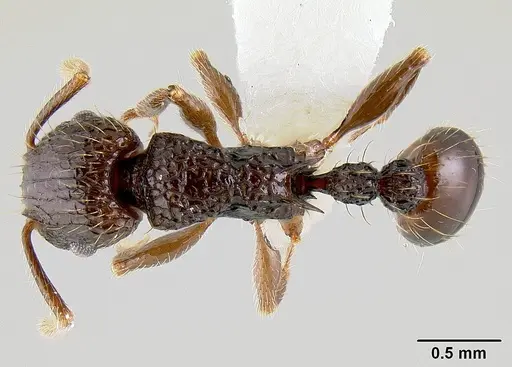
CASENT0901080
View on AntWeb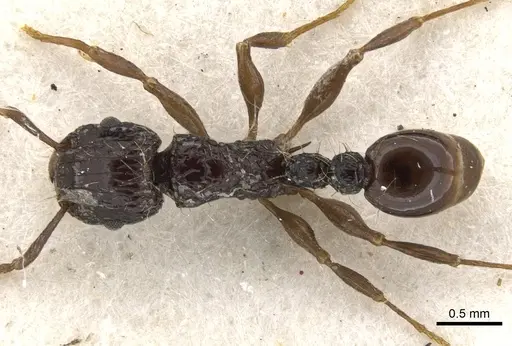
CASENT0904849
View on AntWeb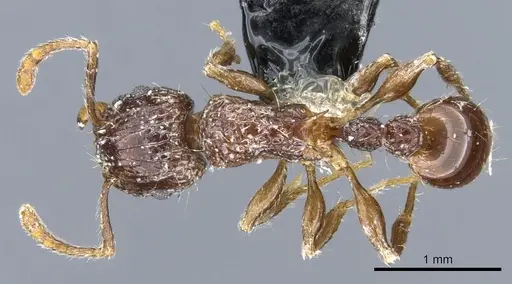
CASENT0916590
View on AntWeb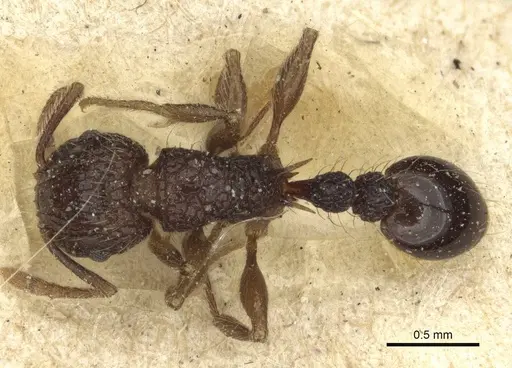
Literature
Loading distribution map...Loading products...