
Tetramorium ultor
- Sci. Name
- Tetramorium ultor
- Tribe
- Crematogastrini
- Subfamily
- Myrmicinae
- Author
- Forel, 1913
- Distribution
- Found in 6 countries
Introduction
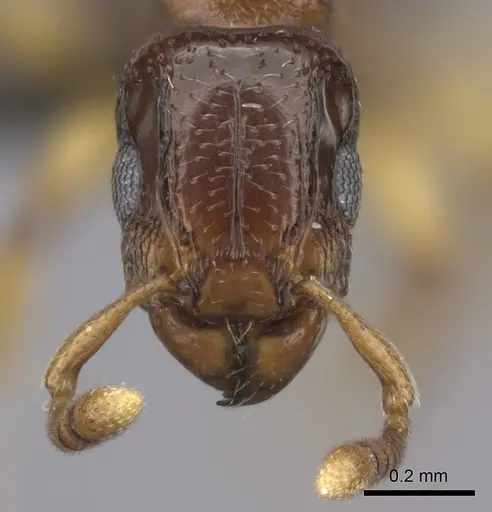
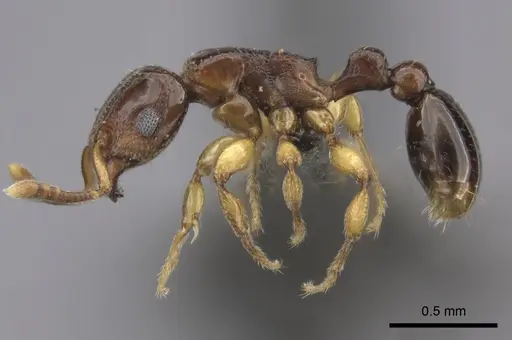
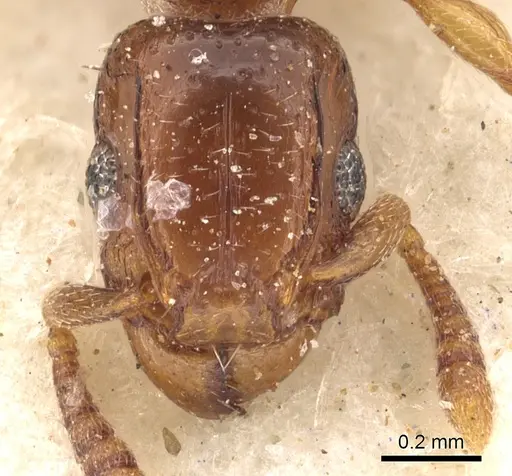
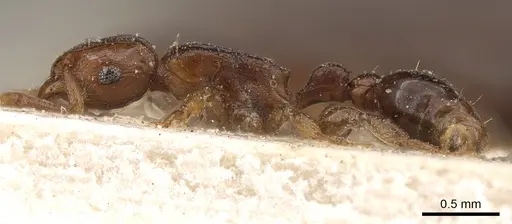
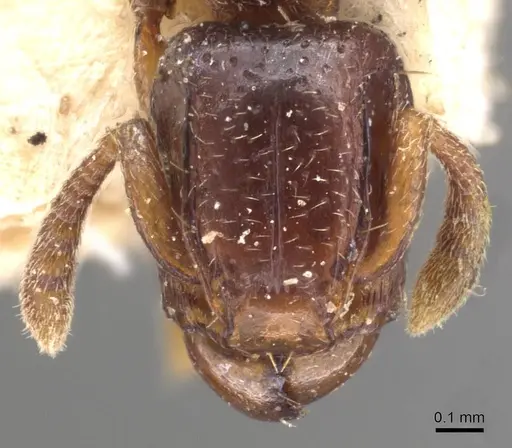
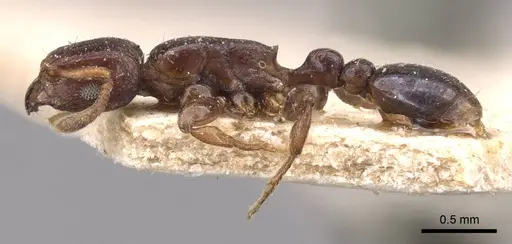
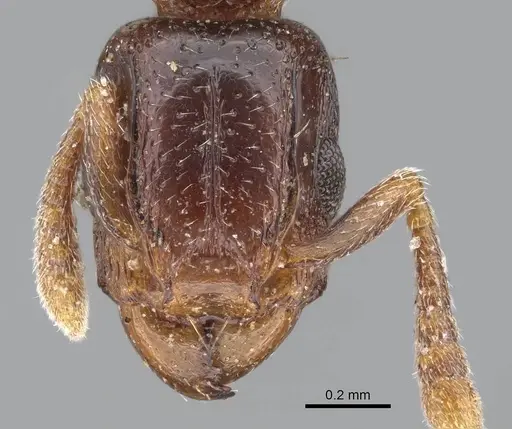
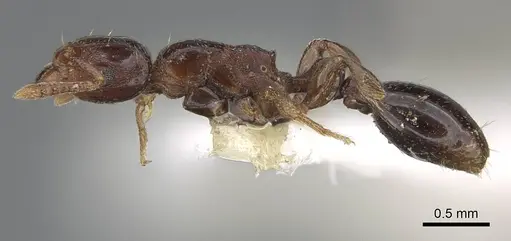
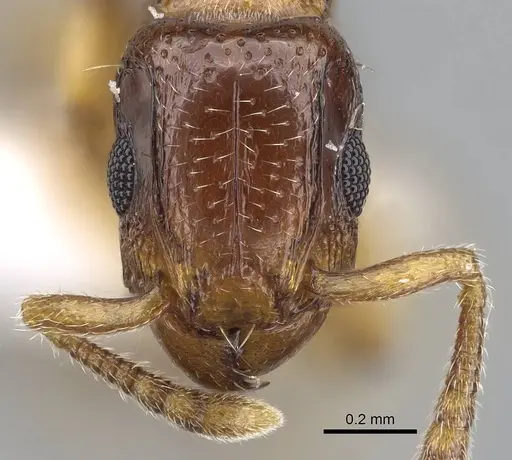
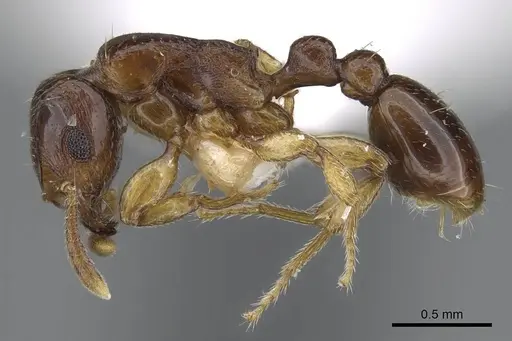
Tetramorium ultor is a small, ground-dwelling ant native to eastern and southern Africa . It has a uniform light to chestnut brown body with lighter appendages and very large eyes . The propodeum has short, blunt teeth, and the body is mostly smooth and shiny, especially on the back . This species was only recently recognized as distinct - it was previously confused with the related *Tetramorium decem* until a 2014 revision revived it as a separate species . These ants are ground-active and nest in or under rotten logs in tropical dry forests and miombo woodlands across their range from Kenya south to Mozambique, with additional records in Zambia, Zimbabwe, and Rwanda . Like other members of the *Tetramorium decem* species group, they likely specialize in hunting termites . This predatory specialization makes them interesting for keepers who want to observe natural hunting behaviors.
Quick Summary
- Difficulty: Medium
- Origin & Habitat: Eastern and southern Africa, found in Kenya, Mozambique, Tanzania, Zambia, Zimbabwe, and Rwanda. Inhabits tropical dry forests and miombo woodlands [1][2].
- Colony Type: Colony structure is unconfirmed. Based on typical *Tetramorium* patterns, colonies likely start with a single claustral queen and are monogyne, but this hasn't been confirmed for this species.
- Size & Growth:
- Queen: Size data unavailable, inferred from *Tetramorium* genus, queens likely around 6-7 mm.
- Worker: ~3-4 mm inferred from *Tetramorium* genus (mesosoma length 0.85-0.96 mm) [1].
- Colony: Unconfirmed, related *Tetramorium* species reach several thousand workers.
- Growth: Moderate, estimated from related species development patterns.
- Development: 6-10 weeks estimated based on typical *Tetramorium* development at optimal temperatures. (Development time is estimated from genus-level data since species-specific timing hasn't been documented.)
- Antkeeping:
- Temperature: Keep at 22-28°C, which reflects their tropical African dry forest habitat. A temperature gradient allows the colony to self-regulate.
- Humidity: Moderate to high, they naturally live under rotting logs. Keep the nest substrate consistently moist but not waterlogged, with some drier areas available.
- Diapause: Unconfirmed, as a tropical African species, they likely don't need true hibernation, but may slow down during cooler periods.
- Nesting: They naturally nest in or under rotten logs [1]. In captivity, use naturalistic setups with moist soil or a Y-tong (aerated concrete) or plaster nest with a water chamber. No acrylic nests.
- Behavior: These ants are ground-active and likely day-active foragers with large eyes for visual hunting [1]. They are probably termitophagous, so expect them to hunt small prey rather than scavenge. They are not known to be aggressive toward keepers but will defend their nest. Their small size (~3-4 mm) means high escape risk, use fine mesh or barriers. Their defense mechanism is 'smearing': they have a modified flat stinger used to wipe venom onto enemies instead of piercing.
- Common Issues: specialized diet, they likely need live termite prey, which can be hard to source., humidity management, nesting in rotting wood requires stable moisture without drying out., slow colony establishment due to their likely predatory specialization., wild-caught colonies may be stressed and hard to establish., limited availability in the hobby, only recently recognized as distinct [1].
Housing and Nest Setup
In captivity, mimic their natural forest floor habitat. Use a substrate mix of soil and rotting wood pieces that holds moisture well. Keep it consistently moist but never waterlogged. Y-tong (aerated concrete) nests with a water chamber or plaster nests work well. Provide dark, humid nest chambers, these ants prefer conditions like under a rotting log [1]. The outworld should have a layer of substrate deep enough for foraging tunnels. Since they are ground-active, vertical space isn't needed, but some depth for exploration is appreciated.
Feeding and Diet
Their likely termitophagous nature means you should prioritize live prey, especially termites [1]. Offer termite workers or soldiers from commercial sources. Small live insects like fruit flies and pinhead crickets are also accepted. Some keepers report acceptance of protein-based ant foods, but live prey is preferred. Sugar sources like honey are not their primary diet. Feed small prey every few days, adjusting for colony size. Remove uneaten prey after 24-48 hours to prevent mold.
Temperature and Seasonal Care
Keep temperatures at 22-28°C, with 24-26°C ideal for activity and brood development. Use a heating cable on one side to create a gradient. Heat from above, not below, to avoid drying out the substrate. As a tropical species, they likely don't need hibernation, but activity may drop in cooler periods. Avoid temperatures below 18°C for long periods.
Humidity Management
Proper humidity is crucial since they nest in rotting wood, a material that holds moisture while draining. Keep the nest substrate damp to the touch, like a forest floor that never fully dries. Use a water chamber in Y-tong nests or mist naturalistic setups regularly. Avoid standing water, which can drown brood and cause mold. Some areas should be slightly drier so ants can self-regulate. Light condensation on nest walls is good, too much means overwatering.
Colony Establishment
Establishing a colony can be challenging due to their likely specialized diet. If you get a queen (rare in the hobby), she will likely found claustrally, sealing herself in a chamber and raising the first workers on stored reserves. The first workers (nanitics) will be smaller, and growth will be gradual. Start offering small prey as soon as the first workers emerge. Wild-caught colonies may be stressed, quarantine and careful feeding are important. Patience is key, this species likely grows slower than generalists because of its specialized diet.
Behavior and Foraging
Tetramorium ultor is ground-active and forages on the forest floor rather than climbing [1]. Its large eyes suggest reliance on visual cues for hunting. They are likely active foragers that hunt alone or in small groups, searching for termite colonies [1]. In captivity, you may see them patrolling the substrate surface. They are not typically aggressive toward keepers but will defend their nest if threatened. Their small size (3-4 mm) means high escape risk, use appropriate barriers (fine mesh, PTFE) even though they are not extremely tiny.
Frequently Asked Questions
Can I keep Tetramorium ultor in a test tube?
Test tubes can work for founding but aren't ideal long-term. These ants prefer humid, dark conditions like under rotting logs. A naturalistic setup with moist substrate or a Y-tong nest with a water chamber is better. If using a test tube, ensure the water reservoir is sized correctly and change cotton regularly to prevent mold [1].
What do Tetramorium ultor ants eat?
They are likely termitophagous, so offer live termites as a primary food source [1]. Small live prey like fruit flies, pinhead crickets, and other tiny arthropods are also accepted. Some keepers report acceptance of protein-based ant foods, but live prey is preferred.
How long does it take for Tetramorium ultor to produce first workers?
Exact time is unconfirmed, but based on typical Tetramorium development, expect 6-10 weeks from egg to first worker at 24-26°C. The founding queen will seal herself in and raise the first brood alone, so patience is essential.
Are Tetramorium ultor ants good for beginners?
This species is rated Medium difficulty and is not ideal for beginners. Their likely specialized diet (requiring live termites) and humidity needs make them more challenging than generalist species. They are better for keepers with experience in predatory ants and access to appropriate food.
Do Tetramorium ultor ants sting?
No, they don't sting in the typical sense. Their defense mechanism is 'smearing', they have a modified flattened stinger used to wipe venom onto enemies instead of piercing flesh. They may use this in defense, but their small size makes it unlikely to be noticeable during normal maintenance.
How big do Tetramorium ultor colonies get?
Colony size is undocumented for this species, but related Tetramorium species can reach several thousand workers. Growth is likely moderate due to their specialized predatory diet [1].
Do Tetramorium ultor ants need hibernation?
As a tropical African species, they likely don't need true hibernation. However, they may slow down during cooler periods. Just keep temperatures stable year-round (22-28°C) without trying to induce dormancy [1].
When should I move Tetramorium ultor to a formicarium?
Move them once the colony reaches several dozen workers and the initial setup becomes crowded. For naturalistic setups, you can start them in the formicarium from the beginning since they prefer humid, dark conditions. For test tubes, wait until you see significant foraging activity outside the tube.
Why are my Tetramorium ultor ants dying?
Common causes: improper humidity (too dry or too wet), temperatures below 18°C, starvation due to lack of appropriate live prey, or stress from wild-caught origins. Check humidity, temperature (22-28°C), and offer live prey. If they refuse food, try different types.
Can I keep multiple Tetramorium ultor queens together?
Colony structure is unconfirmed. Combining unrelated queens is not recommended, it hasn't been documented and could lead to fighting. Assume single-queen unless you observe multiple queens peacefully coexisting.
Report an Issue
The current care sheet is based fully on literature. See inconsistencies, or something that's incorrect? Please , it will be resolved after review from an admin. Contributing to the blogs tab also helps providing information, to make us be able to further improve the caresheets. Thank you for your support!
References

This caresheet is licensed under CC BY-SA 4.0 .
Community Blogs
CASENT0235465
View on AntWeb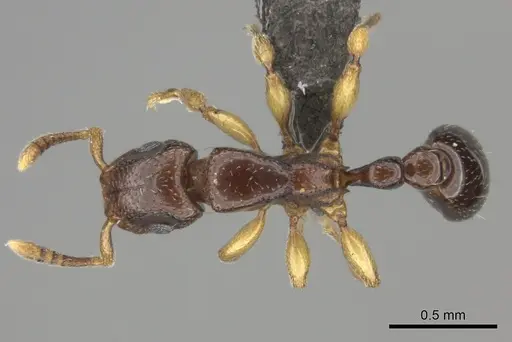
CASENT0777960
View on AntWeb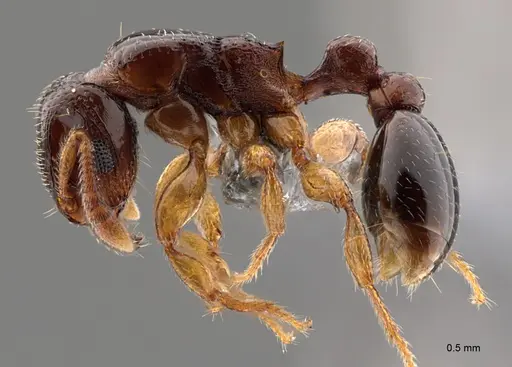
CASENT0901036
View on AntWeb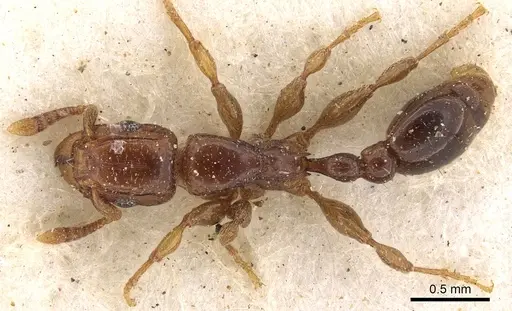
CASENT0909197
View on AntWeb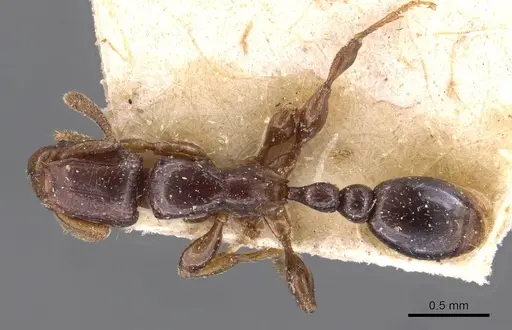
CASENT0914085
View on AntWeb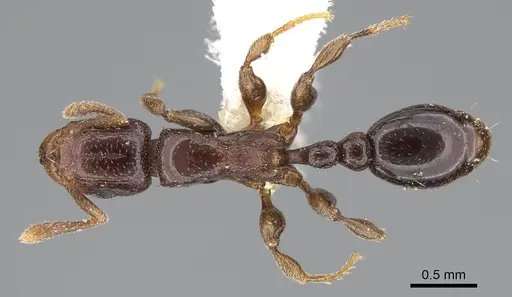
CASENT0914086
View on AntWeb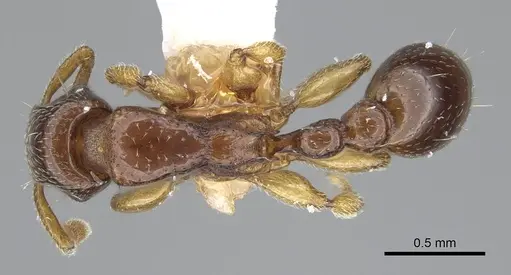
Literature
Loading distribution map...Loading products...