
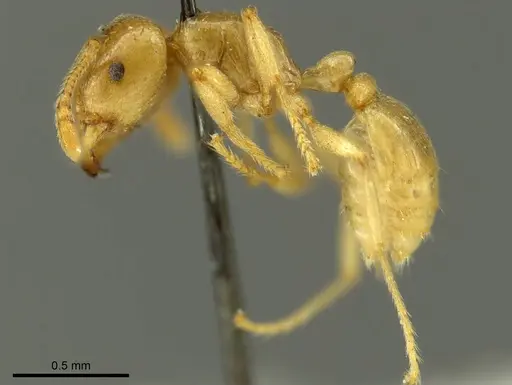
Tetramorium transversinode
- Sci. Name
- Tetramorium transversinode
- Tribe
- Crematogastrini
- Subfamily
- Myrmicinae
- Author
- Mayr, 1901
- Distribution
- Found in 1 countries
Introduction
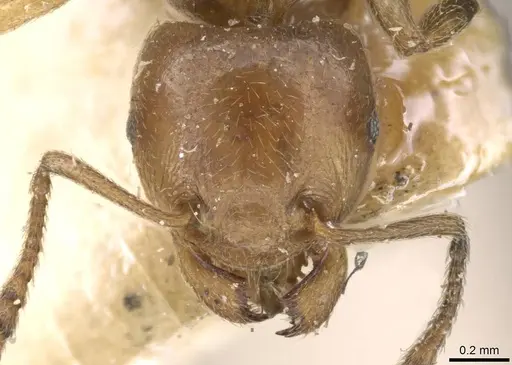
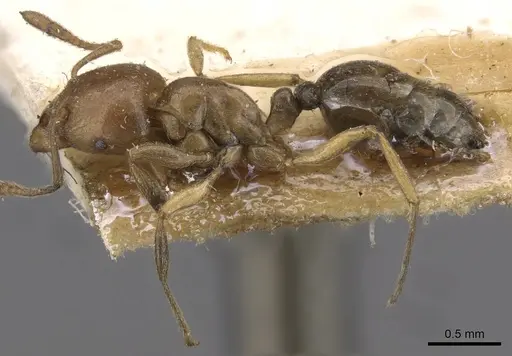
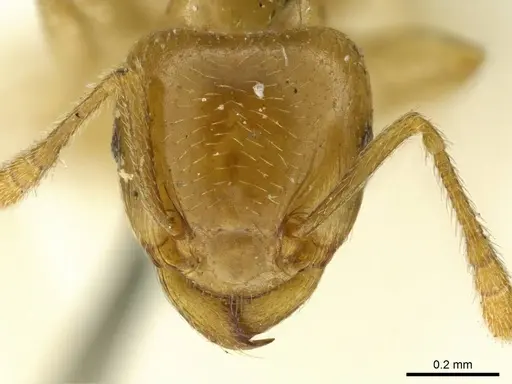
Tetramorium transversinode is a small ant species native to the Afrotropical region, with records from South Africa, Eswatini, Kenya, and Cameroon . It was originally described as *Rhoptromyrmex transversinodis* and later moved to *Tetramorium* after phylogenetic analysis showed the genus *Rhoptromyrmex* nested within *Tetramorium* . Size measurements for workers and queens are not available in published literature. These ants are ground-nesting and inhabit warm, subtropical to tropical environments. Their specific behavior and colony structure have not been studied in detail, so most care advice is inferred from related *Tetramorium* species.
Quick Summary
- Difficulty: Medium
- Origin & Habitat: Afrotropical region: South Africa, Eswatini, Kenya, Cameroon [1][2]. Inhabits warm, subtropical to tropical environments, nesting in soil or under stones at ground level.
- Colony Type: Unknown, no published data on whether colonies have a single queen or multiple queens.
- Size & Growth:
- Queen: Size data unavailable, no published measurements found.
- Worker: Size data unavailable, no published measurements found.
- Colony: Unknown, no published estimates available.
- Growth: Moderate
- Development: Unconfirmed, no specific data on development time. (Development time unknown, keep warm for best growth.)
- Antkeeping:
- Temperature: Likely needs warm conditions, keep around 24-28°C based on tropical origin. Provide a temperature gradient using a heating cable.
- Humidity: Moderate, keep nest substrate slightly moist but not waterlogged. No specific data, monitor moisture.
- Diapause: Unlikely to require hibernation given Afrotropical distribution. Maintain warmth year-round.
- Nesting: Ground-nesting. Use a Y-tong (AAC) or soil nest with moderate humidity. Provide tight chambers.
- Behavior: Workers are active foragers. As a member of Myrmicinae (tribe Crematogastrini), they have a modified stinger used to smear venom onto enemies rather than piercing. Their temperament is not well-documented, but they are probably not highly aggressive. Escape risk: small size may allow escapes through tiny gaps, use Fluon or PTFE barriers.
- Common Issues: unknown founding behavior, wild-caught queens may fail to raise brood if conditions are wrong, can overheat if temperature exceeds 30°C, provide gradient to let ants regulate, brood may die if humidity extremes: too dry causes dehydration, too wet causes mold, small workers can escape through tiny gaps, seal all connections carefully, wild colonies may carry unseen parasites
Temperature and Heating
Based on its Afrotropical distribution, Tetramorium transversinode likely needs stable warmth. Keep the nest area around 24-28°C, temperatures below 20°C or above 32°C may be stressful. Use a heating cable on one side of the nest to create a gradient. No specific published temperature data exists, so monitor your colony and adjust if growth stalls.
Nesting and Habitat
In the wild, these ants nest in soil or under stones [1]. For captive care, a Y-tong (AAC) nest or naturalistic soil setup is suitable. Provide chambers that are not too tall, workers are small and prefer tight spaces. A test tube as a founding chamber works if you catch a queen. The outworld should have ground-level foraging areas. No specific nest type is documented, start with simple setups.
Feeding and Diet
Like most Tetramorium, this species is likely a generalist feeder. Offer small insects (fruit flies, pinhead crickets) and a constant sugar source (honey water or diluted honey). Remove uneaten prey after 24-48 hours. Founding queens do not forage, they rely on reserves. No specific dietary data is available for this species.
Colony Founding
Founding behavior is unconfirmed. Although most Tetramorium are claustral, this has not been documented for T. transversinode. If you catch a queen, place her in a test tube setup with a water reservoir, keep it dark, and avoid disturbance. First workers may appear after several weeks, but the exact timeline is unknown. Be prepared for possible failure.
Behavior and Temperament
Workers are active foragers. Their defense mechanism involves smearing venom using a modified stinger (subfamily Myrmicinae, tribe Crematogastrini). The sting is likely mild. They are not particularly aggressive but will defend the nest. Because their size is unknown but probably small, use fine barriers like Fluon on test tube rims and nest edges to prevent escapes.
Seasonal Care and Overwintering
Given its tropical origin, T. transversinode does not require hibernation. Keep temperatures stable year-round. Some reduction in activity during cooler months is normal. Do not attempt to cool them, cold exposure can be lethal. No specific overwintering data is available.
Frequently Asked Questions
How long does it take for Tetramorium transversinode to raise first workers?
The development time is unknown. If kept warm (around 24-28°C), first workers may appear in 4-8 weeks, but this is a guess based on other Tetramorium species. No published data exists.
Do Tetramorium transversinode ants sting?
Yes, like other Myrmicinae, they have a stinger. Instead of piercing, they use it to smear venom on enemies. The sting is probably mild, but no specific study records the effect on humans.
Can I keep multiple Tetramorium transversinode queens together?
Not recommended. Colony structure is unknown, but most Tetramorium are monogyne. Keeping multiple queens together will likely lead to fighting. Separate them.
What is the best nest type for Tetramorium transversinode?
A Y-tong (AAC) nest or soil nest with narrow chambers works well. Test tubes are suitable for founding. No specific preference is documented for this species.
How big do Tetramorium transversinode colonies get?
Colony size is unknown. Related Tetramorium species can reach several hundred workers, but no data exists for this species.
What temperature do Tetramorium transversinode ants need?
Likely 24-28°C based on its tropical distribution. Provide a gradient. Avoid temperatures below 20°C or above 32°C.
Are Tetramorium transversinode ants good for beginners?
Not recommended for complete beginners because their care requirements are not well-studied. An intermediate keeper willing to experiment may succeed.
How often should I feed Tetramorium transversinode?
Offer small insects 2-3 times per week and keep a constant sugar source. Adjust based on colony activity. Remove uneaten prey after 24-48 hours.
Do Tetramorium transversinode need hibernation?
No, they do not require hibernation. Keep them warm year-round. Some reduced activity in cooler months is normal.
Why is my Tetramorium transversinode colony declining?
Common issues: temperature too low, humidity imbalance (too wet or too dry), parasites from wild-caught colonies, or insufficient protein. Review each factor. Since little is known about this species, careful observation is key.
Report an Issue
The current care sheet is based fully on literature. See inconsistencies, or something that's incorrect? Please , it will be resolved after review from an admin. Contributing to the blogs tab also helps providing information, to make us be able to further improve the caresheets. Thank you for your support!
References

This caresheet is licensed under CC BY-SA 4.0 .
Community Blogs
CASENT0106251
View on AntWeb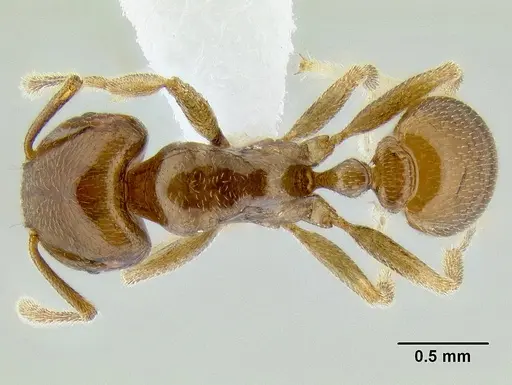
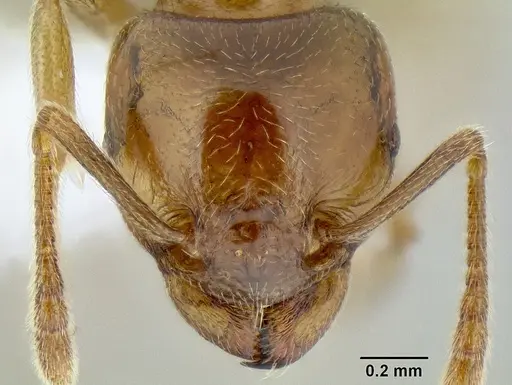
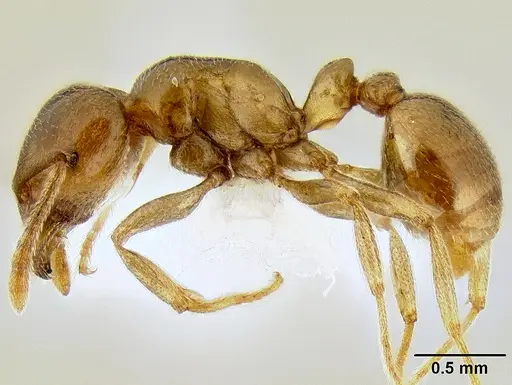
CASENT0172462
View on AntWeb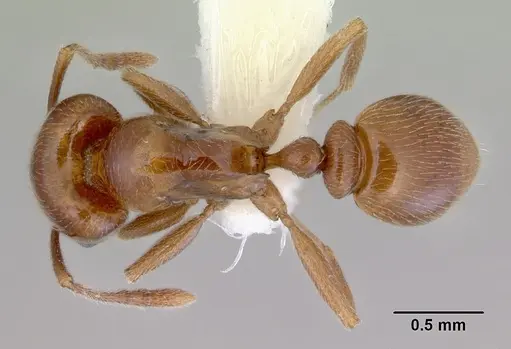
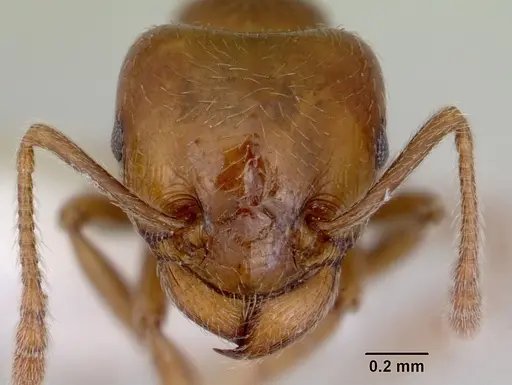
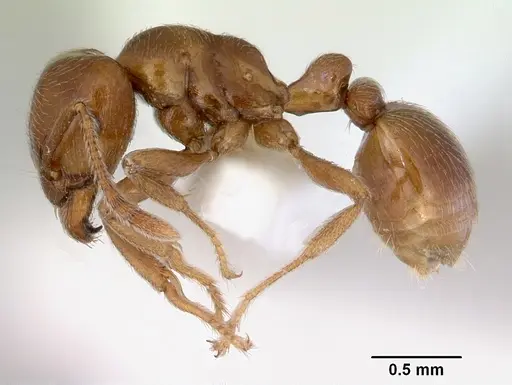
CASENT0901026
View on AntWeb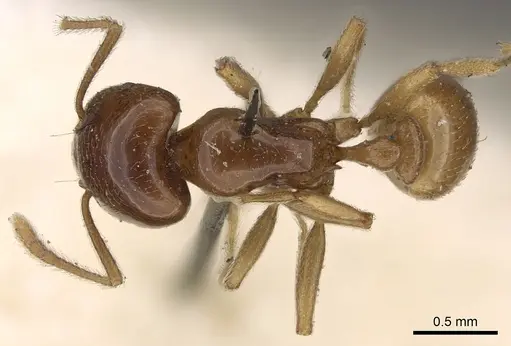
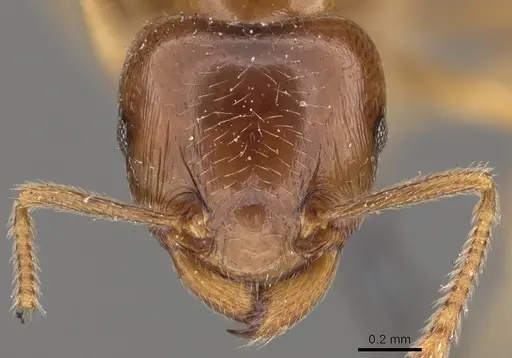
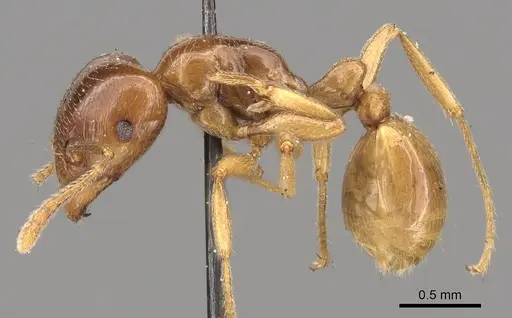
CASENT0901027
View on AntWeb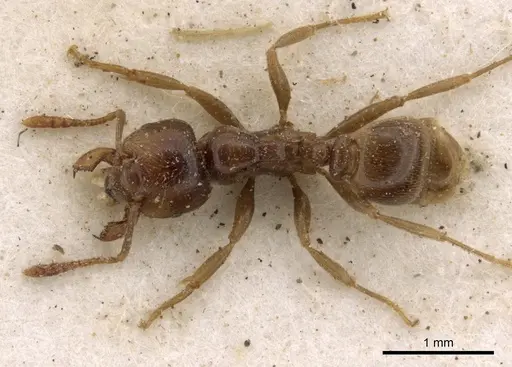
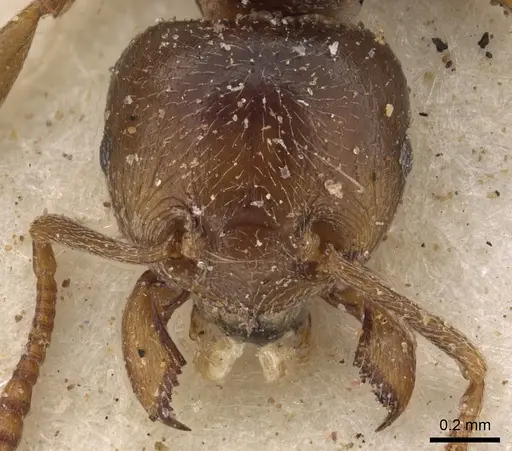
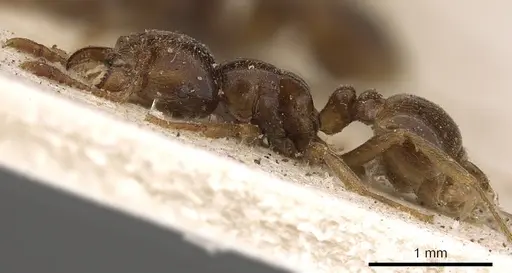
CASENT0901028
View on AntWeb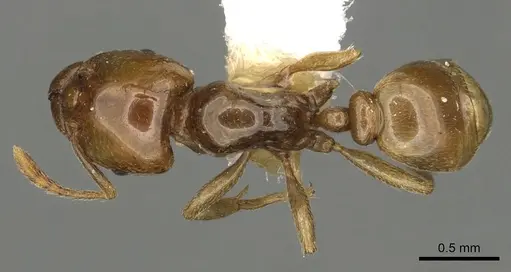
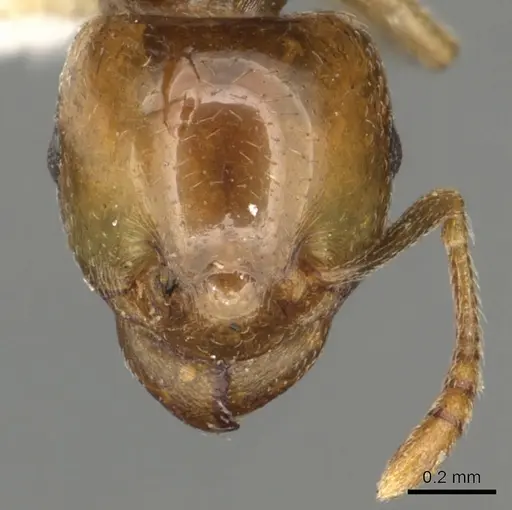
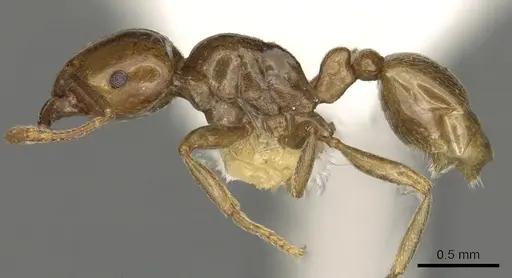
CASENT0909202
View on AntWeb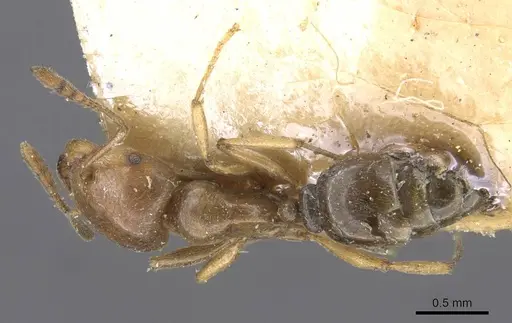
CASENT0916086
View on AntWeb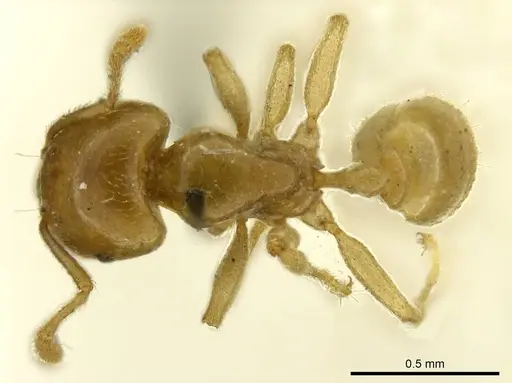
Literature
Loading distribution map...Loading products...