
Tetramorium tortuosum
- Sci. Name
- Tetramorium tortuosum
- Tribe
- Crematogastrini
- Subfamily
- Myrmicinae
- Author
- Roger, 1863
- Distribution
- Found in 4 countries
Introduction
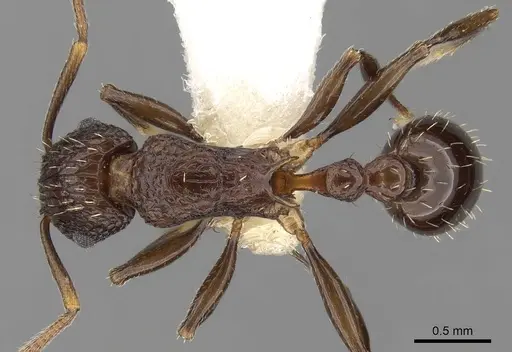
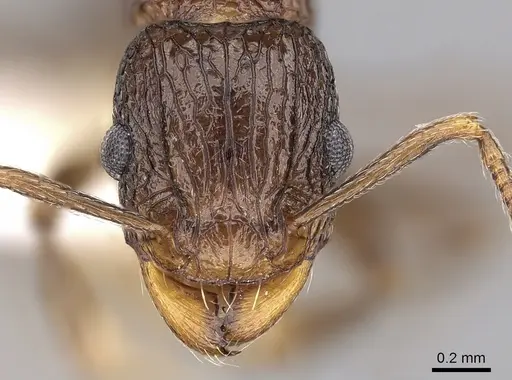
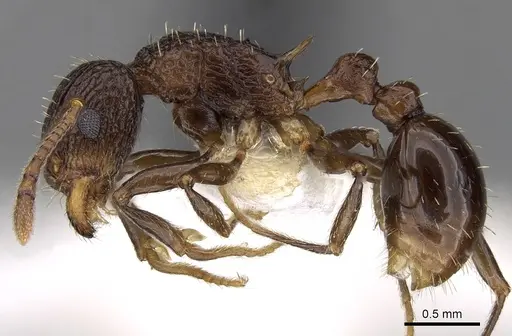
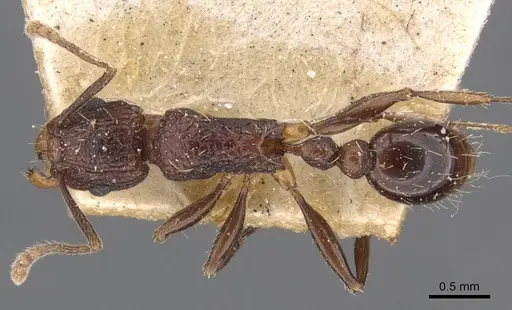
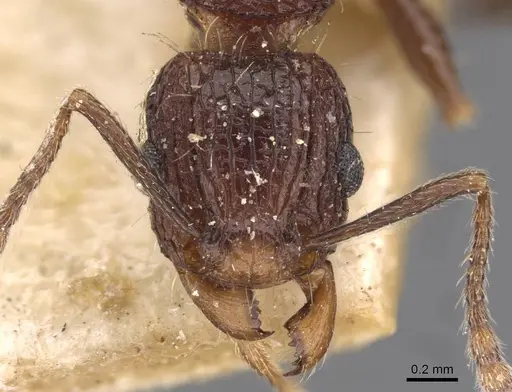
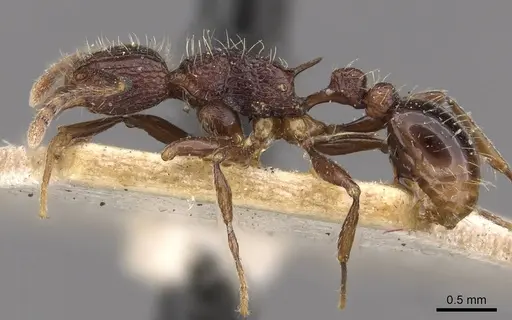
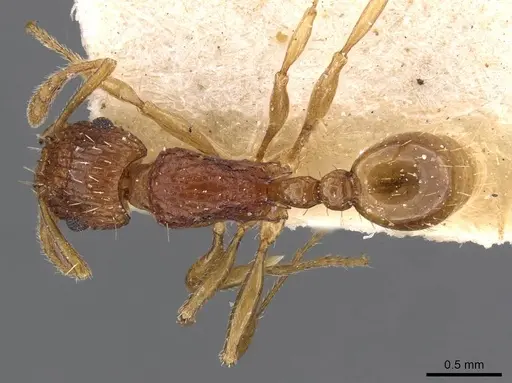
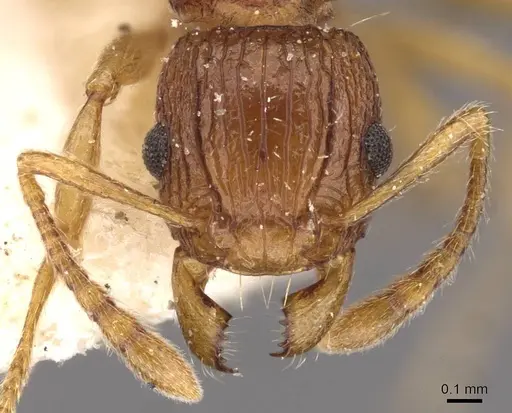
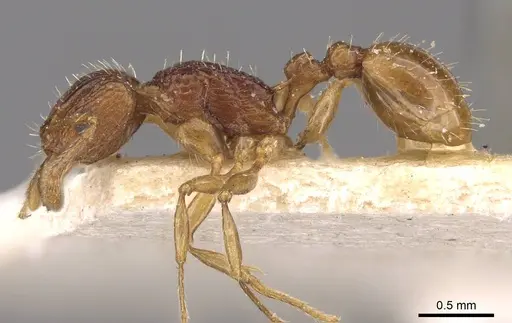
Tetramorium tortuosum is a small, ground-dwelling ant from the Indomalayan region, found in India, Sri Lanka, and possibly Indonesia and the Philippines . Workers are 3.8-4.4 mm in total length, with a dark coloration and distinctive longitudinal ridges on the head . They have strong propodeal spines and a petiole node that is longer than high . Sri Lankan workers tend to have shorter, stouter hairs on the top of the head and body compared to Indian ones . These ants nest under stones in both wet and dry zones of Sri Lanka, and are recorded from multiple Indian states including Karnataka, Kerala, and Tamil Nadu . Their broad distribution suggests they may vary across their range, and more work is needed to confirm if all populations are the same species .
Quick Summary
- Difficulty: Medium
- Origin & Habitat: Native to the Indomalayan region, India, Sri Lanka, and possibly Indonesia and the Philippines. Found in tropical environments, nesting under stones and at ground level in both wet and dry zones of Sri Lanka [3][5].
- Colony Type: Colony structure is not documented for this species. Based on typical Tetramorium patterns, colonies may have a single queen, but this is unconfirmed. Workers are ground-dwelling foragers.
- Size & Growth:
- Queen: Size data unavailable [2]
- Worker: 3.8-4.4 mm [2]
- Colony: Not documented. A single study found them at low frequency (16.7%) in one coconut plantation [6].
- Growth: Moderate, estimated based on genus patterns
- Development: Estimated 6-8 weeks based on typical Tetramorium development at 24-28°C [2] (Development time is inferred from genus-level data as species-specific measurements are not available)
- Antkeeping:
- Temperature: Keep at 24-28°C, these are tropical ants from India and Sri Lanka where temperatures remain warm year-round. A gentle gradient allowing workers to self-regulate is ideal.
- Humidity: Moderate to high. Keep the nest substrate consistently moist but not waterlogged. These ants are found in both wet and dry zones of Sri Lanka, so they tolerate a range of moisture conditions [3][5].
- Diapause: Likely not required, being tropical, they probably do not enter true diapause. A slight reduction in temperature during winter months (cooling to room temperature of 20-22°C) may be beneficial but is not necessary.
- Nesting: Natural nesting: under stones and in soil [5]. In captivity, a naturalistic setup with substrate or a Y-tong/plaster nest works well. They prefer tight chambers scaled to their small size.
- Behavior: Generally peaceful and not aggressive. These ants use a modified stinger to smear venom onto enemies rather than pierce (a common defense in their tribe). Escape risk is moderate due to their small size, use fine mesh barriers. They likely form moderate-sized colonies.
- Common Issues: colony growth may be slow compared to faster species, patience required., small size means escapes are possible without proper barriers, use fine mesh., humidity control is important, too dry can kill brood, too wet can cause mold., wild-caught colonies may have parasites that affect survival in captivity., limited availability in the antkeeping hobby makes this species uncommon.
Housing and Nest Setup
For Tetramorium tortuosum, a naturalistic setup with a substrate layer works well since they are ground-dwelling ants found under stones in the wild [5]. A Y-tong (AAC) nest or plaster nest with tight chambers scaled to their small 3.8-4.4 mm size is also suitable. The nest should have a water chamber to maintain humidity without over-wetting the substrate. Use a well-draining substrate mix that holds moisture while allowing some drying between waterings. Since they are found in both wet and dry zones of Sri Lanka [3], they adapt to varying humidity but prefer consistent moderate moisture. An outworld with soil or a thin substrate layer allows natural foraging behavior.
Feeding and Diet
Like most Tetramorium species, these ants are omnivorous. Offer protein sources such as small insects (fruit flies, small crickets, mealworms) and sugar sources (honey water, sugar water). In their natural habitat in Sri Lanka and India, they likely forage for small arthropods and honeydew from aphids. Feed protein 2-3 times per week and keep a sugar source available at all times. Remove uneaten prey after 24-48 hours to prevent mold. Given their small worker size (3.8-4.4 mm), prey items should be appropriately sized, very small insects or crushed insects work best [2].
Temperature and Seasonal Care
Keep your colony at 24-28°C for optimal growth and brood development. These ants come from tropical India and Sri Lanka where temperatures remain warm year-round [4]. A heating cable or mat on one side of the nest can create a temperature gradient, allowing workers to move between warmer and cooler areas. During winter, you can reduce temperatures slightly to around 20-22°C, but true hibernation is likely not required for this tropical species. Avoid temperatures below 18°C for extended periods. Room temperature in most homes (20-24°C) is generally acceptable.
Colony Establishment
Founding behavior for this species is not documented in the available research. Queens have not been measured, and it is unknown whether they seal themselves in a chamber or rely on outside feeding. Based on typical Tetramorium patterns, many species are claustral, but this is not confirmed for Tetramorium tortuosum. If you acquire a queen, observe her closely and provide a test tube setup with a water reservoir. Do not disturb her excessively, checking too frequently can cause her to abandon or eat her brood. Once the first workers (nanitics) emerge, you can begin offering tiny amounts of food. Colony growth is moderate, expect 6-12 months to reach 50 workers if conditions are optimal, but this is an estimate [2].
Behavior and Temperament
Tetramorium tortuosum workers are active foragers on the ground surface. They are not particularly aggressive. Like other members of their tribe (Crematogastrini), they use a modified stinger to smear venom onto enemies rather than piercing them. This makes their sting feel mild compared to other ants. Colonies are generally peaceful and can be kept alongside other ant species only with proper containment. Their small size (3.8-4.4 mm) means they can squeeze through small gaps, use fine mesh and tight-fitting lids for escape prevention [2].
Frequently Asked Questions
How long does it take for Tetramorium tortuosum to raise first workers?
From egg to first worker (nanitics), expect approximately 6-8 weeks at optimal tropical temperatures (24-28°C). This is an estimate based on typical Tetramorium development patterns, as species-specific development data is not available [2].
Do Tetramorium tortuosum ants sting?
Yes, like other Myrmicinae, they have a functional stinger. However, they use it to smear venom (not pierce), so the sting feels mild. They are not particularly aggressive or defensive [2].
What temperature do Tetramorium tortuosum ants need?
Keep them at 24-28°C. These are tropical ants from India and Sri Lanka, so they prefer warm conditions. Room temperature (20-24°C) is acceptable, but temperatures below 18°C should be avoided [4].
Are Tetramorium tortuosum good for beginners?
This species is rated as medium difficulty. They are fairly hardy but their founding behavior is unknown and they grow slowly. The main challenges are ensuring proper escape prevention due to their small size and not knowing exactly how to start a colony.
How big do Tetramorium tortuosum colonies get?
Colony size is not documented. Based on their small worker size (3.8-4.4 mm) and typical Tetramorium patterns, they likely stay under a few hundred workers. One study found them at low frequency in a single plantation, but gives no colony size data [6].
Do Tetramorium tortuosum need hibernation?
Probably not. Being tropical ants from India and Sri Lanka, they likely do not require true diapause. A slight temperature reduction during winter months (to around 20-22°C) may be beneficial but is not mandatory.
What do Tetramorium tortuosum eat?
They are omnivorous. Offer small protein sources (fruit flies, small crickets, mealworms) 2-3 times per week and keep a sugar source (honey water or sugar water) available at all times. They forage on the ground surface in nature.
Can I keep multiple Tetramorium tortuosum queens together?
This is not recommended. Colony structure is not documented, and combining unrelated queens of this species has not been studied. It likely leads to aggression. Start with a single queen colony for best success.
When should I move Tetramorium tortuosum to a formicarium?
Wait until the colony has at least 20-30 workers and is actively foraging in the outworld. For small colonies under 20 workers, a test tube setup with a separate foraging area works well. Move to a larger nest setup once the colony outgrows the test tube.
Where is Tetramorium tortuosum found in the wild?
This species is native to the Indomalayan region, specifically found in India (Karnataka, Kerala, Meghalaya, Sikkim, Tamil Nadu, West Bengal) and Sri Lanka [4]. They nest under stones in both wet and dry zones of Sri Lanka and are ground-dwelling foragers [3][5].
Report an Issue
The current care sheet is based fully on literature. See inconsistencies, or something that's incorrect? Please , it will be resolved after review from an admin. Contributing to the blogs tab also helps providing information, to make us be able to further improve the caresheets. Thank you for your support!
References

This caresheet is licensed under CC BY-SA 4.0 .
Community Blogs
Literature
Loading distribution map...Loading products...