
Tetramorium tonganum
- Sci. Name
- Tetramorium tonganum
- Tribe
- Crematogastrini
- Subfamily
- Myrmicinae
- Author
- Mayr, 1870
- Distribution
- Found in 12 countries
Introduction
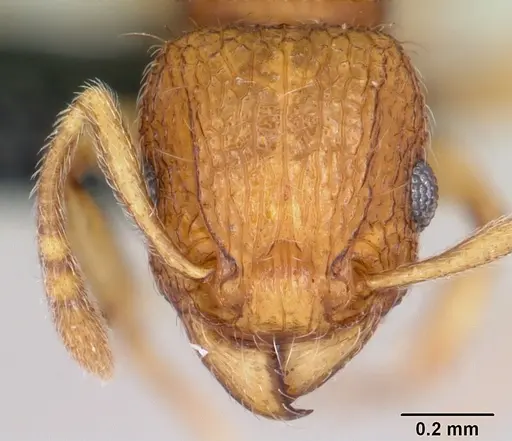
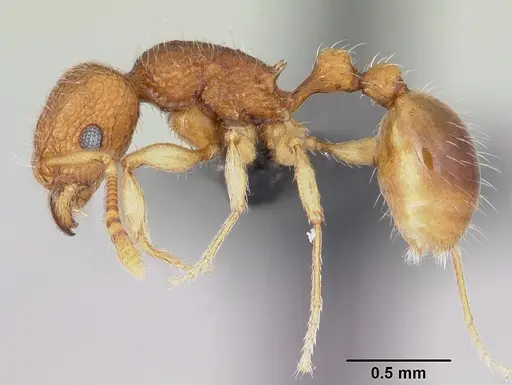
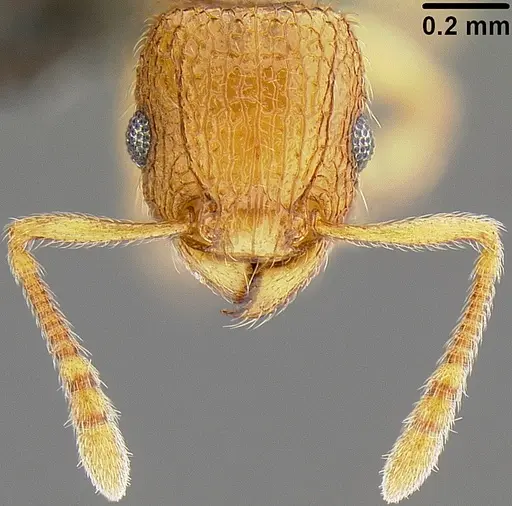
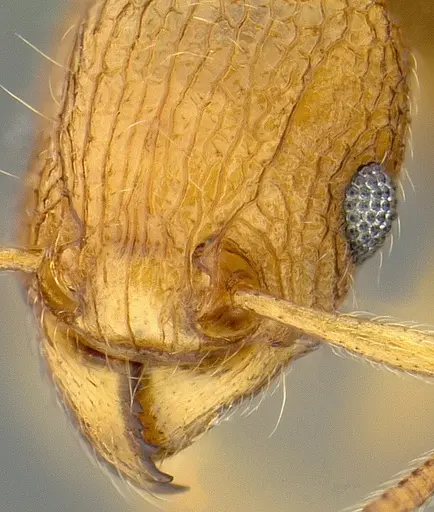
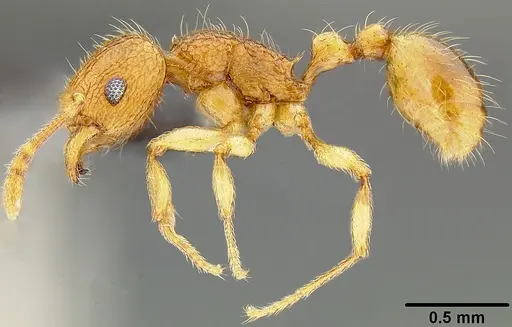
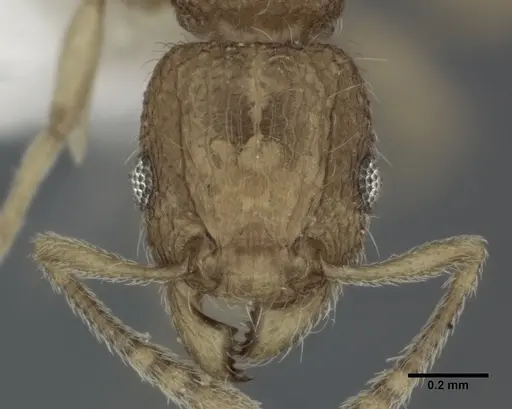
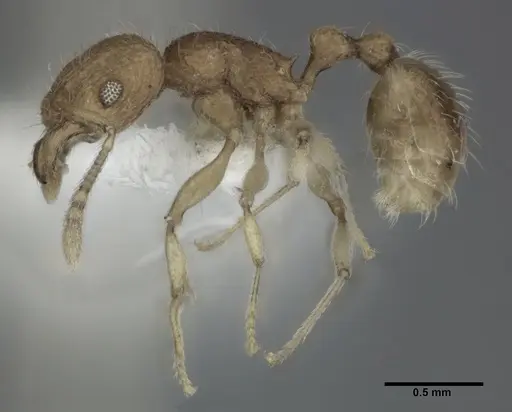
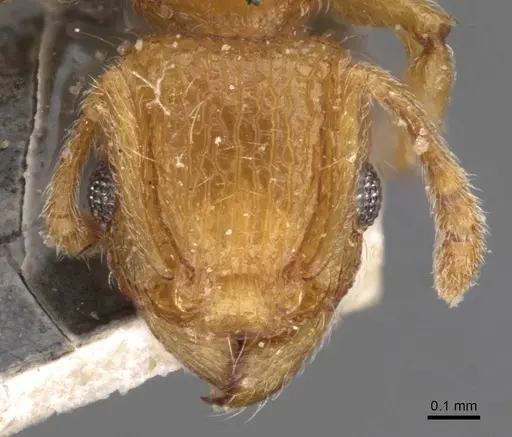
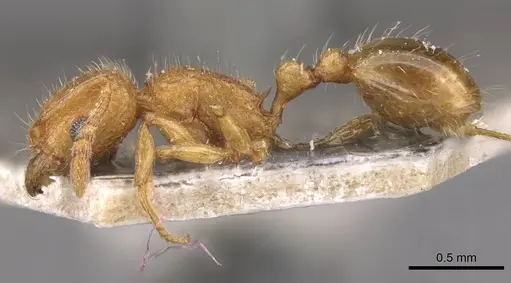
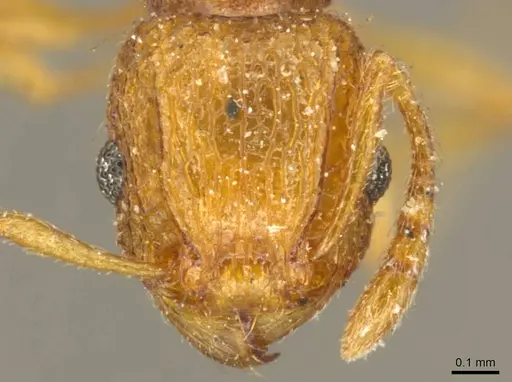
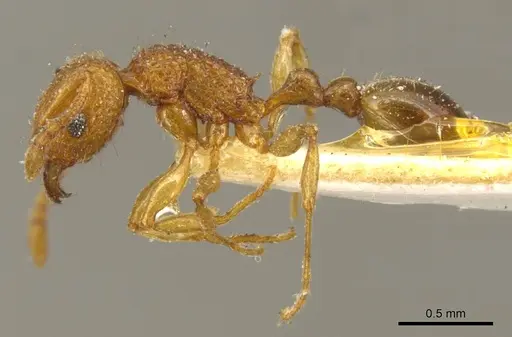
Tetramorium tonganum is a small, yellowish-brown to mid-brown ant, with workers measuring 2.6-3.1mm total length . Originally described from Tonga in 1870,its native range spans from Japan and China through Southeast Asia, New Guinea, and across Polynesia . This ant inhabits various forest environments including lowland dipterocarp forest and moss mats at medium altitudes . In some areas it favors nesting in moss mats and is often found in disturbed or edge habitats . This species is a Pacific-native tramp that has become invasive in Hawai'i (first recorded 1926), Brazil, China, and elsewhere . It functions as an opportunist in ecological terms, quickly exploiting new food sources . It can be confused with similar small Tetramorium like T. caldarium and T. simillimum, but has a distinctive rounded petiolar node . Records from India were misidentified as this species but actually represent Tetramorium salvatum .
Quick Summary
- Difficulty: Expert
- Origin & Habitat: Native to the Pacific and Indo-Malayan regions, from Japan to French Polynesia. Inhabits various forest types, especially lowland dipterocarp forest, moss mats, and disturbed edge habitats [3][5][6][2].
- Colony Type: Colony structure is not well documented. Based on typical Tetramorium patterns, likely monogyne (single queen), but this is unconfirmed.
- Size & Growth:
- Queen: Size data unavailable, no total length recorded in literature.
- Worker: 2.6-3.1mm total length [1][2].
- Colony: Not documented, based on typical Tetramorium patterns, likely moderate (several hundred workers at maturity).
- Growth: Moderate, inferred from related species.
- Development: Approximately 6-8 weeks if claustral and at warm temperatures (estimated from genus patterns). (Development timeline is inferred from related Tetramorium, not directly observed.)
- Antkeeping:
- Temperature: As a tropical species, keep at 24-28°C for optimal activity. Avoid prolonged temperatures below 20°C. Provide a gradient using a heating cable, but avoid direct heat on the nest.
- Humidity: Keep nest substrate consistently moist but not waterlogged. Provide a moisture gradient: slightly drier area for brood and wetter area near water source. Avoid condensation in the nest.
- Diapause: Unknown, as a tropical species, likely does not require true diapause. Keep warm year-round, a mild winter slowdown is fine but not necessary.
- Nesting: In nature, nests in soil, leaf litter, under stones, and in moss mats [5][6]. In captivity, use Y-tong (AAC) or plaster nests with appropriately sized chambers. Test tubes work for founding.
- Behavior: Workers are active, opportunist foragers that quickly exploit food sources [9][10]. They are not particularly aggressive but will defend their colony. Defense: uses a modified stinger to smear venom onto attackers (smear defense). Moderate climbers, use Fluon or oil barriers on outworld rims. Co-occurs with many other ant species in its native range [12].
- Common Issues: requires warm temperatures year-round, colony may decline below 20°C, especially during brood development., invasive species, never release captive colonies outside native range, extreme precautions needed to prevent escape., unknown founding behavior makes starting a new colony uncertain, wild queens may not be claustral., escape prevention is important despite moderate size, small workers can fit through tiny gaps., limited availability in the hobby due to invasive status and difficulty of obtaining foundresses.
Temperature and Care
Tetramorium tonganum thrives in warm conditions typical of its tropical Pacific distribution. Keep the nest area at 24-28°C for optimal brood development and worker activity. The species is comfortable at room temperature in heated homes but slows significantly below 20°C. Use a small heating cable on one side to create a gradient, allowing ants to thermoregulate. Avoid placing the nest directly on heat sources as this can dry it out. Stable warmth produces the fastest growth.
Feeding and Diet
As an opportunist species [10][9], Tetramorium tonganum accepts a wide variety of foods. Offer small insects (fruit flies, small crickets, mealworms) for protein 2-3 times per week. Provide constant access to sugar water, honey, or diluted maple syrup. They will scavenge dead insects. Remove uneaten prey after 24 hours. Adjust feeding based on colony size.
Nesting Preferences
In the wild, Tetramorium tonganum nests in soil, leaf litter, under stones, and in moss mats, favoring moss mats in French Polynesia [5]. It is also found in leaf litter in secondary forests and edge habitats [6]. For captive care, use Y-tong (AAC) or plaster nests with chambers sized for 2.6-3.1mm workers. Test tube setups work for founding. Keep nest substrate moist but not waterlogged, with a moisture gradient.
Behavior and Temperament
Workers are active foragers with an opportunist lifestyle [9]. They use a smear defense mechanism, a modified stinger to wipe venom onto attackers. They are not highly aggressive but defend the colony. Seasonal patterns show peak activity in summer and autumn, with very low activity in winter in temperate East Asian populations [9]. Escape prevention is needed: use Fluon on outworld rims. They co-occur with many other ant species [12].
Colony Founding
Founding behavior for Tetramorium tonganum has not been directly observed. Most Tetramorium species are claustral, but this is unconfirmed. When keeping a foundress queen, provide a standard test tube setup with a water reservoir and place in a dark, quiet location. Do not disturb. If she is claustral, she will not need food until the first workers emerge. Development time is unknown but likely 6-8 weeks at warm temperatures, based on related species. If the queen does not lay eggs, she may not be fertilized or may require different conditions.
Distribution and Invasive Status
Tetramorium tonganum is native to the Pacific and Indo-Malayan regions, from Japan to French Polynesia [3][4]. It has become invasive in Hawai'i (first recorded 1926 [7]), Brazil, China, Macao, and has been intercepted at New Zealand borders [3][13][14][8]. Because of its invasive potential, keepers must take extreme precautions to prevent escape, especially in regions where it is not native. Never release this ant into the wild outside its native range.
Frequently Asked Questions
How long does it take for Tetramorium tonganum to produce first workers?
Not documented in scientific literature. If claustral like related Tetramorium species, first workers may emerge in 6-8 weeks at 24-28°C. Keep the queen undisturbed and watch for signs of brood development.
Can I keep multiple Tetramorium tonganum queens together?
Combining unrelated queens is not recommended. Colony structure is unknown, and most Tetramorium are monogyne. Pleometrosis has not been reported for this species. It is safest to start with a single queen.
Do Tetramorium tonganum ants sting?
Yes, as a Myrmicine ant, T. tonganum has a functional stinger. However, workers are small and the sting is mild. They are not dangerous and will only sting if handled roughly or the colony is threatened.
What temperature range is best for Tetramorium tonganum?
Keep at 24-28°C for optimal development. This tropical species prefers warm conditions and becomes less active below 20°C. Avoid sustained temperatures above 30°C.
Are Tetramorium tonganum good for beginners?
Expert difficulty. While adaptable, this species is invasive and should not be kept by beginners. Unknown founding behavior and legal restrictions in some areas make it unsuitable for novice keepers.
How big do Tetramorium tonganum colonies get?
Not documented in literature. Based on related Tetramorium, colonies likely reach several hundred workers at maturity. Growth rate is moderate.
What do Tetramorium tonganum eat?
Tetramorium tonganum is an opportunist feeder [10][9]. Offer small insects (fruit flies, small crickets, mealworms) for protein 2-3 times per week. Provide constant access to sugar water, honey, or diluted maple syrup for carbohydrates. They will also scavenge dead insects.
Do Tetramorium tonganum need hibernation?
No, true hibernation is not required. As a tropical species, keep warm year-round. A reduction in activity during cooler months is acceptable but not necessary.
When should I move Tetramorium tonganum to a formicarium?
Move to a formicarium when the colony outgrows the test tube, typically after several months once the colony has 50+ workers and brood. Use a Y-tong or plaster nest with appropriately sized chambers.
Report an Issue
The current care sheet is based fully on literature. See inconsistencies, or something that's incorrect? Please , it will be resolved after review from an admin. Contributing to the blogs tab also helps providing information, to make us be able to further improve the caresheets. Thank you for your support!
References

This caresheet is licensed under CC BY-SA 4.0 .
Community Blogs
CASENT0103250
View on AntWeb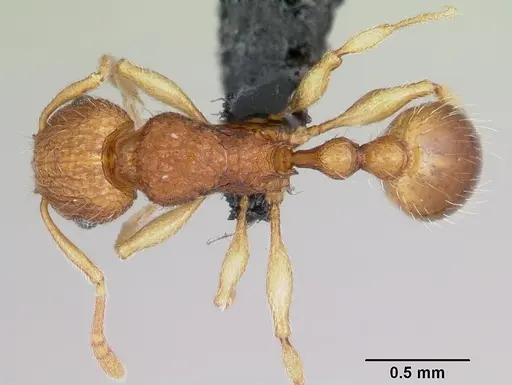
CASENT0171074
View on AntWeb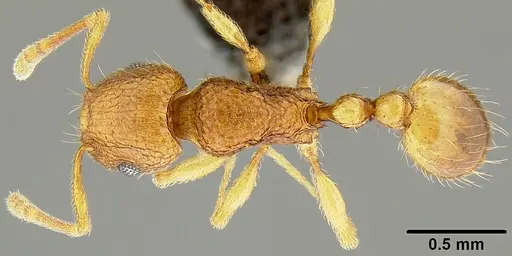
CASENT0178422
View on AntWeb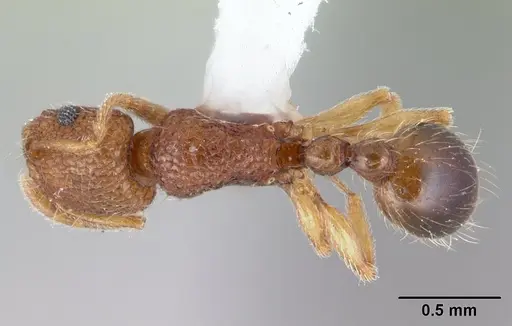
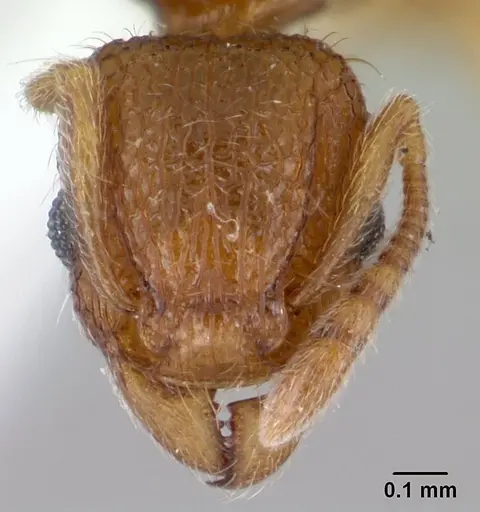
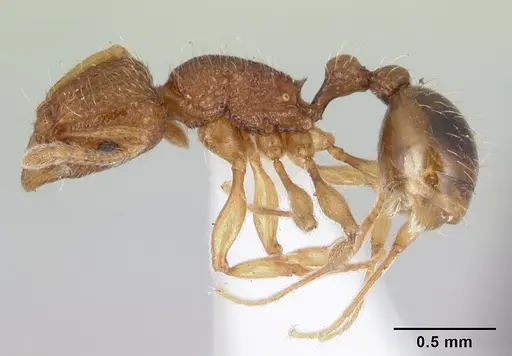
CASENT0178423
View on AntWeb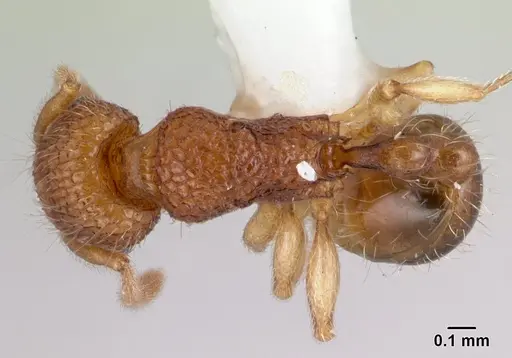
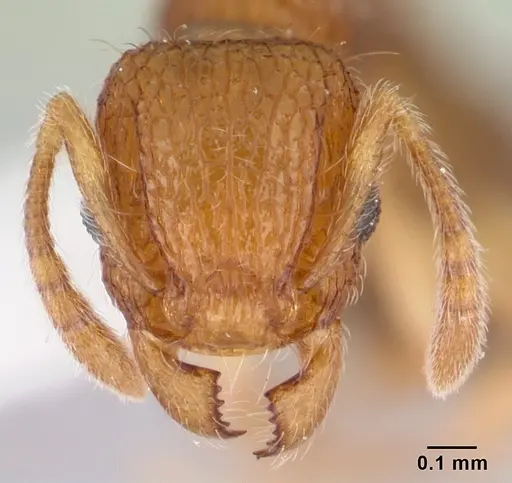
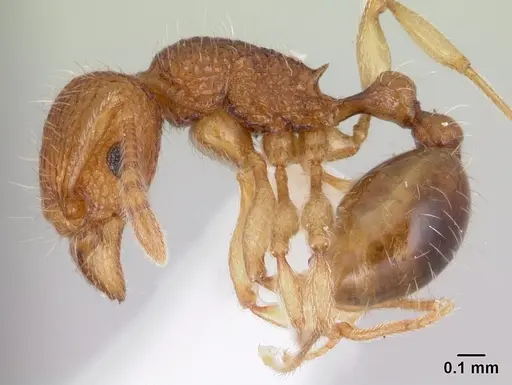
CASENT0246151
View on AntWeb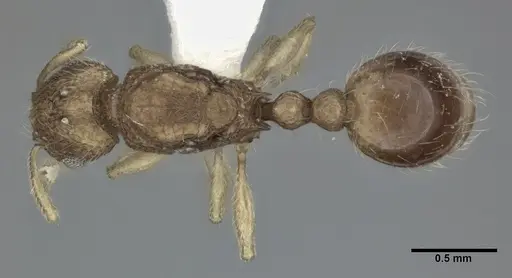
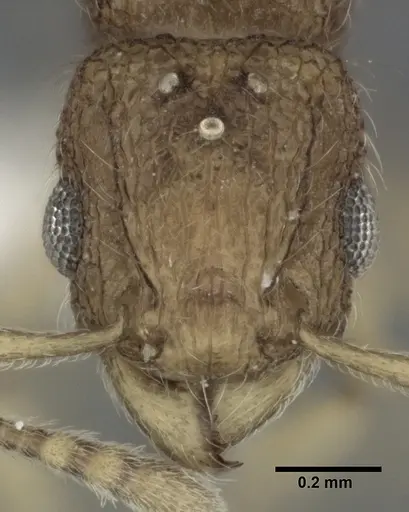
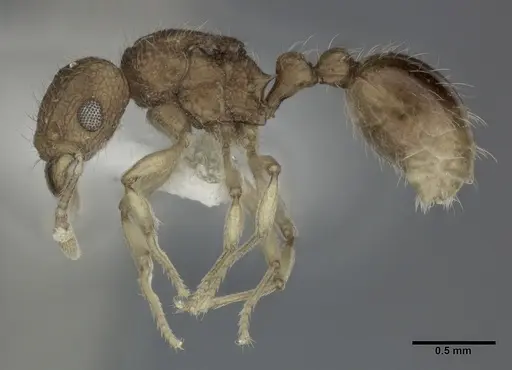
CASENT0246152
View on AntWeb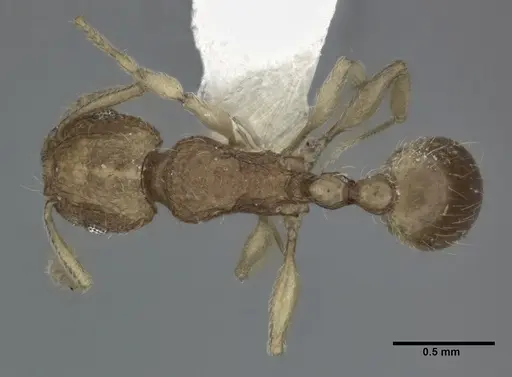
CASENT0272400
View on AntWeb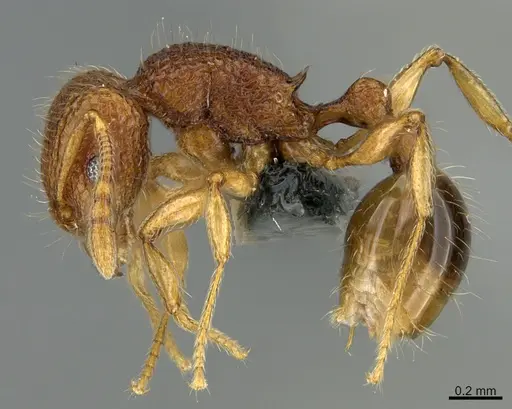
CASENT0909171
View on AntWeb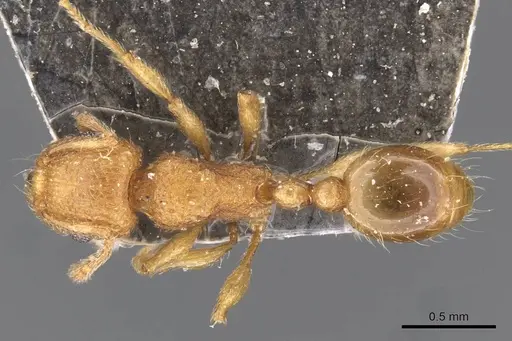
CASENT0916043
View on AntWeb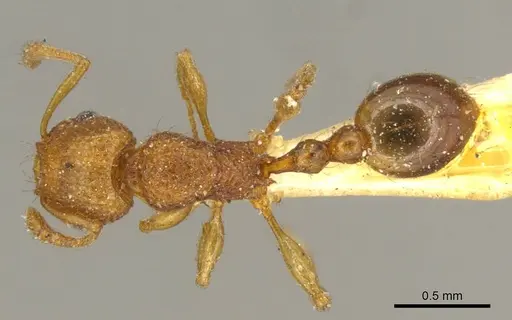
Literature
Loading distribution map...Loading products...