
Tetramorium tantillum
- Sci. Name
- Tetramorium tantillum
- Tribe
- Crematogastrini
- Subfamily
- Myrmicinae
- Author
- Bolton, 1979
- Distribution
- Found in 1 countries
Introduction
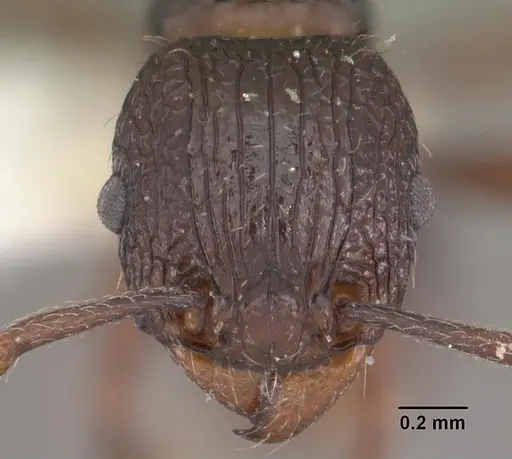
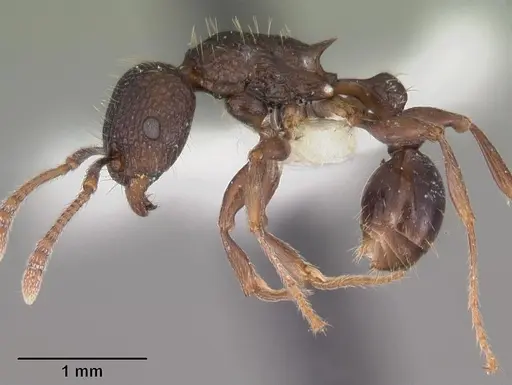
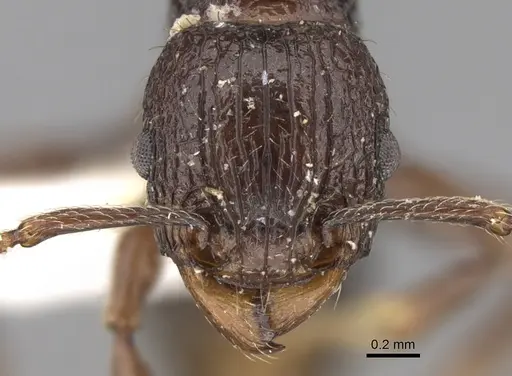
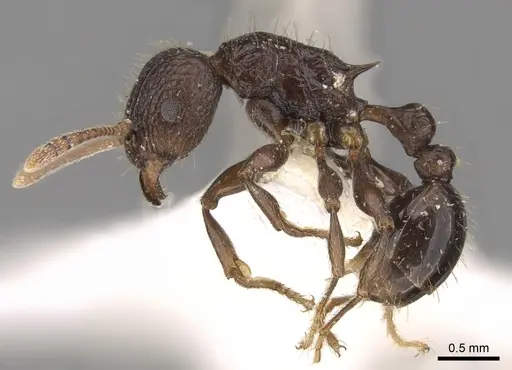
Tetramorium tantillum is a relatively large and conspicuous ant species endemic to eastern Madagascar. Workers are dark brown to blackish brown and have moderate-length antennae and long propodeal spines that set them apart from similar species . This ant lives mostly in the lower vegetation layer - more than half of all known specimens were collected from bushes and low branches, not on the ground . It belongs to the T. tosii species group and is known from only a handful of rainforest sites in eastern Madagascar, making it one of the rarer Tetramorium species in the region .
Quick Summary
- Difficulty: Hard
- Origin & Habitat: Eastern Madagascar rainforest, known only from a few rainforest localities in the eastern part of the island [1][2]. The species lives mostly in the lower vegetation stratum, foraging on leaves and branches rather than the forest floor [1][2].
- Colony Type: Colony structure is unconfirmed. No scientific data exists on whether this species is single-queen or multi-queen.
- Size & Growth:
- Queen: Undocumented, no queen specimens have been described in literature [1].
- Worker: Total body length has not been documented. Only partial measurements (like head length) exist, and these do not represent full body size [1].
- Colony: Unknown, the species is known from very few specimens, and colony size has not been recorded [1].
- Growth: Unknown, no development data exists for this species [1].
- Development: Unknown, no development timeline has been studied. Based on typical Tetramorium patterns from related species, you might expect 6-10 weeks at optimal temperature, but this is an estimate. (No direct measurements available. Related Tetramorium species in Madagascar typically develop in 6-10 weeks.)
- Antkeeping:
- Temperature: Keep at 22-26°C. As a rainforest species from eastern Madagascar, they prefer warm, stable conditions. A heating cable on one side of the nest can create a gentle gradient [1].
- Humidity: High humidity is important, aim for 70-80% relative humidity. This rainforest species dries out easily. Keep the nest substrate consistently moist but not waterlogged [1]. These are inferred from their tropical rainforest habitat.
- Diapause: Unlikely, as a tropical species from Madagascar, they probably do not need true hibernation. A slight reduction in temperature during winter months may be beneficial, but avoid anything below 18°C [1].
- Nesting: This species forages in vegetation, so a naturalistic setup with climbing opportunities works well. Y‑tong (AAC) nests or plaster nests with moisture reservoirs are suitable. Provide twigs, artificial plants, or other structures for climbing [1].
- Behavior: Temperament is not well-documented, but Tetramorium species are generally not aggressive and are moderate foragers. Because they are arboreal, they will explore vertical spaces. Escape risk is moderate, their small size means they can slip through small gaps, so use proper barriers (e.g., fluon) on rim edges [1]. They likely forage for small insects and honeydew in the vegetation layer.
- Common Issues: very limited availability, this species is rarely available in the antkeeping hobby due to its restricted range, humidity management is critical, being a rainforest species, they dry out easily and require consistent moisture, no development data makes timing uncertain, you must observe and adjust care based on colony response, arboreal lifestyle requires vertical enrichment, simple test tube setups may not suit their natural foraging behavior, cold temperatures are likely fatal, being from tropical Madagascar, they cannot tolerate cool conditions
Housing and Nest Setup
T. tantillum presents unique housing challenges because of its arboreal nature. In the wild, this species lives mostly in the lower vegetation stratum, foraging in bushes and low branches rather than on the ground [1][2]. This means they benefit from a naturalistic setup with vertical climbing opportunities. Y‑tong (AAC) nests or plaster nests with moisture reservoirs work well, but you should add twigs, artificial plants, or other structures for climbing. Test tube setups can work for founding colonies but may need to be modified to allow for vertical exploration as the colony grows. Ensure your setup has excellent escape prevention: even though they are not the smallest ants, they can still squeeze through small gaps. Use fluon on rim edges and secure all connections between outworld and nest.
Temperature and Humidity
As a rainforest species from eastern Madagascar, T. tantillum requires warm and humid conditions. Keep the nest area at 22-26°C, with a slight gradient if possible. A heating cable placed on one side of the nest can create this gradient, but always place heating on top of the nest rather than underneath to avoid evaporating moisture too quickly. Humidity should be maintained at 70-80% relative humidity, this is inferred from their tropical rainforest habitat. Monitor substrate moisture regularly, it should feel damp but never waterlogged. Provide a water dish in the outworld and consider misting the outworld occasionally. Avoid placing the colony near air conditioning vents or in rooms with temperature fluctuations [1].
Feeding and Diet
Like other Tetramorium species, T. tantillum is thought to be omnivorous, feeding on small insects and honeydew in the wild. In captivity, offer a varied diet including small live prey such as fruit flies, pinhead crickets, and small mealworms. Sugar sources such as honey water or sugar water are usually accepted. Since this species forages in vegetation, they may prefer prey presented at elevated locations rather than on the ground. Feed protein-rich foods twice weekly and keep a constant supply of sugar water. Remove uneaten prey after 24-48 hours to prevent mold. Observe your colony's preferences and adjust feeding frequency [1].
Colony Development and Growth
This is one of the most challenging aspects of keeping T. tantillum, as no specific development data exists for this species. The egg‑to‑worker timeline is unknown, so you will need to rely on observations and comparisons to related Tetramorium species. Based on typical Tetramorium development patterns, expect first workers (nanitics) to emerge 6-10 weeks after the queen lays eggs, assuming optimal temperature and humidity. This is an estimate derived from similar species, not confirmed for T. tantillum. Nanitics will likely be smaller than full‑grown workers. Growth rate is unknown but is probably moderate. Be patient, this species is rarely kept in captivity, so established husbandry protocols do not exist. Monitor your colony closely and adjust conditions based on their behavior and brood development. If workers cluster near moisture or heat sources, adjust accordingly [1].
Seasonal Care
Being a tropical species from Madagascar, T. tantillum does not require true hibernation. However, slight seasonal adjustments may benefit the colony. During winter months in temperate regions, you can reduce temperatures slightly to around 20-22°C, but do not allow them to become cold. The dry season in Madagascar runs from roughly May to October, so you might slightly reduce humidity during this period, but maintain adequate moisture. Avoid any temperature drops below 18°C, as this species is adapted to consistently warm conditions. If your room temperature drops naturally in winter, consider using a small heat mat to maintain warmth. Monitor for changes in activity levels and adjust feeding, colonies may eat slightly less during cooler periods [1].
Frequently Asked Questions
How long does it take for Tetramorium tantillum to produce first workers?
The exact timeline is unknown, no development studies exist for this species. Based on typical Tetramorium patterns, expect 6-10 weeks from egg to first worker at optimal temperature (around 24°C). Be patient and monitor brood development closely.
What temperature do Tetramorium tantillum ants need?
Keep them warm at 22-26°C. As a rainforest species from eastern Madagascar, they need consistently warm conditions. A gentle temperature gradient allows workers to choose their preferred spot [1].
Is Tetramorium tantillum good for beginners?
No, this species is not recommended for beginners. It is rarely available in the hobby, has no established care protocols, and requires high humidity and warm temperatures that beginners may struggle to maintain consistently. Additionally, being an arboreal species, they have different housing needs than typical ground‑nesting ants [1].
Do Tetramorium tantillum ants sting?
Tetramorium belongs to the Myrmicinae subfamily. Most Myrmicinae have functional stingers, and members of the tribe Crematogastrini use a smearing venom defense rather than piercing. While not documented specifically for T. tantillum, it likely can defend itself with venom if threatened. The sting is generally mild for this genus.
How big do Tetramorium tantillum colonies get?
Colony size is unknown, this species is known from very few specimens in the wild. Based on related species in the T. tosii group, colonies may reach several hundred workers, but this is not confirmed [1].
Can I keep multiple Tetramorium tantillum queens together?
Unknown, colony structure has not been documented for this species. No data exists on whether they are monogyne (single queen) or polygyne (multiple queens). Do not attempt combining unrelated queens without established protocols for this species [1].
What do Tetramorium tantillum ants eat?
Like other Tetramorium species, they likely eat small insects and honeydew. Offer small live prey like fruit flies, pinhead crickets, and small mealworms. Sugar sources such as honey water are also likely accepted. Provide a varied diet and remove uneaten food promptly [1].
Do Tetramorium tantillum need hibernation?
Probably not, being a tropical rainforest species from Madagascar, they do not require true hibernation. You may provide a slight temperature reduction in winter (around 20-22°C), but avoid cold temperatures below 18°C [1].
What type of nest is best for Tetramorium tantillum?
This species is arboreal, so they benefit from setups with vertical climbing opportunities. Y‑tong (AAC) nests or plaster nests with moisture reservoirs work well. Add twigs, plants, or other structures for climbing. Test tubes can work for founding but may need modification for established colonies [1].
Why is my Tetramorium tantillum colony dying?
The most likely causes are improper humidity (too dry), temperatures that are too cold, or stress from inadequate housing. This species requires high humidity (70-80%) and warm conditions (22-26°C). Ensure the nest substrate stays moist and the colony is kept away from cold drafts or air conditioning. Also check for escape issues or predators [1].
Report an Issue
The current care sheet is based fully on literature. See inconsistencies, or something that's incorrect? Please , it will be resolved after review from an admin. Contributing to the blogs tab also helps providing information, to make us be able to further improve the caresheets. Thank you for your support!
References

This caresheet is licensed under CC BY-SA 4.0 .
Community Blogs
CASENT0102338
View on AntWeb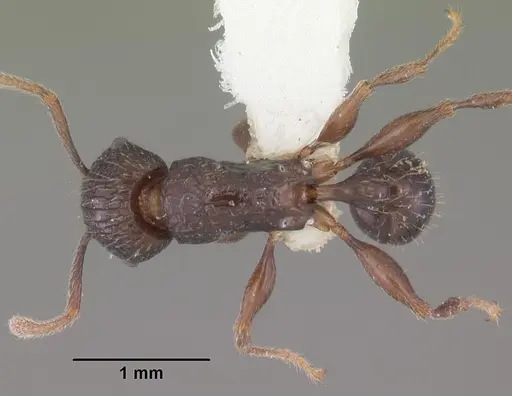
CASENT0906147
View on AntWeb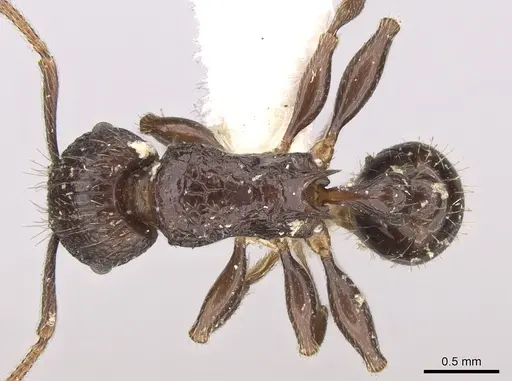
Literature
Loading distribution map...Loading products...